Full Article
about Arroyomolinos
A town in the Sierra de Montánchez with old flour mills and a landscape of orchards and olive groves.
Ocultar artículo Leer artículo completo
The church bells stop at 11 pm. That's when you realise the only other sound is a tawny owl somewhere in the dehesa beyond the last streetlamp. Arroyomolinos doesn't do nightlife—what it does instead is altitude, 400 metres of it, scooped into the southern flank of the Sierra de Montánchez. At dawn the air is thin enough to taste acorns on the breeze; by midday the same breeze smells of hot olives and sun-baked stone.
This is walking country, but not the sort that appears in glossy brochures. The signed "Ruta de los Molinos" begins behind the Iglesia de San Miguel, drops into a shallow gorge where three stone mills sit like broken teeth, then climbs back up through holm-oak pasture. The whole circuit is barely five kilometres, yet the path is rough enough to demand proper boots and the gradient sharp enough to make a mockery of that third copa of local red from lunch. Mobile coverage vanishes after the first kilometre; download an offline map before you set off because the sat-nav will confidently direct you into somebody's pig farm.
Summer here is a serious business. Daytime temperatures touch 40 °C by late June and stay there until mid-September. The village solution is logical: close the shutters, cook slowly, re-emerge at six. Restaurants observe the same timetable. Try turning up at 19:30 and you'll find the cook still asleep; arrive at 14:00 or 21:00 and the plaza suddenly resembles a dinner party where everyone has been invited except you. Persist. Order the plato de jamón ibérico—thin, rose-coloured sheets that taste of sweet acorns rather than salt—and a quarter-litre of house tinto for €2.50. The bar is also the only place to stock up on basics; the single shop sells tinned tuna, tinned beans and more jamón, but no fresh milk, no vegetables and definitely no oat milk.
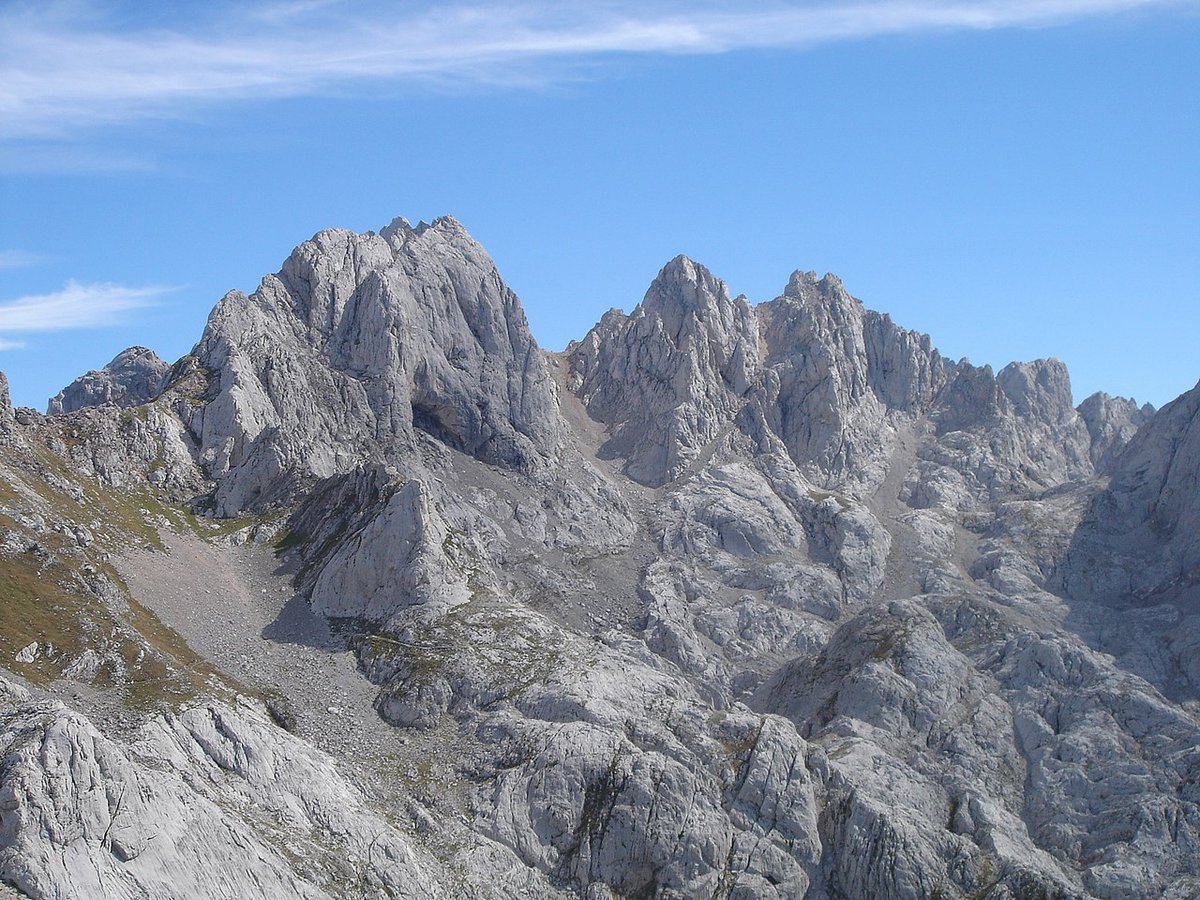
Winter flips the script. Night frost is routine from December to February and the Sierra ridge, visible from the upper Calle de la Cruz, turns white enough to fool you into thinking you can see the Pyrenees. Roads stay open—gritting reaches even this far—but the single-track stretch from Montánchez can glaze over. Chains live in boots, not wardrobes. The compensation is light: crystalline, low-angled, perfect for photographing the church's 16th-century stone against a sky so blue it looks artificial. British visitors who arrive expecting Andalusian balm often forget to pack a fleece and spend the afternoon walking around in beach shorts and goose-bumps.
Most people base themselves in one of the half-dozen rural houses scattered among the olive groves. Prices hover around €90 a night for a two-bedroom cottage with a pool that you will use exactly twice: once to test the temperature (mountain water, 18 °C even in August) and once to photograph the Sierra reflected at sunset. The nearest alternative beds are 9 km away in Montánchez, a town famous mainly for ham and for an ATM—the only one for twenty kilometres. Draw out cash before you leave the airport; Arroyomolinos runs on paper euros and the bar owner laughs at contactless.
What the village does possess is immediate countryside. Step out of the front door, cross the road, keep walking between the olives and within ten minutes you are alone except for black-shouldered kites and the occasional Iberian pig snuffling for acorns. Spring brings the sound of cuckoos echoing across the valley; autumn smells of crushed coriander seeds from the wild fennel that lines the paths. Neither season brings crowds. Even during the fiestas of San Miguel at the end of September the population barely doubles, and half the visitors are expats from Madrid who own second homes they never quite finish renovating.
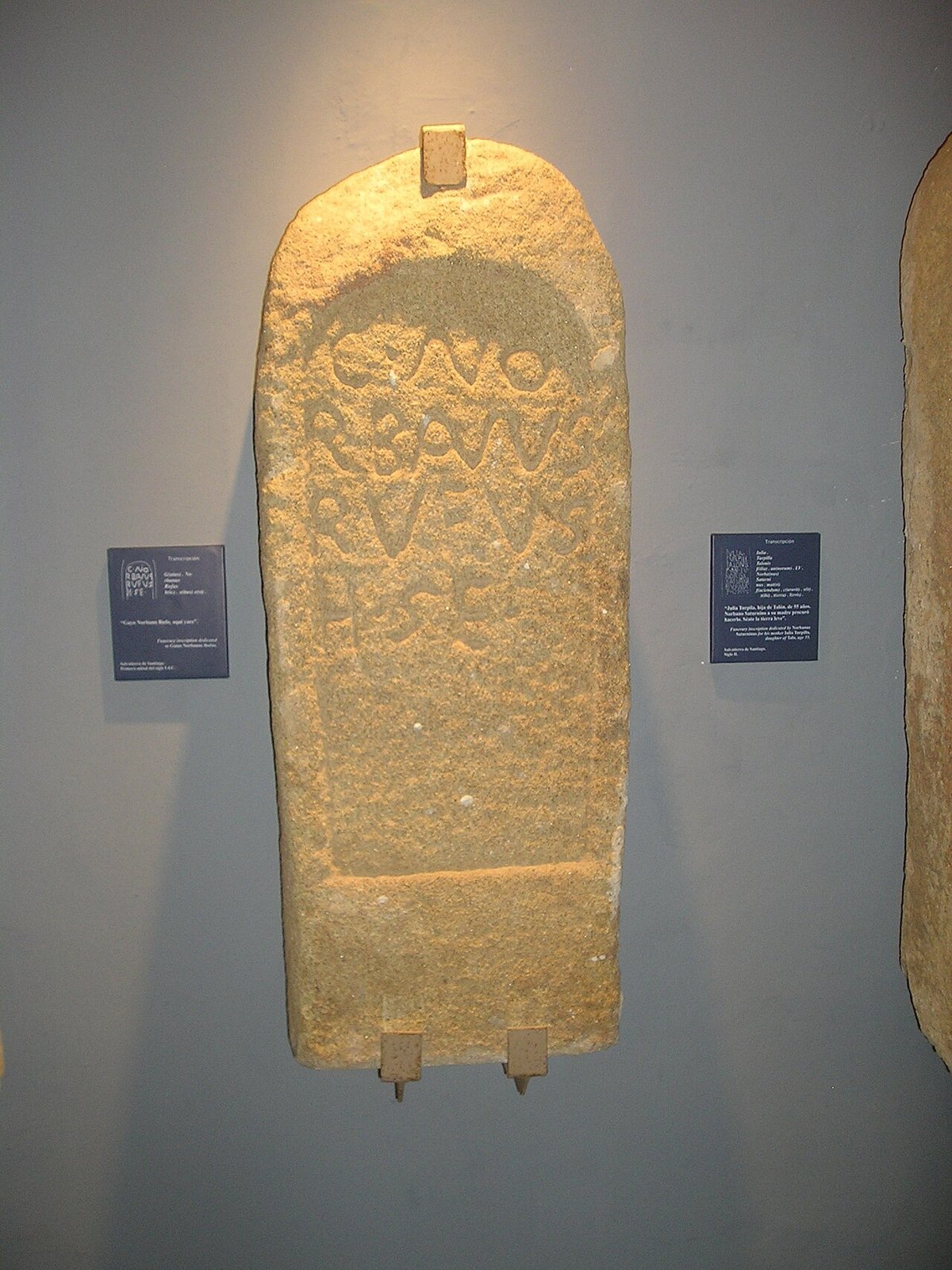
The church itself repays a slow circuit. Stand at the west door at seven on a March morning and the rising sun ignites the tower in orange plaster; walk around the east end and you find a Roman stone reused as a windowsill, the inscription still legible if you squint. Inside, the nave is refreshingly bare—no baroque excess, just whitewashed walls and a single 18th-century retablo whose paint is flaking like sunburnt skin. Donations box accepts coins; 50 céntimos buys a candle that will burn longer than most visitors stay.
Honesty requires admission: you can "do" Arroyomolinos in two hours. The trick is not to. Instead, treat it as a base for the wider Sierra. Fifteen kilometres north, the castle of Montánchez offers 360-degree views all the way to the Gredos; twenty minutes south, the Roman ruins of Cáparra contain a four-arched gate that once welcomed travellers on the Silver Route. Both places are empty on weekdays. Drive back at dusk, stop on the ridge where the road bends, and watch the village lights flick on one by one, a small scatter of yellow in a bowl of dark green.
Leave the car at the edge—streets are barely wider than a London black cab—and walk the final hundred metres. Somewhere a dog will bark, then think better of it. The church bell will strike the hour, purely for local benefit. And you'll remember why you came: not for monuments or museums, but for the small, unquantifiable privilege of standing on a quiet Spanish street when the day folds into night and the air smells of woodsmoke and distant rain.