Full Article
about Montánchez
Famous for its Iberian ham and its hilltop castle overlooking all of Extremadura.
Hide article Read full article
A hillside town shaped by its setting
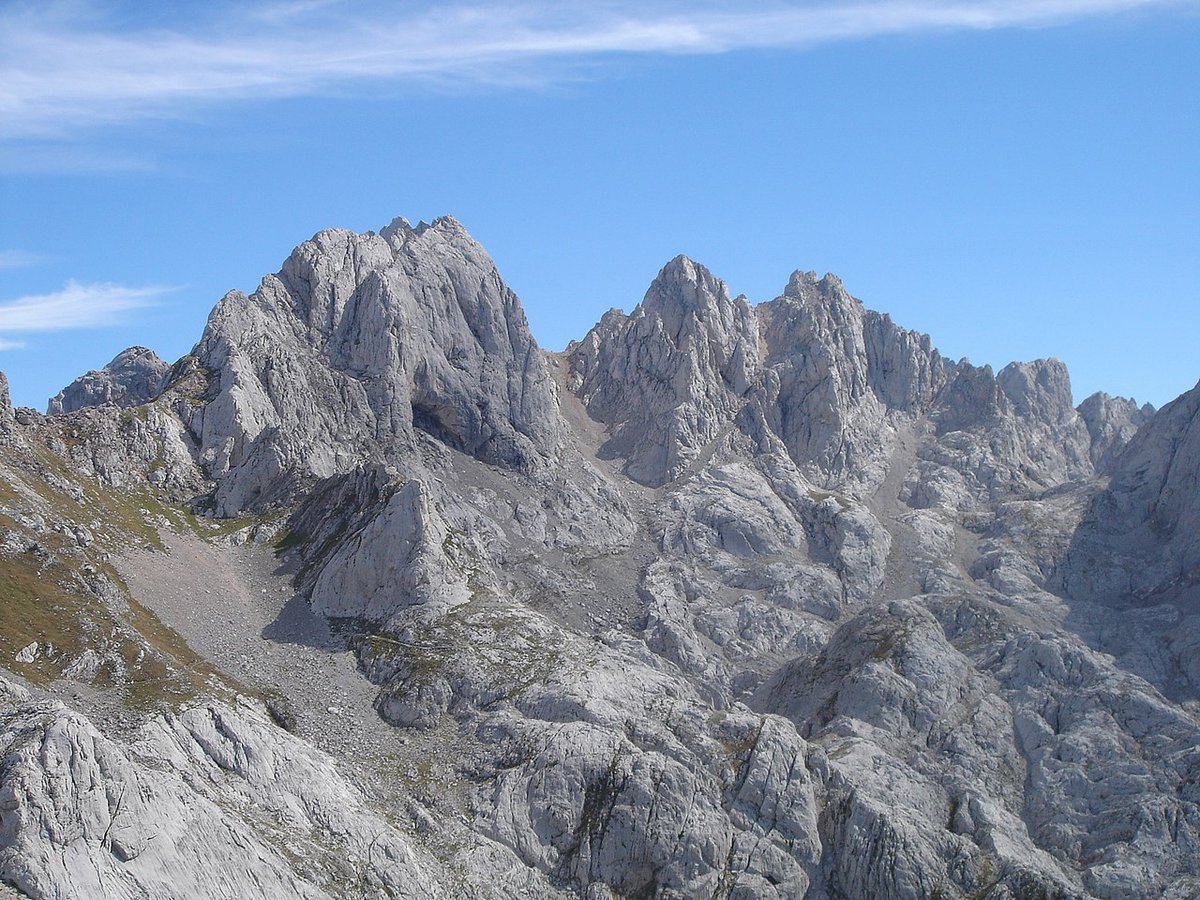
Tourism in Montánchez begins with its location. The town sits on the southern slope of an isolated range that rises clearly above the dehesas of the province of Cáceres. At around 700 metres above sea level, that elevation explains two defining features: wide views over the plains and an urban layout that is almost always uphill. The houses cling to the incline and, inevitably, the streets lead towards the castle walls at the top.
For centuries this was a strategic place. The fortress occupies a position already in use before the Christian conquest, and after the territory was incorporated into the Crown of Castile it was strengthened as a point of control over routes and surrounding land. That past can still be read in the shape of the town. Streets are narrow, cobbled in places, and steadily climb towards the upper area. Whitewashed houses stand alongside stone walls and small enclosures, forming a layout that responds more to practical needs than to any formal design.
The sierra around Montánchez is covered with holm oaks and cork oaks. This is not a decorative landscape. It is working dehesa, a traditional agroforestry system typical of western Spain. Much of the Iberian pig raised in the area comes from here, and that activity has been part of everyday life in the municipality for generations.
The castle and the view from above
Montánchez Castle occupies the highest point of the range and dominates everything around it. The current fortification was consolidated in the medieval period over earlier structures, probably of Islamic origin. What can be seen today, its walls, towers and surviving sections, reflects different phases of use and alteration.
The ascent is on foot, along steep streets that cross the oldest part of town. It is worth taking it slowly. The ground is uneven in several stretches and the gradient is noticeable. From the top, the territory becomes easier to understand. To the south and west stretches a patchwork of dehesas, olive groves and small agricultural plots, their colours shifting with the seasons.
The parish church of San Mateo stands in the central part of the town. The building combines elements from different periods, with a Gothic base that has been altered over time. Inside there are Baroque altarpieces and details that speak of successive renovations rather than a single unified project. The square where it stands acts as a daily meeting place, something that becomes clear after spending even a short time there.
Spaces that reflect everyday life
Montánchez maintains a very direct link with the production of Iberian ham. The small Museo del Jamón sets out to explain the process, from raising the animals to the montanera, the period when pigs feed on acorns, and the work carried out in drying facilities. Opening is not always continuous, so it is sometimes worth checking in advance.
On the outskirts of the town is the Fuente del Berro, a shaded spot where people have traditionally come to collect water and to spend the hottest hours of the day. It remains a quiet place for a short walk among trees and simple paths.
The Plaza de España concentrates much of the town’s daily life. From here several streets lead into the rest of the historic centre, and some paths head out towards the nearby dehesa.
Walking the sierra and the dehesa
The surroundings of Montánchez are best explored on foot. Old paths once linked orchards, mills and small agricultural holdings scattered across the sierra. Some of these routes are now used as walking trails, with stone sections and slopes that require careful footing.
The dehesa offers opportunities to observe wildlife, especially birds associated with Mediterranean woodland and open spaces. Early in the day is when there tends to be more activity.
In the area around the town there are also drying facilities and small industries connected to the Iberian pig. In some cases visits are organised to explain the ham curing process, although not always on a regular basis.
Festivities rooted in local rhythms
Local celebrations remain closely tied to the agricultural and livestock calendar. Festivities dedicated to San Mateo bring together religious events and gatherings in the streets. There are also days linked to the traditional pig slaughter and food-focused meetings centred on ham.
Rather than events designed primarily to attract visitors, these tend to be moments when the town itself comes together, maintaining practices that were long part of the household economy.
Making the most of a few hours
With only a few hours in Montánchez, the simplest approach is to begin with the climb to the castle. The route from the central area is not long, but it is steep. Afterwards, it makes sense to head back down slowly through the streets of the old quarter, pause in the square by the church and walk without rushing.
Those travelling by car can then continue towards some of the paths that lead out into the surrounding countryside.