Full Article
about Salvatierra de Santiago
Town with a history tied to the Order of Santiago and pottery
Ocultar artículo Leer artículo completo
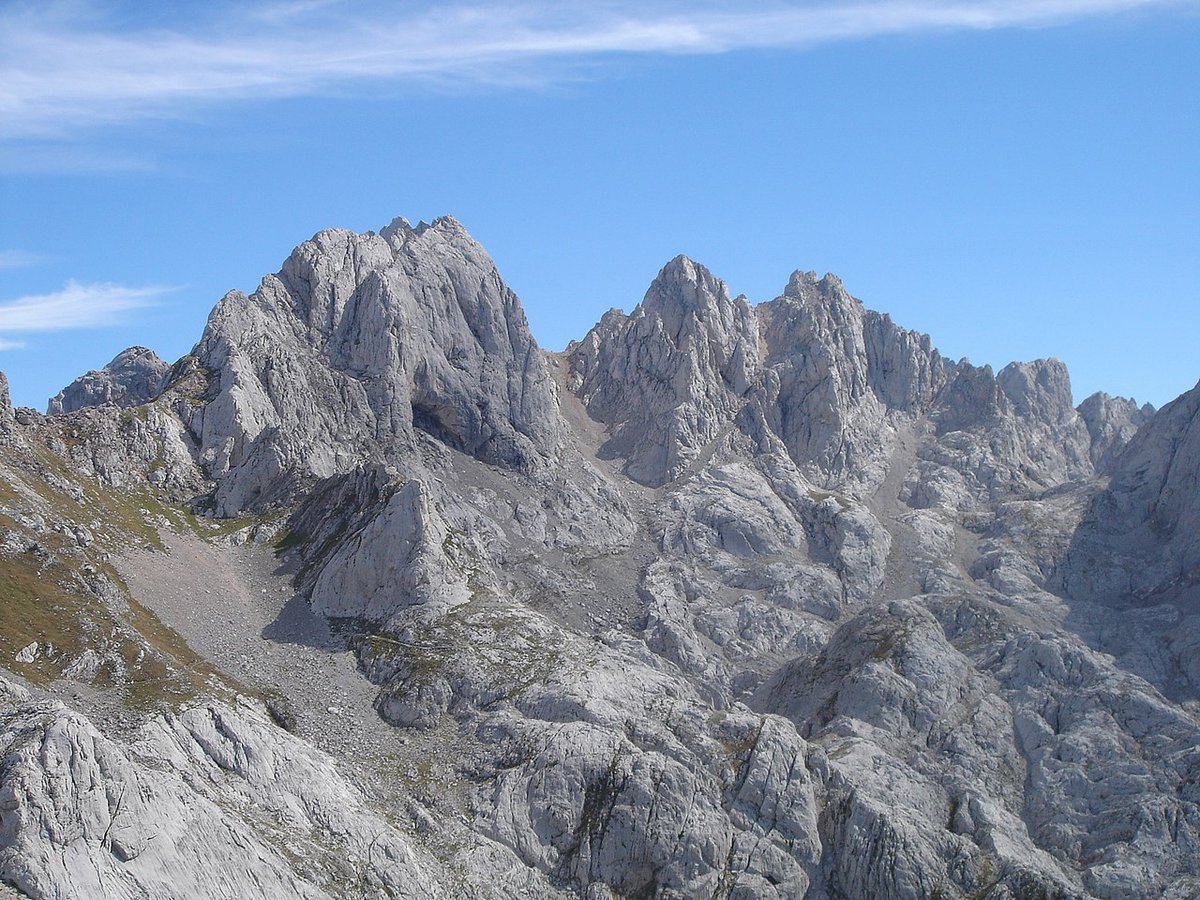
The first thing you notice isn't the mountains or the stone houses—it's the nests. Massive wicker-like platforms balance on every available rooftop, each occupied by a pair of white storks who clatter their beaks like castanets while you unpack the car. Salvatierra de Santiago sits at 410 metres above sea level on the southern flank of the Sierra de Montánchez, high enough to catch the breeze but low enough to keep winter manageable. Those birds know what they're doing.
A village that measures time by church bells and olive harvests
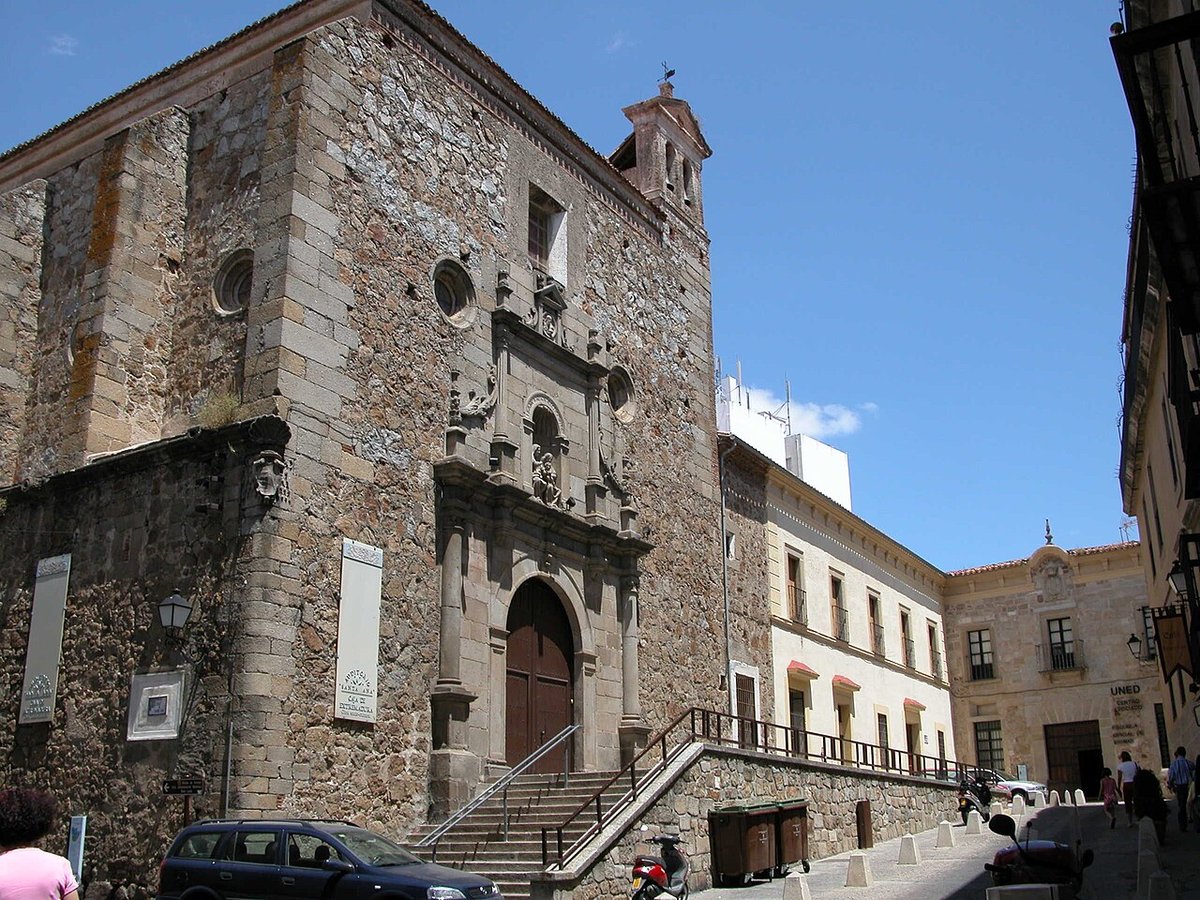
Roughly 350 people live here permanently, though the number swells when the olive crews arrive in November. The parish church of Santiago opens its doors around 8 a.m.; if you're early, you'll hear the key turn before the echo of the first bell dies away. Step inside and the air drops five degrees—welcome in July, chilly in January. Outside, the stone is warm even at dawn, thanks to the local granite that holds the previous day's heat like storage heaters.
There is no tourist office, no car park with ticket machines, no multilingual signage. Instead, a hand-painted board lists the opening hours of the ethnographic museum: "Mornings, if Pilar feels like it." Cross the square to Bar Cristina, order a café con leche (€1.20) and ask them to ring her. Someone always does.
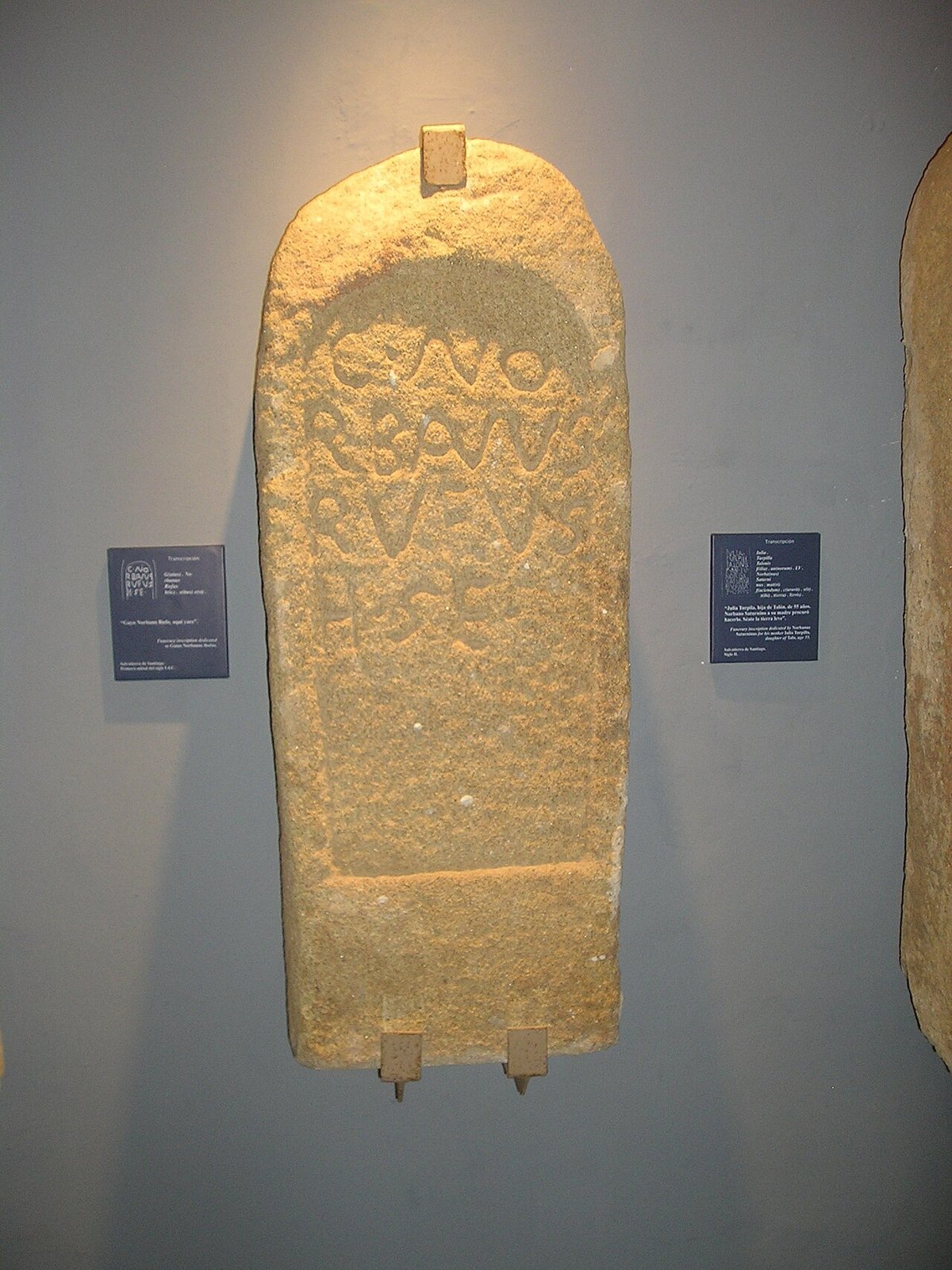
The museum occupies a 17th-century house built into the hillside. Entrance is €2, children free, and you descend three floors while the ceiling height drops with the slope. By the time you reach the old wine press you're effectively underground, surrounded by clay jars the size of Mini Coopers. Labels are in Spanish only, yet the objects translate themselves: wooden snow shoes for humans (they still get proper winters here), a bronze scale for weighing saffron threads, a shepherd's cloak that smells of lanolin even now.
Walking tracks shared with tractors
Salvatierra works as a base for short, honest walks rather than epic hikes. Pick up the Camino de la Dehesa at the eastern edge of the village—it's a farm track wide enough for a Land Rover, so step aside when one appears. Within ten minutes the cork oaks close in and the temperature falls another couple of degrees. Wild lavender and thyme release their scent when you brush past, and every so often a patch of bare slate reveals dinosaur footprints from the Cretaceous. Nobody charges, nobody guides; you just need shoes that can cope with dust turning to slick clay after rain.
The classic circuit to the abandoned cortijo and back takes ninety minutes and gains only 120 metres of height, yet the views open south-west across the dehesa all the way to the rice fields of Guadiana—pink flashes of flamingo if you visit between March and May. Locals walk it before lunch; Brits tend to underestimate the sun even in October, so carry more water than you think necessary. Mobile reception is patchy once you drop off the ridge.
If you fancy something longer, the GR-134 long-distance footpath skirts the village. A 12-kilometre section links Salvatierra with Alcuéscar and can be stitched into a two-day loop using the Monday morning bus back—though "morning" is interpreted generously and the service vanishes entirely in August when the driver goes on holiday.
What lands on the table
Food arrives in inverse proportion to village size. Bar Cristina serves a three-course menú del día for €11 that starts with migas—fried breadcrumbs with grapes and bits of chorizo—followed by pork cheek stew cooked until it collapses into a gravy that tastes of smoked paprika and bay. Vegetarians get a roast pepper and aubergine terrine that owes more to Extremaduran home cooking than to modern fads. House wine comes from the plastic barrel behind the bar, light enough to drink chilled; ask for "un tinto de la casa, frío" and you'll receive something closer to Beaujolais than to Rioja.
For self-caterers, the Tuesday market in Trujillo (25 minutes' drive) stocks Torta de la Serena, a soft sheep cheese with a bloomy rind that you slice open and scoop like fondue. Pair it with fig bread from the same stall and you have supper for under a tenner. The village shop opens 9–1 and 5–8, sells tinned tuna, UHT milk, and not a great deal else—plan accordingly.
When the sierra turns white
Winter is when Salvatierra makes sense. Daytime temperatures hover around 10 °C, nights drop below freezing, and the surrounding peaks occasionally wear a dusting of snow that melts before lunchtime. Olive smoke drifts from chimneys, storks huddle on their nests like feathery rugby scrums, and the church fills for the 11 p.m. Christmas mass conducted almost entirely in the past tense—births, marriages, deaths of the year gone by.
Access stays straightforward: the EX-390 is kept clear as far as the village, but the mountain road beyond towards Montánchez can close after heavy snow. Chains live in car boots from December to February; if you haven't brought any, locals will lend you a set, partly from hospitality, partly because a stranded foreigner blocks the tractor route.
Summer, by contrast, is fierce. July averages 35 °C at midday, the stone houses radiate heat until midnight, and the only shaded square hosts a perpetual domino tournament that newcomers interrupt at their peril. Visitors from the Costas arrive expecting cool mountain air and find themselves climbing the steep lanes at siesta time—never advisable. Early risers win here: walk at seven, retreat indoors by eleven, re-emerge at seven in the evening when the swifts replace the storks overhead.
An overnight that isn't an afterthought
Salvatierra has two legal guestrooms above the bar and three more in converted stables around the corner, all booked through the same mobile number taped to the door. Expect ceiling fans, stone walls 80 cm thick, and Wi-Fi that remembers dial-up fondly. Double rooms run €45–55 including breakfast (coffee, toast, local honey). If they're full—common during the Santiago fiestas on 24–25 July—Trujillo offers convent-turned-parador luxury twenty-five minutes away, but you'll miss the 6 a.m. bell that nobody in the village notices any more.
Leave before checkout and you can be walking the Roman bridge at Alcántara in an hour, or in Cáceres for lunch, where the Michelin crowd queues for torrija. Salvatierra doesn't mind being the warm-up act; it prefers an audience that arrives without a checklist. Come with a pair of binoculars, an appetite for pork, and enough Spanish to ask whose turn it is to unlock the museum. The storks will still be there, clattering approval from the rooftops.