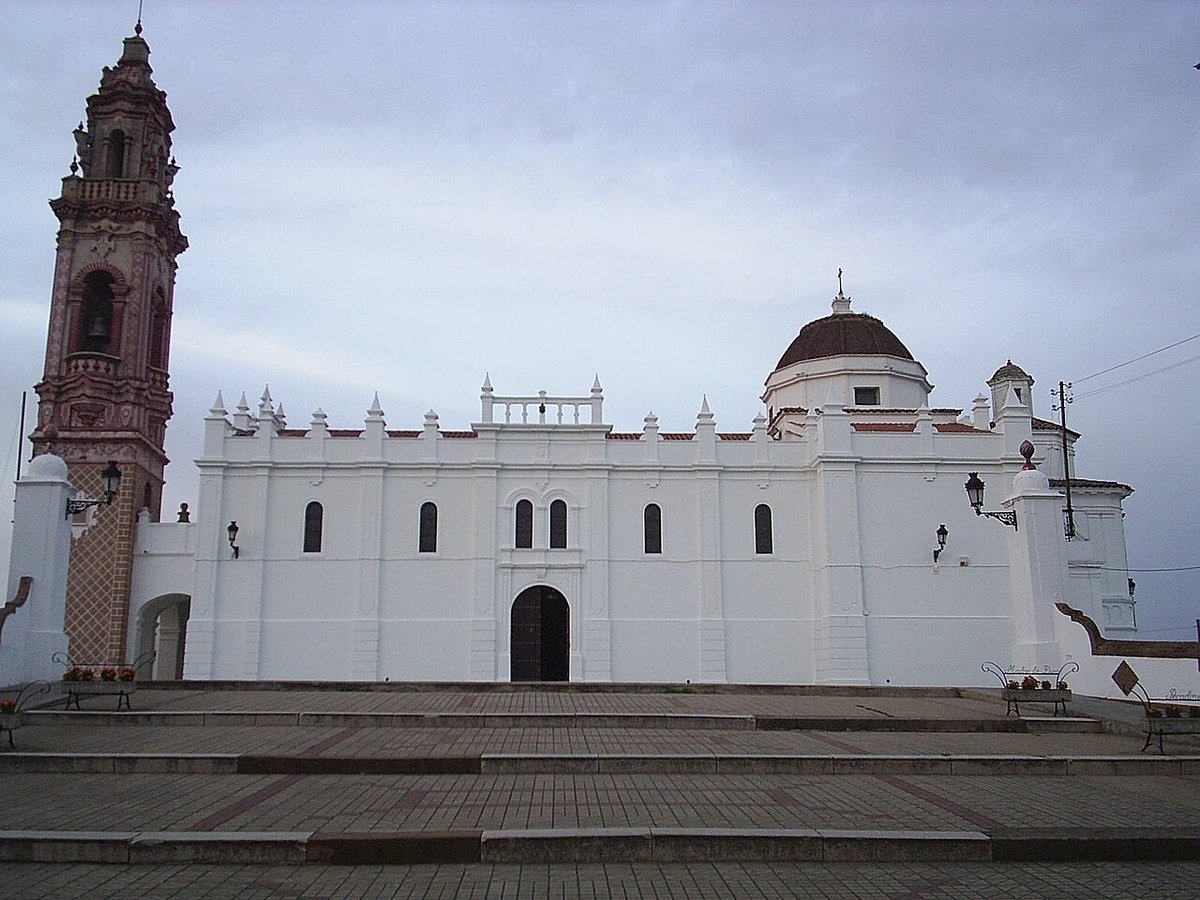
Santuariovirgengracia.jpg
Antonio Pérez Plaza · Public domain
Extremadura · Meadows & Conquerors

Oliva de la Frontera

At 370 metres above sea level, Oliva de la Frontera sits high enough to catch the Atlantic breezes that drift across the Spanish-Portuguese border....

4,907 inhabitants · INE 2025
373m Altitude

Why Visit

Sanctuary of the Virgin of Gracia Living Passion (Tourist Interest)

Best Time to Visit

spring

Living Passion (Holy Week) marzo

Things to See & Do
in Oliva de la Frontera

Heritage

  • Sanctuary of the Virgin of Gracia
  • Palm Tree Promenade
  • Church of San Marcos

Activities

  • Living Passion (Tourist Interest)
  • Dehesa routes
  • Border tourism

Festivals
& & Traditions

Fecha marzo

Pasión Viviente (Semana Santa), Feria de Septiembre (septiembre)

Las fiestas locales son el momento perfecto para vivir la autenticidad de Oliva de la Frontera.

Full Article
about Oliva de la Frontera

Border town surrounded by a vast sea of holm oaks; known for its Living Passion at Easter.

Ocultar artículo Leer artículo completo

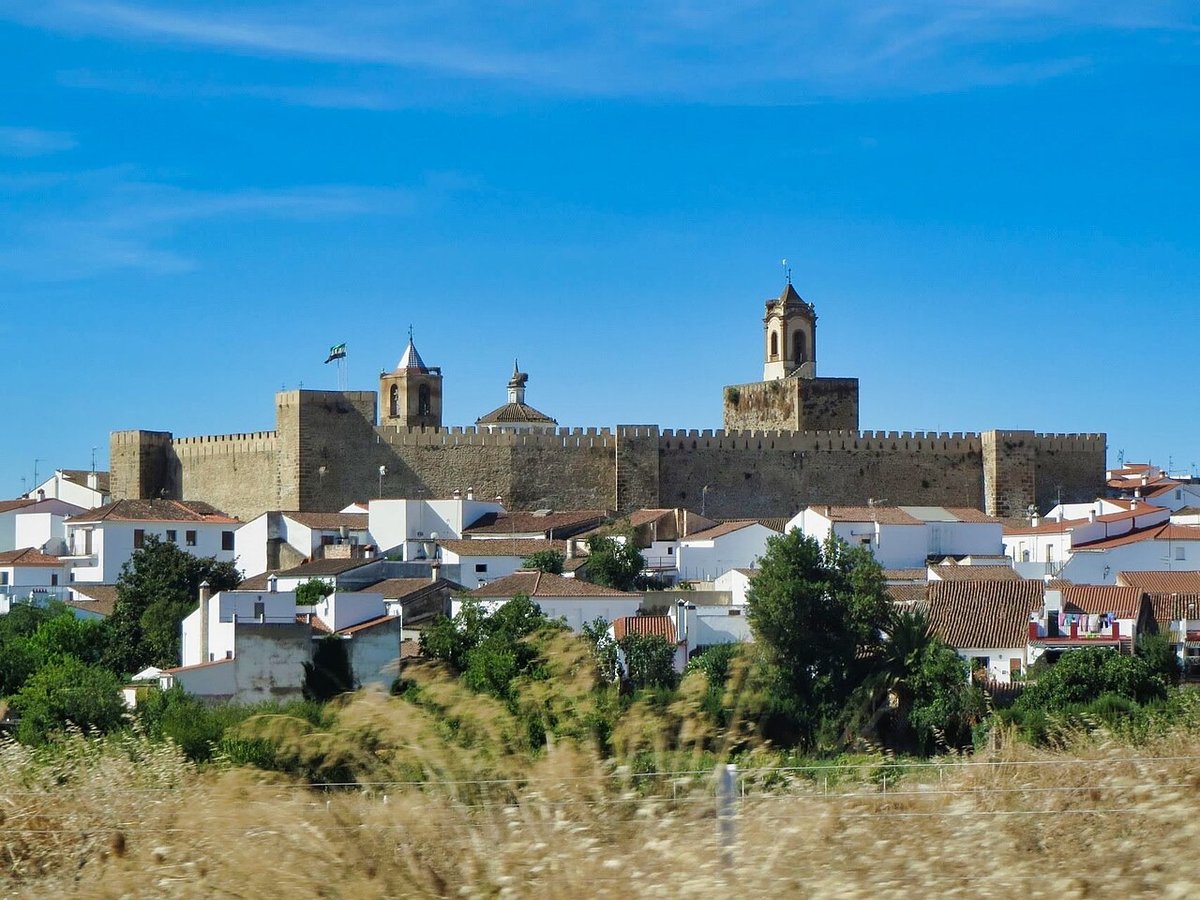
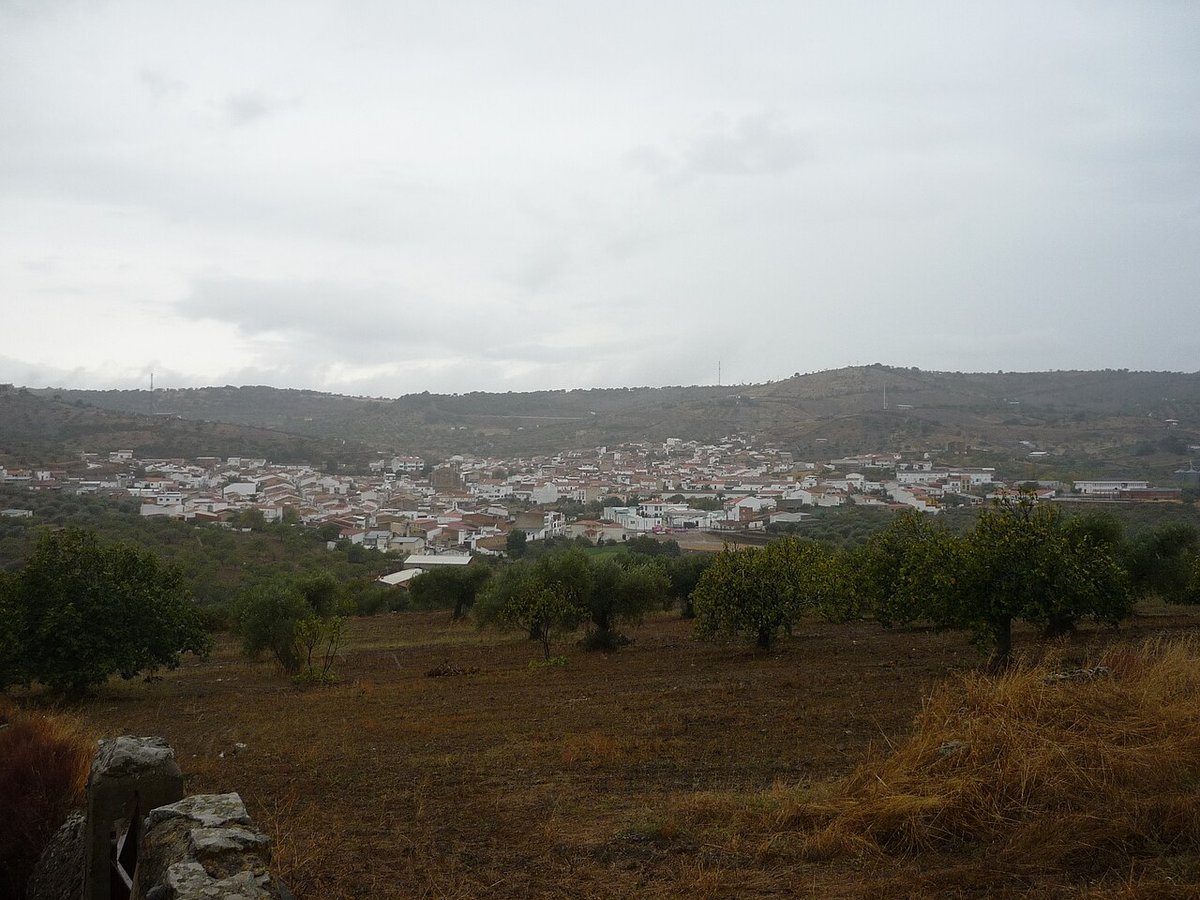
At 370 metres above sea level, Oliva de la Frontera sits high enough to catch the Atlantic breezes that drift across the Spanish-Portuguese border. The air tastes different here—cleaner, with hints of cork oak and sun-baked earth. This isn't one of those whitewashed villages perched dramatically on cliffs. Instead, Oliva spreads itself across gentle hills, its terracotta roofs rising and falling with the landscape like a natural extension of the sierra itself.

The village's name tells its story. "De la Frontera" marks it as a former border stronghold, one of many settlements that watched over the fluid boundary between Spain and Portugal. That frontier heritage lingers in the local accent, peppered with Portuguese inflections, and in the daily rhythm of life that acknowledges the neighbouring country just kilometres away. Locals pop across for coffee, petrol, or to visit relatives. The border isn't so much a line as a suggestion.

Walking Through Living History

Santa Marina church dominates the modest skyline, its fifteenth-century stone facade bearing the weight of centuries. Inside, baroque altarpieces compete for attention with a Gothic Virgin Mary carving that's survived wars, reforms, and the passage of time. The building isn't pristine—paint peels in places, and the floor bears scars from countless worshippers' feet—but that's precisely its charm. This is a working church, not a museum piece.

Nearby, the early twentieth-century town hall displays the kind of confident architecture that marked Spain's municipal ambitions. Its curved balcony once hosted political speeches; now it overlooks a plaza where elderly men play dominoes and mothers push prams. The building's cream-coloured facade photographs beautifully in the late afternoon light, though you'll need to crop out the parked cars that cluster around its base like modern-day camp followers.

The old quarter rewards aimless wandering. Narrow streets climb gently past houses whose ground floors have been converted into bars, their doorways framing glimpses of daily life: a grandmother shelling peas, a teenager scrolling through her phone, the flicker of a television showing afternoon football. Many buildings retain their original patios—hidden courtyards where families once kept chickens and grew vegetables. Some remain private; others have been opened as restaurants or galleries, offering sudden cool respite from the Extremaduran sun.

The Dehesa: More Than Just Scenery

Oliva's true treasure lies beyond the village limits. The dehesa ecosystem—those carefully managed woodlands of cork oak and holm oak—stretches for miles in every direction. This isn't wilderness. Generations of farmers have shaped these landscapes, creating a sustainable system that produces everything from acorn-fed pork to cork for wine bottles. The result looks natural but reveals human intervention on closer inspection: trees pruned to perfect umbrella shapes, pastureland cleared between trunks, stone walls marking ancient boundaries.

Spring transforms the dehesa into a painter's palette. Wildflowers carpet the ground between oak trees—purple lavender, yellow broom, white chamomile. The air fills with birdsong and the distant clanking of cowbells. Summer brings harsher beauty. Grass turns golden, then grey. Shade becomes precious; locals time their walks for dawn or dusk, when wild boar emerge to root for food and deer venture from cover. Autumn means mushrooms and the montaña—the period when pigs roam freely, fattening on acorns that will flavour the region's famous jamón.

Walking trails criss-cross the dehesa, though they're not always well-marked. The locals' directions tend towards the poetic rather than practical: "Follow the path until you see the big oak that looks like a grandmother, then turn left." A GPS app saves frustration. Sturdy boots are essential; the ground stays rocky and uneven even on established routes. Carry water—lots of it. The Spanish sun at this altitude feels closer, more intense, than at sea level.

Eating Like a Local

Oliva's cuisine reflects its geography. This is pig country, and every part of the animal finds its way onto local plates. The annual matanza—pig slaughter—remains a community event, though nowadays it's more celebration than necessity. Families still gather to make chorizo, salchichón, and morcilla, sharing recipes passed down through generations. The results hang in kitchens and cellars, developing complex flavours that supermarket equivalents can't match.

Migas—fried breadcrumbs with pork, garlic, and peppers—appears on every menu. Done well, it's comfort food elevated to art. Done poorly, it's stodgy and heavy. The secret lies in the bread: day-old country loaves, torn not sliced, then soaked in water before frying. Ask locals for recommendations; they guard their favourite establishments jealously. Restaurant El Molino, just outside the village centre, serves generous portions at prices that seem stuck in the 1990s. Their gazpacho extremeño—nothing like the cold Andalusian soup—combines game, bread, and paprika into something that tastes medieval in the best possible way.

Wine comes from nearby vineyards, though you won't find fancy labels. Local whites pair surprisingly well with the rich food, cutting through pork fat with crisp acidity. The red—often sold in unmarked bottles—resembles Portuguese vinho tinto more than typical Spanish rioja. It's honest, uncomplicated, and cheap. Three euros buys a bottle that would cost fifteen in Britain.

When to Visit, What to Expect

Oliva de la Frontera doesn't do subtle seasons. Winter bites. At this elevation, temperatures drop below freezing, and the stone houses—built to stay cool in summer—become difficult to heat. Many businesses close between January and March. Spring arrives suddenly, usually in late March, transforming brown landscapes to green overnight. This is prime walking season: mild days, wildflowers, active wildlife. Book accommodation ahead during Easter week; Spanish visitors return to family villages, filling houses and hotels.

Summer hits hard. July and August temperatures regularly exceed 40°C, and the altitude offers little relief. Sensible people siesta through the afternoon, emerging only as shadows lengthen. The village's patronal fiestas in mid-July transform this sleepy place into something unrecognisable. Streets fill with temporary bars, children's fairground rides occupy plazas, and fireworks echo off stone walls until dawn. It's either magical or unbearable, depending on your tolerance for noise and crowds.

Autumn brings the best balance. September remains warm enough for evening drinks outside, while October adds colour to the dehesa. This is mushroom season; locals guard their favourite spots like state secrets. November sees the olive harvest—ancient trees shaken by modern machines, their fruit trucked to local cooperatives for pressing.

Getting here requires commitment. The nearest airport at Badajoz—80 kilometres away—offers limited flights, mostly to Madrid and Barcelona. Better connections come via Seville or Lisbon, both two hours' drive on good roads. Car hire is essential; public transport exists but follows schedules that seem designed to frustrate. The village has one small hotel, three guesthouses, and a handful of rural rentals. Book the hotel for reliability; choose a guesthouse for character.

Oliva de la Frontera won't change your life. It offers no Instagram moments or bucket-list experiences. Instead, it provides something increasingly rare: an authentic slice of Spanish provincial life, where tourism supplements rather than defines the local economy. Come for the walking, stay for the food, leave understanding why some borders matter less than others.

Key Facts

Region
Extremadura
District
Sierra Suroeste
INE Code
06093
Coast
No
Mountain
No
Season
spring

Livability & Services

Key data for living or remote work

2024
ConnectivityFiber + 5G
HealthcareHealth center
EducationHigh school & elementary
Housing~5€/m² rent · Affordable
Sources: INE, CNMC, Ministry of Health, AEMET

Planning Your Visit?

Discover more villages in the Sierra Suroeste.

View full region →

More villages in Sierra Suroeste

Traveler Reviews