Full Article
about Salvatierra de los Barros
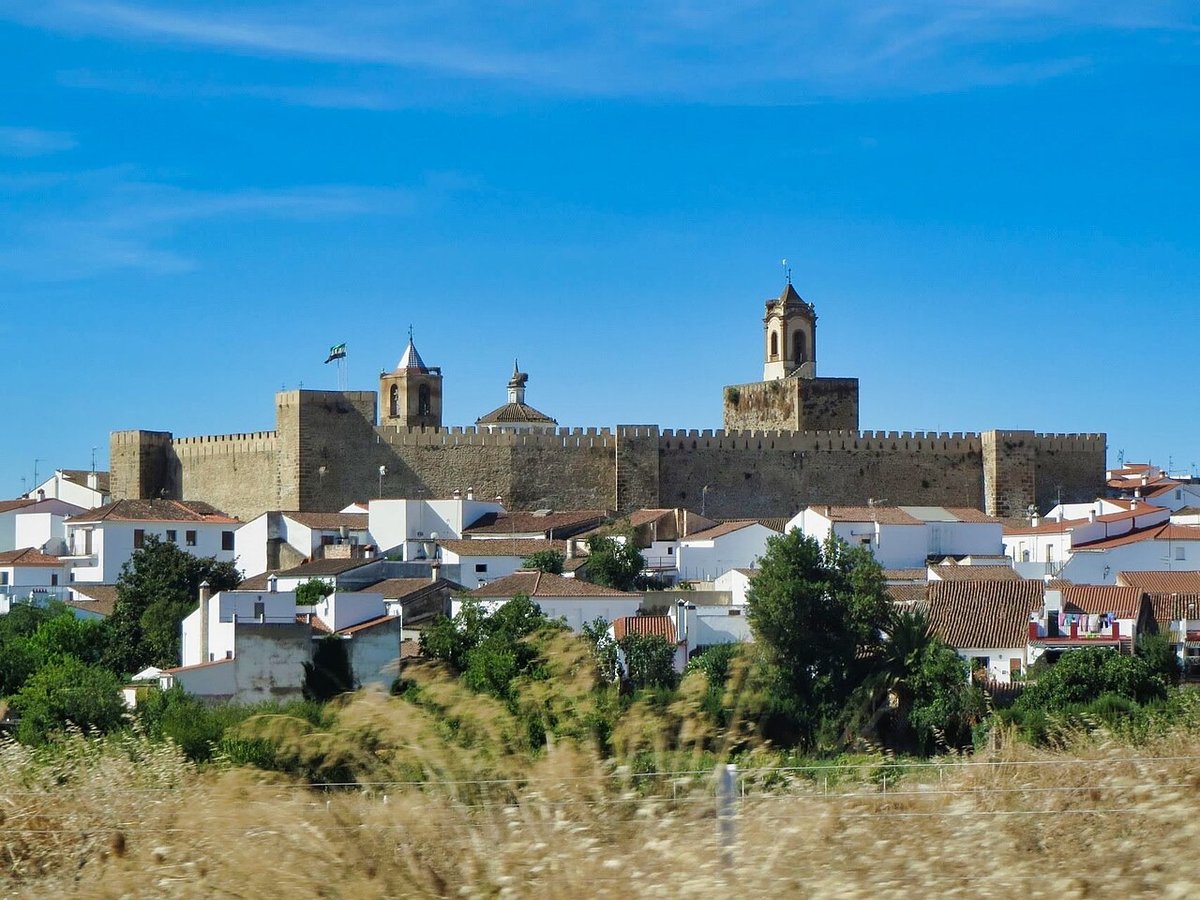
Pottery capital of Extremadura; a picturesque village with a castle and a museum devoted to clay.
Hide article Read full article
Getting There and When to Go
If you head to Salvatierra de los Barros, parking is usually straightforward. The easiest option is near the Plaza Mayor or along one of the wider streets nearby. Spaces are generally available, except during local festivals or particularly busy weekends.
This is not a place that demands a long schedule. The village can be explored at an easy pace in about an hour without rushing.
Spring and autumn are the most comfortable seasons for walking. Summer brings strong midday sun, and shade is limited in many of the streets. Winter varies. Some days feel calm and mild, while others bring spells of rain and wind that change the mood completely.
A Village to Walk Without a Plan
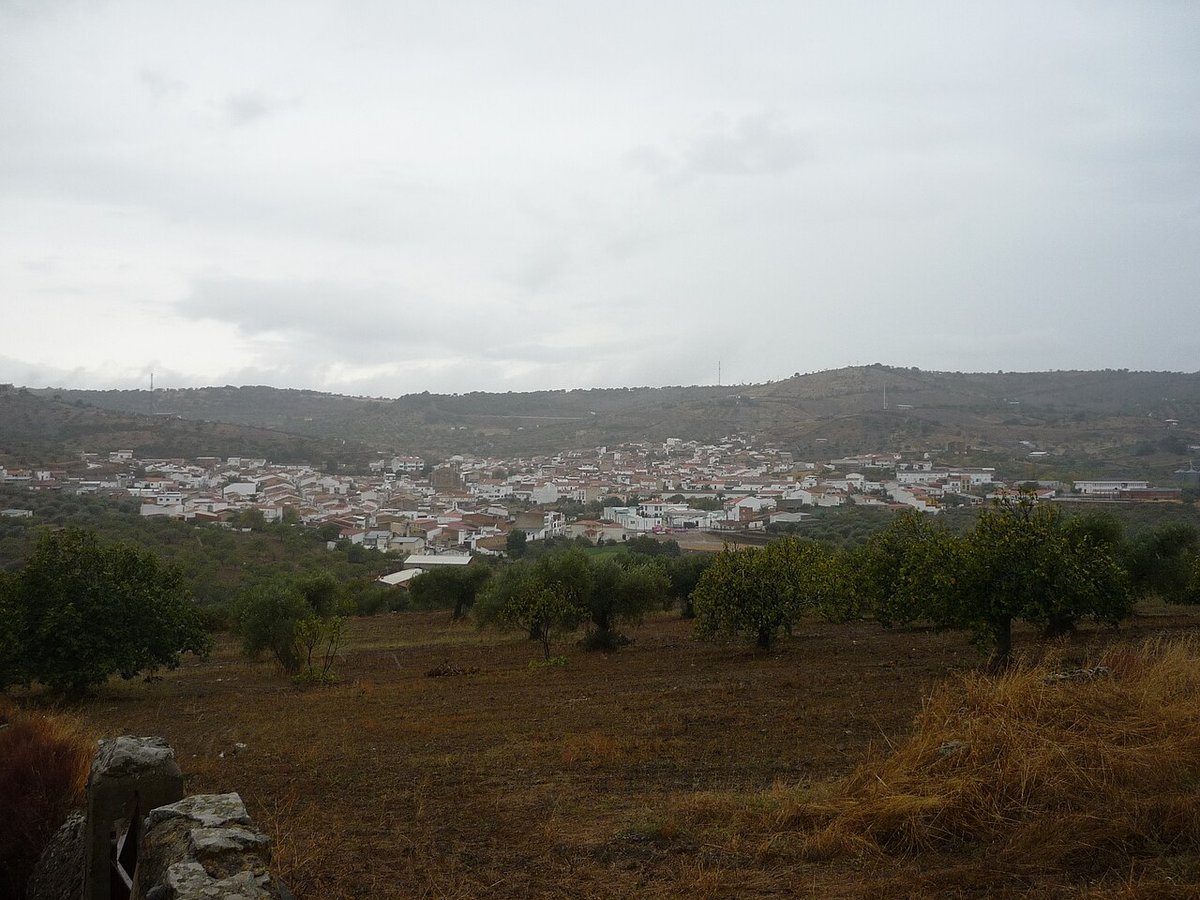
Salvatierra is small and easy to read on foot. From the entrance, Calle San Miguel leads directly towards the main square and works as a natural guide through the centre.
The layout is not especially orderly. Streets rise and fall gently, with slight changes in level that lead you around in loose loops. Within minutes, it is easy to circle back without quite realising it. Whitewashed houses line the streets, topped with red roof tiles. Here and there, courtyards reveal signs of the village’s identity: fired clay pieces resting against walls, from plant pots to large jars.
There is no real need for a map. Walking is enough. The place reveals itself gradually, with small details rather than major landmarks.
The Parish Church
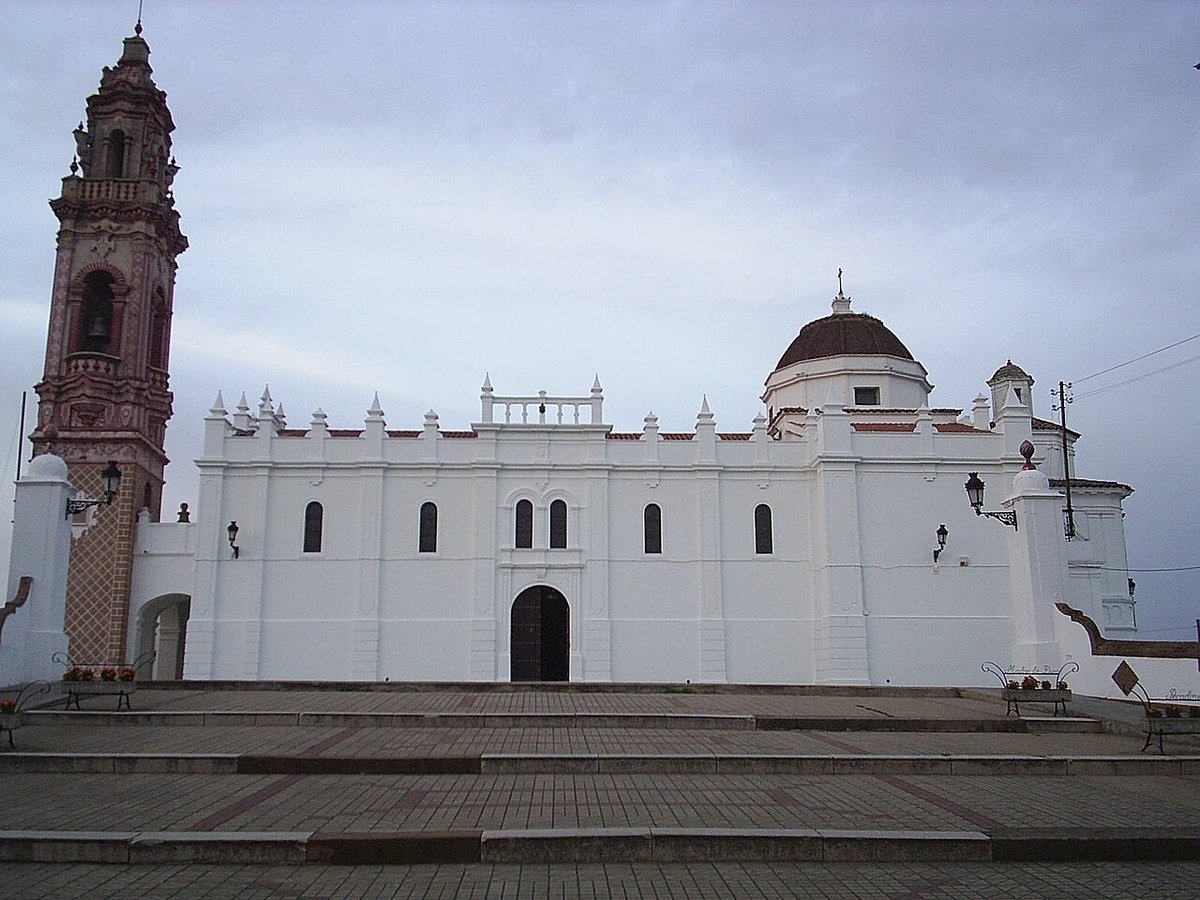
At the centre stands the parish church of Santa María. It dates from the 16th century and was built on the site of an earlier mosque, something that appears frequently across this part of Extremadura.
The tower is visible from much of the village and acts as a useful reference point when navigating the streets. It helps keep your bearings in a place where the layout can feel a little repetitive.
Inside, the church is simple. There are no widely known artworks or elaborate altarpieces to expect. Its appeal lies more in its presence within the village than in any standout feature. It is sometimes open during the day, although not always.
Clay at the Centre of Life
The defining element of Salvatierra de los Barros is clay.
The village has worked in pottery for centuries, and that tradition continues today. Active workshops are scattered across the streets, including some right in the centre. They are easy to spot. Look for kilns or stacks of pieces left out to dry.
Not every workshop opens daily. Some operate on commission or only at certain times of year. If you come across one that is open, it is worth asking inside. In some cases, visitors are allowed to watch the wheel in use and see part of the process.
What you find here is rooted in everyday use rather than display. The pieces include cántaros for carrying water, large botijos designed to keep it cool, cazuelas for cooking, and plant pots. There are also decorative items, but the focus remains on practical objects made in a workshop setting. This is not a place of large museums or elaborate interpretation centres. The emphasis stays on craft and continuity.
The Surroundings
Beyond the village, the landscape opens out into countryside typical of the region. Dehesa stretches around Salvatierra, with scattered holm oaks and some older cork oaks breaking up the view.
There are no nearby mountains or highly developed walking routes. The paths leading out of the village are mainly agricultural tracks. They can be used for a short walk, although preparation matters. Shade is limited, so carrying water is important, especially in warmer weather.
Early in the day, there is a chance of spotting wildlife. Partridges are fairly common, and with a bit of luck, a hare might cross the path ahead.
Food and Local Celebrations
The food reflects what is found across much of Extremadura. Meals tend to be filling and based on traditional recipes. Migas appear regularly, as does caldereta de cordero, a lamb stew. Potajes, slow-cooked dishes with pulses, are also typical, along with Iberian cured meats.
Cooking here leans towards hearty, spoon-based dishes rather than lighter fare. It suits the rural setting and long-standing customs of the area.
The main local festivities usually take place during the summer. The village hosts a fair, with music and increased activity centred around the square. At other points in the year, religious celebrations tied to the patron saint also take place, maintaining a steady rhythm of events beyond the summer months.
A Simple Plan for Your Visit
A short visit works best. Arrive in the morning, walk through the centre, and keep an eye out for an open pottery workshop.
If none are active at the time, the experience becomes a brief stroll rather than a full outing. The village does not rely on a long list of sights.
In summer, avoid the middle of the day. The sun is intense and there is little shelter from it.