Full Article
about Valle de Matamoros
Small mountain village with beautiful natural surroundings (Dehesa de Jerez); perfect for nature.
Hide article Read full article
A village where everything slows down
Some places feel as though someone has turned the volume of the world right down. Valle de Matamoros fits that idea neatly. The road gives way to a slower arrival, the car rolls in gently, and everything seems to shift gear: a handful of streets, the occasional open doorway, and countryside pressed right up against the edge of the village as if it has always been watching over it.
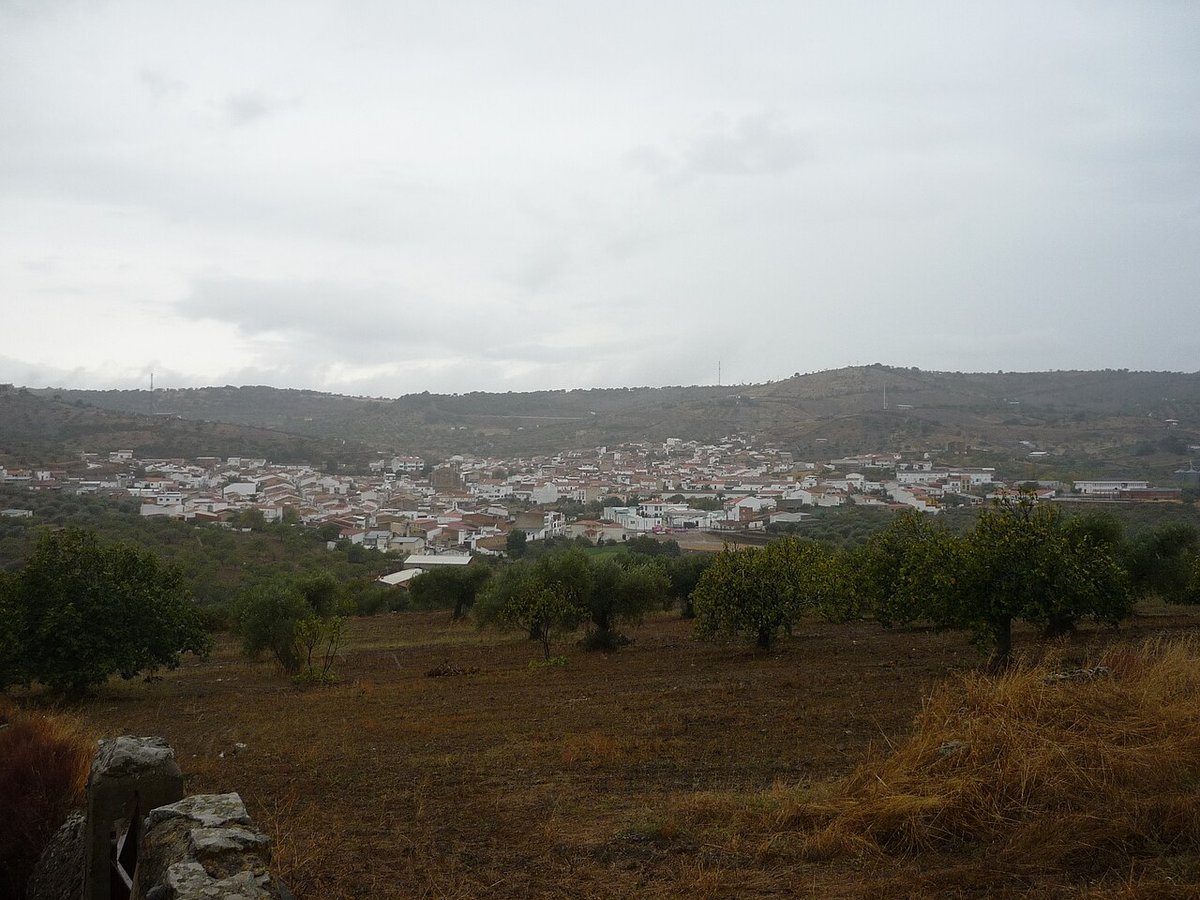
Valle de Matamoros sits in the Sierra Suroeste of Extremadura and has around 337 inhabitants. Even by the standards of this part of Badajoz, it is small. The landscape matters far more than the architecture here. Olive groves, holm oaks and cork oaks surround the settlement and shape daily life. This is not a place designed to entertain visitors. It is a place where people live and work.
That becomes clear almost immediately.
Stone, streets and quiet routines
A walk through the centre reveals a layout that feels simple and practical. Narrow streets wind between whitewashed houses with reddish roofs. There is nothing especially monumental, yet everything sits comfortably within its setting.
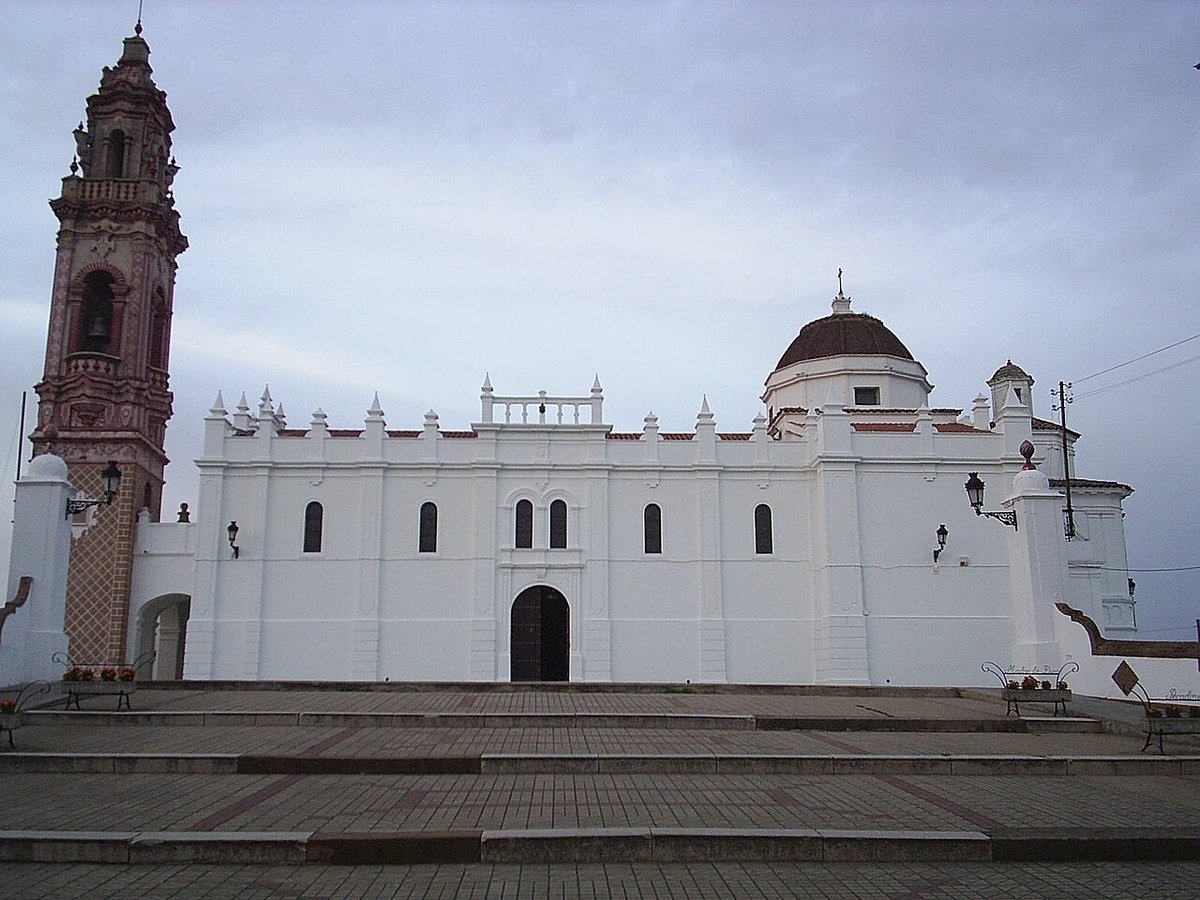
The parish church dedicated to San Juan Bautista is the most recognisable building in the village. Its appearance is restrained, the kind that blends into the landscape rather than standing out for attention. Over time it seems to have undergone several alterations, which is common in small villages where buildings evolve according to what each period allows.
Around the main square, life moves without urgency. A neighbour heads towards a small plot of land, someone pauses for a brief conversation. Not much appears to happen, and that is very much the point.
Just beyond the last house
It takes only a few minutes on foot to leave the village behind and step into open countryside. The transition is immediate.
The surroundings of Valle de Matamoros are made up of dehesa and Mediterranean scrubland. Holm oaks stand spaced apart, cork oaks appear here and there, and dirt tracks weave through estates. At first glance the landscape can seem irregular, but it has functioned this way for centuries.
Some of these paths follow old routes once used by livestock. Today they are mainly used by local farmers, walkers from the area, or residents heading out for a long stroll. The terrain suits those who prefer to walk without keeping an eye on the clock. Birdsong carries easily, the wind moves through the branches, and little else competes for attention.
In spring, species such as the rabilargo and the hoopoe are often easy to spot. When night falls, the sky changes noticeably compared to urban areas. Artificial light is scarce. A short distance from the village, with a jacket and a bit of patience, the stars appear in force.
Paths shaped by livestock
The network of tracks around Valle de Matamoros is closely tied to livestock farming. For generations, herds moved through these hills along traditional drove roads and paths that linked estates and nearby villages.
Many of these routes still exist. They are not always signposted, but their presence is clear through stone walls or the open corridors they form between plots of land.
Walking along them offers a direct way to understand how the territory was organised. At times, remains of old threshing floors or small agricultural structures come into view. Encounters with flocks of sheep or goats are not unusual, as these routes are still in use.
Food rooted in the land
Local cooking is straightforward and closely connected to what the surrounding land provides.
Pork plays a central role, as it does across much of Extremadura. Home-made cured meats, preserved cuts and slow-cooked stews are common. Cheeses from the area also appear, along with honey from nearby hives, though production tends to be small in scale.
This is not a cuisine that aims to surprise. It is closer to everyday food, the kind prepared to feed a family after long hours working in the countryside.
Traditions that continue
Village celebrations remain tied to the traditional calendar. The feast of San Juan Bautista, the local patron saint, usually brings together many residents who have moved away and return for those days.
In winter, some households still maintain the custom of the matanza del cerdo, the traditional pig slaughter. Rather than an event for visitors, it is a family gathering focused on preparing cured meats and preserving food for the months ahead.
These moments offer a clearer sense of how villages like this have functioned over decades.
When to go
Spring tends to show the landscape at its most vibrant. The fields turn green and the paths are far more enjoyable for walking.
Autumn has its own appeal, particularly in the quality of the light and the milder temperatures.
Summer in this part of Extremadura can be intense at midday. Winter brings colder conditions, especially when winds move through the sierra. Even so, with warm clothing and no rush, the village takes on a different kind of calm.
Valle de Matamoros is the sort of place that makes sense quickly. It does not rely on major attractions. What it offers is countryside, quiet, and a small community continuing in its own way. Sometimes that is exactly what is needed, even if it is not what was expected at the outset.