Full Article
about Zahínos
Surrounded by dehesas and known for its defensive tower; charcoal and farming tradition
Hide article Read full article
A village shaped by the dehesa
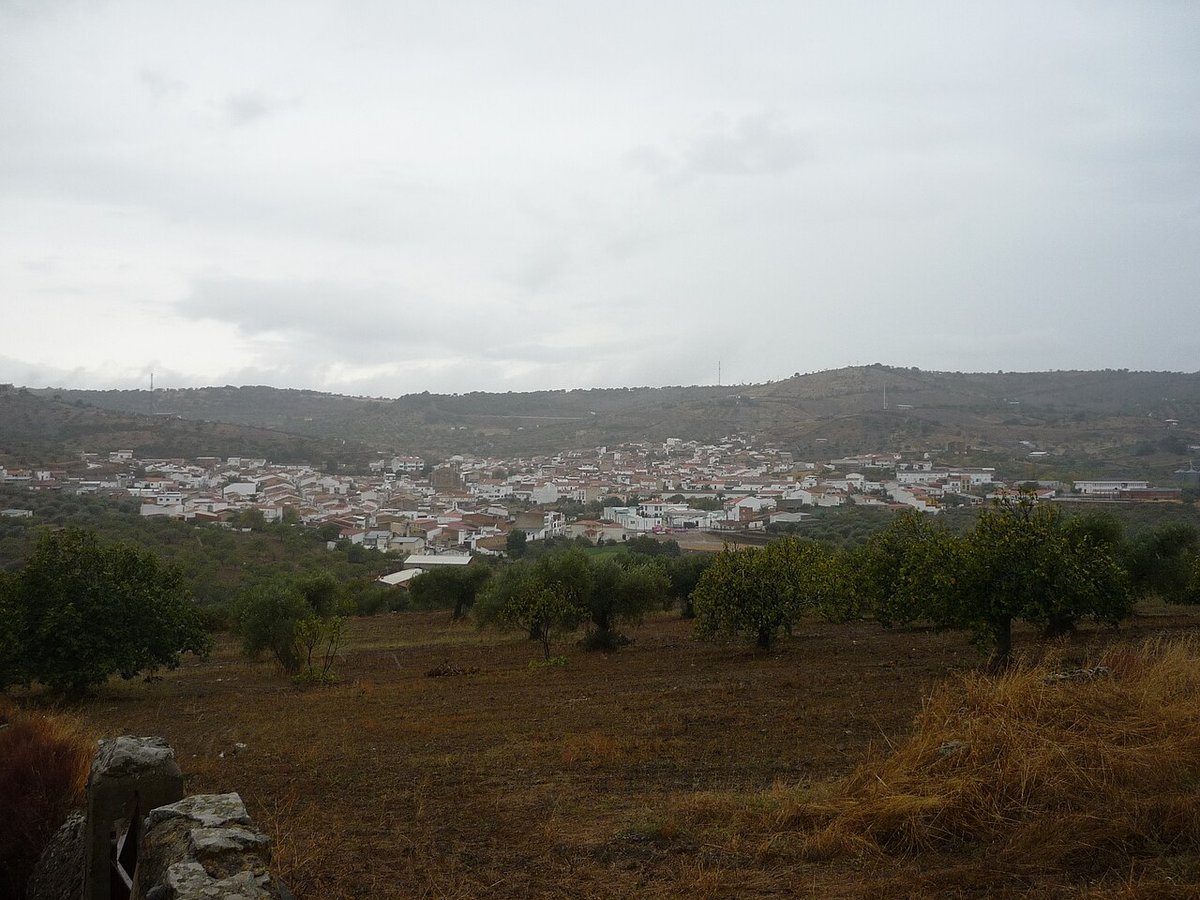
When inspectors working on the Catastro de Ensenada passed through Zahinos in the mid 18th century, they described a small settlement surrounded by dehesa, with whitewashed houses facing out towards the countryside. That snapshot still helps to make sense of the place today. Zahinos grew in step with this landscape of holm oaks and cork oaks, which covers much of the Sierra Suroeste in the province of Badajoz.
The population is smaller now than it was then, yet daily life continues to follow the rhythms of the dehesa. This is a traditional agro-pastoral landscape typical of western Spain, where grazing, cork harvesting and small-scale farming exist side by side. Around Zahinos, that balance has shaped both the economy and the appearance of the land for centuries.
The tower that was not a castle
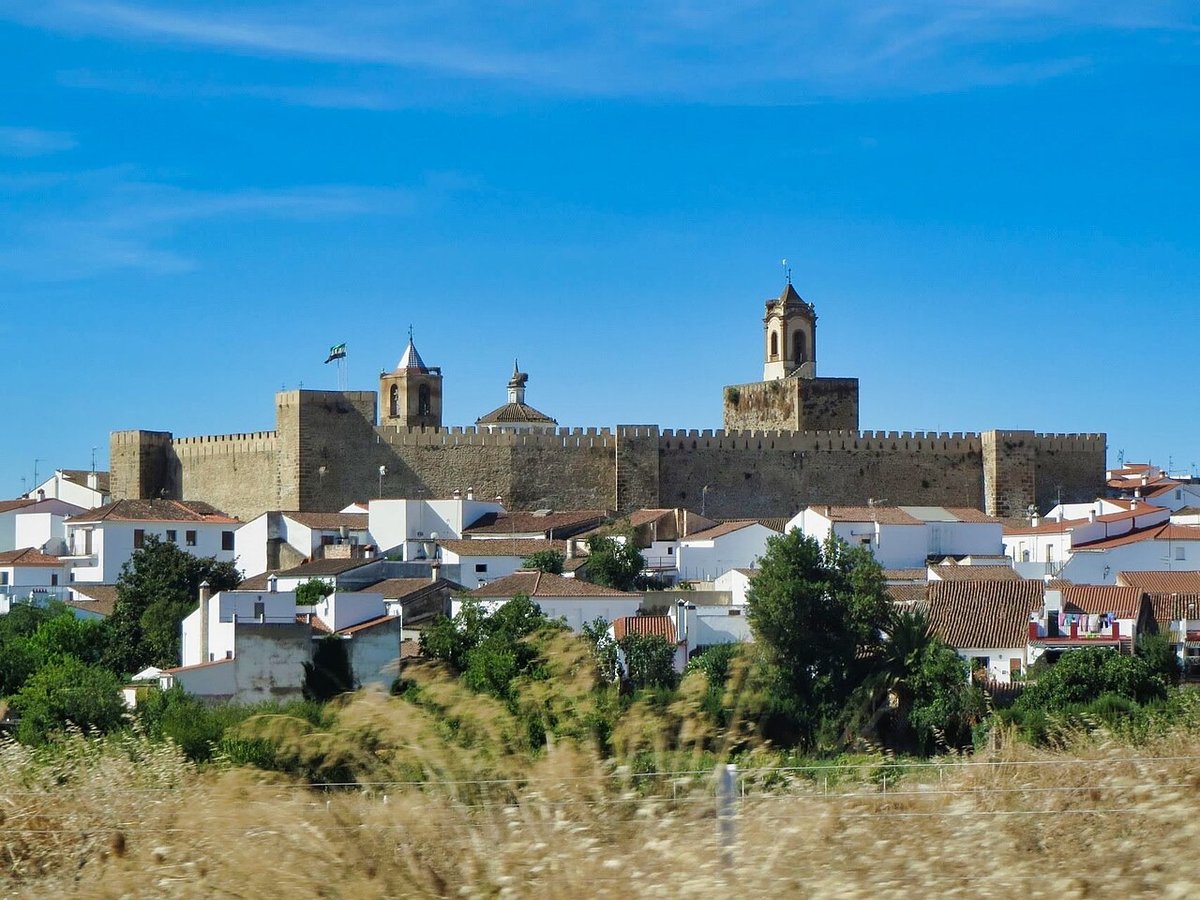
Approaching Zahinos by road, the most striking feature is a cylindrical tower rising above the village. It is often referred to as a castle, although it fits more closely with the type of keep associated with late medieval frontier fortifications. It was probably built in the 15th century, at a time when this border region required lookout points over routes and pastureland.
The structure is simple and functional. Its circular plan contains just enough space for a spiral staircase and a series of stacked rooms. From the top, the organisation of the surrounding territory becomes clear. Dehesas stretch out around the village, land that has long supported cattle, sheep and Iberian pigs, along with cork production. The tower’s role was primarily to monitor this environment rather than to withstand prolonged sieges.
A short path climbs the slope to reach it in a matter of minutes. Along the way, the layout of Zahinos comes into view, with houses fitted to the terrain and flatter ground left open for livestock. The relationship between settlement and landscape is easy to read from here.
A local point of reference
During the Early Modern period and well into the contemporary era, Zahinos acted as a modest service centre for the surrounding area. Municipal records note the hiring of a doctor at the beginning of the 19th century, something that was not common in every village nearby at the time. Decisions like this help explain why, in certain periods, people from neighbouring hamlets came here for administrative or religious matters.
That role as a meeting point still shows itself in local celebrations. In May, Zahinos usually hosts the Romería de la Cruz, a traditional pilgrimage linked to a hermitage on the outskirts of the village. Over those days, many families return from elsewhere to gather together. The setting around the hermitage has also historically been used for livestock trading, which reflects the pastoral economy of the comarca.
These occasions bring a sense of continuity, connecting present-day Zahinos with patterns of movement and exchange that have existed for generations.
The dehesa on the table
Food in Zahinos follows directly from what the surrounding land provides. The dehesa supports cattle, lamb and Iberian pigs, and these form the basis of many everyday dishes.
Migas extremeñas appear regularly at family gatherings and celebrations. They are made from stale bread fried with oil and accompanied by products linked to the traditional pig slaughter. Another widely prepared dish across the Sierra Suroeste is caldereta de cordero, a lamb stew cooked slowly with aromatic herbs that grow in the countryside.
For decades, the domestic matanza, the annual pig slaughter, played a central role in household economies. From it came cured sausages and other preserved meats, hung in the upper parts of houses where the cold winter air helped with curing. Production methods have changed over time, yet the connection between the land and what is eaten remains clear.
Finding your way around
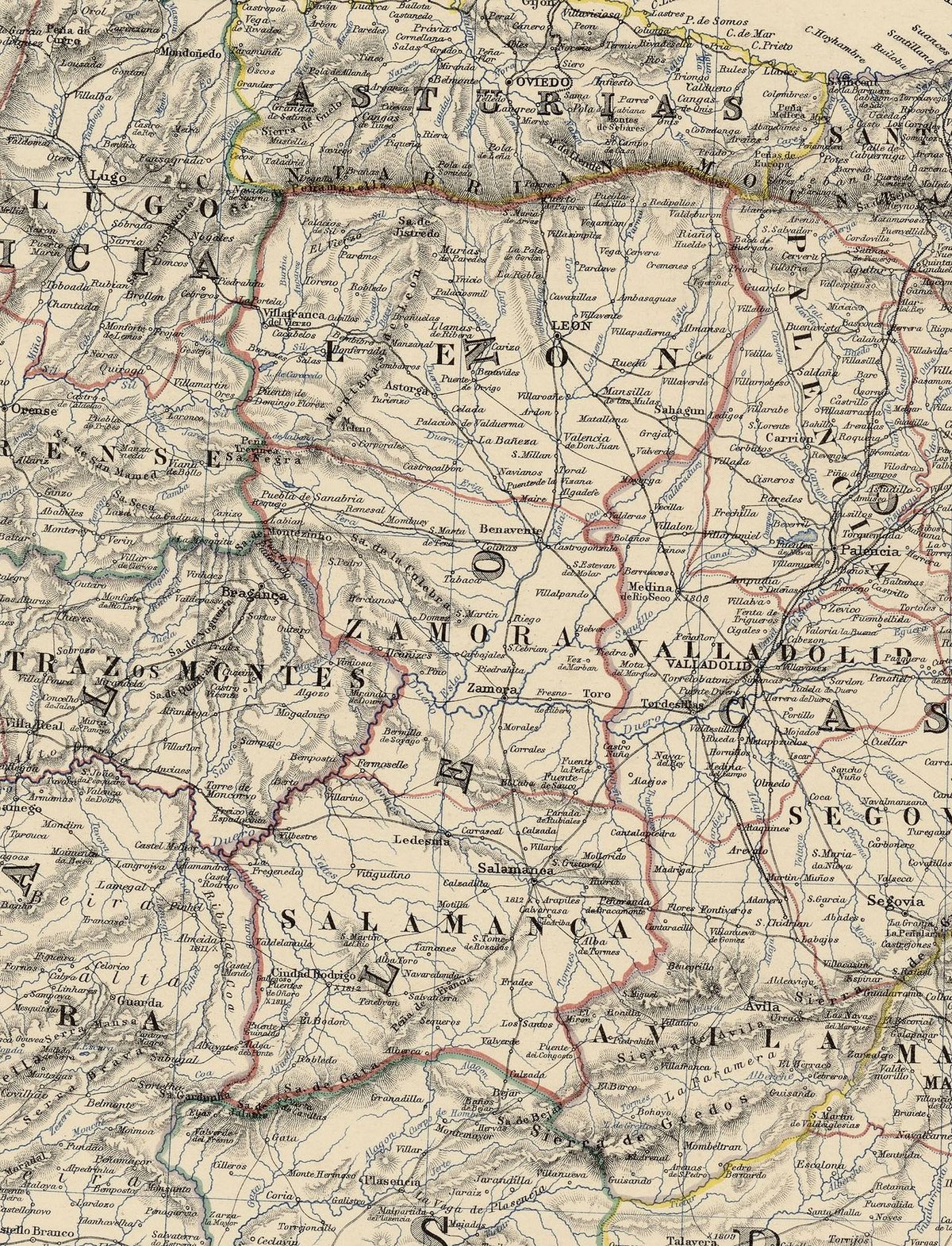
Zahinos lies in the south-west of the province of Badajoz, within the comarca known as Sierra Suroeste. The main road connecting it with Jerez de los Caballeros serves as the principal access route, passing through an almost continuous stretch of dehesa.
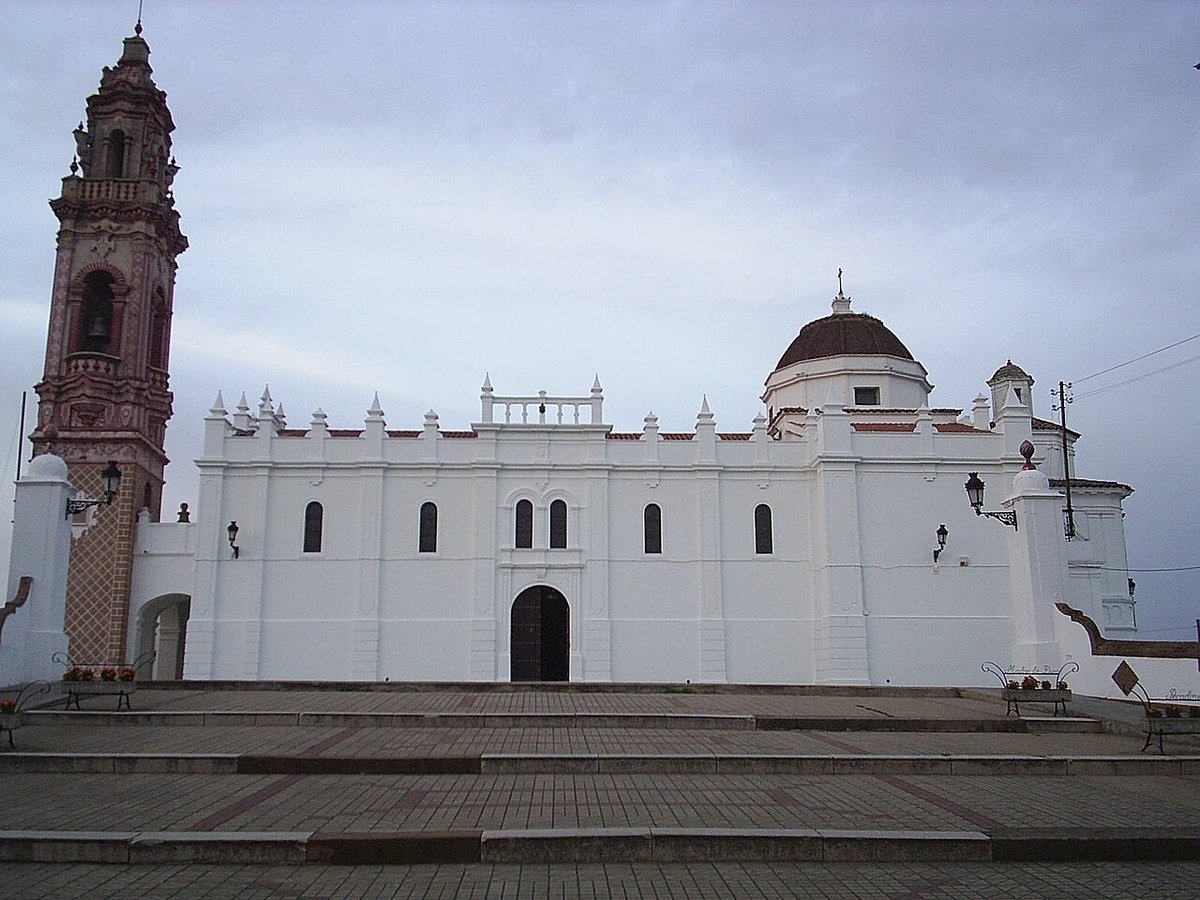
The village itself is easy to explore on foot. The parish church of Nuestra Señora contains Baroque elements inside, the result of alterations made over several centuries. Not far from the centre stands the Fuente de los Caños, historically an important water source where people once came daily to collect water, wash clothes and meet one another.
Those with time can head out along the paths linking Zahinos with neighbouring villages. Many follow older routes that run between estates and across the dehesa, offering a clearer sense of the terrain that has shaped the settlement.
In summer, especially during the festivities held in August, the streets become livelier. Many residents who live elsewhere return, and activity continues late into the night around the squares and improvised terraces. From the hillside, the illuminated tower remains the visual reference point for Zahinos, just as it has been for centuries.