Cáceres - Calle San Pedro de Alcántara 1.jpg
Zarateman · CC0
Extremadura · Meadows & Conquerors

Alcántara

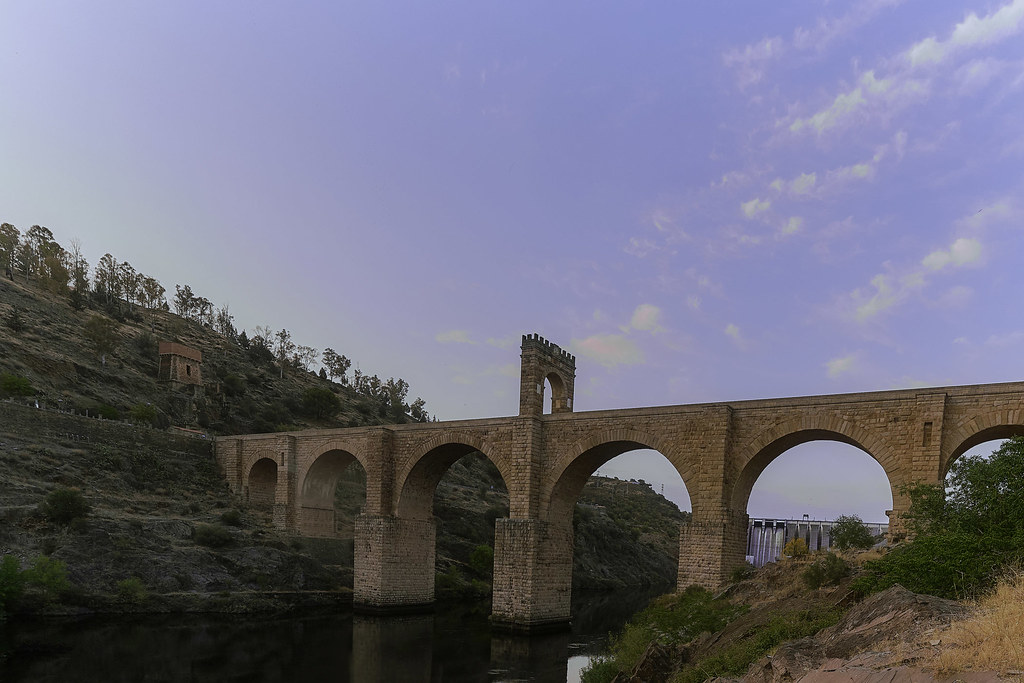
The bridge arrives before the village. Six granite arches throw themselves across the Tajo gorge at a height that would make a cathedral jealous, a...

1,329 inhabitants · INE 2025
290m Altitude

Why Visit

Roman bridge of Alcántara Guided tour of the Puente

Best Time to Visit

spring

Theatre Festival (August) agosto

Things to See & Do
in Alcántara

Heritage

  • Roman bridge of Alcántara
  • San Benito convent
  • town walls

Activities

  • Guided tour of the Puente
  • Classical Theatre Festival
  • Routes along the Tajo Internacional

Festivals
& & Traditions

Fecha agosto

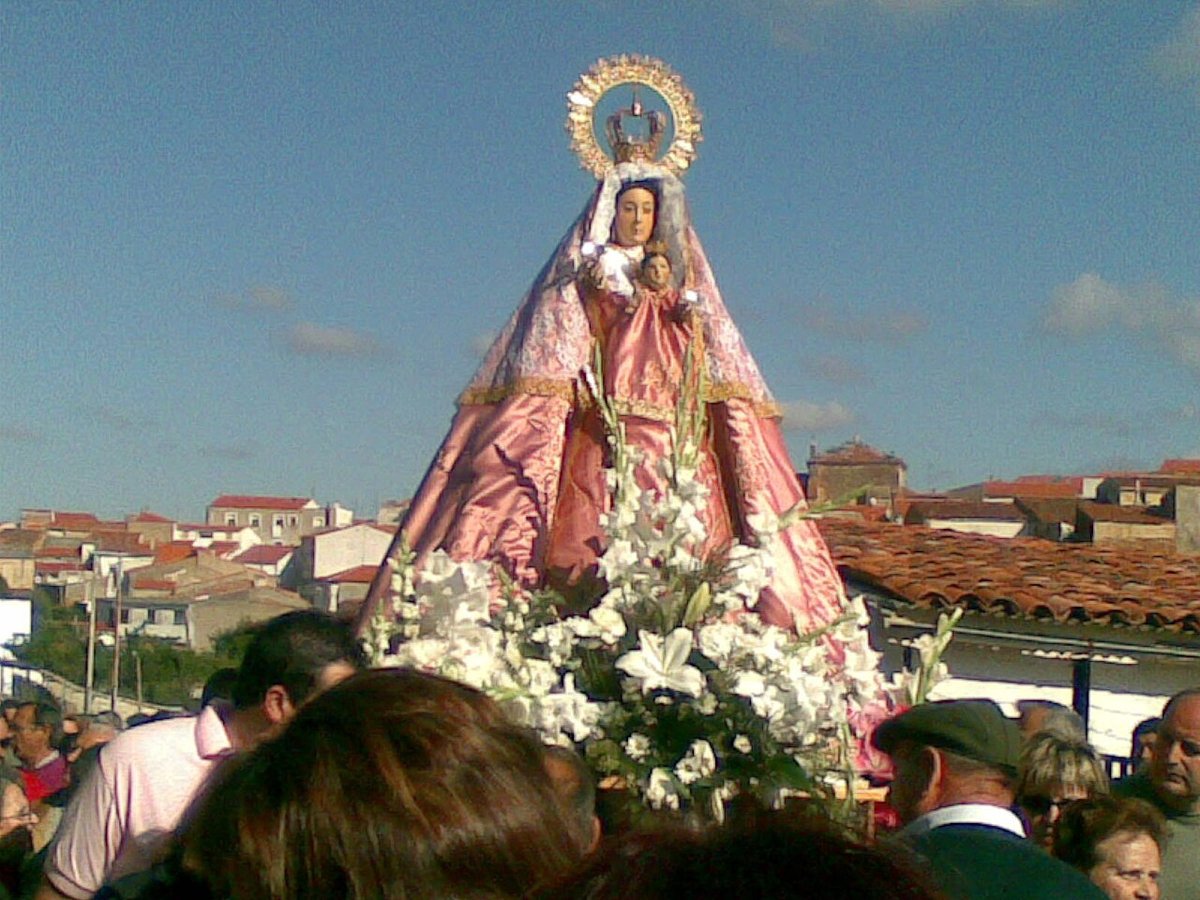
Festival de Teatro (agosto), Romería de la Virgen de los Hitos (marzo)

Las fiestas locales son el momento perfecto para vivir la autenticidad de Alcántara.

Full Article
about Alcántara

Historic border town known for its impressive Roman bridge and the Military Order; a monument complex of great value

Ocultar artículo Leer artículo completo

The bridge arrives before the village. Six granite arches throw themselves across the Tajo gorge at a height that would make a cathedral jealous, and every British motorist who pulls over for a photograph ends up staying longer than the sat-nav suggested. Alcántara’s Roman bridge isn’t a picturesque relic fenced off for safety; it is still the daily commute for anyone living on the south bank, which means you share the worn carriageway with delivery vans, grandmothers laden with shopping, and the occasional unconcerned spaniel.

Cross on foot and the statistics feel wrong. The bridge is 194 metres long, 61 metres high, and nearly two millennia old, yet the village it serves counts barely 1,300 souls. That works out at roughly one metre of bridge per resident, a ratio even the Romans might have laughed at. Mid-span, an arch of triumph still carries Trajan’s name and the date 106 AD—useful context when you reach the cobbled lanes on the far side and discover that most other buildings are only six or seven centuries young.

Stone, Water and Shadow

Inside the walls the streets narrow to shoulder-width tunnels where the granite sucks up summer heat and releases it after midnight. Whitewash flakes off timber balconies; brass door-knockers shine from use rather than polish. The only reliable shade belongs to the Convento de San Benito, former headquarters of the Order of Alcántara, the mediaeval military fraternity that once ran this frontier like a multinational corporation. The cloister is ticketed (€3, cash only) and opening hours follow the Spanish lunar calendar—check the bar opposite, where the owner keeps the official timetable taped above the coffee machine. Inside, the surprise is acoustic: voices drop automatically, not from reverence but because the stone swallows sound so completely you can hear the click of your own camera.

Below the convent the river performs a slow U-turn, creating a natural amphitheatre filmed with olive and cork oak. Two sign-posted walks drop from the village to the water. The shorter (2.5 km) follows an old mule track used by shepherds until the 1950s; the longer (6 km) continues along the bank to the remains of a Roman dam. Both start gentle and finish steep—think coastal path in Cornwall without the ice-cream van. Summer midday temperatures touch 38°C; carry more water than you think civilised and start early enough to meet wild boar trotting home from their night shift.

When the Bell Tolls, Lunch Ends

Food service stops dead at 4 p.m. and nothing, not even a packet of crisps, reappears until eight. British stomachs can bridge the gap in Plaza de España at Mesón Extremadura, where weekend lunches mean cordero a la estaca—whole lamb crucified on an iron cross in the fireplace, slow-roasted until the meat slides off like damp wool. Mid-week you’ll do better with migas: fried breadcrumbs, garlic, grapes and enough paprika to make a York-shire pudding blush. Ask for a half-ration (media ración) unless you’ve brought two teenage sons. Torta del Casar, the local runny cheese, arrives in a glazed terracotta dish; tear off toasted bread and scoop like fondue without the Alpine price tag. House red from Ribera del Guadiana rarely tops €12 a bottle and tastes like a Rioja that’s skipped finishing school.

Sunday Silence and Other Hazards

Plan for closure. On Sundays the village reverts to its private self: bars pull metal shutters at 1 p.m., the convent locks its gates and even the swallows seem to observe siesta. Visit before noon or after five, or treat the quiet as the attraction—parking is free and you’ll share the bridge with nothing noisier than a hoopoe. Winter brings different problems; when the Tajo rises the side gates shut without notice and the classic viewpoint above the south bank becomes a dead-end. Heavy rain also turns the cobbles into marble-sized ball-bearings; footwear that coped with Lake District mud will slide here as if on black ice.

Mobile signal flickers between EDGE and wishful thinking. Download offline maps while you still have 4G on the A-58; Google’s dotted blue line will otherwise dump you on a forestry track that ends in a shepherd’s garden. The nearest reliable petrol is 20 km away in Brozas—fill up before you arrive because the village’s single pump closed in 2019 and now sells garden ornaments instead of unleaded.

A Bridge Too Far—or Just Far Enough?

Most British itineraries slot Alcántara as a half-day detour between Salamanca and Cáceres, 90 minutes from either. That works if you content yourself with the bridge, a coffee and the convent, but it means missing the river walks, the Jewish quarter’s sun-trap alleys and the hour before dusk when the stone turns honey-gold and photographers retreat to the mirador with tins of beer. Stay overnight and you’ll also catch the moment the last day-tripper car disappears across the Roman stones and the village remembers it belongs to itself again. There are two small hotels: one in a sixteenth-century manor, the other a converted mill with the Tajo running beneath the breakfast terrace. Doubles start at €65, including parking that actually fits a right-hand-drive estate.

Come October the fiesta of San Pedro packs the streets with processions and folk groups, the only time crowds rival monuments. Rooms sell out six weeks ahead; book or avoid, according to tolerance for brass bands at 3 a.m. In June the feast of San Juan lights bone-dry bonfires on the riverbank—spectacular unless the north wind is blowing, in which case the smoke heads straight for the balconies of the Posada San Benito.

Leave before dark and the bridge offers a final statistic: every slab you step on has already borne Roman legions, Napoleonic artillery, Franco’s supply lorries and today’s delivery of Amazon parcels. Two thousand years of traffic, yet the granite is only lightly dented. Alcántara itself feels much the same—worn enough to be honest, solid enough to last another millennium, and still pleasantly confused about why more people haven’t noticed.

Key Facts

Region
Extremadura
District
Tajo-Salor
INE Code
10008
Coast
No
Mountain
No
Season
spring

Livability & Services

Key data for living or remote work

2024
ConnectivityFiber + 5G
HealthcareHealth center
EducationHigh school & elementary
Housing~5€/m² rent · Affordable
CoastBeach nearby
January Climate8°C avg
Sources: INE, CNMC, Ministry of Health, AEMET

Official Data

Institutional records and open data (when available).

  • Puente de Alcántara
    bic Monumento ~0.5 km
  • Convento de San Benito
    bic Monumento ~0.1 km

Planning Your Visit?

Discover more villages in the Tajo-Salor.

View full region →

More villages in Tajo-Salor

Traveler Reviews