Full Article
about Aliseda
Mountain town known for the Tartessian Treasure of Aliseda; ringed by the Sierra de San Pedro.
Hide article Read full article
First sight from the road
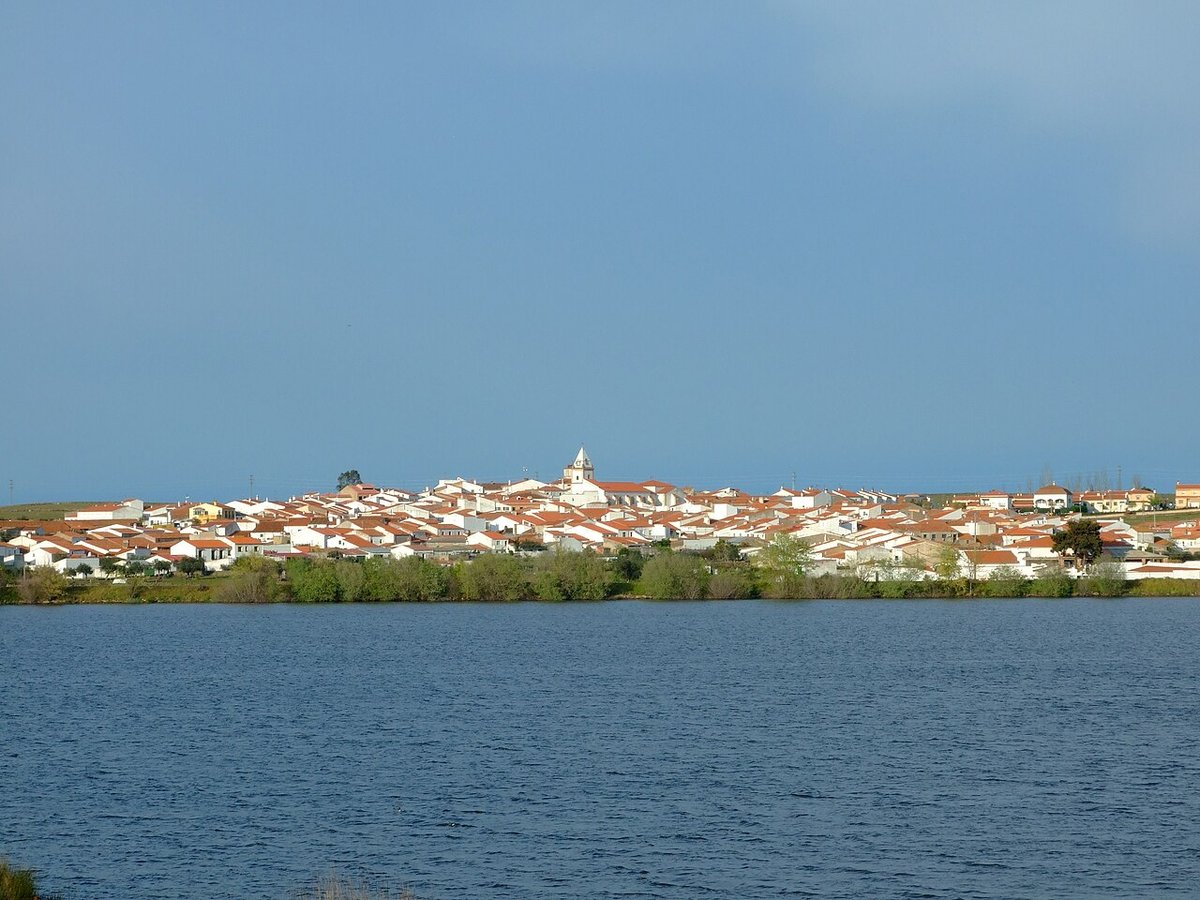
There is a moment, just as the road from Cáceres crests its final rise, when Aliseda comes into view almost casually. A cluster of white houses sits on top of a hill, as if scattered there and left exactly where they landed. It is the sort of sight that makes you think you already know what kind of place this will be.
And in a way, you do. But not quite in the way you might expect if you search for turismo en Aliseda before arriving.
The village that hid a treasure
Before anything else, people tend to mention the treasure. Not because it dominates daily life, but because it is what visitors usually ask about: was this where the gold was found?
Yes, it was. In the 7th century BC, someone, no one knows who, buried a collection of gold jewellery here. Today, that treasure is kept in the Museo Arqueológico Nacional in Madrid.
That detail can be a small let-down. Anyone arriving with the idea of seeing it in the village will quickly realise it is more than three hundred kilometres away. The story remains, but the object itself does not. It is a bit like lending something to a neighbour and watching it become part of their home instead of yours.
Even so, the Tesoro de Aliseda has not faded from local life. It comes up in conversation easily, as if the centuries between then and now have not quite broken the thread.
A church shaped over time
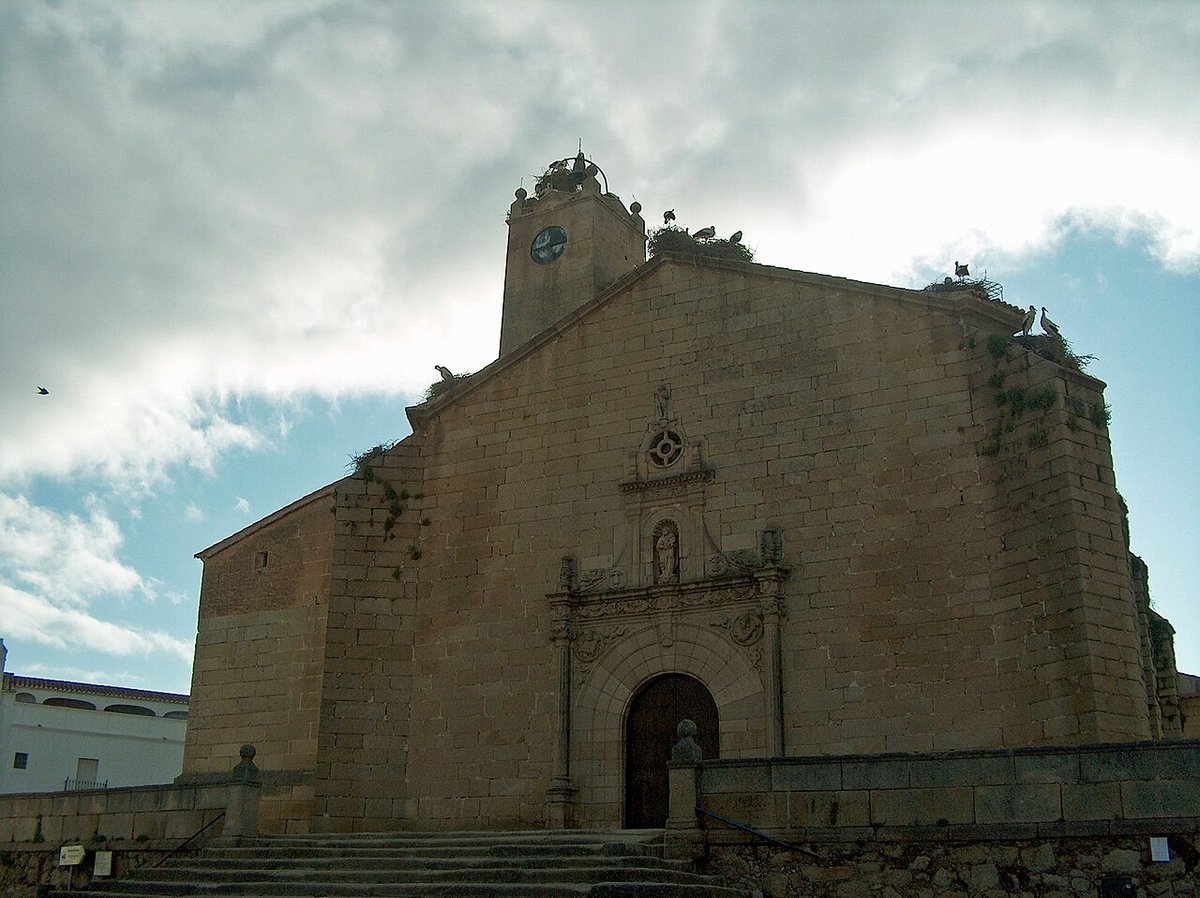
The Iglesia de Nuestra Señora de la Asunción reflects a different kind of history, one built gradually rather than buried and rediscovered.
Construction began in the 15th century and continued over time, with additions changing its form. That layered past is visible as you look at it: older sections alongside later work, all tied together by a tower that stands out from a distance as you approach the village.
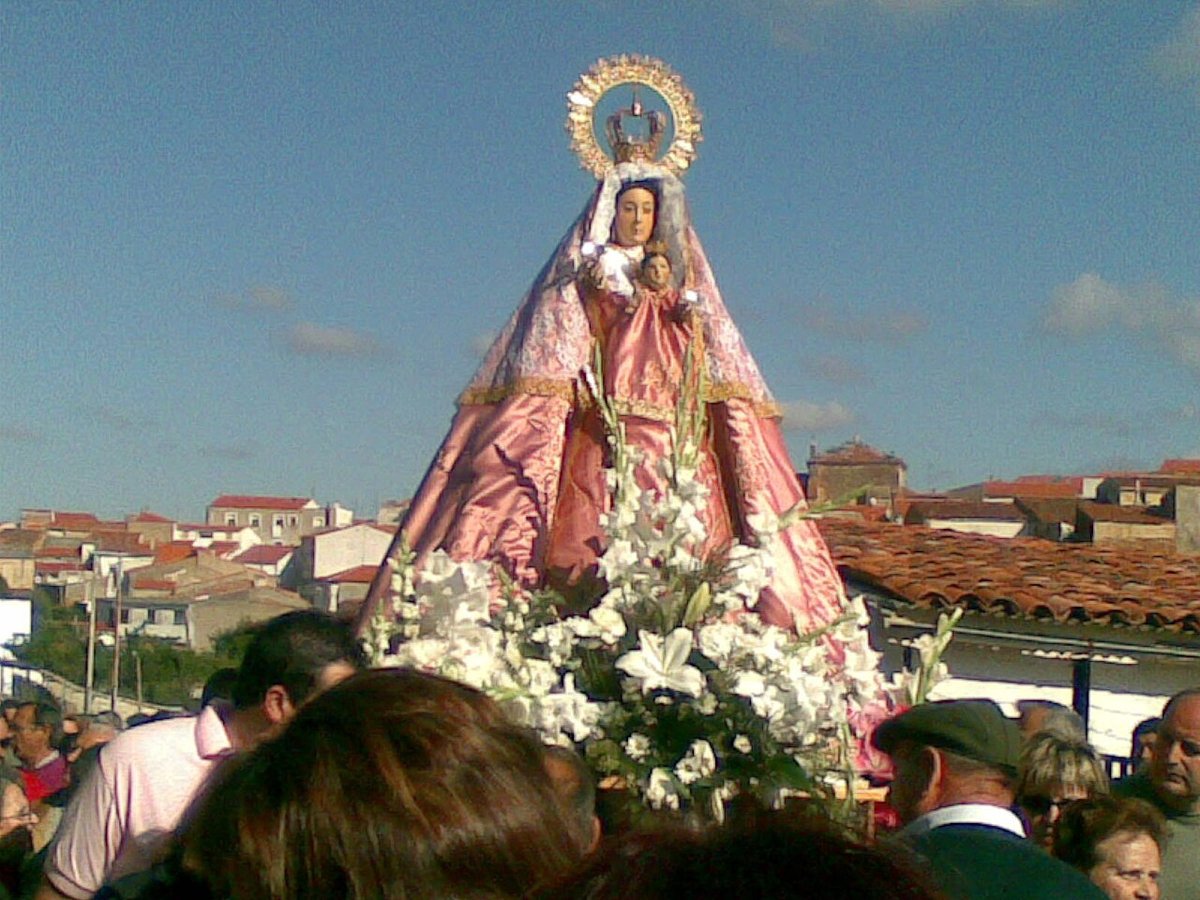
Inside, there is an image of the Virgin that many locals consider miraculous. It is the sort of belief that is stated simply, without much explanation. In small places, those claims often sit comfortably in everyday conversation. People mention them, others nod, and life carries on.
A place that still runs on its own rhythm
What stands out most in Aliseda is not the treasure or even the church. It is the sense that this is a village still functioning on its own terms.
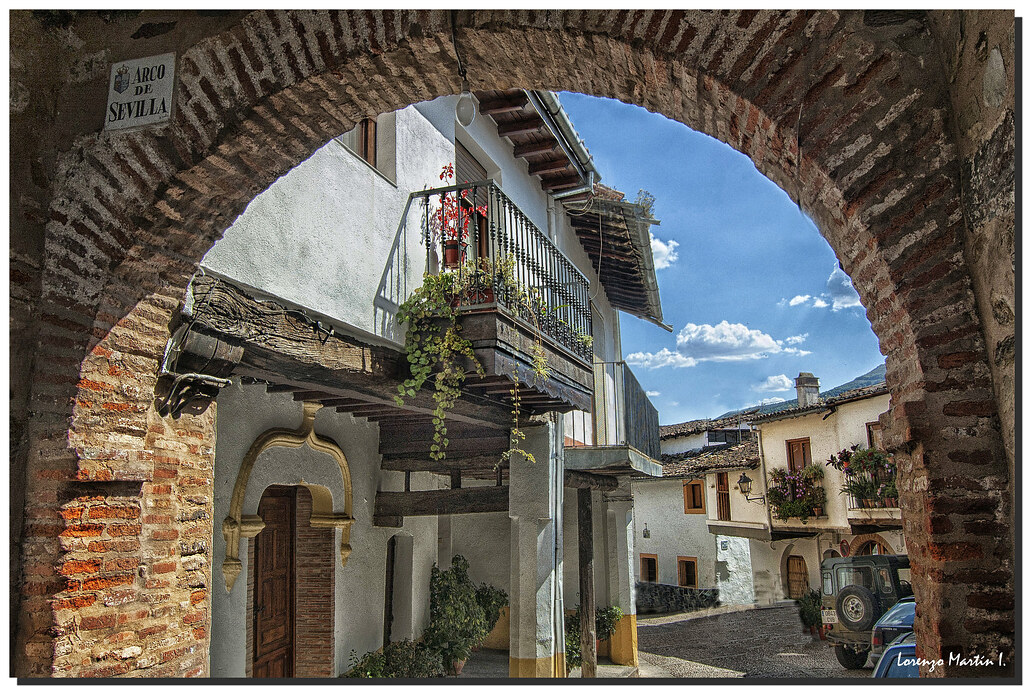
There is a pharmacy. There are everyday meeting points where people gather and talk. A bakery fills the air with the smell of fresh dough before the day fully begins. Directions are given in a way that only makes sense if you already belong: references to corners, slopes, or familiar landmarks rather than street names.
It is easy to slip into that rhythm, even briefly. A simple question about where to go can turn into a short exchange that reveals how the place works, not as a destination but as a lived-in community.
One suggestion captures that feeling well. A visitor, parking the car, is told to go up to the cemetery if they want to see something worth seeing. It might sound like a joke, but it is not.
The cemetery sits at the top of the hill. From there, the surrounding landscape opens out. The dehesa stretches away from the village, with holm oaks, dirt tracks and the occasional scattered property. It is the kind of view that rarely appears in brochures yet stays with you longer than many formal viewpoints.
How long to stay
Aliseda does not demand much time, and that is part of its appeal. A morning is enough to walk through it at an unhurried pace.
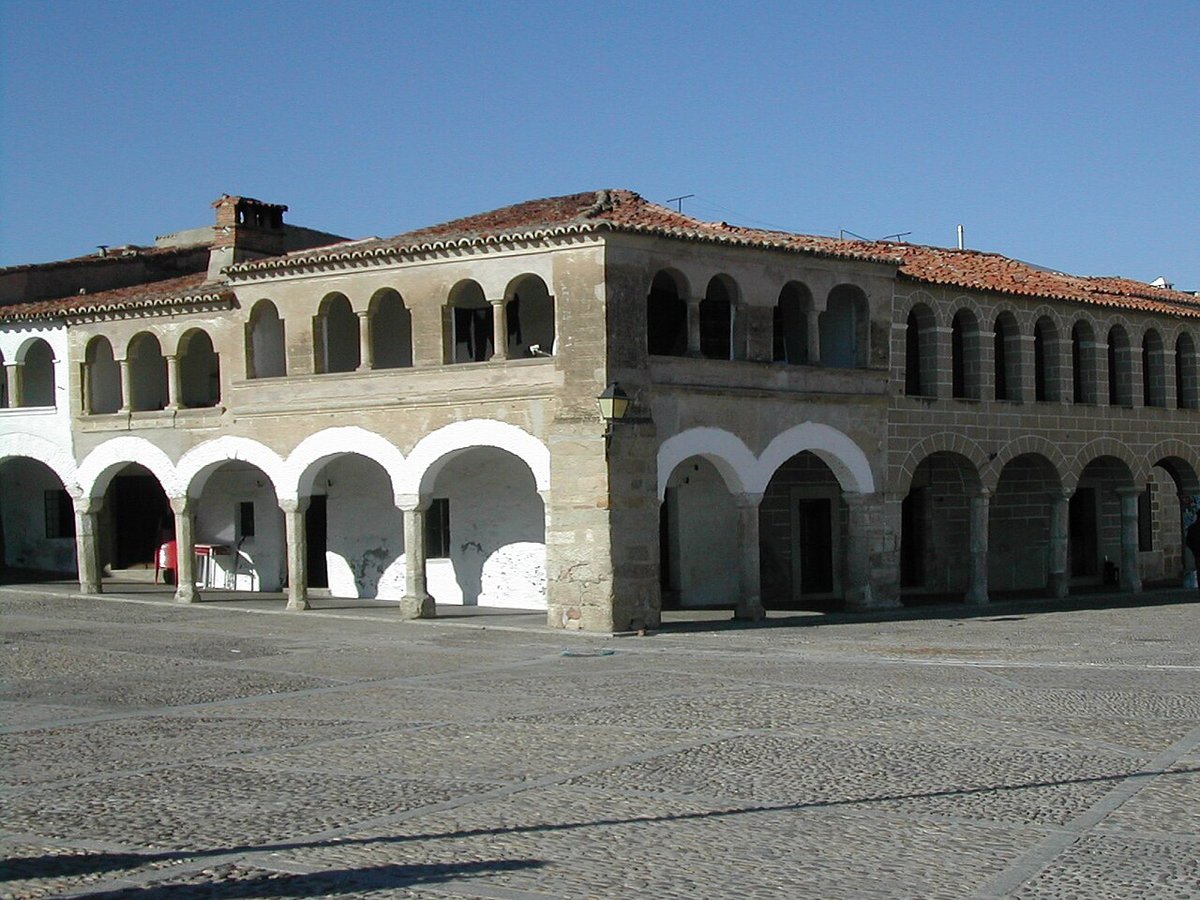
A wander around the main square, a look inside the church if it happens to be open, and a slow walk along the streets that rise and fall with the hillside give you a clear sense of the place. The path up to the cemetery adds a wider perspective, both literally and figuratively.
After that, the best option is simply to pause. Sit for a while, order a coffee, and listen. Conversations tend to drift naturally, and sooner or later someone will mention the treasure or share a story connected to it.
When it is time to leave, the impression is not of having ticked off a list of sights, but of having passed through somewhere that continues at its own pace. There is no elaborate setting for visitors, no need to explain itself in detail. It is simply Aliseda, exactly as it is.