Full Article
about Arroyo de la Luz
Pottery town famous for its horse races on Día de la Luz and its vast cattle pasture.
Hide article Read full article
A town that appears without fuss
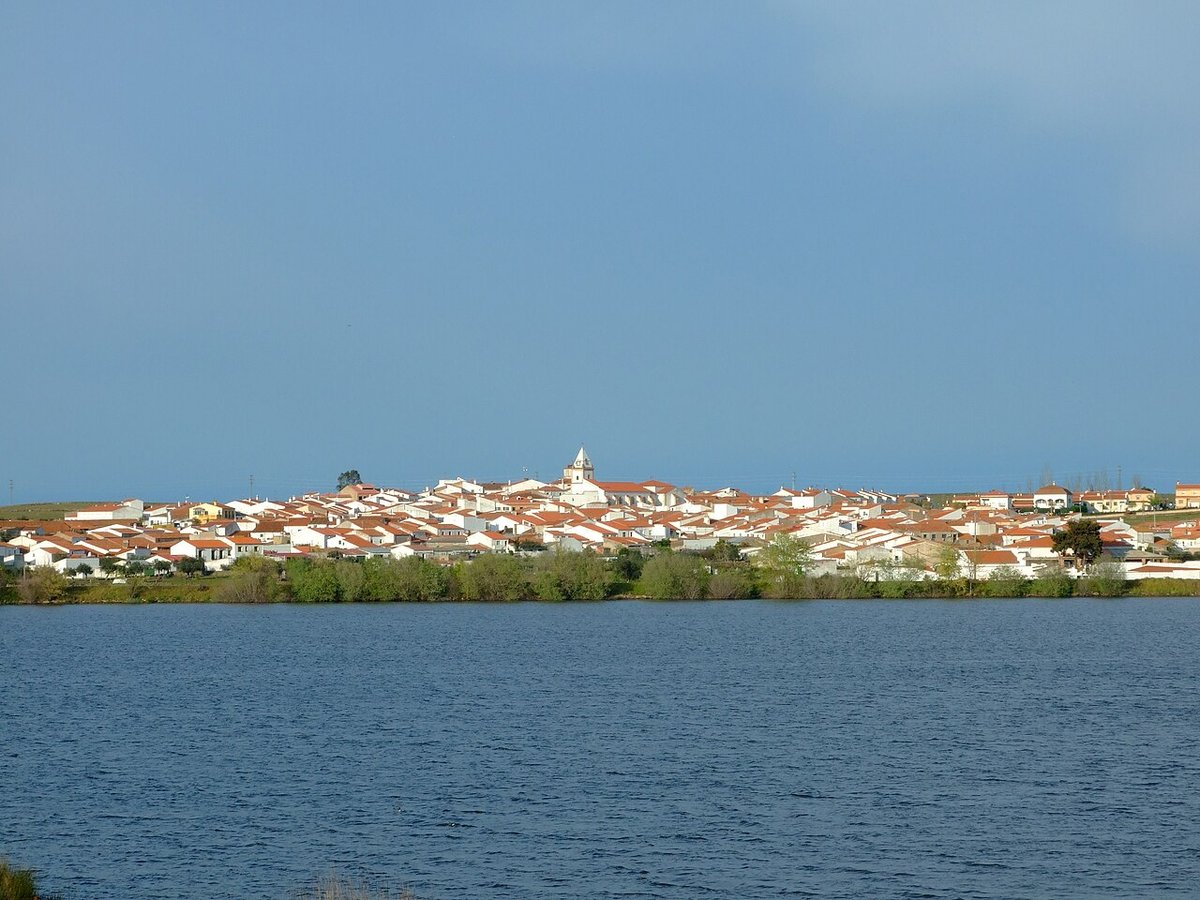
Arroyo de la Luz does not announce itself in grand ways. It simply arrives, almost unexpectedly, as the road leads you in. The town is larger than many in the surrounding area, with more than five thousand residents and a layout that feels deliberate. Streets run fairly straight, as if someone once planned them carefully rather than letting them grow at random.
There are no staged viewpoints or dramatic entrances. What you find instead is a place that carries on at its own pace, without trying to impress. That first impression sets the tone for everything else.
A Monday turned into a festival
Many towns have their patron saint celebrations. Arroyo de la Luz takes things further by turning Easter Monday into something much bigger.
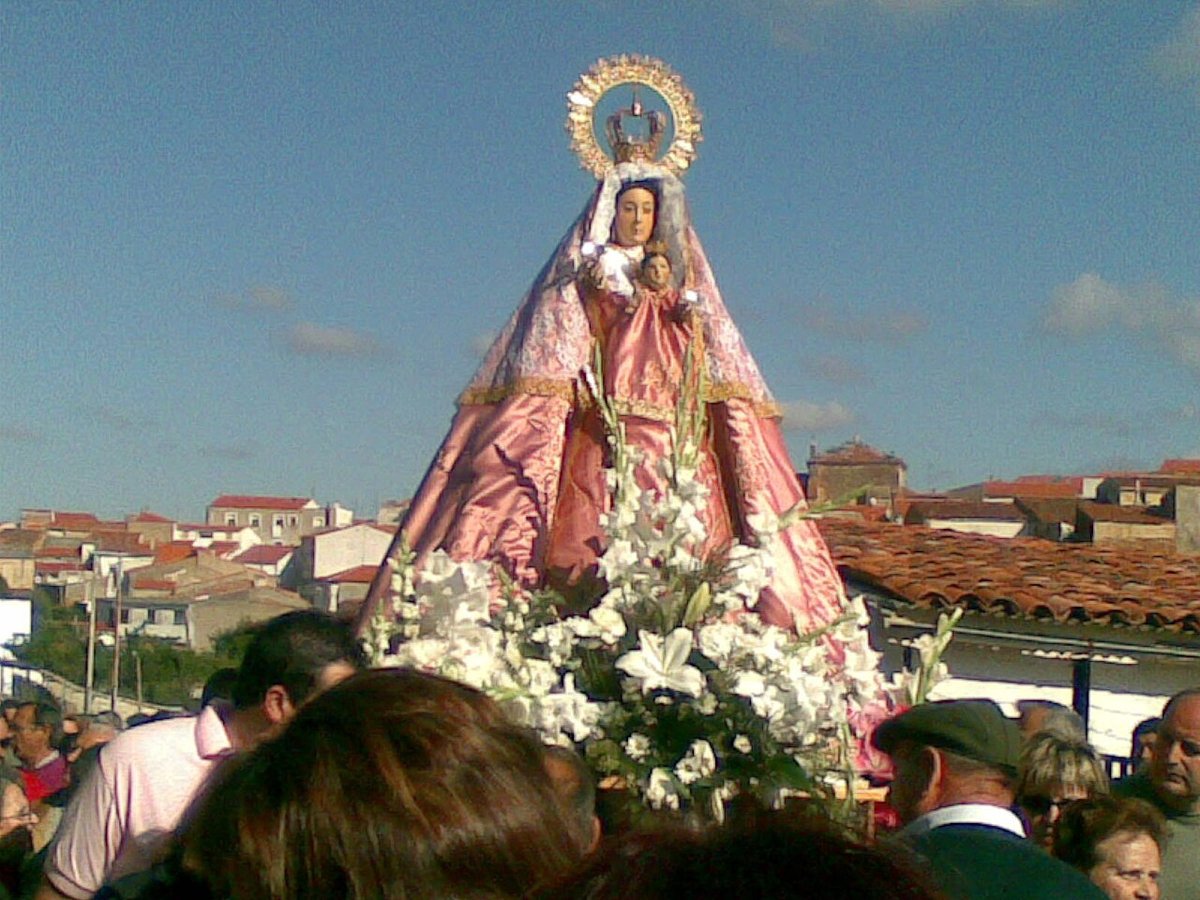
The Día de la Luz revolves around horses. On that day, Calle Corredera fills with people, and riders gallop through the crowd to applause and plenty of noise. It is not polished or choreographed. There is no attempt to turn it into a neat historical reenactment. The atmosphere is more direct than that, built from tradition, excitement, and neighbours who have been watching the same scenes since childhood.
The festival dates back centuries, at least to the late Middle Ages. Locals speak about it in a matter-of-fact way, as if it were simply part of the yearly routine. In the middle of all this, one story keeps coming up: that Charles V used to visit the area to fish for tench in the nearby ponds. Whether that happened often or not is unclear, but in Arroyo it is treated as accepted fact.
Traces from long before
Walking through Arroyo brings occasional reminders of how far back the area goes, even if they are not always presented in an obvious way.
In the surroundings there are prehistoric remains, including at least one dolmen well known in the region. There are also references to pre-Roman settlements and Visigothic remains within the municipality. Not everything is marked out or arranged for visitors. Some places are known more through local habit than through signs or explanations.
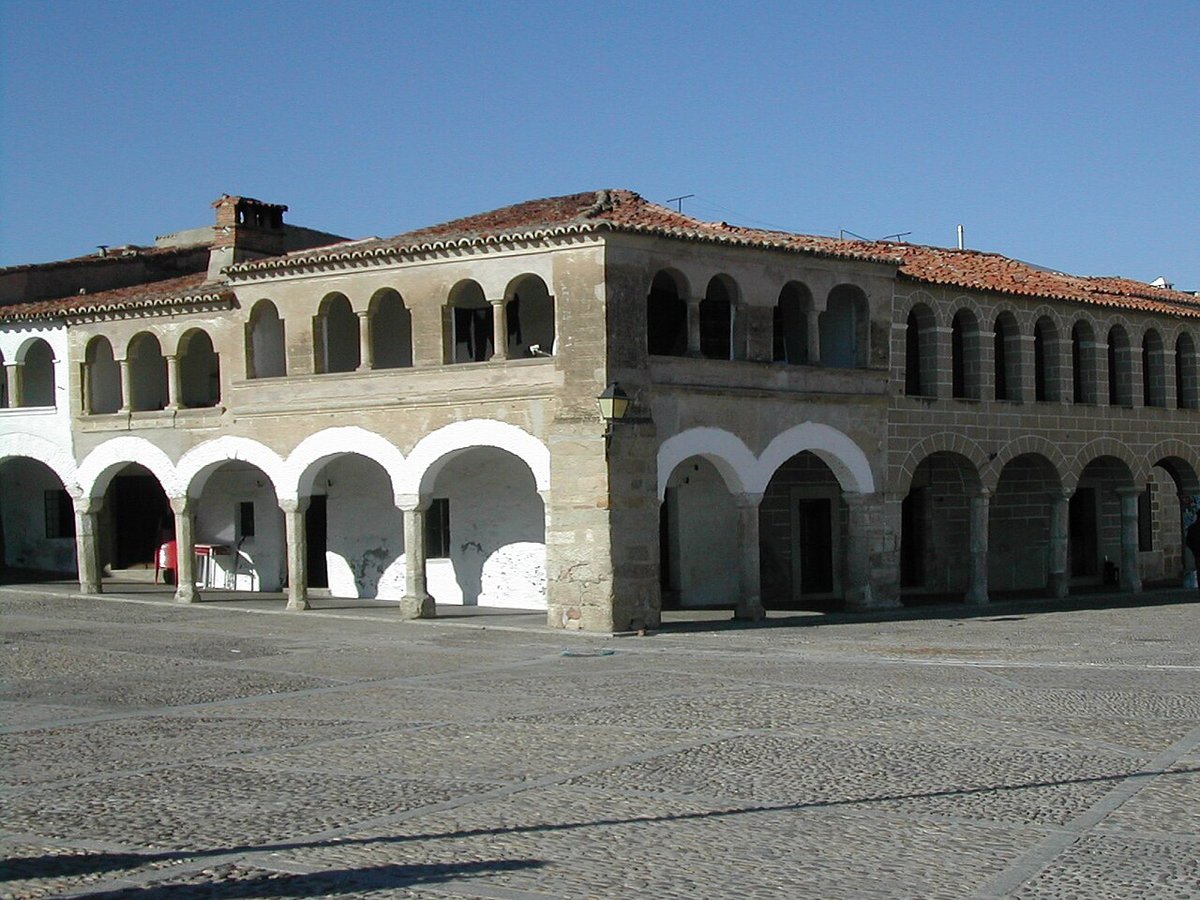
In the centre, one element stands out immediately: the Rollo de la Villa. This stone column rises in the square and dates from the 16th century. It once marked jurisdiction, a visible statement that authority rested with the local council. Today, many people walk past it without a second thought, though in its time it carried real weight.
A church with an unexpected presence
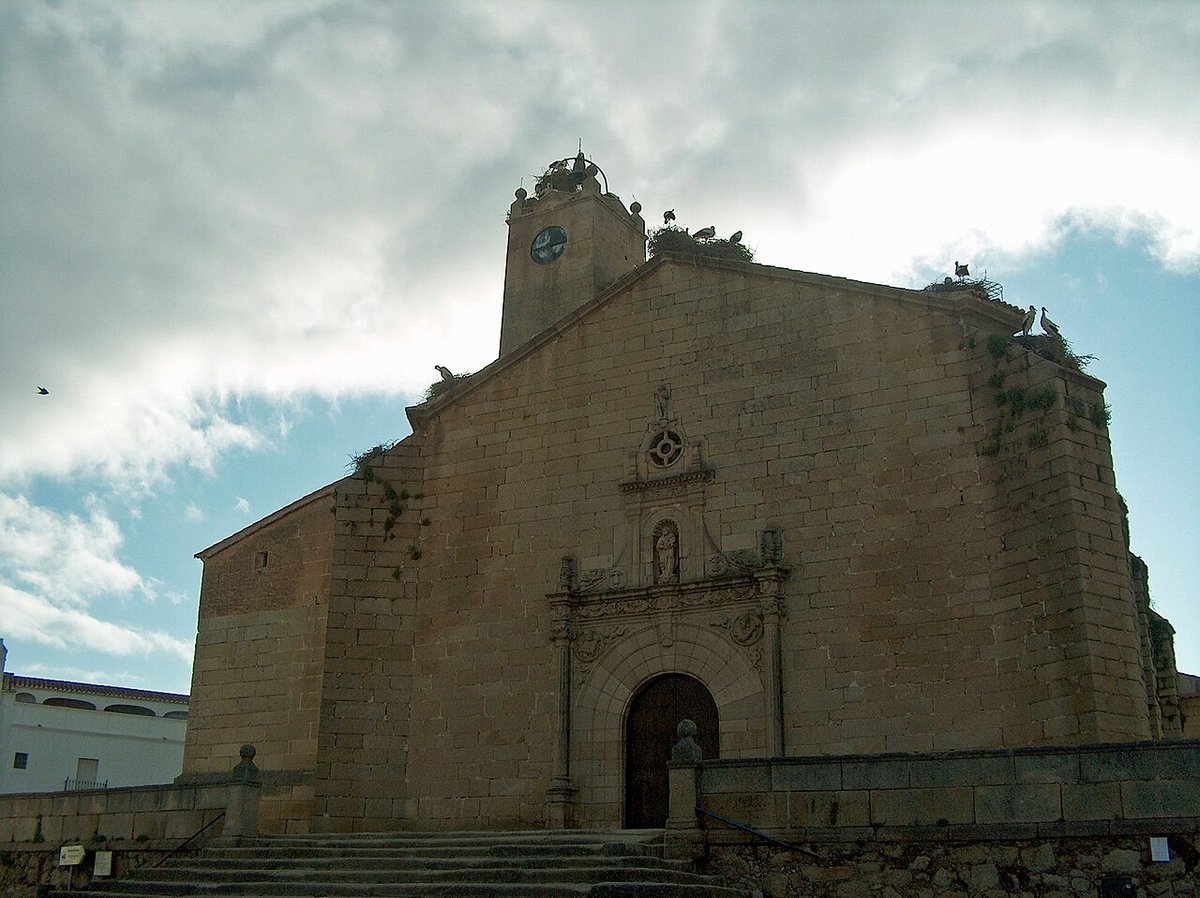
The Iglesia de la Asunción is the kind of place people might enter out of curiosity and end up spending longer than planned.
Inside, there is an altarpiece attributed to Luis de Morales, the painter known as “El Divino”. He created it during a stay in the town in the 16th century. The work includes panels and carvings of a kind often associated with major museums rather than a parish church in Cáceres.
Yet it remains there, part of the building rather than a separate exhibit. For local residents, it is simply something that has always been there, integrated into daily life rather than set apart from it.
Food that follows the calendar
Food in Arroyo de la Luz is tied closely to tradition and the rhythm of the year, rather than being presented as a visitor attraction.
Coles con buche has its moment in winter. The buche, which is cured pig’s stomach, is prepared without hesitation or embellishment. During the season of matanzas, when pigs are traditionally slaughtered, fresh morcilla is also common.
Then there is the tenca, a fish from the local ponds. In summer it is either fried or stewed and brings a noticeable buzz to the town. It is not considered refined, nor does it try to be. Its appeal comes from where it is caught and how it is prepared.
On the sweeter side, tortas de la Luz appear regularly. These are soft ring-shaped pastries with hints of aniseed and basil, and they have become closely associated with the town itself.
Beyond the streets: dehesa and stone
Step outside the urban area and the landscape shifts quickly. Holm oaks begin to dominate, stretching across the terrain.
The dehesa here is not presented as a scenic backdrop. It is working land. Dirt tracks cut through it, livestock moves across the fields, and ponds sit quietly among the trees. Silence tends to define the space, broken occasionally by a passing car or the movement of birds overhead. Several local routes cross this environment and can be followed on foot or by bike without much difficulty.
Not far away stands the Castillo de los Herrera. Built between the 15th and 16th centuries, it now hosts cultural activities. At times, it becomes the setting for a horror film festival known in Extremadura. Watching films in that setting adds a different kind of atmosphere.
Finding your way without a checklist
Arroyo de la Luz works best without a fixed plan.
A simple approach is enough: walk through the main square, step into the church, wander along quieter streets, then head out towards the ponds or into the dehesa. In a couple of hours, a clear sense of the town begins to form.
If the visit coincides with the Día de la Luz, it is worth keeping some distance from the centre by car. Calle Corredera fills with people and horses, and the intensity of the day changes the usual rhythm. That is also when the town feels most itself.
On an ordinary day, the experience is different. Everything moves more slowly. Conversations unfold without hurry. The sense that life continues here, with or without visitors, becomes the most defining feature of Arroyo de la Luz.