Full Article
about Casar de Cáceres
Birthplace of the Torta del Casar; village with distinctive vernacular architecture and a cutting-edge bus station
Hide article Read full article
A town shaped by cheese
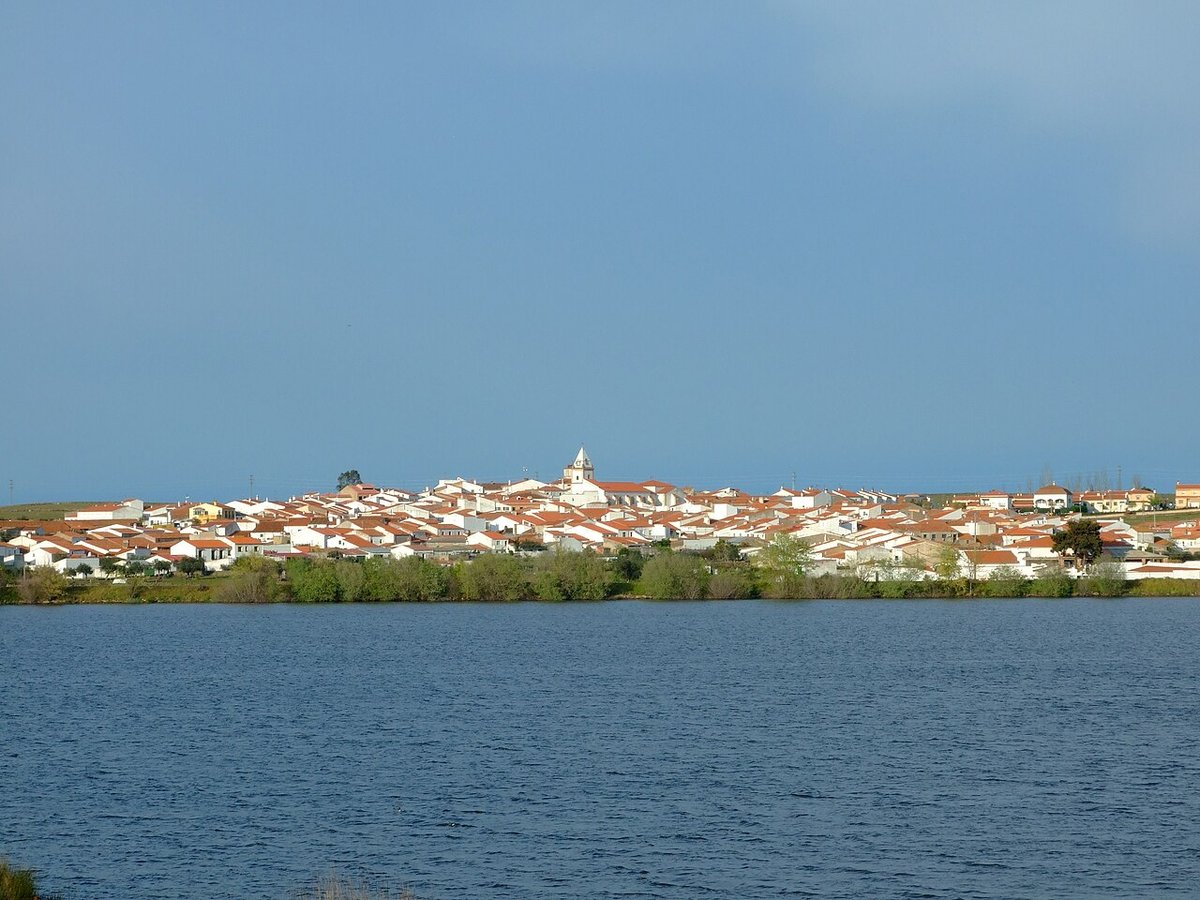
Casar de Cáceres does not rely on grand viewpoints or postcard streets. What defines it is something far more immediate: the smell of curdled milk and a cheese known as Torta del Casar. From the outside it can look slightly collapsed, almost like a cake that did not quite hold its shape. Then the top is cut open and the inside changes everything, with a texture that makes people pause for a moment before carrying on.
This is a place where food leads the experience. The town itself is modest, but that modesty feels deliberate. The rhythm is slow, and attention naturally turns to what is being made and eaten rather than what is being photographed.
The Torta and how it’s made
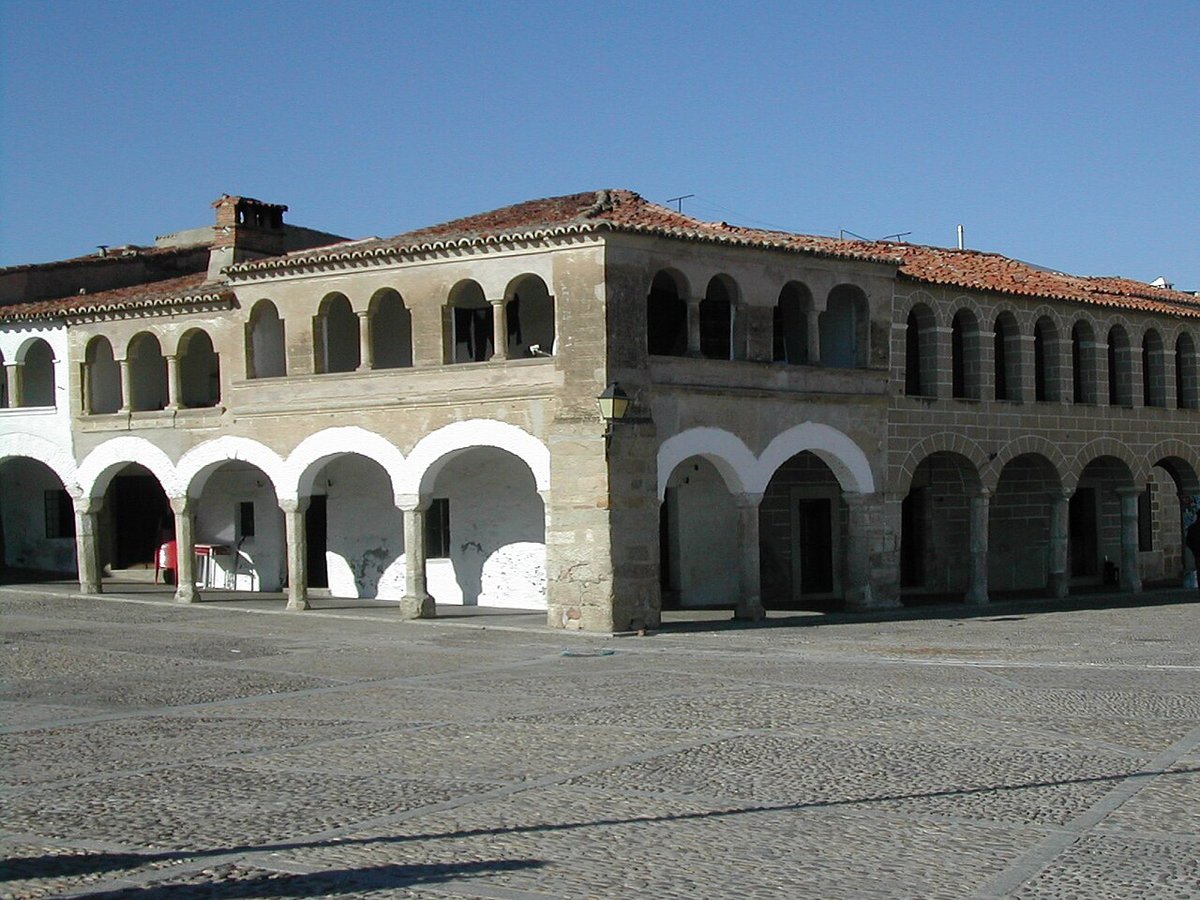
In the main square, close to the town hall, stands the Museo del Queso. Its location feels intentional, almost like a statement of priorities. The museum is small and easy to walk through, with a few rooms, information panels and some audiovisual material. It does not take long to visit, but it explains why Torta del Casar is valued as it is.
The cheese is made from merino sheep’s milk, using a vegetable rennet derived from cardoon thistle. The process is less about a fixed recipe and more about accumulated practice passed down over time. That balance between method and tradition helps explain its particular character.
There is also a simple piece of advice often repeated locally: if the torta is not soft, it is not worth buying. The texture matters. When ready, it should almost spill out once the top is cut.
Its flavour lingers. There is a slight bitterness at the end, coming from the cardoon, which gives it personality. Local stories link the cheese to historical figures such as Charles V, who is said to have appreciated it. In contrast, the tenca, another product closely associated with the town, did not enjoy the same reputation centuries ago.
Calle Larga and traces of the past
Away from the square, Calle Larga offers a different perspective. This broad street follows the route of the old Vía de la Plata, the corridor that once connected Mérida with the north of the Iberian Peninsula. Today it is lined with low houses and carries a calm, everyday atmosphere.
It is not difficult to imagine movement along this route, even if the Roman presence now exists only in its outline. The sense of continuity is subtle rather than dramatic.
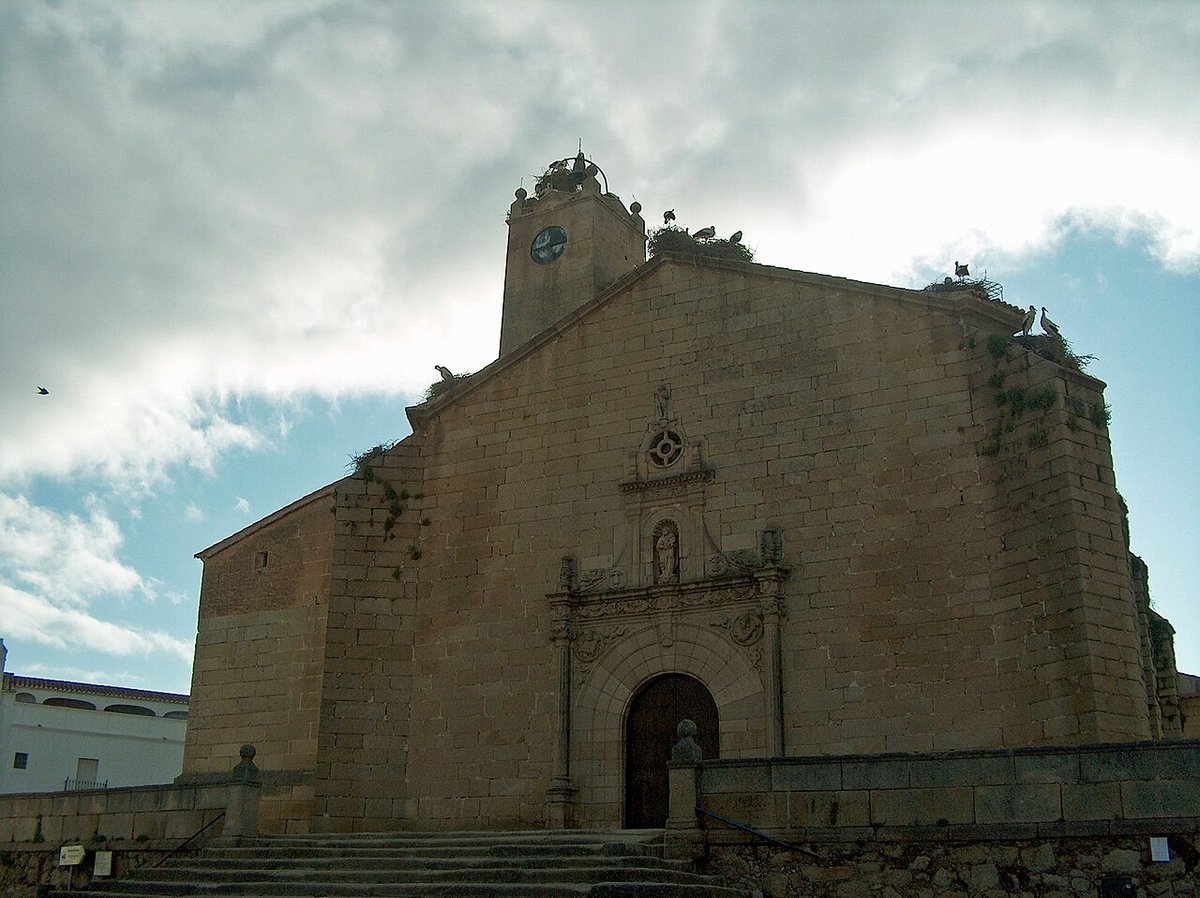
At the end of the street stands the Iglesia de la Asunción. Its origins are medieval, although the building has been altered many times. Different periods can be read in its structure. Inside, the light is dim, with the faint smell of wax and the quiet typical of a parish church during the week. A Gothic altarpiece draws immediate attention.
The visit is usually brief. The contrast between the interior and the brightness outside encourages a quick return to the street.
Hermitages, water and local stories
The surrounding area includes several hermitages scattered across the countryside. This follows an older pattern of building small religious sites around a town rather than concentrating them in one place. Reaching them can be less straightforward, especially under the intense afternoon sun typical of Extremadura.
Among those closer to hand are the hermitage of Santiago, notable for its solid stone entrance, and that of La Soledad, which is much more understated. Others lie further out, spaced across the landscape.
Within the town itself, the Paseo de la Charca offers a quieter setting. It follows a water channel linked to an old hydraulic work built centuries ago to supply the town. Today it functions more as a place to sit and talk. Older residents gather there, often discussing everyday concerns such as drought.
Stories circulate easily in these conversations. One that still comes up is about a former local teacher, Ángel Rodríguez. According to those who remember him, he dressed like a figure from classical Greece and spoke Latin aloud in the street. Opinions are summed up simply: unusual, but a good person. He reportedly wrote thousands of verses, though they are not easy to find.
Tenca and seasonal celebrations
Casar de Cáceres also revolves around its calendar of festivities. One of the most distinctive is the Fiesta de la Tenca, held towards the end of August. During those days, the town fills with the smell of fish being fried or prepared in escabeche, a traditional marinade.
The tenca has many supporters locally. It is described as crisp on the outside, with flesh that recalls sardines but is firmer in texture. Its reputation has clearly changed over time.
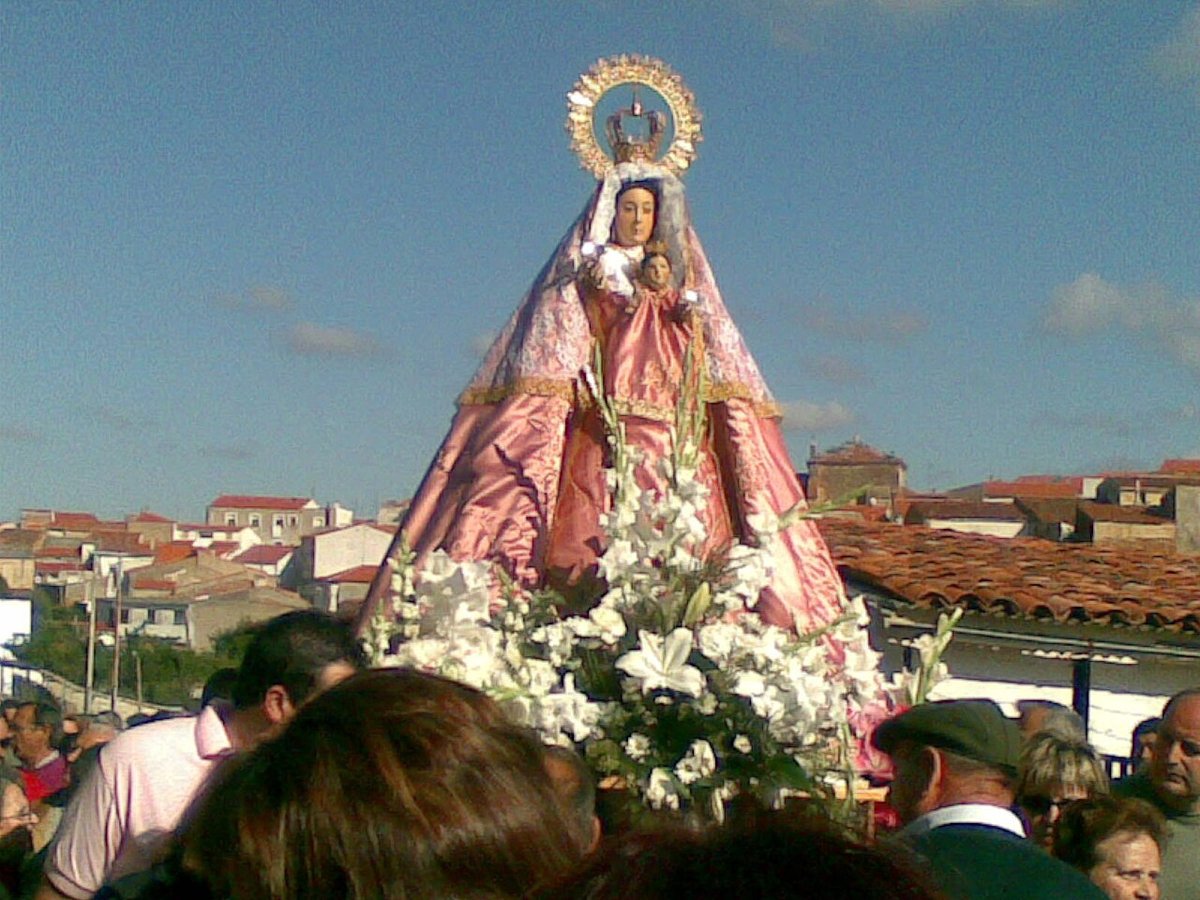
Other celebrations include the romería del Prado, which usually takes place at Easter and brings much of the town out into the countryside, and El Ramo in early September, linked to the end of the harvest. These are events that make more sense when seen in person, when the social side of the town becomes more visible.
Getting there and keeping it simple
Casar de Cáceres lies about fifteen minutes by car from the city of Cáceres, along the road heading west. It is an easy detour for anyone already travelling in the area.
For those arriving by bus, the station stands out for its concrete architecture. It is not something that goes unnoticed.
Time here does not need careful planning. A straightforward approach works best: arrive in the morning, visit the cheese museum, then find some bread and a torta and sit in the square without rushing. Afterwards, a walk along Calle Larga and a look inside the church give a sense of the place. If the heat rises, the route towards the Charca offers a slower pace.
On some days there may be a market or local stalls selling cheese and regional sweets, though this depends on timing rather than a fixed schedule.
Casar de Cáceres is not about ticking off landmarks. It is a place for a pause, centred on a food that feels very different from anything bought in a supermarket. In the end, much of the town seems to revolve around that cheese, with everything else falling into place around it.