Festejo taurino en Casas de Millán.jpg
Thecrasher83 · CC0
Extremadura · Meadows & Conquerors

Casas de Millán

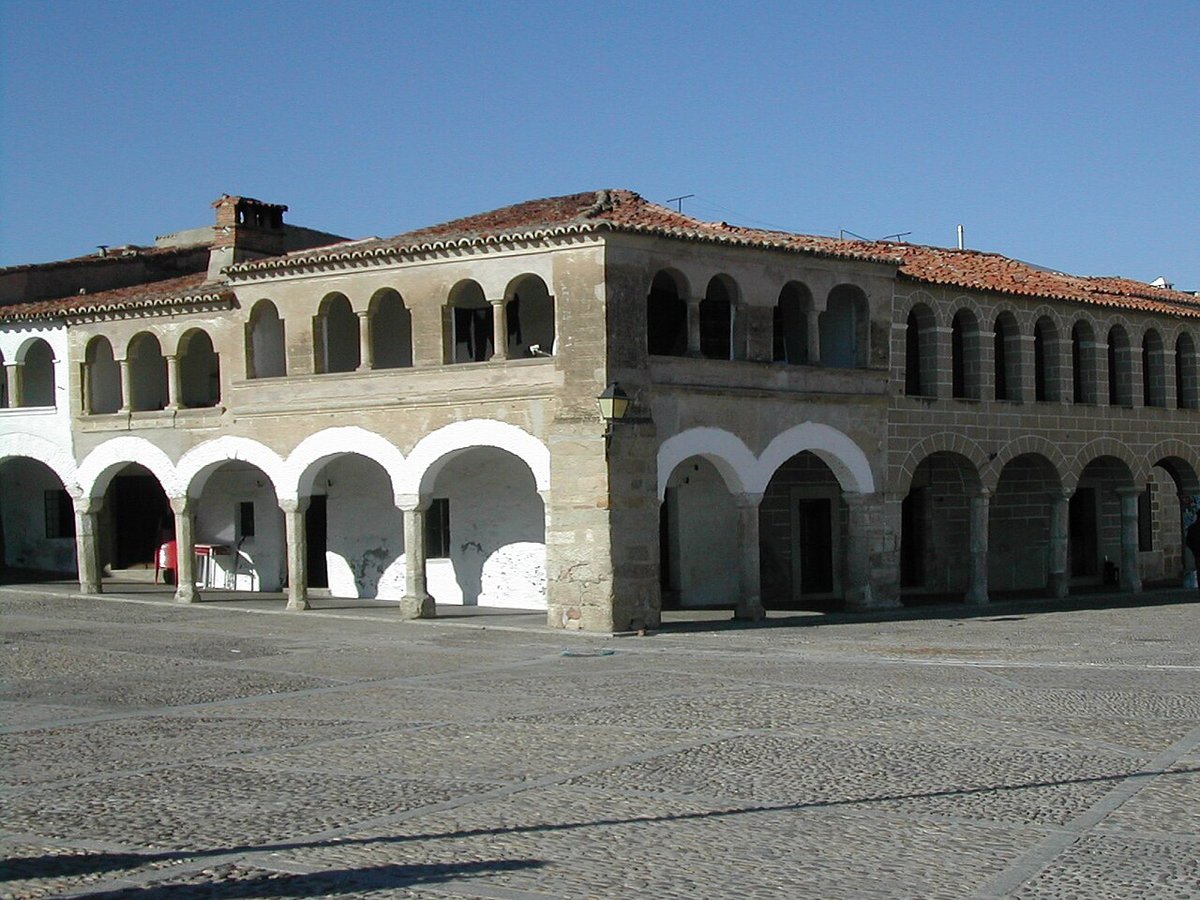
The church bell strikes eleven and the only reply is a cockerel that has lost track of time. In the wedge-shaped plaza, two men play dominoes with ...

536 inhabitants · INE 2025
489m Altitude

Why Visit

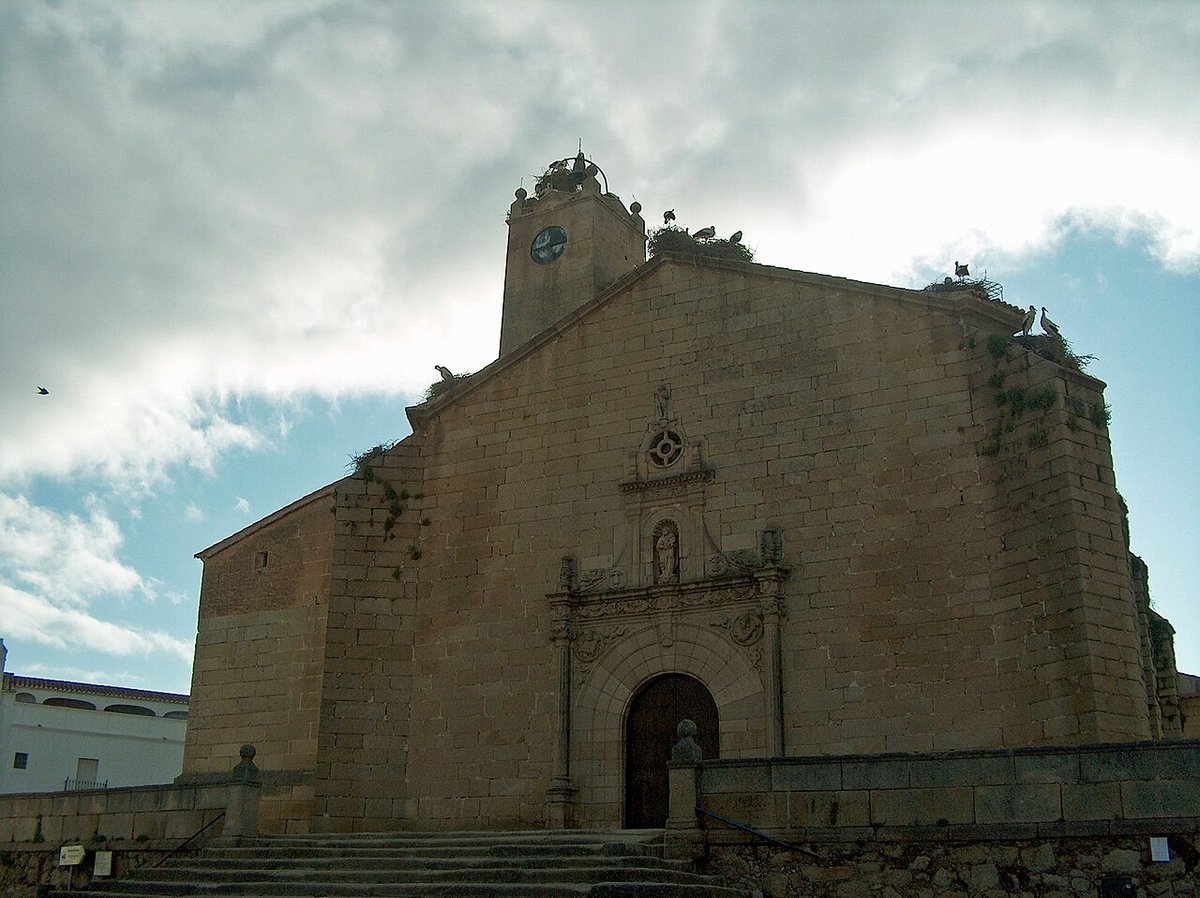
Church of San Nicolás Pilgrimage to Tebas

Best Time to Visit

spring

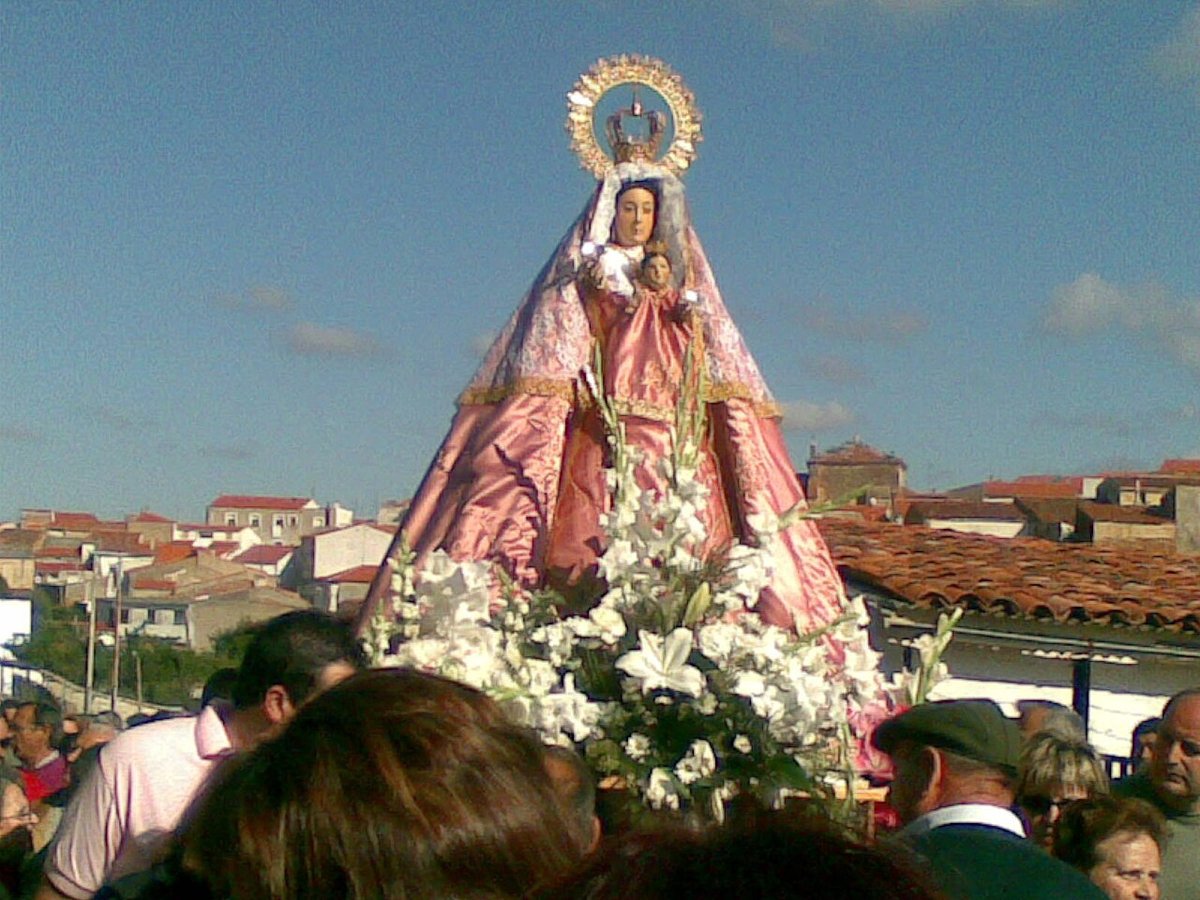
Pilgrimage to the Virgin of Tebas (May) mayo

Things to See & Do
in Casas de Millán

Heritage

  • Church of San Nicolás
  • Hermitage of Tebas

Activities

  • Pilgrimage to Tebas
  • Hiking

Festivals
& & Traditions

Fecha mayo

Romería de la Virgen de Tebas (mayo)

Las fiestas locales son el momento perfecto para vivir la autenticidad de Casas de Millán.

Full Article
about Casas de Millán

Mountain municipality with farming and livestock tradition; set among dehesa and scrubland.

Ocultar artículo Leer artículo completo

The church bell strikes eleven and the only reply is a cockerel that has lost track of time. In the wedge-shaped plaza, two men play dominoes with the leisurely pace of people who know the day has nowhere else to be. This is Casas de Millán, half an hour’s detour south of the A-66, the motorway that funnels coaches between Madrid and the Atlantic coast. Most traffic flashes past without noticing the turn-off; those who take it are usually looking for the Monfragüe Biosphere Reserve, 20 km further on, and treat the village as an overnight halt rather than a destination. That suits the 500 inhabitants fine.

Stone, Cork and Silence

The houses are the colour of toast, roofed with cinnamon-coloured Arabic tiles that have weathered to pewter at the edges. Whitewash appears only as an accent around windows and doorways, a reminder that this is Extremadura, not Andalucía. Streets climb and drop with the granite outcrop the settlement sits on; every so often a narrow alley opens into a pocket-sized square where someone has parked a tractor next to a fig tree. The parish church, finished in 1789, anchors the highest point. Its tower serves as the local OS grid reference: lose the footpath on the surrounding cork-oak savannah and you simply aim for the square block of masonry glinting above the treeline.

That savannah—dehesa in Spanish—is what people come for, even if they don’t realise it at first. Holm and cork oaks are spaced like parkland, their trunks thick enough to absorb a forearm-span hug. Between them the grass is kept short by black Iberian pigs, tawny cows and the occasional goat herd whose bells clonk in baritone harmony. The land looks wild but isn’t; every tree is owned, the cork harvested on a nine-year rotation and the acorns prized for jamón ibérico. Public footpaths strike out from the top of the village; within ten minutes the last roof is behind you and the loudest sound is bee-eaters discussing the weather.

What Passes for Activity

There is no ticket office, no interpretation centre, no gift shop selling fridge magnets. Instead you get a choice of three signposted walks—4 km, 8 km and 14 km—whose waymarks are white painted dashes on boulders. The shortest loop ambles past a granite tor nicknamed El Fraile because, with enough sun in your eyes, it resembles a hooded monk. The longer circuits drop into the Almonte valley where griffon vultures tilt on thermals above the river. None of the paths is strenuous, but after rain the red clay sticks to boots like freshly chewed toffee. A stick helps; so does accepting that your trainers will never be the same colour again.

Bird-watchers bring tripods and patience. Booted eagles and black kites are routine here; in May you might hear the cuckoo that Spanish villagers call “the lying bird” because its song promises money that never arrives. Binoculars also come in handy for spotting the stone curlew, a bird whose huge yellow eyes look permanently startled. Walk softly: the dehesa is private land and farmers don’t appreciate gates being left open. A cheery “Buenos días” works wonders if you meet a landowner on a quad bike; most will point out where the pigs are wallowing that morning.

Back in the village the only commercial activity is a single-bar shop that doubles as the bread depot. It opens at nine, closes at two, reopens at five and keeps Saturday evening hours that could politely be called whimsical. There is no cash machine; the nearest ATM is 12 km away in Serradilla, so fill your wallet before you arrive. Mobile reception is equally parsimonious: Vodafone and EE flicker between one bar and nothing unless you stand in the church square and hold your phone at the angle of someone trying to catch rain in a sieve.

Food Without Fanfare

Casas de Millán will never threaten the Michelin guide. What it does offer is Casa Paco, a bar with four tables, a television permanently tuned to horse racing, and a kitchen that understands the British need for something that isn’t drenched in smoked paprika. Ask for pollo a la plancha con patatas fritas and you’ll get a plain grilled chicken breast, golden chips and a salad that hasn’t seen a chilli flake in its life. Local specialities are available if you’re feeling brave: caldo de papas, a garlicky potato broth that tastes like Hug-in-a-Mug, and torta de casar, a runny sheeps’ cheese that smells like socks but melts into nectar on toast. Request it “suave” if you prefer the mild version; the waiter will still raise an eyebrow but will oblige.

Dinner service starts at nine, sometimes nine-thirty, and finishes when the last customer leaves. On weekdays you need to book by mid-afternoon; otherwise the kitchen switches off the fryer and the owner goes home to watch the football. Sundays are complicated. If the village is hosting a christening or a funeral the bar opens; otherwise the shutters stay down and you’ll be making sandwiches with yesterday’s baguette. Stock up in Plasencia on the way if you’re arriving at the weekend.

When to Come, When to Stay Away

April and late October are the sweet spots. The dehesa is either bright green or the colour of burnt sugar, temperatures hover around 20 °C, and night skies are clear enough to read a map by starlight. Summer is feasible if you pace yourself: walk at dawn, siesta through the midday furnace, venture out again after seven when the shadows lengthen and the pigs emerge to root for acorns. Mid-July to mid-August the village hosts its fiesta patronal—one evening of fireworks, two of live music and a foam party that looks surreal when the disco lights bounce off the church stone. Accommodation is booked months ahead by Spanish families returning to their grandparents’ houses; if you haven’t reserved one of the two rural apartments you’ll be sleeping in the car.

Winter is honest rather than pretty. Days are short, mists cling to the valley until lunchtime and the granite houses leak cold like old fridges. On the other hand you get the place to yourself, apart from retired men arguing over cards in the bar and the occasional hunter in hi-vis loading wild boar into a pickup. Bring a fleece, waterproof shoes and a sense of humour; the reward is log-fire cooking and night skies so dark the Milky Way feels like a ceiling about to drop.

The Practical Bit, Woven In

Casas de Millán sits 60 km west of Cáceres and 205 km from Madrid. The drive from the capital is motorway almost all the way: A-5 to Navalmoral, then A-66 south for twenty minutes before peeling off on the EX-390. Public transport is fiction; the once-daily bus from Plasencia doesn’t run on Sundays and the taxi driver in Serradilla charges €35 for the hop. Cyclists following the Monfragüe loop appreciate the village because it has the only repair pump between Plasencia and Torrejón el Rubio—stand beside the town hall and look for the black hose coiled like a sleeping snake.

Accommodation is limited to two self-catering cottages and three rooms above Casa Paco. Prices hover around €70 a night for a two-bedroom house with kitchen, terrace and Wi-Fi that works if the wind blows from the east. Book through the Extremadura rural tourism site; confirmation arrives in Spanish, but Google Translate suffices. Check-out is noon and nobody rushes you: leave the key on the dining table and pull the door until it clicks.

Leaving Without a Souvenir

There is nothing to buy, and that is the point. You leave with clay on your shoes, the smell of woodsmoke in your hair and the memory of a place where time is measured by church bells rather than push notifications. Some travellers rejoin the A-66 the next morning feeling restored; others decide the village is too quiet, too remote, too indifferent to their need for entertainment. Both reactions are correct. Casas de Millán doesn’t try to charm; it simply continues its slow orbit between cork harvest and pig slaughter, between the first swallow in March and the last chestnut in November. Turn up, walk softly, and for a few hours you can orbit with it.

Key Facts

Region
Extremadura
District
Tajo-Salor
INE Code
10056
Coast
No
Mountain
No
Season
spring

Livability & Services

Key data for living or remote work

2024
ConnectivityFiber + 5G
TransportTrain station
HealthcareHospital 26 km away
Housing~6€/m² rent · Affordable
Sources: INE, CNMC, Ministry of Health, AEMET

Planning Your Visit?

Discover more villages in the Tajo-Salor.

View full region →

More villages in Tajo-Salor

Traveler Reviews