Full Article
about Ceclavín
Town ringed by rivers, rich in architecture and deep-rooted traditions.
Hide article Read full article
Arriving and getting around
If you are coming to Ceclavín, the first thing to think about is the car. The usual approach is to park on the wider streets near the entrance to the village or close to the Plaza del Ayuntamiento. From there, everything is within easy walking distance.
The layout is straightforward. There is a main street, a few side streets and some gentle slopes. In less than half an hour you can cover the essentials without rushing.
There are no dedicated visitor areas or clearly marked car parks. People simply leave their car on a broad street and continue on foot. In the centre, streets narrow and passing traffic can make things awkward. If you find a space in the upper part of the village, it is easier to leave the car there and walk down.
In summer, there is a bit more movement in the late afternoon, but even then parking rarely becomes a real problem.
Around the main square
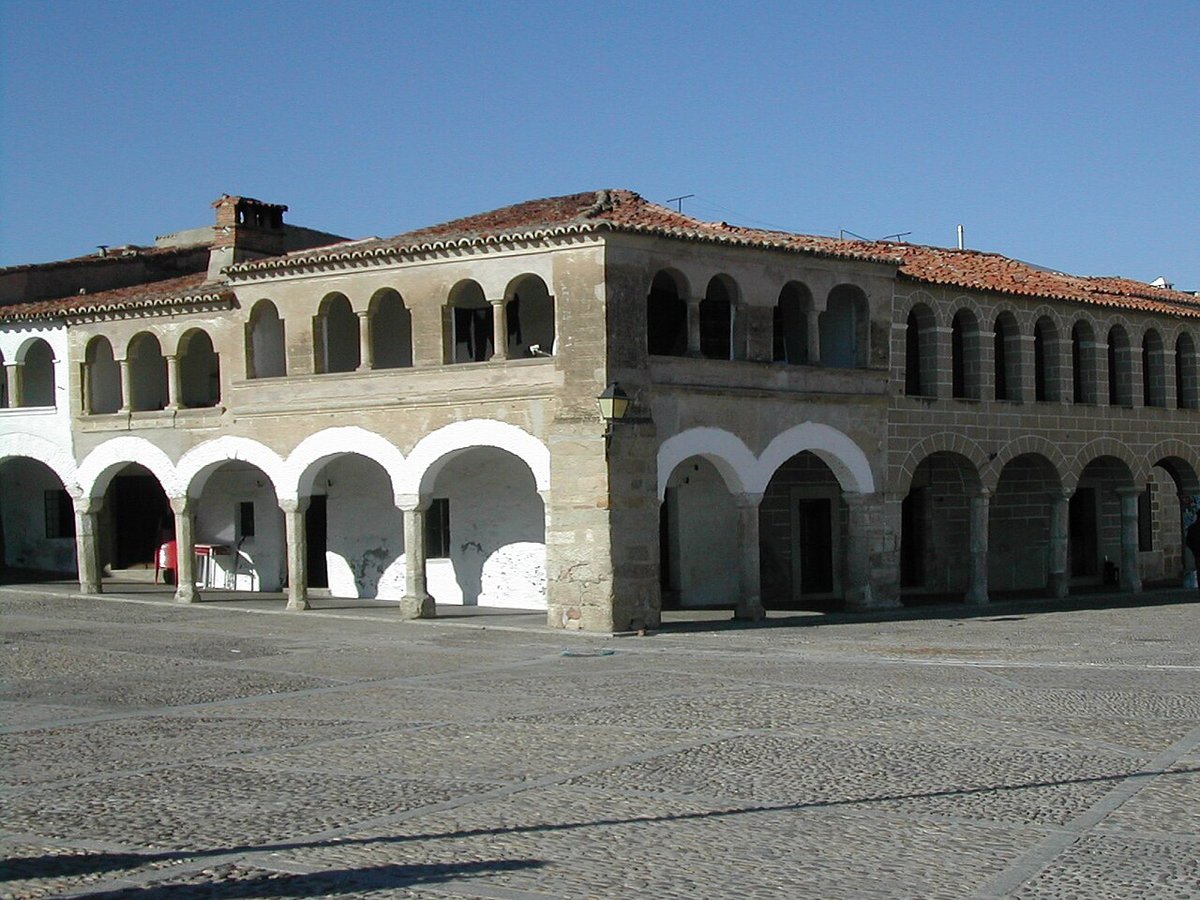
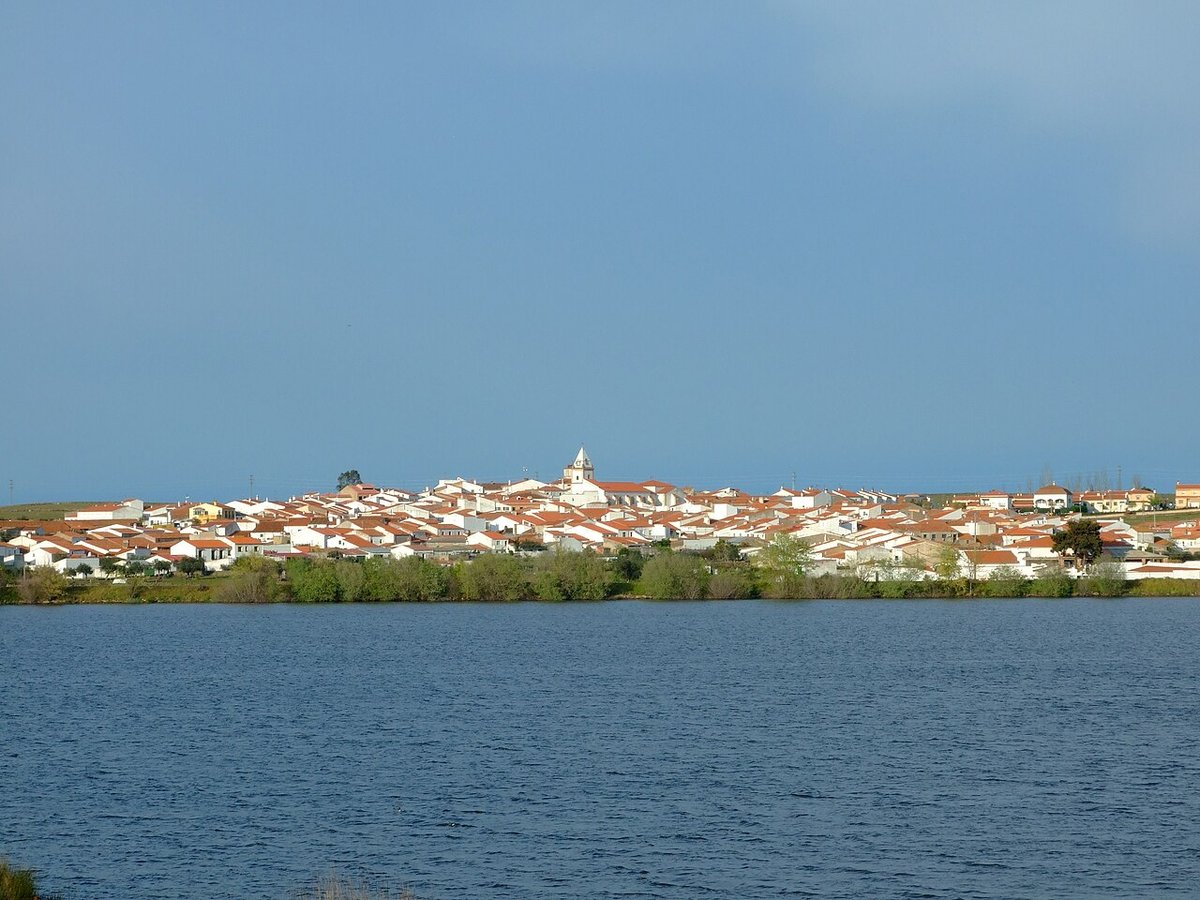
The Plaza Mayor gathers most of what there is to see. It is lined with two-storey white houses, simple arcades and benches where locals sit as the day cools. This is not a grand square. It is a functional village space, used as a meeting point.
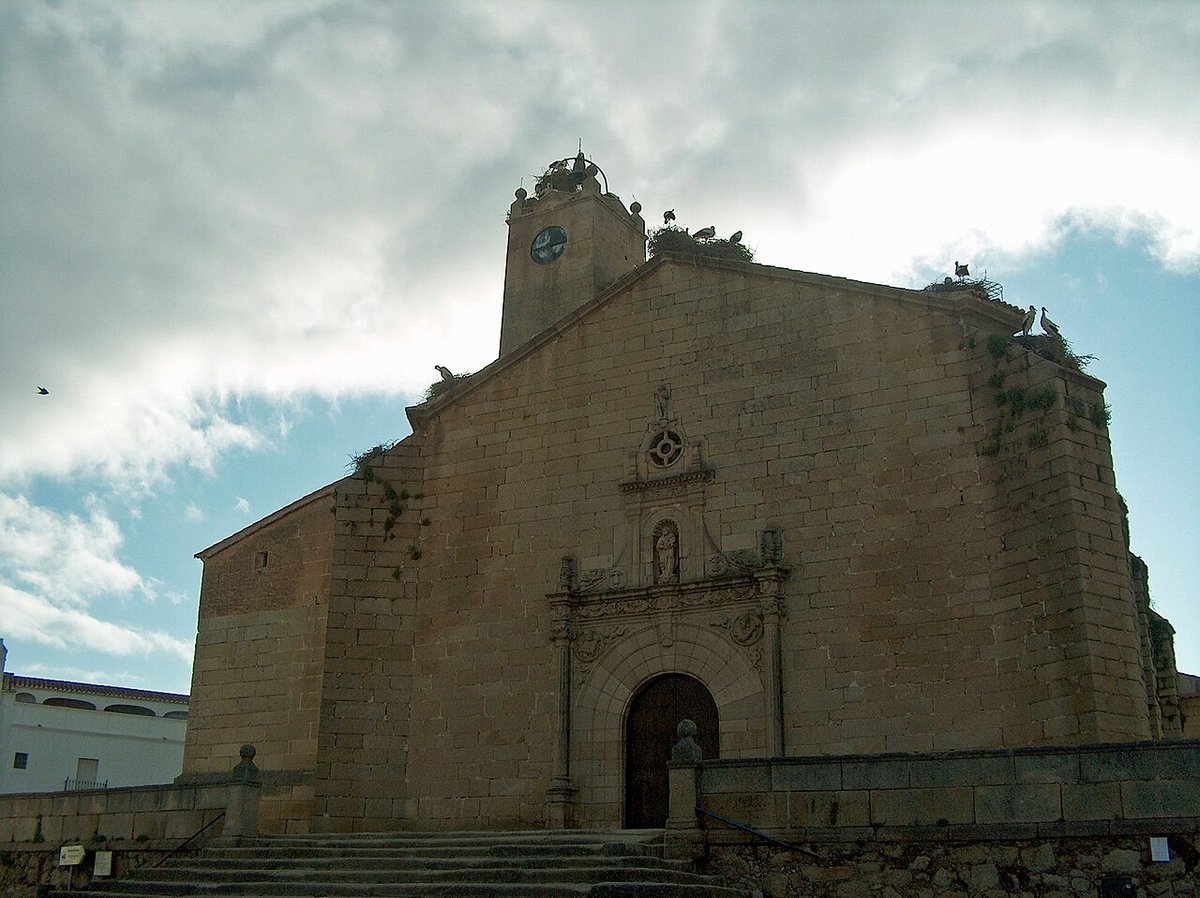
Just a few steps away stands the church of Nuestra Señora de la Asunción. From the outside it is a fairly austere stone building. Inside, there are Baroque altarpieces and a number of religious images. If the door is open, it does not take long to look around.
Beyond that, the experience is about wandering the streets for a while. There are no major landmarks or museums. Ceclavín leans more towards everyday life than eye-catching heritage.
The countryside beyond
As soon as you leave the village, the landscape opens into dehesa, the traditional pastureland of this part of Spain. Holm oaks and cork oaks are scattered across large estates used for livestock. Iberian pigs are raised here, and hunting also takes place in season.
Do not expect signposted routes or prepared viewpoints. These are working rural tracks. Some are open, others lead to private land with gates or fences.
If you plan to walk or cycle, it is sensible to ask locally beforehand. After rain, the ground can become very muddy and difficult to navigate.
At certain times of year, cranes and other birds pass through the area. There are no dedicated observation points or facilities. Anyone interested in birdlife will need little more than patience and a pair of binoculars.
Food and daily life
The local food follows the patterns of Extremadura. Iberian pork products are common, along with meat stews, cold soups when the heat builds, and goat’s cheese.
There is no sense of elaborate cooking. Ingredients come from the pantry and the season. In the village shops you will find bread, preserves and basic everyday supplies.
In autumn, if the year has been wet, saffron milk caps appear under the oak trees. Many residents go out to collect them. If you are not familiar with wild mushrooms, it is best not to guess.
When to come and what to expect
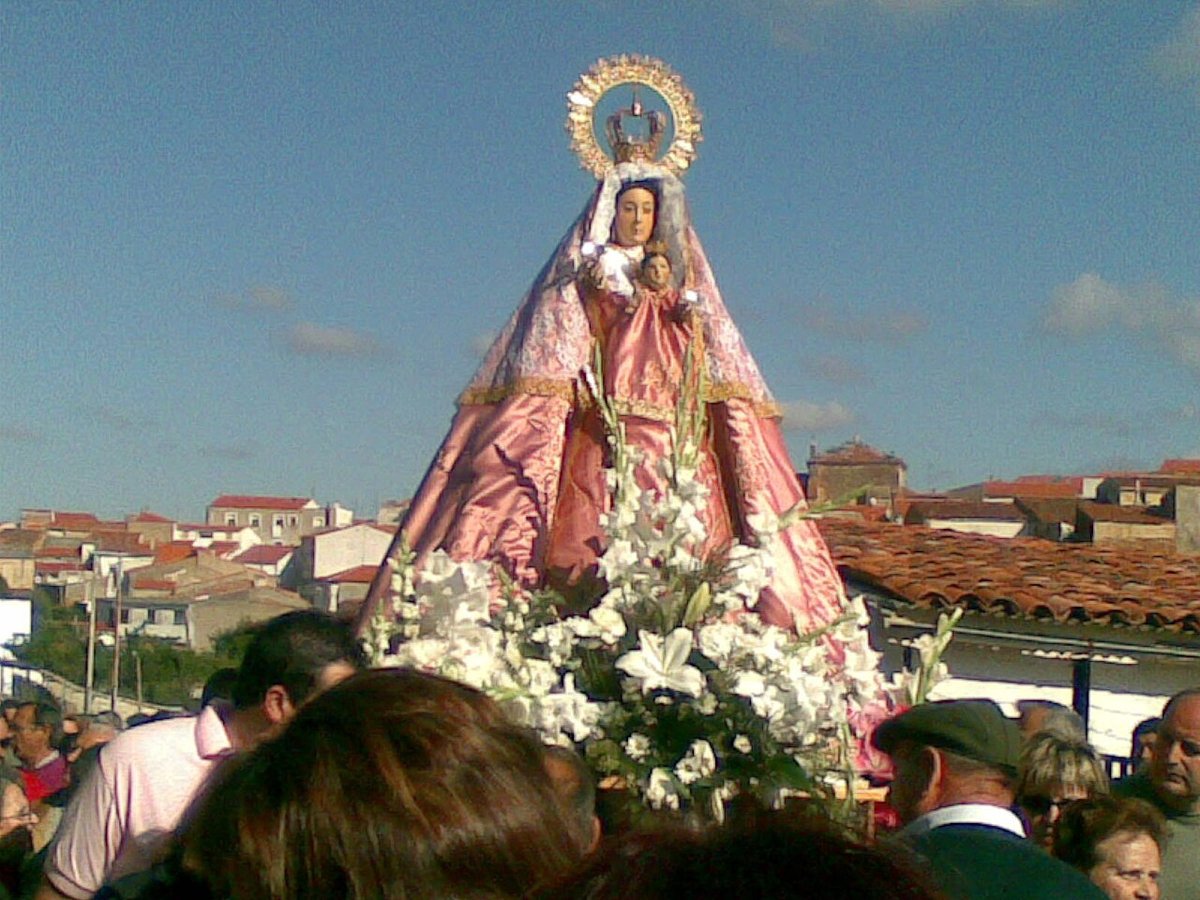
The main festivities usually take place in August. During those days, the village fills up more than usual. People who live elsewhere return, and the square becomes busier.
For the rest of the year, life moves quietly. On summer nights you can hear children playing in the street and neighbours talking outside their homes. Little else interrupts the rhythm.
Ceclavín is not a place that fills several days on its own. It is quickly seen. It works better as a short stop or as a base for exploring this western part of Cáceres. With that expectation, it fits. If you are looking for a long list of sights, it may feel limited.