Full Article
about Cedillo
Spain’s westernmost village; on the Portuguese border and ringed by the Río Tajo Internacional.
Ocultar artículo Leer artículo completo
The road drops sharply from the cork-oak ridge and suddenly Cedillo appears, 274 metres above sea-level but still low enough to feel the Tagus valley heat. This is Extremadura's last village before Portugal, and the map shows it: the frontier is a footbridge over the Río Sever, five minutes' walk from the church square. Mobile phones flicker between Spanish and Portuguese networks; the bakery sells pastel de nata alongside migas crumbs. Even the dialect has a passport—older residents switch to "Cedilhero" mid-sentence, a lilting blend that confounds both Madrid phrasebooks and Lisbon dictionaries.
A Village that Measures Time by Church Bells, not Opening Hours
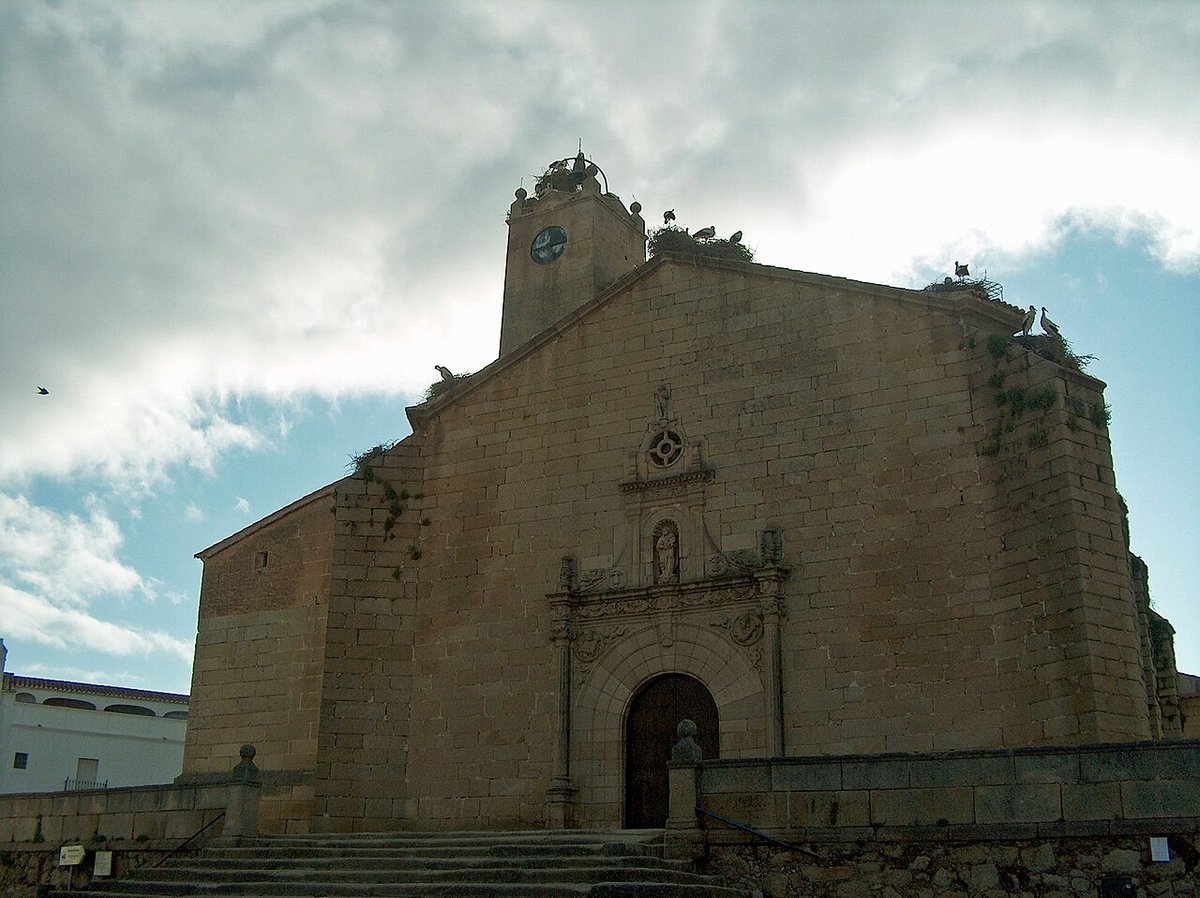
Cedillo is small—432 souls on the register, closer to 300 once you subtract cousins working in Cáceres—and proud of it. Streets have no Traffic Regulation Orders because traffic itself is theoretical. The parish church, rebuilt in the 1950s after a lightning fire, still dictates the daily rhythm: bell at seven for field workers, again at noon for lunch, finally at nine when the single bar turns off the football commentary. There is no ticket office, no audio guide, just a door left ajar and the smell of beeswax polish. Step inside and the temperature falls ten degrees; outside, swifts reel overhead.
Whitewashed houses are pressed shoulder-to-shoulder, their chimneys topped with curved Arab tiles to keep out the rain that rarely arrives. Front doors stand open—inside you glimpse stone flags, a single fluorescent tube, perhaps a velvet sofa bought from the travelling salesman who passes through every spring. Washing lines stretch across the narrow lane; Monday is still laundry day, whatever TripAdvisor says. The only mural is a stencilled black vulture on a garage wall, painted by the local bird group to celebrate the village's real population boom.
Walking into Two Countries without Showing ID
Footpaths radiate from the last streetlamp. Follow the yellow arrow painted on a telegraph pole and you drop into the Río Sever gorge, a ten-minute descent where the temperature rises and cicadas replace church bells. The path is technically a public right of way, but nobody has way-marked it since 1998—take the GPS co-ordinates from the tourist office in Herrera de Alcántara beforehand, or simply trust the echo of the river below. Black vultures turn overhead, riding thermals with wingspans wider than a British estate car. Spring visitors have recorded 60 species in a morning: griffons, booted eagles, even a Rüppell's vulture that took a wrong turn at Gibraltar.
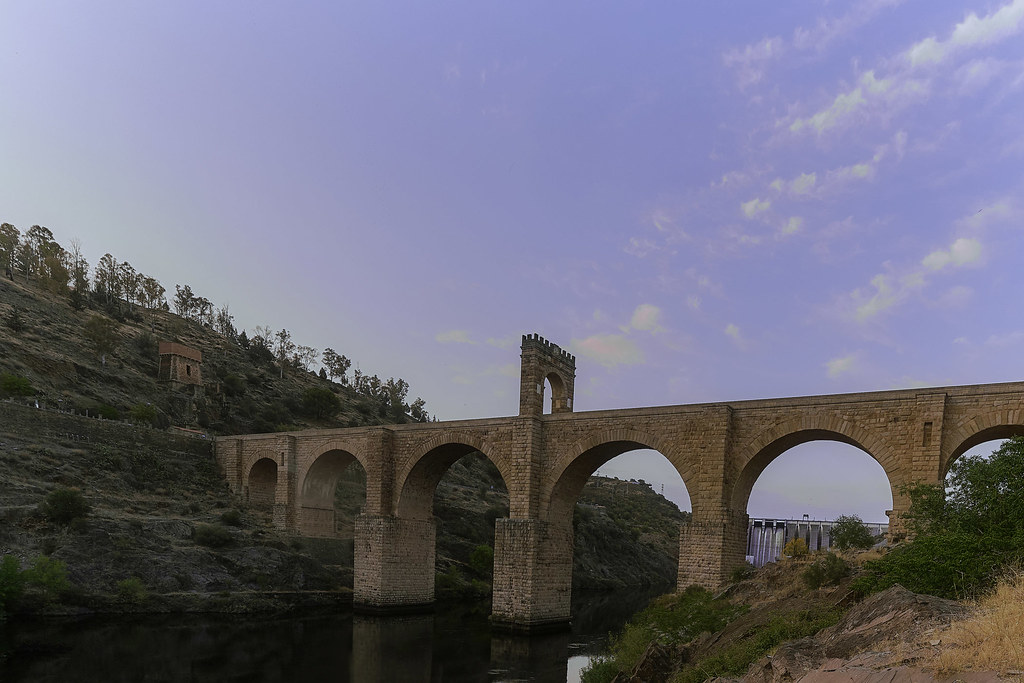
Cross the stone slab bridge and you are in Portugal. No border guard, just a granite marker dated 1926 and a different style of cork extraction—Portuguese bark is stripped higher up the trunk. The track climbs through sweet-chestnut woods to the abandoned hamlet of Baldios, where one house has been re-roofed by a Lisbon architect as a holiday retreat. He leaves the key under a flowerpot; inside, a guestbook records the same British bird-watchers who signed in at Cedillo's only bar three days earlier.
Food that Tastes of Fire and Wool
Cedillo's gastronomy is not dainty. Lamb and kid are roasted in wood-fired domed ovens originally built for bread; the same embers later braise pork cheeks in Rioja until they collapse like Sunday ox-cheek. Order carrillada at Bar Central (there is only one) and you get three cheeks, chips and a quarter-litre of local red for €9. The wine comes from Valencia de Alcántara, 30 km north, and tastes like a lighter, slightly peppery Bordeaux—perfect at cellar temperature, which is what passes for room temperature here in February.
River fish appears only when the Sever carries enough water. Barbo, a firm white fish with no awkward bones, is stewed with garlic and bay; ask for it a la extremeña and you receive a clay dish bubbling in pork fat. Vegetarians get migas—fried breadcrumbs with grapes—though the chef still sprinkles a dab of chorizo oil for "flavour". Pudding is quesaílla, a soft goat cheese that spreads like thick yoghurt; buy a wheel from the dairy on Calle Nueva for €4 and it will last three days in a cool rucksack.
Sunday lunch is sacred, which is why both bars close at five. Miss the window and you will be eating crisps on the church steps until breakfast.
When to Come, and When to Stay Away
April and late-October deliver 22 °C afternoons, wildflowers or autumn crocus according to altitude. Those months also coincide with the great vulture migrations: several hundred birds kettle above the ridge each morning, riding thermals that rise from the Portuguese plain. Bring binoculars but leave the telephoto lens in the car—locals dislike cameras pointed at washing lines.
July and August are brutal. Daytime highs nudge 42 °C, shade is scarce on the river trail, and the only sound is bee-eaters overhead. If you must visit, walk at dawn, siesta through midday under a €65 fan room at Casa da Raya, then resume after six when the granite glows orange. Winter is quiet, often misty, but night frosts can glaze the cobbles and the church heating is token at best. One January evening the temperature fell to –3 °C; the bar owner simply poured brandy into the coffee and called it carajillo de supervivencia.
Bank cards are useless here. The nearest ATM is 21 km away in Castelo Branco—Portuguese fees apply—or back towards Cáceres at Herrera de Alcántara. Fill the tank before arrival: the EX-390 petrol station locks its pumps at two o'clock sharp and stays shut all weekend. Public transport is a weekday bus that reaches Cáceres at dawn and returns at tea-time, but the timetable was designed for civil servants, not sightseers. Hire a car at Lisbon airport (two hours on the A23) or bring bicycles and accept that every route ends with a hill.
Departing Before the Bells Call You Back
Stay a single afternoon and you will leave with photographs of vultures and a vague sense of having trespassed on someone else's siesta. Stay three days and you start greeting the baker by name, timing your shower for when the neighbour's solar tank is free, recognising which goat belongs to which backyard. Cedillo offers no postcard monument to tick off, no castle keep to climb—just the slow revelation that national frontiers can dissolve into a footbridge, that lunch is what happens while you wait for birds to rise, that silence itself is a species of wildlife. Pack your walking boots, bring cash, and leave before the church bell persuades you to stay for good.