Vista aérea de Herrera de Alcántara
Instituto Geográfico Nacional · CC-BY 4.0 scne.es
Extremadura · Meadows & Conquerors

Herrera de Alcántara

The church bell strikes noon, but nobody hurries. At 269 metres above sea level, Herrera de Alcántara operates on dehesa time, where the only press...

225 inhabitants · INE 2025
269m Altitude

Why Visit

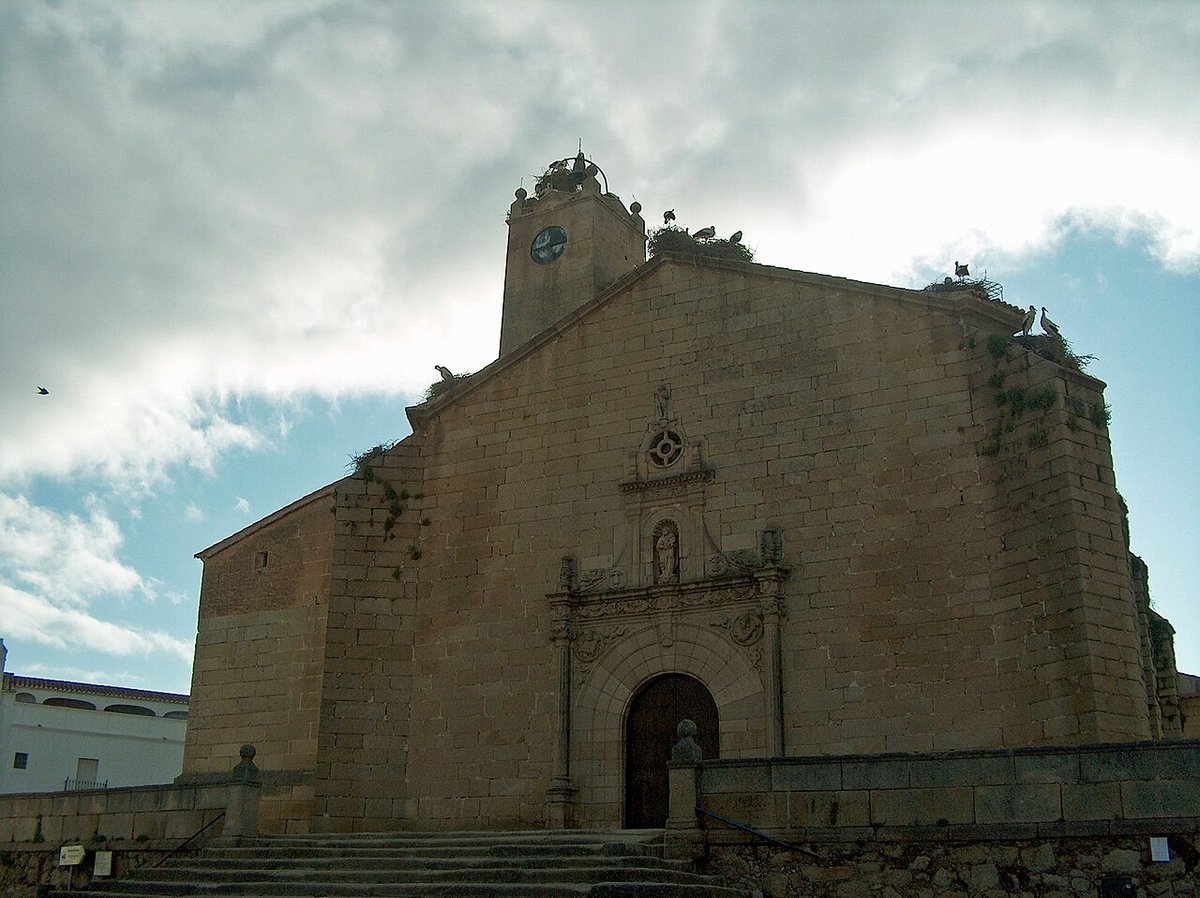
San Sebastián Church River cruise

Best Time to Visit

spring

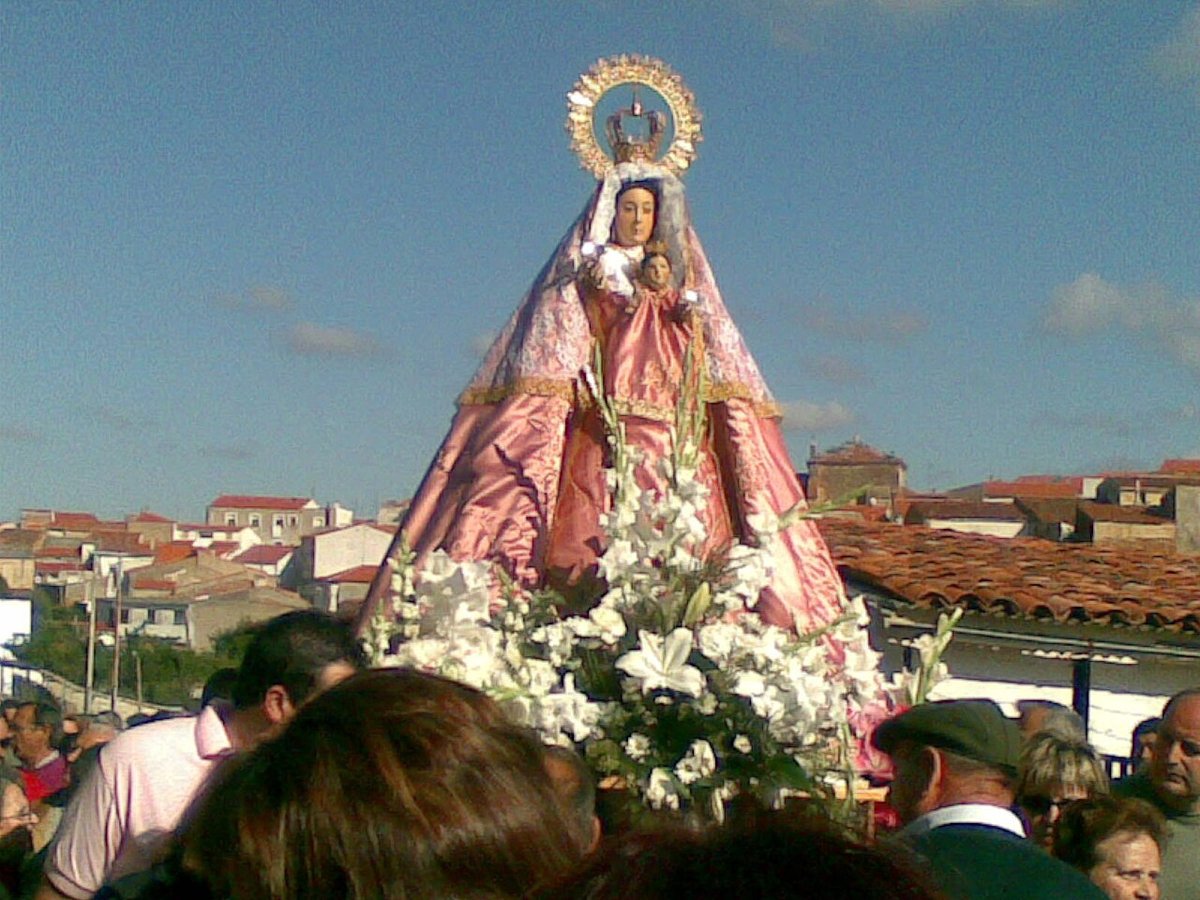
San Juan Festival (June) agosto

Things to See & Do
in Herrera de Alcántara

Heritage

  • San Sebastián Church
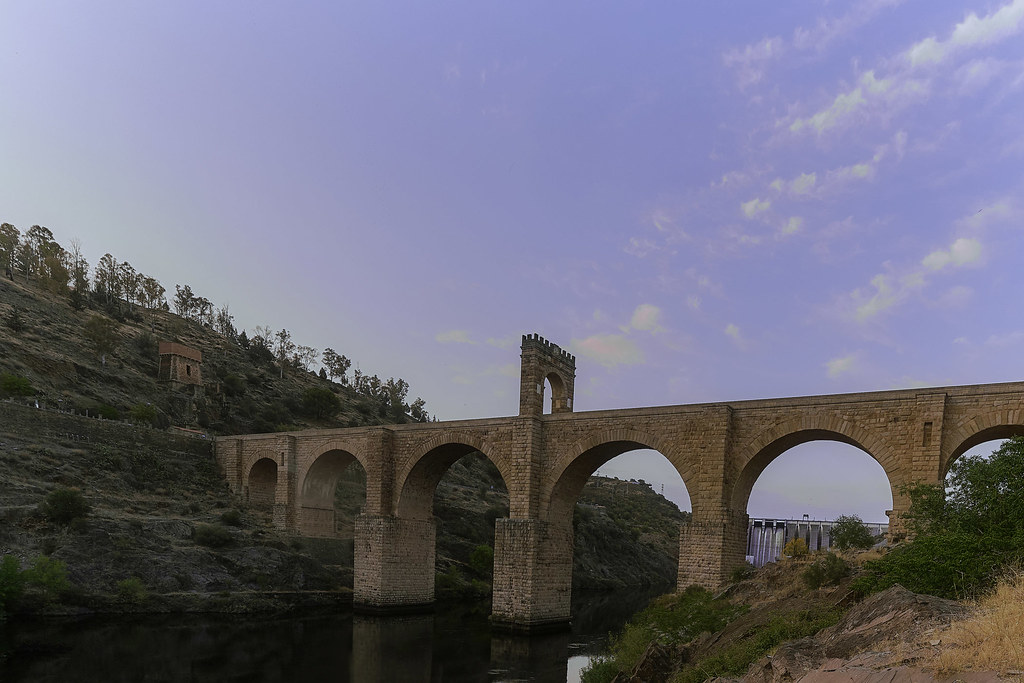
  • Tajo Viewpoint

Activities

  • River cruise
  • cross-border hiking

Festivals
& & Traditions

Fecha agosto

Fiestas de San Juan (junio)

Las fiestas locales son el momento perfecto para vivir la autenticidad de Herrera de Alcántara.

Full Article
about Herrera de Alcántara

Balcony over the Tajo Internacional; fortified village on the border with spectacular views

Ocultar artículo Leer artículo completo

The church bell strikes noon, but nobody hurries. At 269 metres above sea level, Herrera de Alcántara operates on dehesa time, where the only pressing deadline belongs to the Iberian pigs fattening beneath holm oaks. With 230 residents scattered across stone houses and working farms, this Extremaduran border settlement feels less like a village and more like a deliberate pause between Portugal's granite villages and Cáceres' wheat plains.

The Architecture of Everyday Life

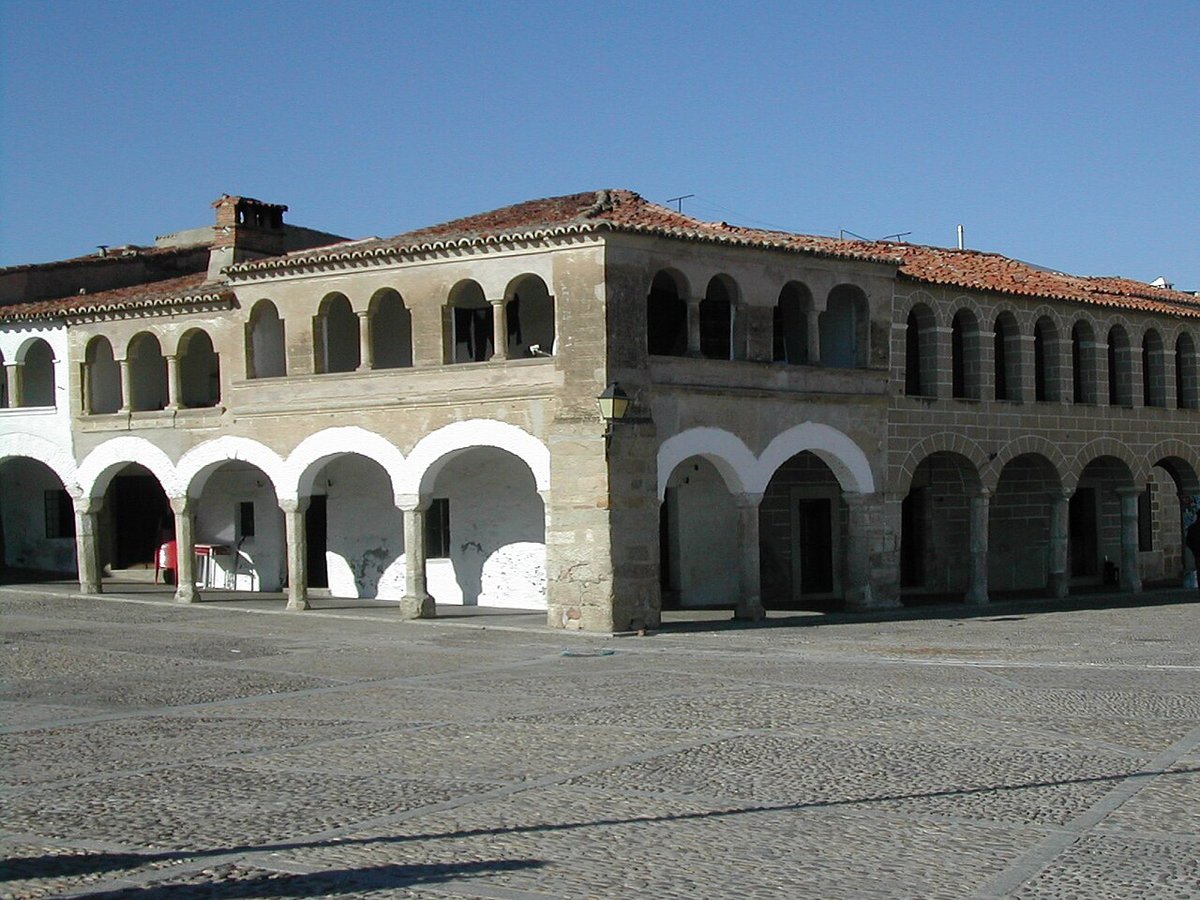
San Bartolomé parish church anchors the single-plaza centre, its modest bell tower more watchman than showpiece. Whitewashed walls absorb the afternoon heat; terracotta tiles bake gently overhead. Walk fifty metres in any direction and the built environment dissolves into agricultural logic: adobe grain stores, granite troughs, iron gates that clang shut against wandering livestock. Notice the letterbox slots carved directly into wooden doors – evidence of a postal service that still arrives on foot.

Property here tells stories. One façade displays 1887 in iron numerals, the date a family completed their olive press. Another frontage leans perceptibly, not from neglect but from centuries of livestock passing through the ground-floor stable. The village's highest concentration of ornamental ironwork clusters around the former teacher's residence, a reminder of when education, not tourism, signified prestige.

Working Woodland, Living Landscape

Step beyond the last streetlamp and you're immediately inside working dehesa. This isn't manicured parkland but a 400-year-old agro-forestry system where cork oak, holm oak and wild olive create an open canopy over pasture. Each tree earns its keep: cork bark stripped every nine years, acorns fattening black-footed pigs, shade for Retinta cattle whose leather ends up in Italian workshops. The arithmetic is brutal and honest – one hectare supports one cow, or three sheep, or one contented pig.

Spring transforms the understory into a brief herb garden. Wild asparagus pushes through last year's leaf litter; pennyroyal scents the air after April showers. By late May the grasses bleach blonde and the scent shifts to hot resin and dung. Summer walking requires strategy: start at dawn when nightjars still call, finish by 11 am, resume after 5 pm when boot leather won't blister skin. Even then, carry two litres of water per person – the nearest certain tap stands back in the plaza.

Border Weather, Mountain Light

At this altitude Herrera escapes Extremadura's furnace-blast summers, but only just. July averages 33 °C at midday; shade temperature, not the brutal 45 °C recorded on the nearby plains. Winter inverts the problem: Atlantic fronts sweep up the Tagus valley, dropping horizontal rain that feels colder than the actual 6 °C. January fog can isolate the village for days; the mountain pass towards Portugal closes when ice forms on the granite switchbacks.

The compensation comes twice daily. Dawn spills over the Sierra de San Pedro, gilding cork bark and turning stone walls the colour of pale honey. Dusk reverses the process, draining colour until the landscape reduces to silver grass and black tree silhouettes. Photographers arrive chasing this light, then discover it can't be captured – only witnessed while leaning against a warm stone wall, listening to cattle breathe somewhere in the darkening pasture.

What Actually Gets Served at 1 pm

The Bar la Plaza menu fits on a chalkboard because ingredients arrive according to the agricultural calendar, not the delivery lorry. Thursday might bring wild boar stew when a local hunter succeeds; Friday delivers trout from the Sever tributary when water levels allow. The constants are jamón de bellota, sliced translucent from legs that hang behind the counter for three years, and torta del Casar, the local sheep's cheese that tastes like farmyard and meadow simultaneously.

Order migas – fried breadcrumbs with garlic and pork belly – and the landlord apologises if the bread isn't yesterday's. This isn't rustic-chic marketing; it's the difference between a dish that sustains fieldworkers and one that merely photographs well. House wine arrives in a plain glass bottle, drawn from a 500-litre plastic drum in the cellar. It's drinkable, locally blended, and costs €1.80. They'll sell you the bottle to take away for €3 if you return it washed.

Getting Here, Getting Away

From Cáceres, take the EX-390 towards Portugal. After 70 km the road narrows to single-track with passing places; average speed drops to 40 km/h. Herrera appears suddenly – no advance signage, just houses clustering where two valleys meet. Park on the concrete apron by the cemetery; it's flat, free, and nobody will block you in before 7 am when the cattle lorry arrives for collection.

Public transport requires patience. Monday, Wednesday and Friday, a bus leaves Cáceres at 2 pm, arriving 4.15 pm. It returns at 6 am the following day. Miss that and you're hitch-hiking to the N-521, then waiting for the Lisbon coach. Taxis from Cáceres cost €90 if you can persuade a driver to make the return journey empty.

The Honest Season

Come in late April when orchids bloom beneath the oaks and night temperatures still require a jumper. Or choose mid-October when cork harvest finishes and the air smells of burnt sugar from freshly stripped bark. Avoid August unless you handle heat like a local – which means siesta from 2 pm to 5 pm, work at dawn, and dinner after 10 pm when the granite walls finally release their stored warmth.

Herrera de Alcántara offers no souvenir shops, no audio-guides, no boutique hotels. What it provides is harder to package: the sound of livestock moving through mist at first light, the taste of cheese made three kilometres away, the realisation that entire human systems can still function at 230-person scale. Take it for what it is – a working village that happens to let visitors watch – and the dehesa will repay attention with a level of quiet that urban Britain forgot existed. Arrive demanding entertainment, and you'll be driving back to Cáceres before the church bell strikes three.

Key Facts

Region
Extremadura
District
Tajo-Salor
INE Code
10094
Coast
No
Mountain
No
Season
spring

Livability & Services

Key data for living or remote work

2024
Connectivity5G available
Housing~5€/m² rent · Affordable
January Climate7.7°C avg
Sources: INE, CNMC, Ministry of Health, AEMET

Planning Your Visit?

Discover more villages in the Tajo-Salor.

View full region →

More villages in Tajo-Salor

Traveler Reviews