Full Article
about Malpartida de Cáceres
Known for the Los Barruecos Natural Monument and the Vostell Museum; a Game of Thrones filming location.
Hide article Read full article
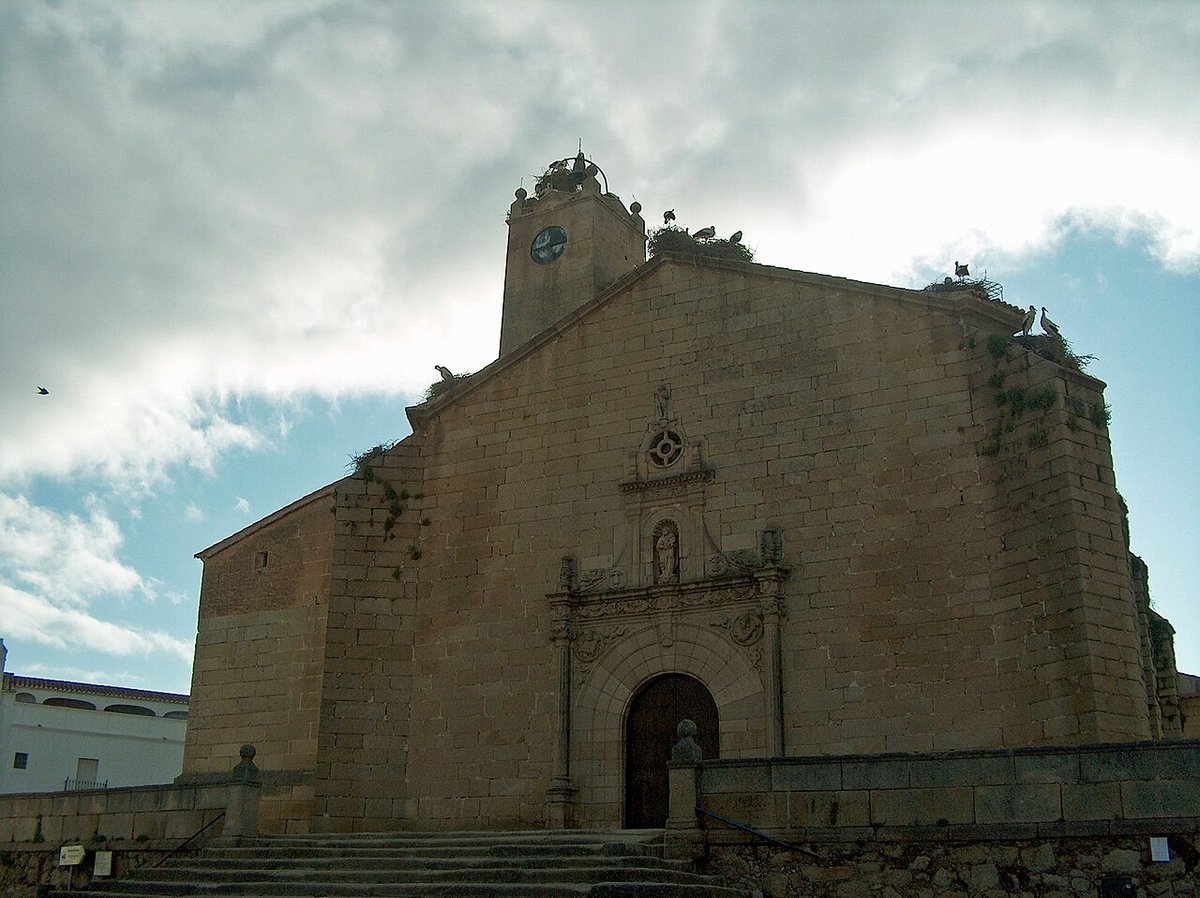
At six in the morning, the sun has not yet warmed the granite slabs of Los Barruecos. The storks are already awake. Their beaks make a dry, rhythmic clatter, a sound that carries from their nests on bell towers, electricity posts, and chimney pots. In Malpartida de Cáceres, you look up as much as you look ahead. From almost any street, a glance upwards finds them: some circling slowly above the rooftops, others still, white shapes against a pale sky.
They are not visitors. They are residents. Their nests, piled high with sticks, sit heavily on roofs and towers like permanent, living architecture. You can spot someone new to town by that pause mid-step, their gaze fixed on the skyline instead of the cobbles underfoot.
El olor de la patatera
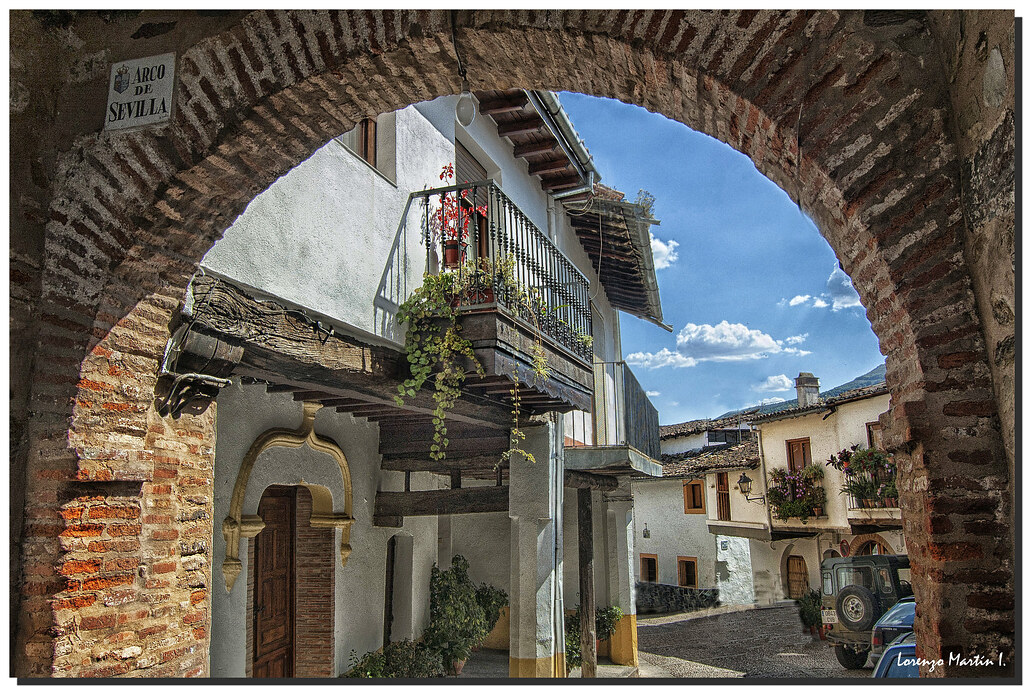
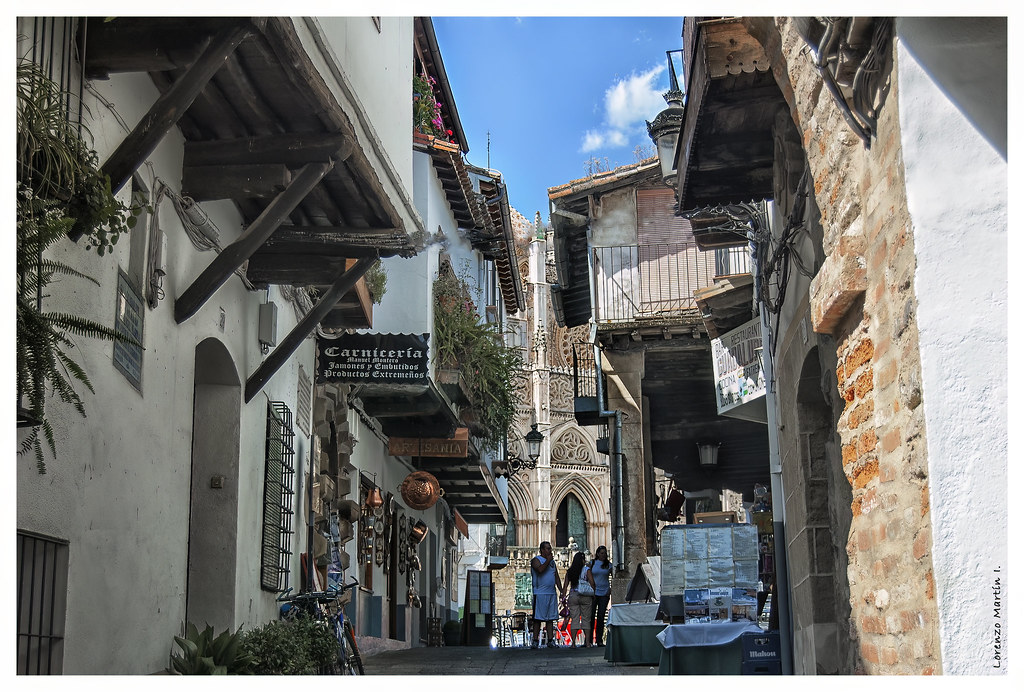
Walking through the old quarter means moving through layers of smell that shift with the hour. In the early morning, it’s the scent of bread from the ovens in the centre. By midday, woodsmoke drifts from kitchens, carrying notes of holm oak and warming paprika.
In many houses here, food still follows the old calendar. When the time comes, patatera is made at home. This local sausage—a mix of boiled potatoes, Iberian pork jowl, and pimentón de la Vera—hangs in courtyards and on washing lines to cure. In the weeks before carnival, the air grows dense with spice and smoke.
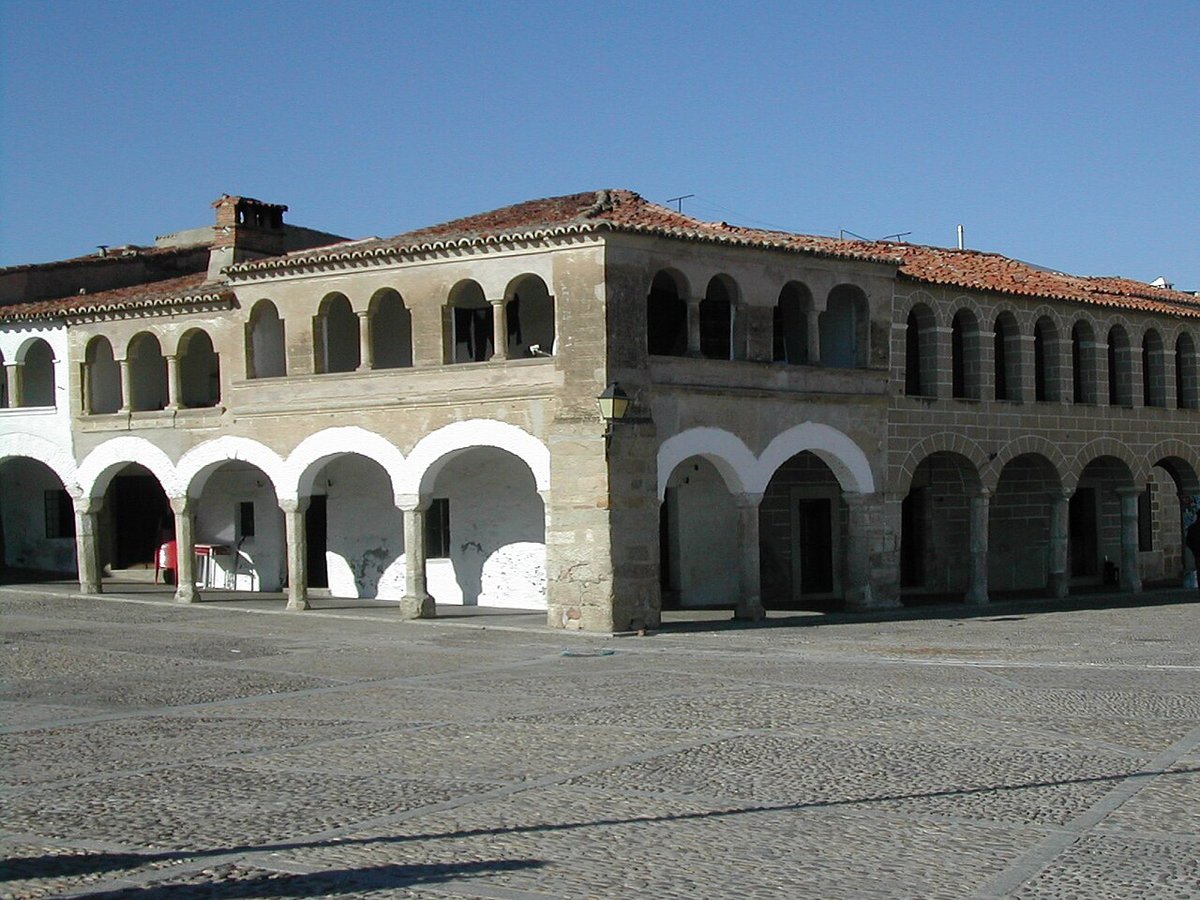
The main square has broad shade trees and stone benches worn smooth. For much of the day, conversation here is louder than traffic. People greet each other by name. The pace is unhurried; the familiarity is something you feel rather than see.
Los Barruecos: agua quieta y granito
A couple of kilometres from town, the landscape changes abruptly. Granite dominates, split into great rounded slabs. Between them lie dark pools that reflect the sky in broken mirrors.
The marked paths lead you between still water, reeds, and rock formations that look arranged by some giant hand. They are not. This is all erosion, the slow work of water over millennia. You might pass a car half-sunk between boulders—part of an old installation—or the stone remains of lavaderos de lana, where merino wool was once washed in these same lagoons.
Silence is part of it, but never total. There’s wind moving through cracks in the stone, the heavy wingbeat of a heron taking off from the reeds. If you’re patient and still, you might hear the soft splash of an otter.
Many come because Game of Thrones was filmed here. You’ll recognise the setting. But what stays with you are quieter things: rock engravings you have to search for, traces of red pigment inside a stone shelter, the scent of thyme released as the sun warms the granite.
In summer, the heat builds quickly. The stone holds it, making midday walks feel heavy underfoot. Go at dawn or in the last hours of the afternoon.
Un museo entre lavaderos
Set within this landscape is the Museo Vostell. It occupies a former wool-washing complex—thick walls, wide courtyards, tall chimneys. From the outside, it feels industrial, austere.
Inside, that changes. Cars are embedded in concrete. Old televisions stare out from installations. Everyday objects are repurposed into something else entirely. Some works use water piped from the lagoons; others draw directly on the view of Los Barruecos through a window.
The German artist Wolf Vostell chose to live and work here for long periods. His presence is woven into the town’s recent history. You still hear stories about those years—of installations built with help from locals, of pieces assembled outdoors by lagoon light.
Cuándo ir y un paseo sencillo
The year turns distinctly here. February brings the strong smell of patatera and the focused energy of carnival. The square fills early on those days.
August is different. The heat clings to the stone, and a midday walk in Los Barruecos is a committed act. In return, dawn brings a clear, calm light over the water.
Spring is perhaps easiest. The stork nests are noisy with chicks, and small flowers dot the grass between rocks. Poppies sometimes flare from cracks in the granite.
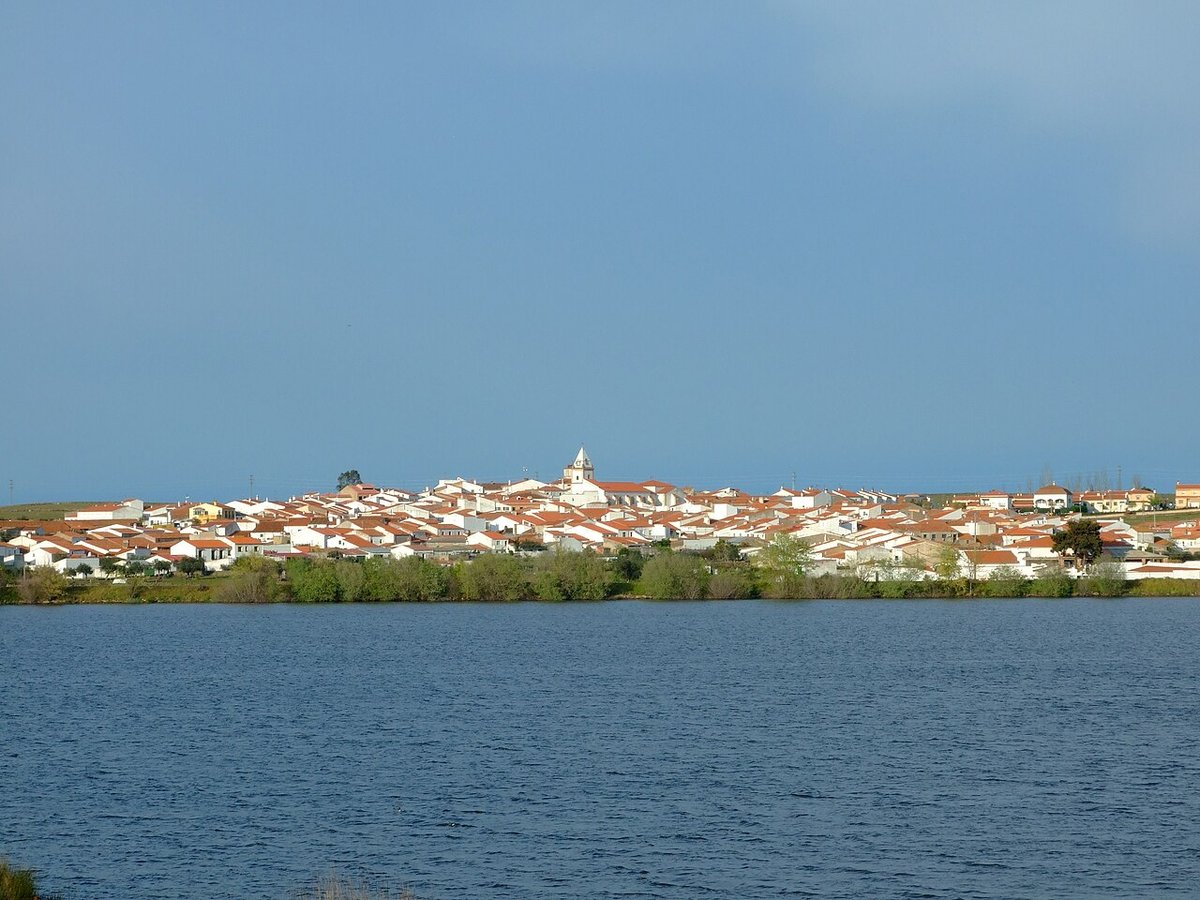
A simple plan works: park near the main square and walk up to the viewpoint by the hermitage. From there, you see the red rooftops of town, the white clusters of storks’ nests, and beyond them, the irregular line of Los Barruecos.
Stay until sunset if you can. The water in the lagoons darkens to grey, and rock and reflection begin to blur together. The place that felt bright and open in morning light becomes quieter, all softer edges and fading sound.