Piedras Albas - Flickr
The Whisperer of the Shadows · Flickr 6
Extremadura · Meadows & Conquerors

Piedras Albas

The church bell hasn't worked since 1987, yet everyone in Piedras Albas still rises at seven. In a village where tractors outnumber cars three to o...

125 inhabitants · INE 2025
363m Altitude

Why Visit

Tagus setting Visit Alcántara

Best Time to Visit

spring

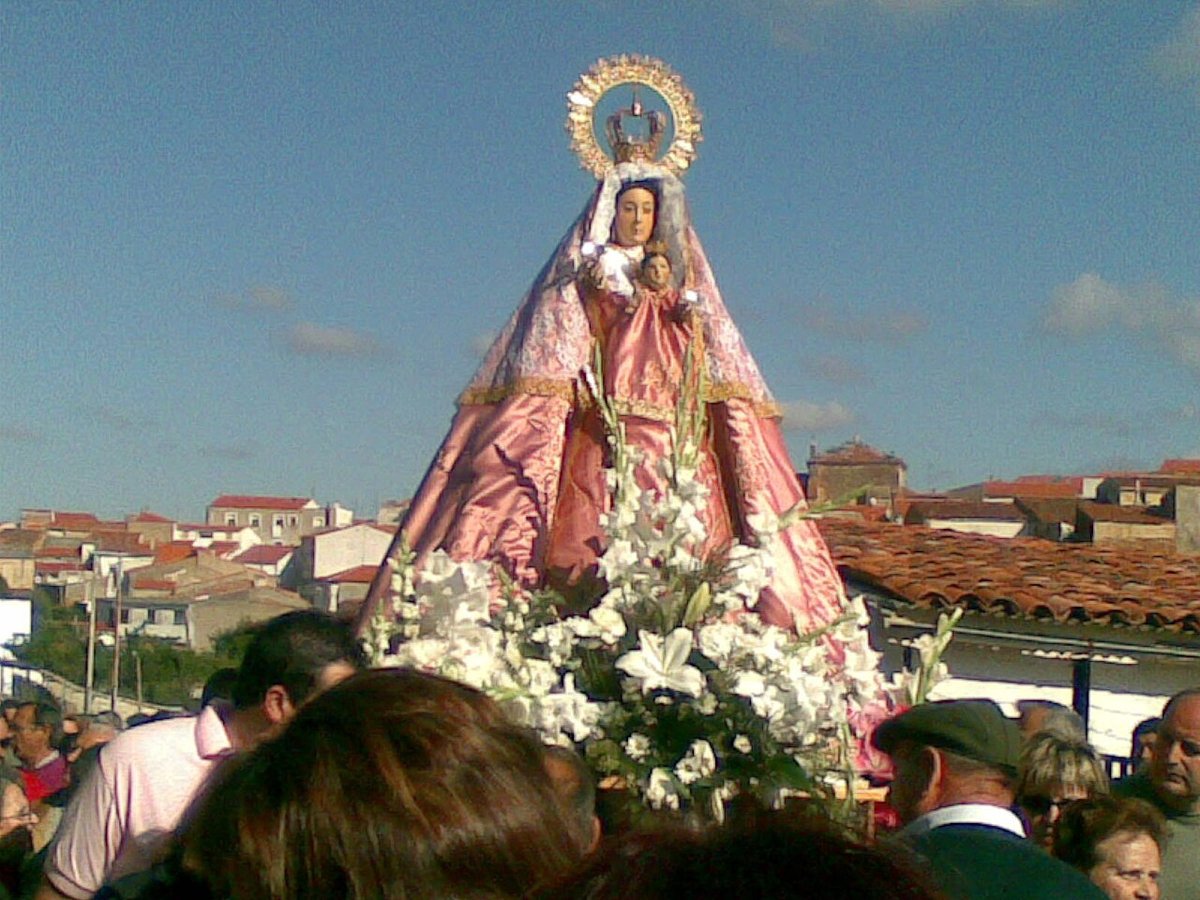
Feast of the Virgen (August) agosto

Things to See & Do
in Piedras Albas

Heritage

  • Tagus setting
  • Border

Activities

  • Visit Alcántara
  • Routes

Festivals
& & Traditions

Fecha agosto

Fiestas de la Virgen (agosto)

Las fiestas locales son el momento perfecto para vivir la autenticidad de Piedras Albas.

Full Article
about Piedras Albas

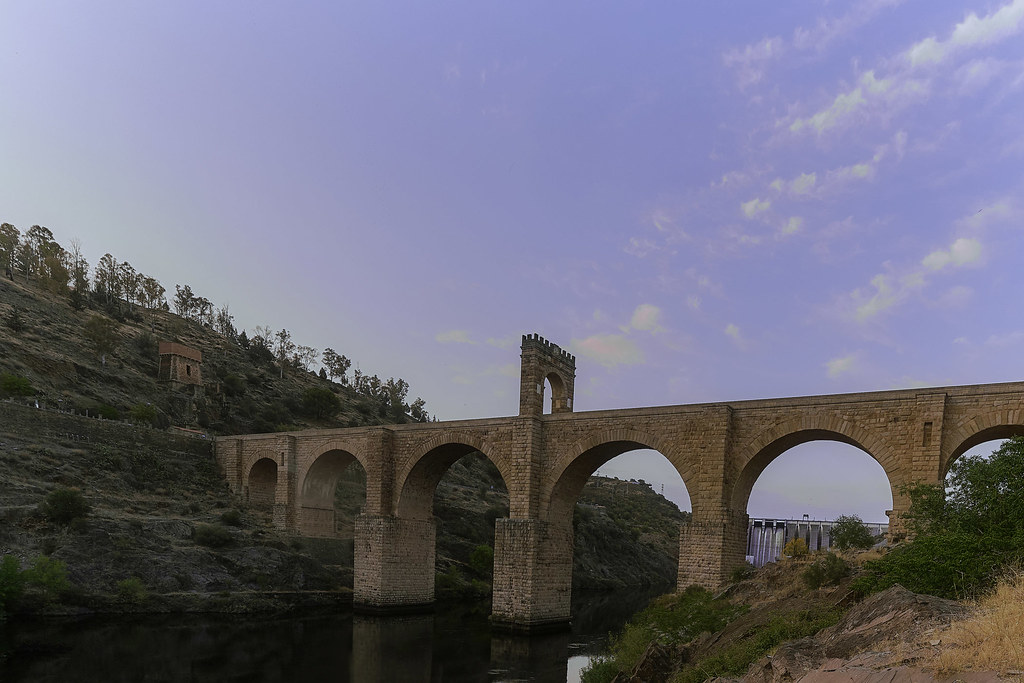
Small border town near the Roman Bridge of Alcántara

Ocultar artículo Leer artículo completo

The church bell hasn't worked since 1987, yet everyone in Piedras Albas still rises at seven. In a village where tractors outnumber cars three to one, timekeeping becomes a matter of livestock and sunlight rather than mechanical precision. At 363 metres above the Tagus valley, this scatter of stone houses operates on rhythms that predate smartphones by several millennia.

The Arithmetic of Smallness

One hundred and twenty-nine souls. That's the official count, though locals insist the census missed Juan's new grandchild and the retired couple from Madrid who bought the corner house and never updated their padron. Either way, Piedras Albas fits comfortably between two bends in the CC-17 road, a fact that becomes abundantly clear when you drive through and wonder, momentarily, if you've missed it entirely.

The village measures precisely 14.3 square kilometres, though most of that belongs to the dehesa—the ancient agroforestry system that produces Spain's finest jamón. Holm oaks and cork trees carpet the rolling hills, their roots sunk deep into soil that once fed Roman legions. Between them, black Iberian pigs root for acorns, their movements tracked by farmers who can identify each animal by the shape of its ears. It's a landscape that looks suspiciously unchanged since Pliny the Elder complained about Spanish ham being too expensive for Roman taste.

When the Mountains Aren't Mountains

Geographers might quibble with calling Piedras Albas a mountain village—it's hardly the Alps—but altitude here performs a neat trick. Three hundred and sixty-three metres doesn't sound dramatic until you factor in the microclimate. Summer temperatures drop five degrees from the valley floor, creating evening breezes that carry the scent of wild thyme and heated stone. Winter mornings bring mist that pools like milk in the Tagus basin, leaving the village suspended above a cotton-wool sea.

The elevation makes Piedras Albas a natural balcony. From the cemetery's edge—always the highest point in Spanish villages—the view extends thirty kilometres on clear days. To the south, the sierra de San Pedro rises blue-grey against the horizon. Northwards, the land flattens into the cereal plains of Salamanca province. It's the kind of prospect that makes you understand why medieval villagers chose this spot: see your enemies coming, spot approaching weather, watch your pigs simultaneously.

The Architecture of Making Do

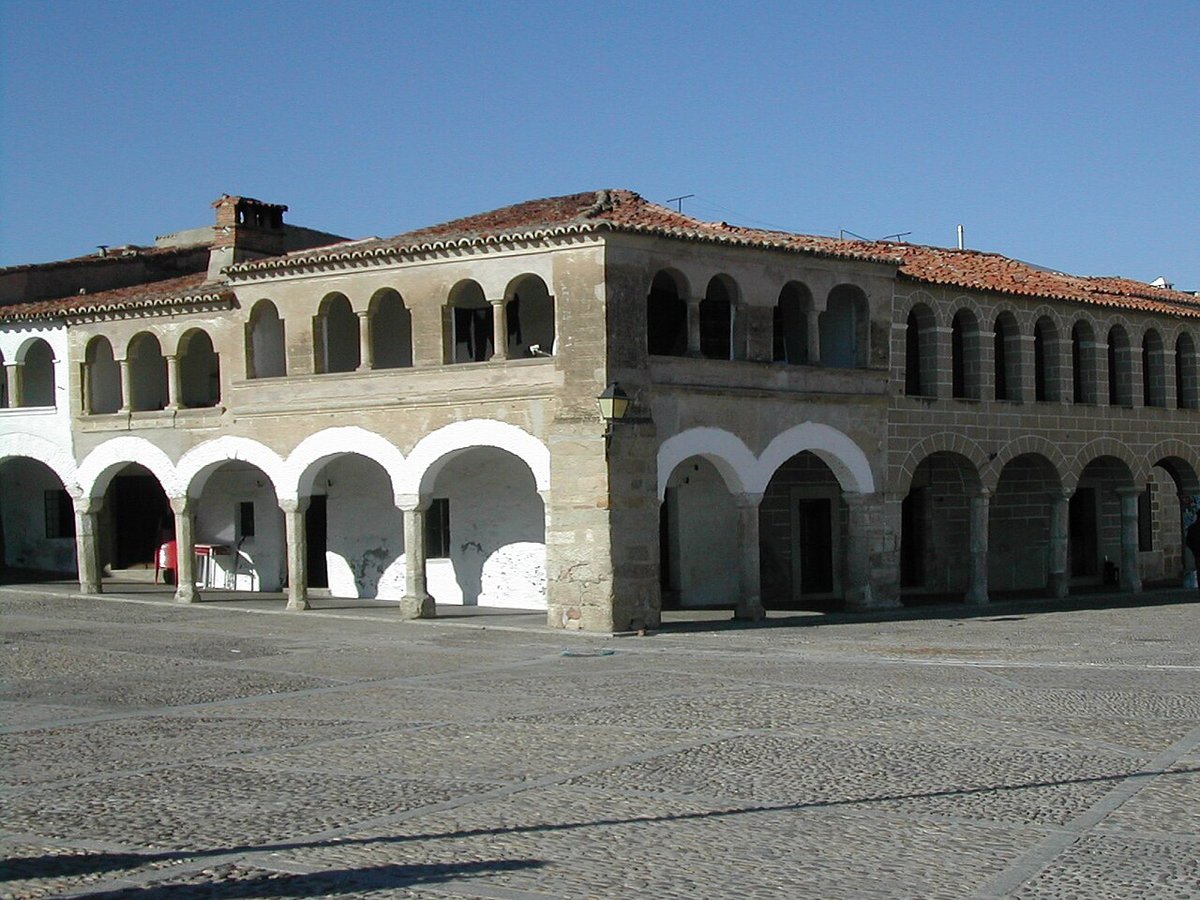
Nobody built Piedras Albas to impress tourists. Houses rise directly from bedrock, their walls a geological layer cake: granite base courses, adobe brick above, ceramic roof tiles baked in local kilns. Doorways stand barely two metres high—people were shorter when these houses went up, and heating fuel was expensive. Windows cluster on southern exposures, winter solar panels in stone and glass.

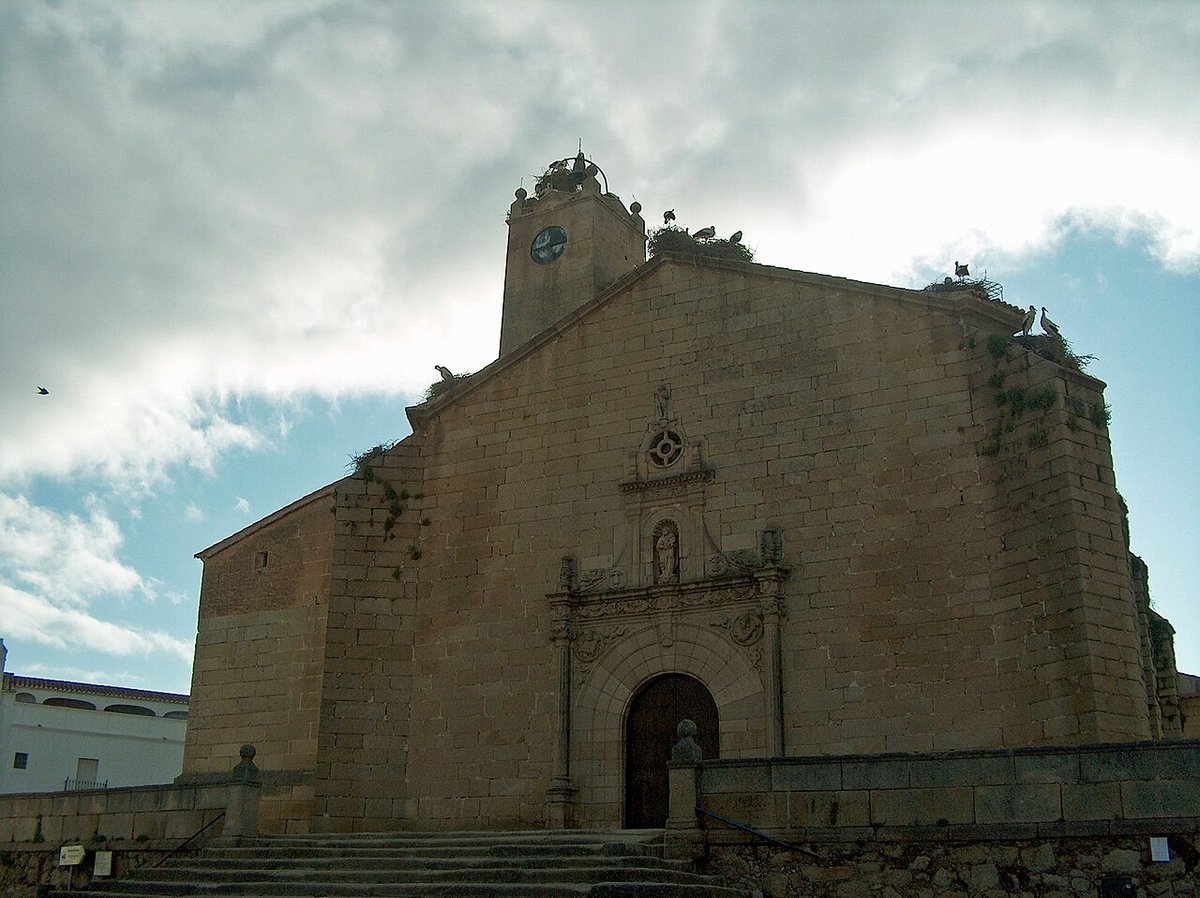
The church of San Juan Bautista dominates the tiny plaza, its bell tower repaired so many times that architects have given up dating the masonry. Inside, a seventeenth-century altarpiece gilded with American gold glows dimly beneath energy-saving bulbs. The priest arrives from Garrovillas de Alconétar every other Sunday; on alternate weeks, villagers gather anyway, habit being stronger than hierarchy.

Walking the streets takes twelve minutes if you dawdle. Less, if the neighbour's hunting dog doesn't insist on accompanying you. The calle Real measures barely four metres between house fronts—close enough to smell what's cooking and exchange recipe criticism through open windows. It's urban planning by conversation, architecture that assumes you know your neighbours' business anyway.

The Seasonal Shuffle

Spring arrives late at this altitude. March brings almond blossom and argumentative storks, April delivers wild asparagus that villagers sell at the Cáceres market. May smells of orange blossom and freshly turned earth; it's the sweet spot before summer's furnace ignites. Temperatures hover in the low twenties, perfect for walking the old drovers' trails that link Piedras Albas to neighbouring hamlets. These caminos, marked by granite milestones carved with medieval symbols, once carried silver from the Americas and wool from these very hills to the markets of northern Europe.

Summer demands different tactics. Locals emerge at six to tend vegetable plots before the sun achieves its full ferocity. By two in the afternoon, streets empty except for cats sprawled in shrinking shadows. The bar—really someone's front room with an espresso machine—opens at seven for coffee and gossip. Evening brings the paseo, that Spanish institution of purposeless walking that somehow solves most of the world's problems by midnight.

Autumn means mushrooms and migration. Redwings and fieldfares arrive from Scandinavia, feasting on holm oak acorns before continuing to Africa. Villagers harvest chestnuts from the few surviving trees, roasting them over fires built from vine prunings. The dehesa turns bronze, then copper, then that particular shade of gold that makes painters weep and photographers bankrupt themselves on equipment.

Winter strips everything back. Temperatures drop to minus five on clear nights; the church fountain develops a skin of ice that children break with sticks. Days of brilliant sunshine alternate with Atlantic storms that roll in across Portugal, bringing rain measured not in millimetres but in flooded fields. It's the season for matanza—the traditional pig slaughter that produces hams, sausages and black pudding enough to last until Easter. The whole village participates; vegetarianism remains, politely, unmentioned.

The Practical Geography

Reaching Piedras Albas requires surrendering motorway mentality. From Cáceres, the EX-390 winds west through Garrovillas de Alconétar, then south on the CC-17. The final twenty kilometres pass three villages, two petrol stations (closed Sundays) and one stretch of road where eagles hunt in the verges. Google Maps works sporadically; phone signal disappears entirely in two valleys. Print directions.

accommodation options cluster in nearby Arroyo de la Luz (25 minutes) or back in Cáceres (50 minutes). The village itself offers one rental house—book months ahead during bird migration season. Restaurants require driving to neighbouring towns; the closest proper meal serves at Mesón Extremeño in Garrovillas, Thursday through Sunday only. Pack water, sunscreen, and enough petrol to reach the next functioning pump.

The Exit Strategy

Piedras Albas doesn't do grand finales. No souvenir shops, no artisanal gin distilleries, no medieval festivals with questionable historical accuracy. What it offers instead is calibration: a place to recalibrate your sense of scale, of time, of what constitutes news (this week's scandal: someone painted their door green).

Leave before you're bored, but after you've slowed down. The optimum stay lasts three hours—long enough for coffee at the bar, a circuit of the village, a twenty-minute walk into the dehesa. Any shorter feels rushed; longer and you start noticing how the church bell still doesn't work, how the supermarket is someone's garage, how conversations circle back to rainfall and pig prices like water down a drain.

Drive away slowly. The village disappears in the rear-view mirror exactly as it appeared: suddenly, completely, as if the twenty-first century finally gave up and went home. Somewhere behind you, 129 people continue living in real time, checking their pigs rather than their phones, measuring days by shadows rather than screens. It's not better or worse—just different enough to make you question why, exactly, you needed to check email seventeen times today.

Key Facts

Region
Extremadura
District
Tajo-Salor
INE Code
10145
Coast
No
Mountain
No
Season
spring

Livability & Services

Key data for living or remote work

2024
Connectivity5G available
Housing~5€/m² rent · Affordable
CoastBeach nearby
Sources: INE, CNMC, Ministry of Health, AEMET

Planning Your Visit?

Discover more villages in the Tajo-Salor.

View full region →

More villages in Tajo-Salor

Traveler Reviews