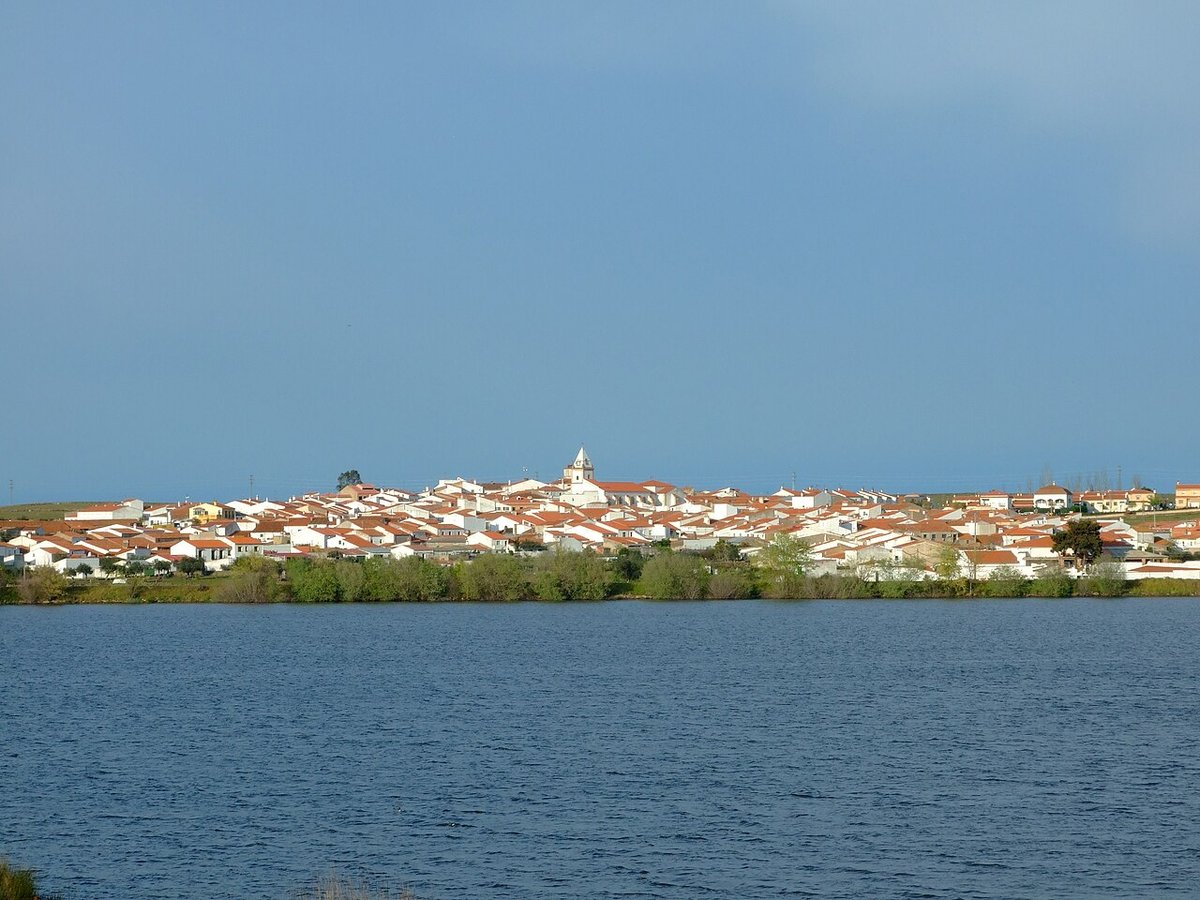
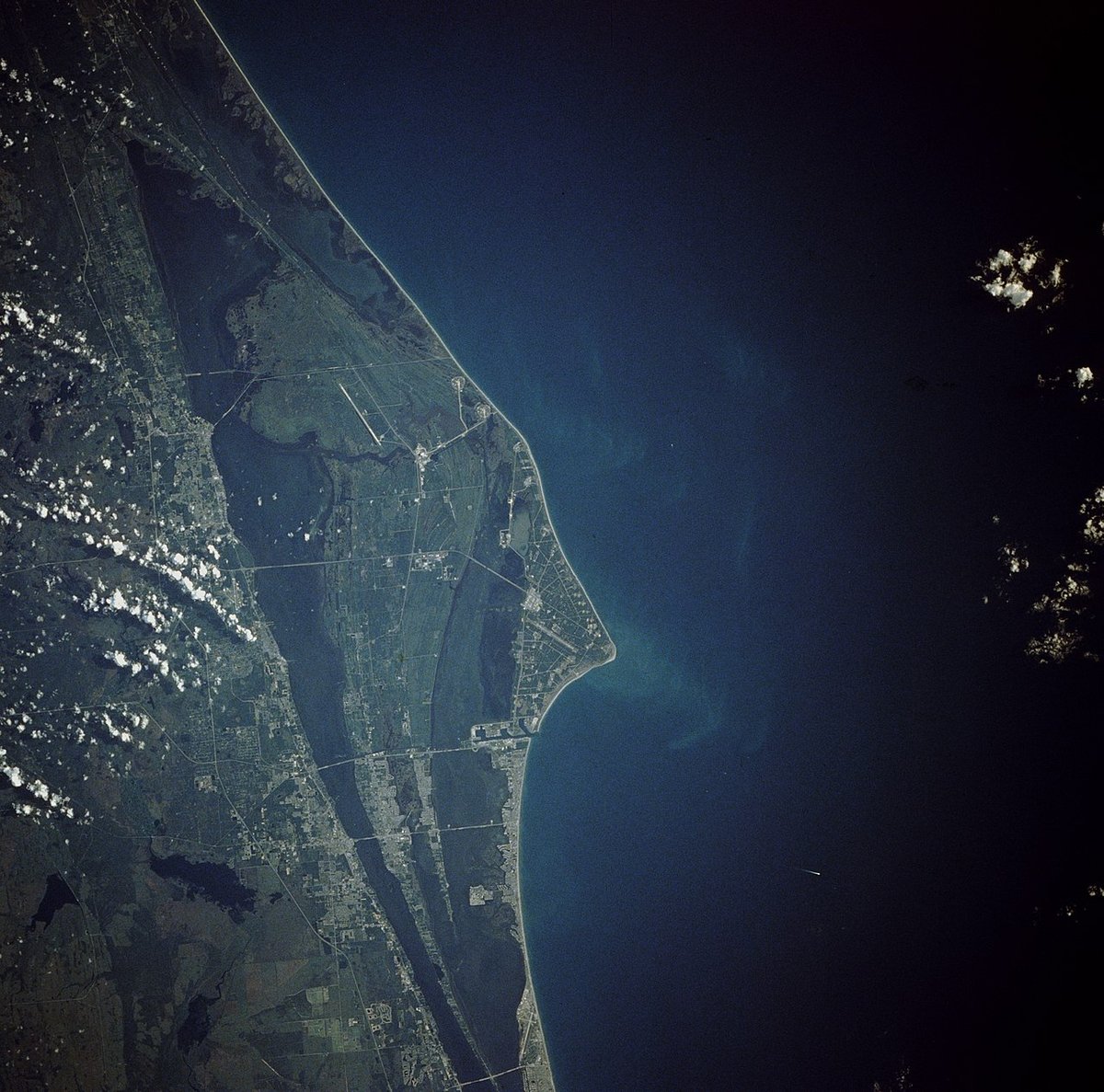
Vista aérea de Talaván
Instituto Geográfico Nacional · CC-BY 4.0 scne.es
Extremadura · Meadows & Conquerors

Talaván

The church bell strikes eleven and the village pauses. Not dramatically—just a moment where conversations soften, where the man sweeping his doorst...

775 inhabitants · INE 2025
367m Altitude

Why Visit

Hermitage of the Virgin of the River Hiking to the river

Best Time to Visit

spring

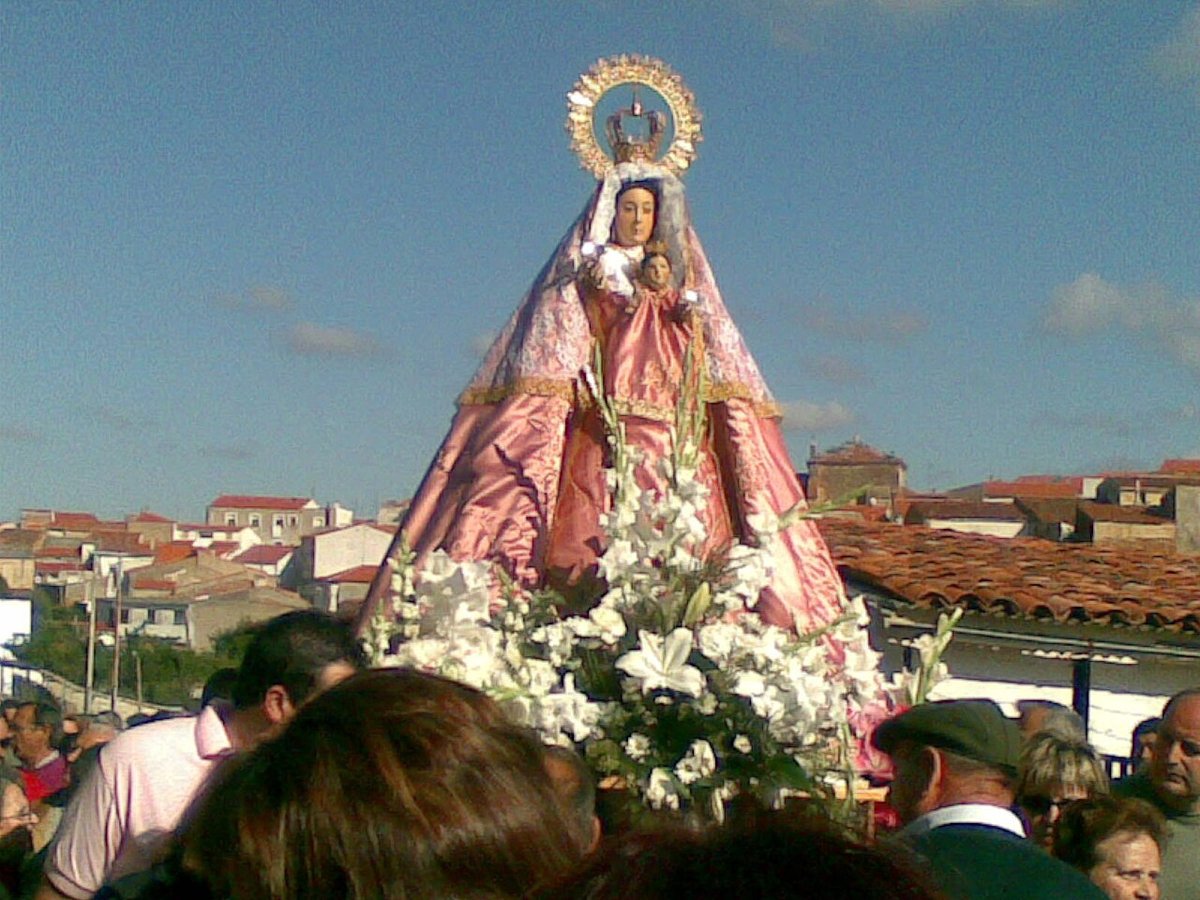
Virgen del Río Festival (April) abril

Things to See & Do
in Talaván

Heritage

  • Hermitage of the Virgin of the River
  • Viewpoint of the Breña

Activities

  • Hiking to the river
  • Kayaking

Festivals
& & Traditions

Fecha abril

Fiestas de la Virgen del Río (abril)

Las fiestas locales son el momento perfecto para vivir la autenticidad de Talaván.

Full Article
about Talaván

Village with a notable chapel and viewpoints over the Tajo River

Ocultar artículo Leer artículo completo

The church bell strikes eleven and the village pauses. Not dramatically—just a moment where conversations soften, where the man sweeping his doorstep leans on his broom, where the bar owner tops up coffee cups without being asked. In Talaván, population 930, this is how midday announces itself.

Thirty kilometres east of Cáceres, the EX-207 highway deposits you at a roundabout so abruptly rural it feels like a clerical error. One minute you're passing industrial estates, the next you're staring at holm oaks and granite houses that have weathered their share of centuries. The transition is deliberate; Talaván makes no concessions to motorists who expect soft edges between town and country.

Stone, shadow and the rhythm of bells

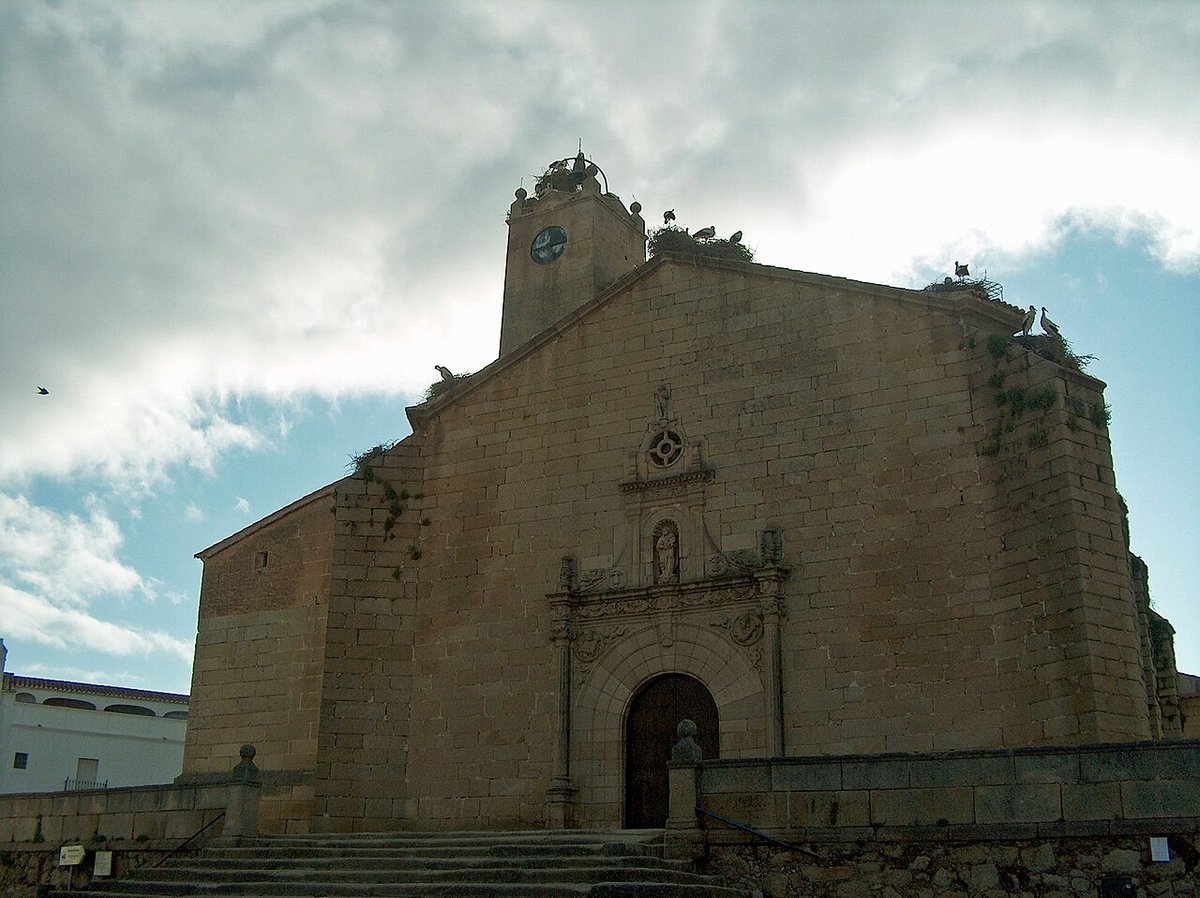
The village centre occupies barely four streets, arranged with medieval practicality around the parish church. It's no cathedral—just solid stone work and a tower that keeps watch over terra-cotta roofs. The architecture rewards those who look up: granite cornerstones carved with dates from the 1700s, iron balconies whose rust patterns mirror the surrounding soil, chimney pots that lean like old men sharing secrets.

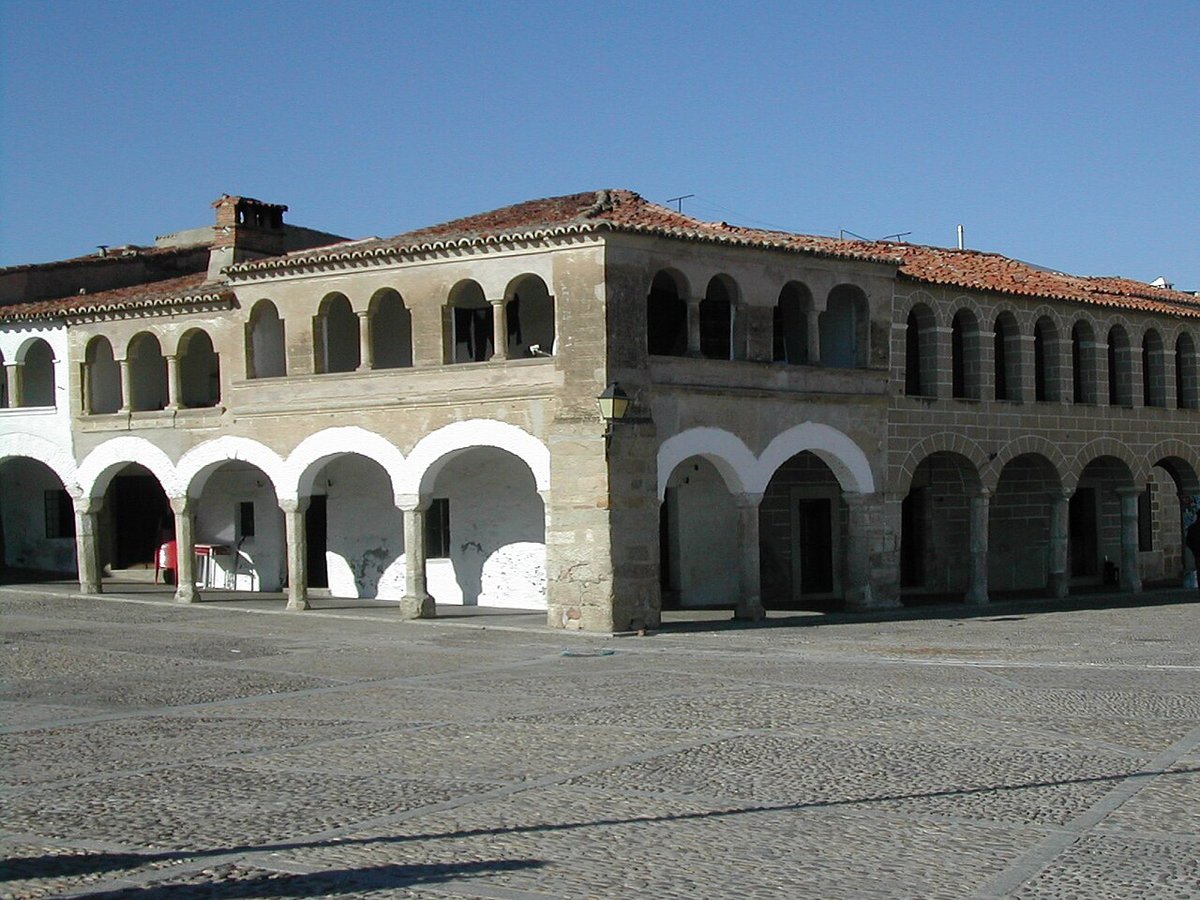
Morning light hits the west-facing walls first, warming the stone from grey to honey. By eleven the sun becomes aggressive; this is when locals retreat indoors and visitors learn the value of shadow. The arcaded main square offers relief, its concrete benches occupied by men in flat caps who discuss livestock prices with the intensity others reserve for football. Their wives gather inside the bakery, emerging with paper-wrapped loaves that still carry oven heat through shopping bags.

Walk the perimeter in twenty minutes. You'll pass the municipal pool (open July-August, €2 entry, closed between siesta hours), the primary school whose playground echoes with just forty voices, and houses whose ground floors once stabled animals. Some retain feeding troughs now planted with geraniums—a practical conversion that would please the original builders.

Beyond the last street: dehesa and drowned valleys

Where asphalt crumbples into tractor tracks, the dehesa proper begins. This is Spain's answer to savannah: widely-spaced oaks cultivated over millennia to provide acorns for pigs, shade for cattle, and cork for wine bottles. The landscape operates on agricultural logic that predates the Reconquista. Public footpaths exist, but they're working routes rather than leisure trails. Close every gate. Step aside for herds of tawny cows whose bells clank in bass accompaniment to church chimes.

Three kilometres north, the River Salor has been dammed to create a reservoir that locals call "the swamp." The water appears suddenly through the trees—a blue interruption in a brown-green world. In April the banks bloom with wild irises; by August the level drops to reveal a bathtub ring of bleached rock. There's a rough car park and a picnic table, but no kiosk, no rental bikes, no interpretive centre. Just water, sky, and the occasional fisherman who nods but doesn't chat.

The old mills scattered across the municipality tell a quieter story. Built from the same granite as the houses, they sit where streams once provided enough power to grind local wheat. Most are roofless now, their machinery removed during the 1960s rural exodus. Find them by asking in the bar—directions involve recognising specific oak trees and turning right at the collapsed pig shed. Navigation here remains pre-Google, delightfully analogue.

What passes for entertainment

British visitors expecting artisan shops or tasting menus will leave disappointed. Talaván's economy runs on pigs and pensions. The single bakery opens at 7 am and sells out by 10; the butcher counters three types of chorizo depending on how long they've been hanging. Bar La Plaza, opposite the church, serves coffee that tastes like it was filtered through a sock (it probably was) and dishes that haven't changed since the owner's grandmother ran the kitchen.

Order the migas—fried breadcrumbs with grapes and pork belly—then watch the preparation. The cook tears day-old bread with her hands, judging quantities by eye. No measurements, no recipe cards, just muscle memory passed down like a surname. Rice with wild mushrooms appears in season; summer brings gazpacho so thick it spoons like porridge. Prices hover around €8-12 for substantial plates that make Pret portions seem frankly apologetic.

Birdwatchers should bring patience and a Spanish phrasebook. The dehesa supports imperial eagles, black vultures, and a supporting cast of smaller species that British reserves would fence off with boardwalks. Here you lean against an oak and wait. Dawn and dusk provide best sightings; midday heat sends everything sensible into shade. Locals view binoculars with mild suspicion—explain you're counting birds, not planning property theft.

When the village remembers how to party

Fiesta week arrives mid-August, transforming the population overnight. Suddenly there's a funfair in the car park, a temporary bar serving €1 cañas, and teenage girls practising flamenco routines on the basketball court. The church procession starts at 9 pm when temperatures drop below 30°C; villagers dress in traditional costumes that aren't rented for tourists but pulled from wardrobes they've owned for decades.

British visitors often mis-time their visit, arriving during the day when everyone sleeps. The action starts after 10 pm with children's games, advances through live music that would breach UK noise regulations, and finishes with outdoor discos that continue until the baker fires his oven. Accommodation within the village fills months ahead; day-trippers can join but should expect to leave before the final fireworks unless they're sleeping in their vehicle.

Semana Santa proves more contemplative. Four processions over four days involve most households either carrying statues or sewing new robes for the Virgin. The atmosphere combines village fête with village funeral—respectful but social. Foreigners are welcome if they dress appropriately and don't treat it as a photo opportunity. Shorts and sandals will earn louder disapproval than any language barrier.

The practicalities your satnav won't mention

Driving from Cáceres takes 25 minutes on a road that narrows alarmingly after the industrial estate. The final roundabout features a metal bull silhouette—turn right here even if your GPS disagrees. Street parking exists but ignore yellow lines at your peril; the local police operate with enthusiasm unsupported by crime statistics.

Public transport means one morning bus from Cáceres that returns mid-afternoon. It serves schoolchildren and pensioners primarily; tourists using it will become the day's main entertainment. Taxi from Cáceres costs €35-40 each way—economical only for groups, and you'll need the driver's mobile number for collection.

Where to stay? Talaván contains no hotels. Nearest accommodation sits 12 kilometres away in Casar de Cáceres—basic hostals charging €45-60 for rooms that remember the 1990s fondly. Better strategy: base yourself in Cáceres and visit as a day trip, combining with nearby Aldea del Cano for its Roman mosaics. This allows lunch in Talaván when the bar kitchen operates, followed by siesta time in your city hotel while the village sleeps off its lunch.

Weather matters more here than on the coast. Summer temperatures regularly exceed 40°C; walking anywhere between 1-5 pm feels like wading through soup. Winter brings sharp frosts and skies so clear you can see the Gredos mountains 100 kilometres distant. Spring delivers wildflowers with Instagram-defying abundance; autumn smells of fermenting acorns and woodsmoke from houses that never converted to central heating.

Leave before the church bell strikes seven and you'll miss the day's final performance: swifts gathering above the tower, swirling like smoke against fading sky. The square fills with parents collecting children from ballet practice, with farmers discussing tomorrow's weather in dialect thick as local honey. Then lights switch off house by house, and Talaván returns to the darkness that existed before rural electrification, broken only by the orange glow of televisions behind shuttered windows.

This is not a destination that changes lives. It's a village that continues living, accepting visitors who arrive without expecting transformation. Come for the migas, stay for the bell-ringing, leave before you start recognising the dogs by name. The road back to Cáceres waits exactly where you left it, but somehow the journey home feels longer than the outbound trip—a phenomenon locals would understand perfectly if you could explain it in Spanish past tense.

Key Facts

Region
Extremadura
District
Tajo-Salor
INE Code
10178
Coast
No
Mountain
No
Season
spring

Livability & Services

Key data for living or remote work

2024
ConnectivityFiber + 5G
TransportTrain 11 km away
HealthcareHealth center
Housing~5€/m² rent · Affordable
Sources: INE, CNMC, Ministry of Health, AEMET

Planning Your Visit?

Discover more villages in the Tajo-Salor.

View full region →

More villages in Tajo-Salor

Traveler Reviews