Full Article
about Badajoz
Provincial capital and largest city in Extremadura; borders Portugal and is known for its Moorish Alcazaba and bastioned fortifications.
Ocultar artículo Leer artículo completo
The morning mist lifts off the Guadiana River to reveal a city that shouldn't work but does. At just 184 metres above sea level, Badajoz sits lower than Sheffield yet feels worlds away from Britain's familiar rhythms. This is Spain's western frontier, where Arabic fortresses cast shadows over Portuguese border posts and siesta culture hits with the force of a midday sun that would make Andalusia blush.
The Fortress That Refused to Fall
The Alcazaba sprawls across the eastern bank like a stone tide frozen mid-flow. Built in the ninth century, these walls have witnessed more sieges than most British castles see visitors in a year. Richard Sharpe enthusiasts arrive expecting Peninsular War memorials and find instead one small plaque mentioning the 1812 siege – a typically Spanish approach to historical interpretation that assumes you'll already know the details.
What you do get is remarkable: free access to Europe's largest Moorish fortress after the Alhambra. No English Heritage-style ticketing here. Park for nothing at the eastern base, climb the battlements, and survey three countries at once – Spain below, Portugal beyond the river, and if you squint, the distant hills of Olivenza, claimed by both nations since 1801. The archaeological museum inside houses Roman mosaics that would headline any British collection, yet here they share space with Visigothic buckles and Moorish pottery without fanfare.
Bring a torch. The darker turrets swallow light whole, and the custodians assume visitors carry their own illumination. Monday closures catch out the organised traveller – the fortress museum shuts tighter than a Newcastle pub during Dry January.
Life Between Two Nations
The Guadiana divides more than geography. Cross the sixteenth-century Puente de Palmas at sunset and watch Portuguese television aerials flicker across the water. Elvas lies just twenty minutes east, its UNESCO-listed star fort visible from Badajoz's river path. The Portuguese influence seeps into daily life: coffee comes stronger, lunches stretch longer, and the local accent softens consonants until they disappear entirely.
This border reality shapes everything. Restaurants serve both jamón ibérico and Portuguese custard tarts. Shopkeepers switch between languages mid-sentence. The Saturday market overflows with Portuguese shoppers hunting Spanish bargains, while Badajoz families drive to Elvas for dinner. It's Schengen in action – borderless travel that makes British passport queues feel positively medieval.
Yet Badajoz remains stubbornly Spanish. Siesta still empties streets between two and five. Try finding lunch at three-thirty and you'll discover why the British habit of all-day dining hasn't caught on. The city centre locks up tighter than Oxford on a Sunday afternoon, leaving visitors wandering empty streets wondering where everyone disappeared to.
When the Sun Hits the Stone
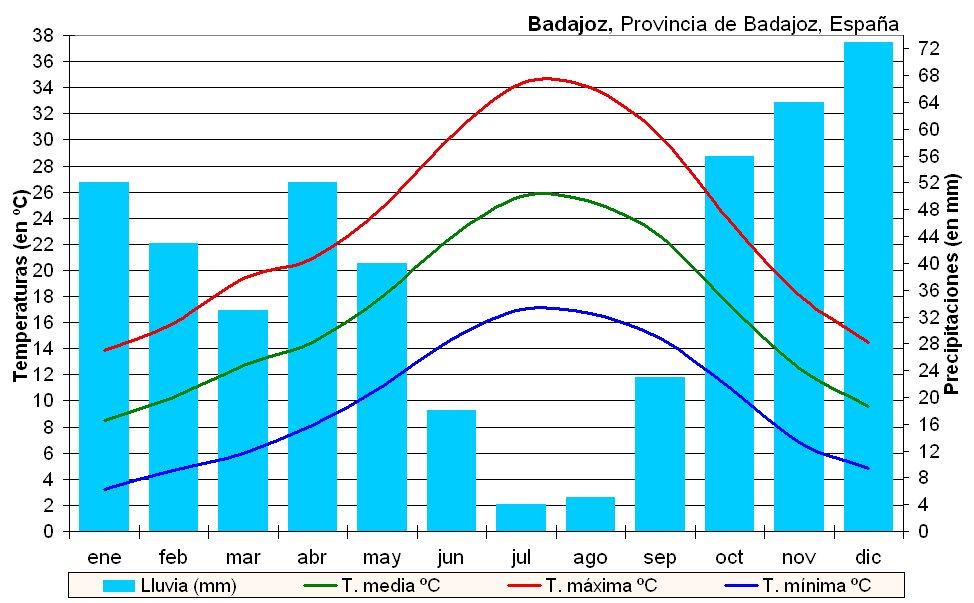
Summer transforms the city into a kiln. July temperatures regularly exceed 40°C, turning the Alcazaba's stone into a griddle that would shame a Tyneside bakery. Winter brings Atlantic rains that sweep up the Guadiana valley, filling the river until it laps at the fortress walls. Spring and autumn provide the sweet spot – warm enough for outdoor dining, cool enough for climbing medieval walls without heatstroke.
The river path beneath the fortress offers relief during summer evenings, though local advice suggests avoiding it after dark. What appears romantic at sunset becomes something else entirely when the streetlights fail to penetrate the plane trees. British visitors used to well-lit waterfronts should adjust expectations accordingly.
San Cristóbal fort across the river promises panoramic views but operates on Spanish time – meaning it opens only when someone remembers to unlock it. Phone ahead or face a wasted journey. The tourism office, hidden in a modern building near the cathedral, stocks English leaflets but keeps irregular hours. Typical Extremadura: magnificent heritage, casual approach to visitor management.
Food That Bridges Cultures
The local cuisine reflects borderland pragmatism. Migas extremeñas transforms yesterday's bread into today's comfort food – fried breadcrumbs with garlic and bacon that tastes like Sunday lunch reinvented. Queso de la Serena, made from Merino sheep milk, spreads like butter across crusty bread, mild enough for British palates weaned on Cheddar.
Order caldereta de cordero and receive lamb stew that wouldn't shame a Yorkshire pub, though the Spanish version arrives with more paprika and less mint sauce. Pestiños, honey-drenched fritters sprinkled with sesame, provide the sugar hit British travellers crave mid-afternoon when siesta culture shuts down normal service.
Tapas crawl through the old town reveals another borderland quirk – portions that would qualify as mains elsewhere arrive for the price of British bar snacks. The local wine, from nearby Tierra de Barros, costs less than bottled water and proves considerably more interesting. Just remember: ordering before 8pm marks you immediately as foreign.
More Than a Pit Stop?
Badajoz challenges the British habit of rushing between highlights. Stay longer than a morning and the city reveals its rhythms: elderly men debating politics in Plaza Alta, children kicking footballs against cathedral walls, women selling lottery tickets outside shuttered shops. It's ordinary Spain, unfiltered by tourism committees or Instagram influencers.
The cathedral's fortress-like architecture speaks to a history of border warfare, yet inside, the Gothic-Renaissance blend feels almost English in its pragmatic beauty. The Fine Arts Museum occupies a former palace where aristocrats once plotted against Portuguese neighbours. Now it houses Zurbaráns and contemporary Extremaduran art that few outside Spain ever see.
Evening brings the paseo – that Spanish institution where entire families stroll the main streets precisely at sunset. Join them along Calle Menacho, where boutiques give way to bars serving gin-tonics the size of goldfish bowls. The British habit of vertical drinking looks positively uncivilised compared to these horizontal social gatherings that stretch past midnight.
Leave before understanding Badajoz and you'll wonder why you bothered. Stay long enough to see the Alcazaba lit against a summer sky, Portuguese hills shimmering beyond, and the city makes perfect sense. It's not pretty, not charming, not any of those guidebook words that reduce places to postcards. Instead, it's resolutely itself – a frontier city that learned to thrive between cultures, languages, and nations.
Just remember to bring that torch. The darkness in those medieval towers is absolute, and unlike Britain, nobody's installed health-and-safety lighting to hold your hand.