Full Article
about La Albuera
Historic site known for the 1811 battle; it has a visitor center and a landscape of endorheic lagoons.
Hide article Read full article
A brief stop outside Badajoz
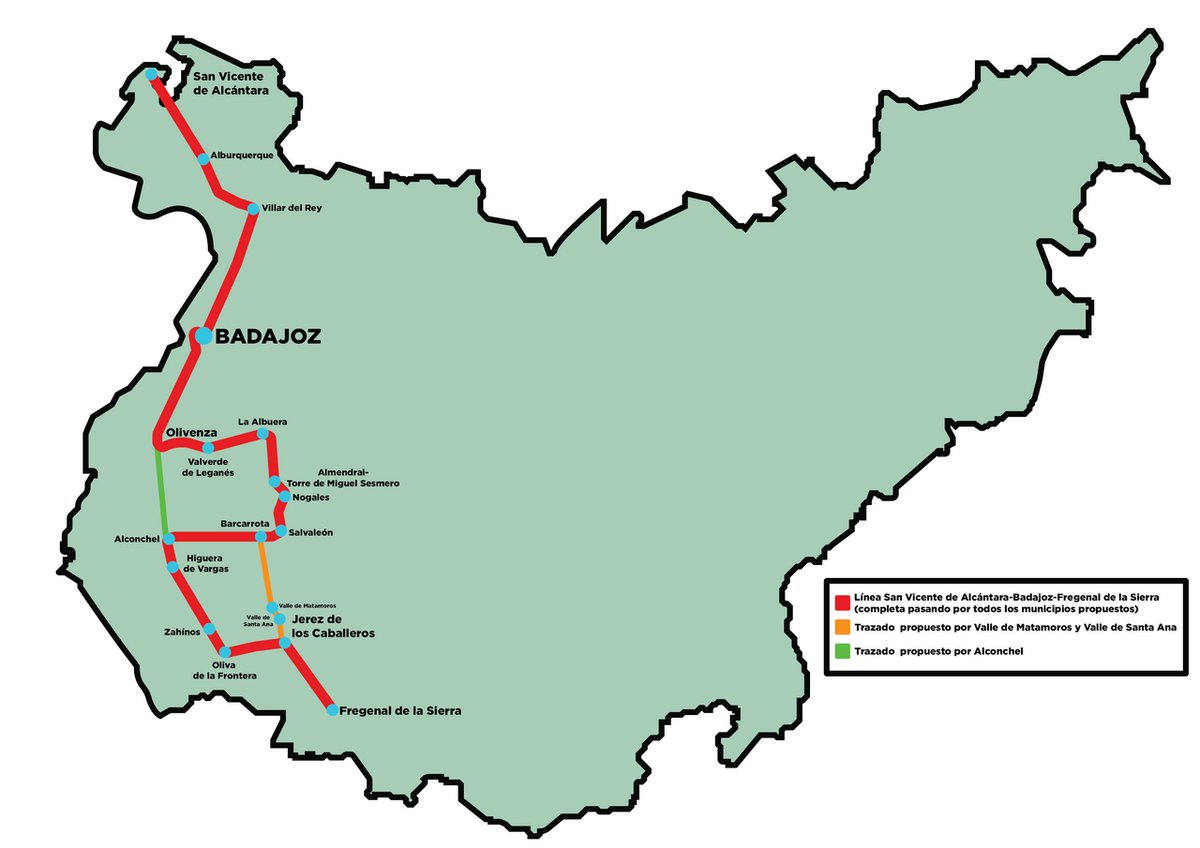
Tourism in La Albuera tends to be just that, a short stop rather than a destination in its own right. The village sits around 25 kilometres from Badajoz, reached by the BA‑020, and the drive takes roughly half an hour. It’s the sort of place people pass through or pause in while exploring the wider Tierra de Badajoz area.
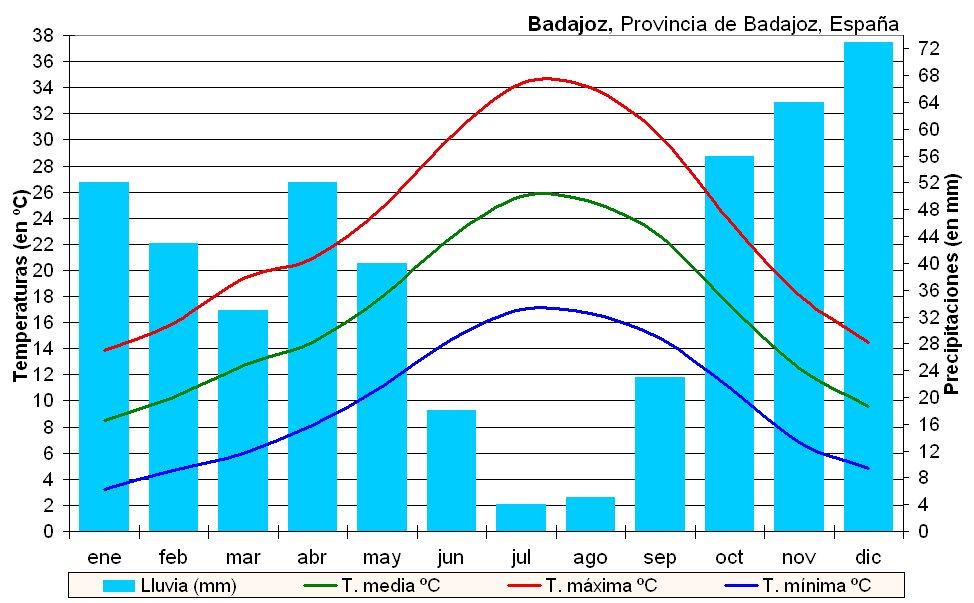
Parking near the centre is usually straightforward if you arrive early in the day. By mid-morning it becomes a bit more awkward, though still manageable. La Albuera has a population of around two thousand people, and the landscape is notably flat. In summer, the heat can be intense, so it makes sense to get around early or wait until later in the evening when temperatures ease.
There’s no sense of rush here. The pace is slow, the layout simple, and the visit tends to be short by design.
The village centre
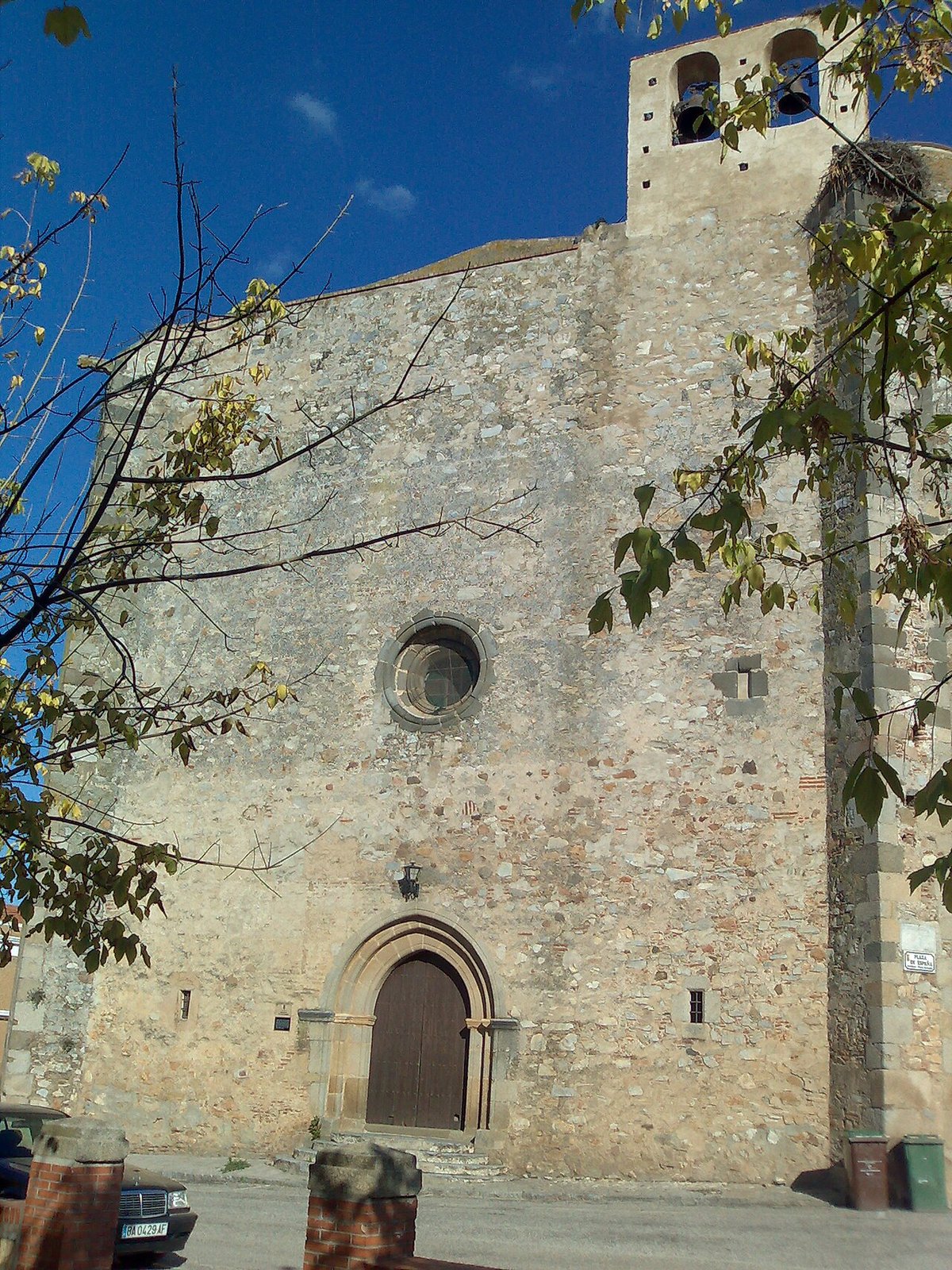
The most obvious landmark is the parish church of Nuestra Señora de la Concepción. Its tower rises above the surrounding streets and works as a natural point of reference when walking around. You’ll spot it from different angles as you move through the centre.
Inside, the church is modest. There’s nothing particularly grand or ornate, but it retains the feel of a working parish, still part of everyday life rather than a preserved monument. That sense of continuity shapes much of what you see in La Albuera.
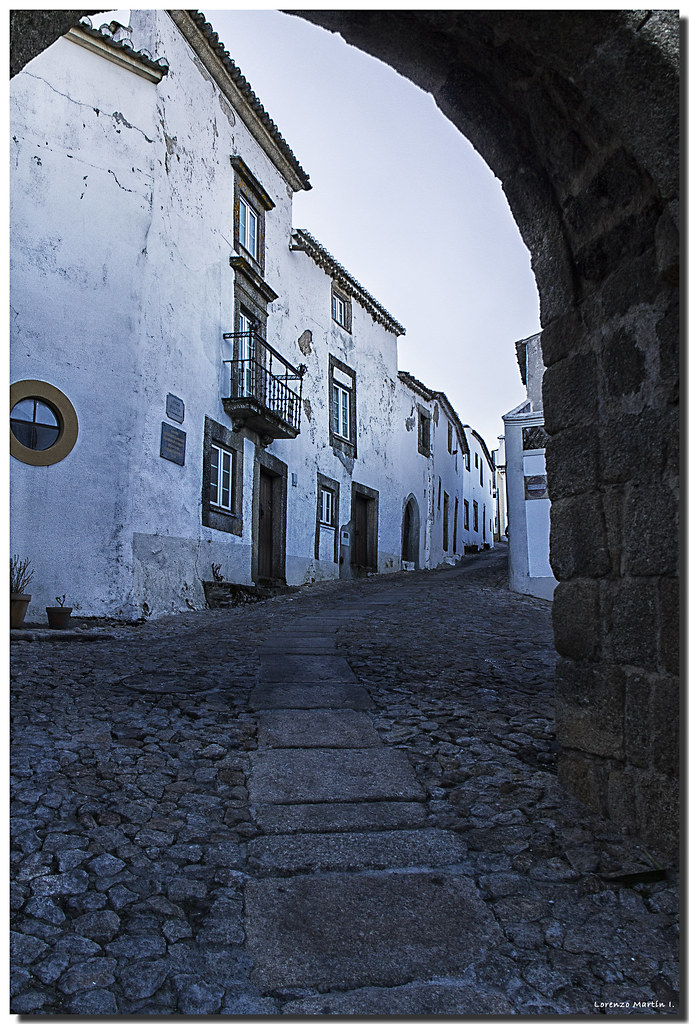
Beyond the church, the urban layout follows a familiar pattern for this part of the province. Streets are narrow, houses are whitewashed, and buildings rarely rise more than a couple of storeys. There are no major historic structures or large, formal squares to anchor the townscape. It’s compact and easy to navigate, and you can cover the centre on foot in a short amount of time.
The simplicity is part of the character. Nothing feels arranged for visitors, and there’s little in the way of obvious highlights competing for attention. It’s a place to walk through rather than tick off.
Open land and quiet routes
Step outside the built-up area and the surroundings open out quickly. Olive groves appear alongside patches of dehesa, the traditional landscape of scattered trees and grazing land typical of Extremadura, as well as cultivated fields. The terrain is largely flat, which makes moving through it straightforward.
There are agricultural tracks that can be followed on foot or by bicycle, without much in the way of steep climbs. These routes aren’t formal walking trails, and many aren’t signposted, so the experience is informal rather than structured.
The Guadiana river runs nearby. In certain stretches, the landscape shifts slightly, with areas that feel cooler and a bit greener. These sections stand out against the otherwise open and dry terrain. If you’re interested in birdwatching, winter tends to bring more activity to the wetlands and waterways in the area, with birds gathering around these quieter spots.
This is not a curated countryside with marked viewpoints or facilities. It’s working land, used and shaped by local routines, and that’s what defines the experience of being there.
Local celebrations through the year
The annual calendar in La Albuera revolves around local traditions rather than visitor-focused events. The main festivities are linked to Nuestra Señora de la Concepción in December, the village’s patron saint. During these days, the atmosphere is centred on the community itself, with celebrations that reflect local participation more than outside interest.
Spring brings Semana Santa, or Holy Week, marked by religious processions that are common across Spain, and the Cruces de Mayo, a seasonal celebration where decorated crosses are displayed. These events form part of a broader cultural rhythm that repeats each year.
In winter, the traditional matanza, the preparation of pork products, continues mainly as a family gathering. It isn’t organised as a spectacle or attraction, but it remains an important social moment within the village. Visitors might not encounter it directly, yet it still shapes the timing and feel of the season.
Overall, these occasions aren’t designed with tourism in mind. They reflect everyday life and long-standing customs, which continue regardless of who happens to be passing through.
When to go and how long to stay
La Albuera is quick to see. A walk through the centre, a visit to the church, and a wander along a few nearby streets will give you a clear sense of the place. One or two hours is usually enough.
The surrounding countryside is more pleasant between autumn and spring, when colours shift and walking becomes more comfortable. The landscape feels less harsh, and the experience of being outdoors is easier to enjoy. In summer, the dominant impression is dryness, and the heat limits how much time you’ll want to spend outside, especially in the middle of the day.
If you’re travelling through this part of Extremadura, it works well as a short stop along the way. Park, take a relaxed stroll, and then continue your route. La Albuera doesn’t aim to hold your attention for an entire day, and it doesn’t need to.