Full Article
about La Codosera
Border town with Portugal, ringed by lush nature; known for the Santuario de Chandavila and its natural pools.
Hide article Read full article
A village shaped by land and border
In the early afternoon, as the sun begins to tilt westward, the air in La Codosera carries the scent of dry grass and freshly turned soil. A car might pass slowly along the main road, then quiet returns almost immediately. Tourism in La Codosera does not revolve around big attractions or set-piece sights. Instead, everything follows the pace of the countryside, the wide dehesas and the nearby Portuguese border, crossed so easily it barely feels like a division.
The village sits at around 355 metres above sea level, surrounded by holm oaks and cultivated plots. Houses are low, many with inner courtyards and thick walls designed to keep interiors cool during the summer heat. There is no tightly packed historic centre as seen elsewhere. Streets spread out more loosely, calm and practical, where daily life still connects closely to kitchen gardens and the livestock that move across the surrounding land.
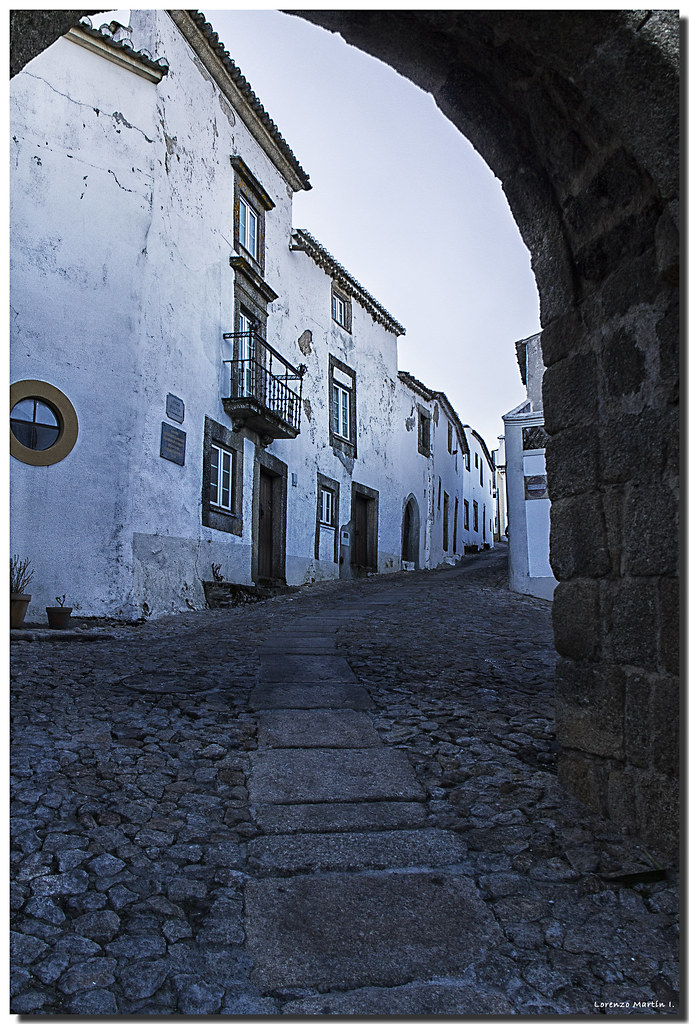
Portugal is not something separate here. It blends into everyday life. Families live on both sides, accents mix, and customs pass naturally from one country to the other. Old iron window grilles and granite walls still appear on some balconies, quiet reminders of a time when exchange with nearby Portuguese villages was simply part of daily routine.
Stone, hills and quiet landmarks
The parish church of San Pedro Apóstol rises above the surrounding houses. Its construction is usually dated to the 16th century, and its stone tower can be seen from several points across the village. Inside, the atmosphere is restrained: Baroque altarpieces, dark wood and a cool, dim light that offers relief during the hottest hours of the day.
A short distance away, on higher ground, stands the hermitage of San Sebastián. The walk up takes around ten minutes along a simple path edged by stone walls and low vegetation. At the top, the landscape opens out. Dehesas stretch across the view, dotted with holm oaks, marked by livestock enclosures and, on clear days, rolling hills that continue into Portugal.
In the centre, a few larger houses from the 17th and 18th centuries still remain. They do not immediately draw attention, but a closer look reveals carefully worked granite doorways and iron balconies. These details point to a period when cross-border trade brought a steady flow of activity to the area.
Walking through the dehesa
The surroundings of La Codosera are defined by dehesa, a traditional landscape of scattered holm oaks, open pasture and seasonal streams. It is not arranged for visitors or designed as a park. This is working land, where livestock moves between fenced areas and tractors appear along the tracks.
Several rural paths begin in or near the village and can be followed without much difficulty. Some trace the course of small streams, while others cross farmland where the remains of old flour mills still stand. These are not restored or signposted as monuments. They sit quietly in the landscape, partially covered by vegetation and easy to overlook.
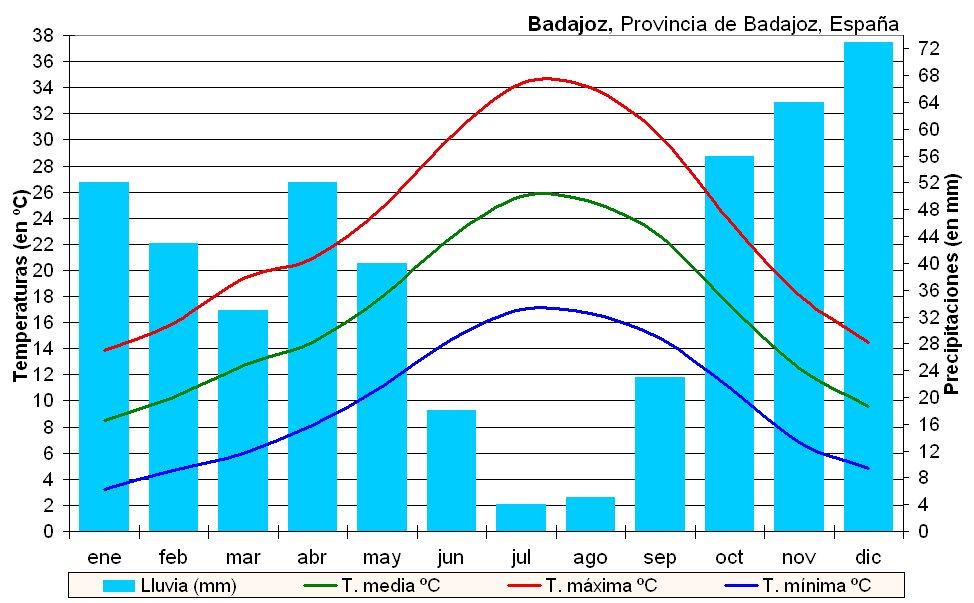
Timing matters if you plan to walk. The midday sun in summer is intense, and shade is limited outside the larger trees. In contrast, late winter and spring bring a noticeable change. Grass grows taller, wildflowers appear, and bird activity increases across the fields.
Food rooted in the land
Local cooking reflects what the land provides, especially pork from the Iberian pig, a breed typical of this part of Spain. Dishes tend to be simple and filling. Migas, made from breadcrumbs fried with garlic and other ingredients, appear alongside hearty stews and a range of cured meats often produced through family pig slaughters.
The offer is not especially varied, but portions are generous and flavours direct. Cheese from the area is also common, made from sheep’s milk or mixed milk. It often appears either as a small tapa or served at the end of a meal.
Living between Spain and Portugal
The closeness of Portugal is central to the character of La Codosera. Crossing the border takes only a few kilometres, and many residents do so regularly, whether for shopping or to visit relatives. Some details shift when you cross, such as the language on signs or daily schedules, but the landscape remains consistent. Dehesa continues on both sides, along with small villages and quiet roads.
This shared environment softens the idea of a border. It becomes less a dividing line and more a subtle transition, noticeable but not disruptive.
Traditions that continue quietly
Local celebrations remain closely tied to both the religious calendar and agricultural life. At the end of June, the village marks the fiestas of San Pedro with processions and activities in the streets. During the summer, events linked to San Sebastián also take place, connected to the hermitage on the nearby hill.
In winter, the traditional pig slaughter still takes place in some households. This is not a public or tourist event. It happens privately, within families, following long-standing practices. Even so, it remains one of the clearest ways to understand how life in this area has been organised over generations.
Reaching La Codosera
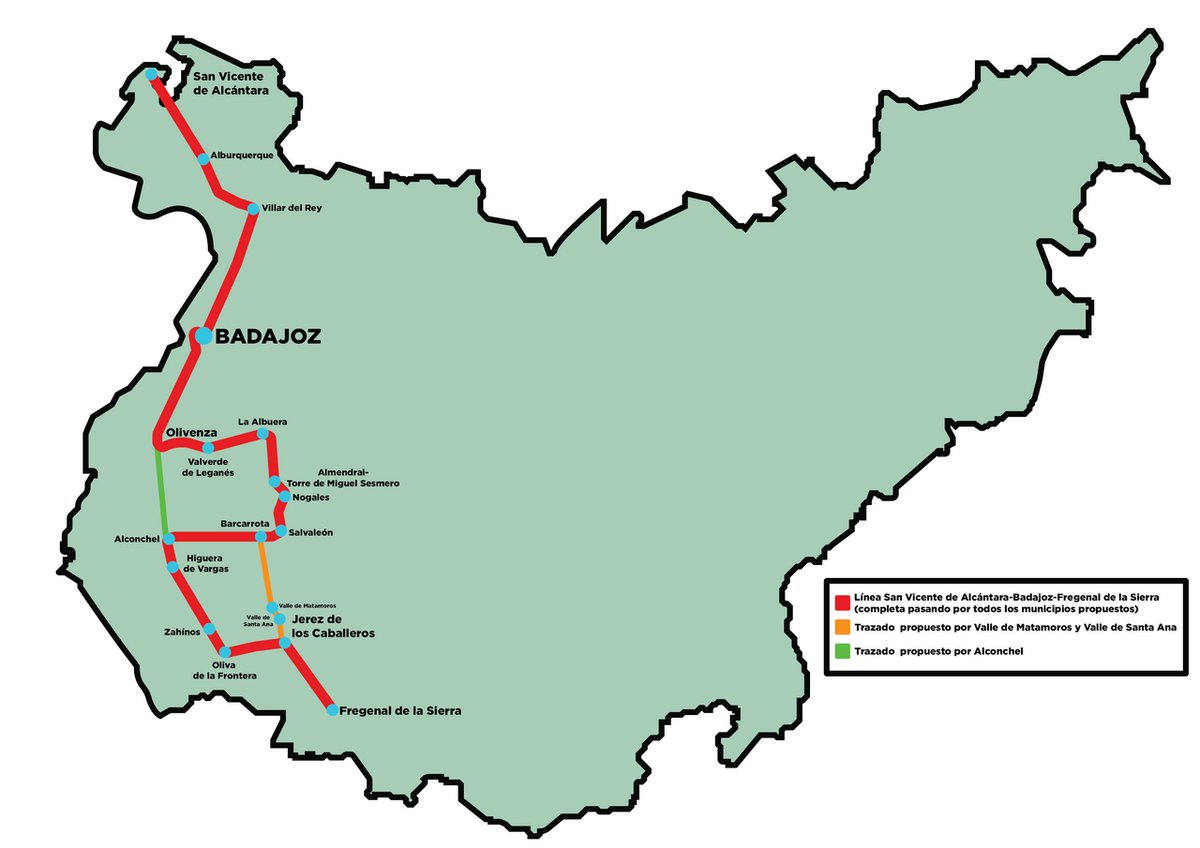
La Codosera lies about 80 kilometres from the city of Badajoz. The most common approach is via the EX-110 road heading north. The drive takes roughly an hour, passing through increasingly open countryside. Holm oaks become more scattered, livestock farms appear more frequently, and the sense of nearing the Portuguese border gradually becomes clear.