Full Article
about Talavera la Real
A key town near Badajoz and the airport; farming tradition and birthplace of conquistadors.
Ocultar artículo Leer artículo completo
The church bell strikes noon and the only other sound is a fighter jet somewhere overhead. In Talavera la Real the two noises are equally normal: one belongs to the fifteenth-century tower of Santa Catalina, the other to the nearby air-force base whose runway ends barely two kilometres from the olive-lined square. It is this odd marriage of timeless pasture and military precision that gives the village its character—not postcard-pretty, but quietly confident in its own skin.
A Plain That Thinks It’s a Plateau
At 188 m above sea level the land feels lower than it is. The horizon sits so wide that summer clouds cast shadows the size of counties and winter wind arrives without a hedge to slow it. Locals call the terrain la penillanura, a word that admits the ground is technically flat yet still somehow rolling. The soil changes colour every month: iron-red after ploughing, silver-green when the wheat is young, then the baked-biscuit brown that signals the start of la seca. British visitors expecting Andalusian hills will find instead a landscape closer to Norfolk with sunshine and storks.
The easiest way to arrive is to fly into Badajoz airport, ten minutes away by hire car. From the terminal you drive past sunflower fields and the white radar dome that looks like a golf ball balanced on a tee. There is no train; the bus from Badajoz runs three times daily and drops passengers at the edge of the N-432, a five-minute walk to the centre. On Tuesdays and Fridays a market takes over Plaza de España: folding tables piled with judías (butter beans), pimentón sold by the scoop, and Torta de la Serena cheese that oozes like fondue if you leave it in a hot car.
Pork, Pasture and the Persistence of Memory
The dehesa begins where the last street lamp ends. These open oak woods are the village’s larder: Iberian pigs root for acorns from October until February, cows graze the same ground in summer, and every part of the animal is used. In the bar La Dehesa you can order carrillada (pig’s cheek) stewed with pimentón and cloves; the meat collapses into threads the colour of burnt umber. A plato combinado—grilled loin, chips, roasted pepper—costs €9 and arrives on a tin plate too hot to touch. Vegetarians get migas: breadcrumbs fried with garlic and grapes, salty-sweet and filling enough to cancel dinner.
Food times are non-negotiable. Kitchens close at 14:30 sharp; turn up at 14:35 and you will be offered a packet of crisps and a shrug. Likewise, most bars shut by 22:00, so the English habit of eating at nine feels positively metropolitan. Cash is king: the village’s only ATM, inside the BBVA on Calle Real, often runs dry on Saturday evening when everyone tops up for the Sunday family meal.
When the Runway Lights Replace Street Lights
The air base is the largest employer and the reason the population hovers either side of 5,000 instead of shrinking like dozens of neighbouring villages. Civil Guard helicopters share tarmac with F-18s; on open-days the museum displays an Mirage nose-cone painted with a bull’s head, a relic from the Ejército del Aire’s aerobatic team. Enthusiasts can visit one weekend a month—check Facebook for the next jornada de puertas abiertas. The rest of the time the perimeter road is a favourite with cyclists who swear the asphalt is smoother than any in the province.
Noise is part of the bargain. House windows rattle during take-off drills and primary-school lessons pause until the sound fades. Residents insist they barely notice; visitors should pack ear-plugs if they plan an afternoon siesta in July when training peaks.
Festivals that Finish with Soup
Late November belongs to Santa Catalina, the patron who saved the village—according to local lore—from Portuguese soldiers in 1642. The programme mixes solemnity with practicality: morning mass, afternoon brass band, and by 20:00 the caldo tent opens. For €2 you receive a clay bowl of broth thick with chickpea skins and scraps of morcilla. It is comfort food designed for nights when the levante wind pushes the temperature below five degrees. Fireworks follow, set off from the old football pitch so that the bangs echo across the plain like distant artillery.
August reverses the mood. The summer fiestas start with foam parties in the municipal pool and end with a toro de fuego—a framework of fireworks wheeled through the streets while brave (or drunk) youngsters dodge sparks. British travel writers sometimes tut at such traditions; here they are simply what happens when a small place decides to let off steam.
Walking, Birding and the Art of Turning Round
There are no signed footpaths in the village itself, but a web of farm tracks heads east towards the Arroyo de Valuengo. In March the banks are white with arum lilies and the air smells of crushed fennel. Storks nest on every pylon; their bills clatter like castanets when you wander too close. Allow ninety minutes for the circular route that passes the ruined chozos—stone shepherds’ huts now home to geckos and the occasional jabalí track pressed into dried mud.
Serious walkers can drive 25 minutes to the Sierra de San Pedro, where limestone ridges rise to 600 m and griffon vultures ride thermals above your head. Take water: cafés are scarce once you leave the main road and phone signal vanishes in the valleys.
Practicalities Without the Pep Talk
Accommodation is limited to two small hotels and a handful of casas rurales. The Hostal Rocío on Avenida de Extremadura charges €45 for a double room with bathroom; walls are thin and the wifi patchy, but the coffee downstairs is decent and the owner keeps a UK-to-Spain plug adaptor behind the bar. Self-caterers should stock up in Badajoz—the local Supermercado Día shuts on Sunday and public holidays.
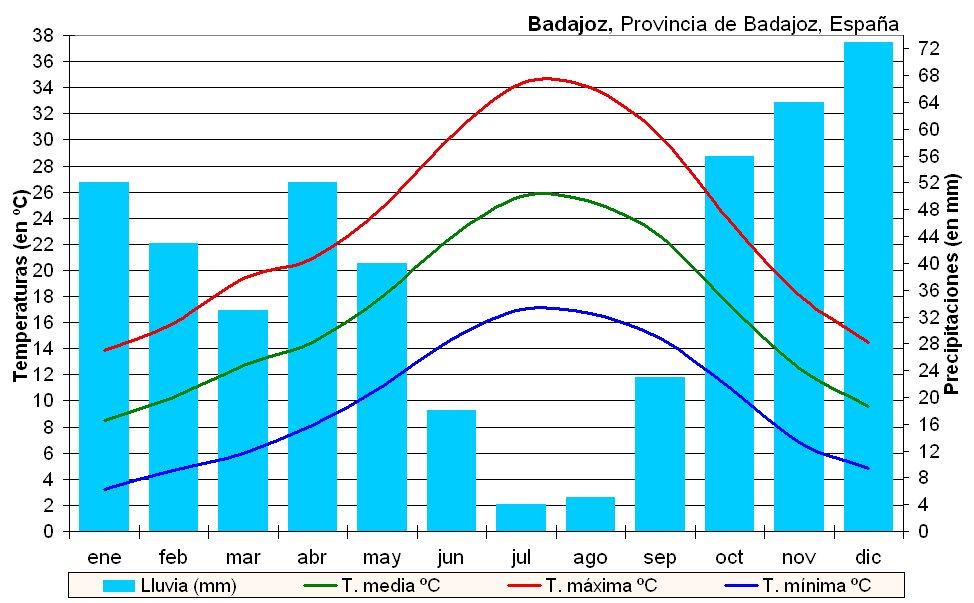
Rain is rare but spectacular: the plain floods in minutes, turning roads into mirrors and stranding cars on low sections of the N-432. If you visit between December and February, pack waterproof shoes and a healthy respect for Spanish drainage.
English is thin on the ground. A phrase-book or offline Spanish dictionary will save embarrassment when the bar menu lists criadillas (bull’s testicles) and you thought you were ordering chicken. Politeness goes a long way: greet the staff with buenos días before launching into questions and they will usually slow their speech to something approaching comprehensible.
Talavera la Real will never feature on a glossy cover of “Spain’s Most Beautiful Villages”. It has no cliff-top views, no hammam, no Michelin stars. What it offers instead is the chance to see an ordinary place doing ordinary things with quiet pride—slaughtering the pig, sweeping the square, closing the metal shutters at siesta time while a fighter jet climbs into the big empty sky. Stay a night, or just pause for coffee and a pestiño on the way to Portugal. Either way, you will leave knowing you were somewhere real.