Full Article
about Entrín Bajo
Small farming town in Tierra de Barros; known for its vineyards and olive groves and its plain architecture.
Hide article Read full article
At eight in the morning, the main square of Entrín Bajo is still only half awake. A door opens somewhere, a metal shutter scrapes briefly, and the smell of fresh bread drifts into the cool air coming in from the surrounding fields. The whitewashed façades catch a soft, almost pale light. At that hour, the village moves slowly, as if the day has only just begun.
Entrín Bajo is small and notably orderly. The streets are straight and wider than in many nearby villages, and many houses follow the same pattern: a simple frontage, a large doorway and, behind it, a courtyard where chairs sit in the shade during summer. In the square stands the parish church, built with a mix of brick and stone, its lines plain and unadorned. It is not a grand monument, yet it marks the centre of the village naturally. This is where streets meet, and where everyday life crosses paths.
The Tierra de Barros landscape
A short walk is enough to leave the built-up area behind and step into the landscape that defines this part of Extremadura. Entrín Bajo sits in the heart of Tierra de Barros, a region known for its reddish, fertile soils where agriculture has shaped daily life for generations.
In winter, vineyards and olive groves spread across dark, damp earth, sometimes interrupted by puddles along the tracks. Spring brings a shift in colour, with green covering the plots and the air carrying the scent of newly grown grass. By summer, the transformation is complete: fields turn ochre and gold, and the heat builds from mid-morning onwards.
Tracks branch out across the surrounding land, used daily by tractors and local residents. They are flat and easy to follow, though they are not signposted routes. After several days of rain, some stretches become thick with sticky mud, something typical of this region, and walking becomes noticeably slower.
Walking without a plan
Entrín Bajo is not a place for ticking off major sights or moving quickly from one attraction to another. What fits here is a slower rhythm: circling the square, following a street to the edge of the village, then continuing a little further into the surrounding fields.
From the outside, the low profile of the village becomes clear, with houses clustered together and the bell tower rising only slightly above the rooftops. Towards evening, as the sun drops to the west, the light warms and the whitewashed walls begin to reflect golden tones while the fields gradually darken.
It is a quiet moment. A car may pass on its way back from the fields, dogs bark in the distance and, if there is wind, the dry rustle of olive leaves carries across the open land.
Local life and celebrations
The main festival linked to the village’s patron saint is usually held in June. There is a procession through the streets near the square, and those days bring a noticeable increase in activity among residents. In summer, it is also common for gatherings or romerías to take place in the nearby countryside. These are traditional outdoor celebrations, often with a social or religious element, where people come together in open spaces.
At these times, family members who live elsewhere often return, and the village feels a little fuller than usual. These events are not designed to attract large crowds. They function more as meeting points for those who have a connection to the place.
When to go and what to expect
Spring and autumn are the most comfortable times to walk around Entrín Bajo and its surroundings. Temperatures are milder, making it easier to follow the agricultural tracks without the intensity of summer heat.
In August, it is better to move early in the morning or later in the evening. At midday, the sun falls directly over the fields and there is very little shade beyond the village itself. After several days of rain, sturdy footwear becomes important if you plan to head out along the tracks, as the mud can be difficult underfoot.
A brief stop in Tierra de Barros
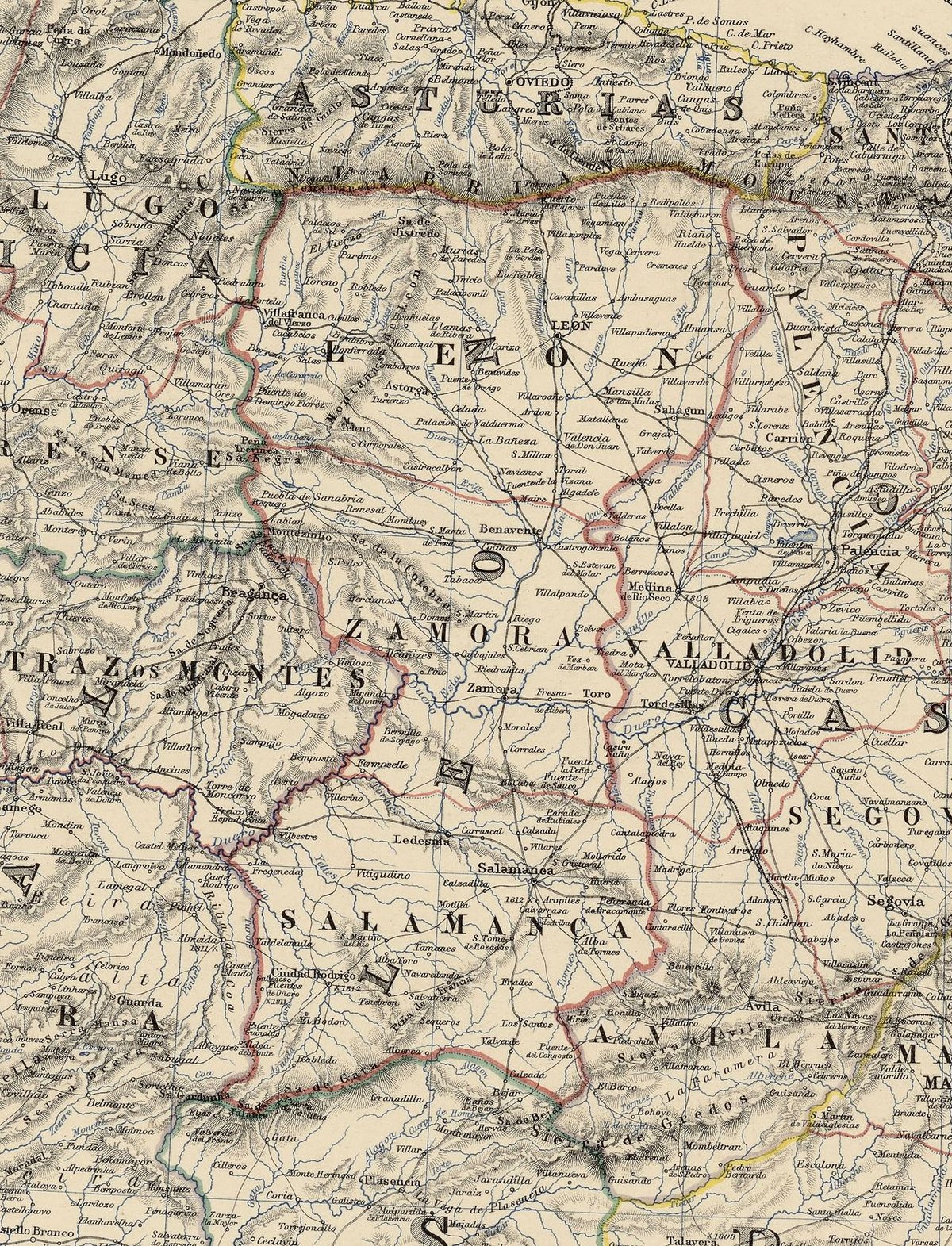
Entrín Bajo is often visited as part of a wider route through the Tierra de Barros region. On the map, it sits close to larger towns, and it can be reached by road without detours, passing through landscapes of vineyards and cereal fields.
There is no need to set aside an entire day. A walk through the village and a short wander into the nearby countryside is enough to grasp the rhythm of the place: simple houses, clearly defined plots of land, and a strong sense of worked soil that characterises the whole region. Everyday life appears here without embellishment, and that clarity is part of what makes it distinctive.