Full Article
about Ribera del Fresno
Birthplace of Meléndez Valdés; town with rich heritage and wine-making tradition on the edge of Tierra de Barros
Hide article Read full article
The shadow of the church tower stretches across the plaza, long and thin in the early light. It is quiet enough to hear a shutter roll up, the clatter of a café setting out chairs. The air at this hour carries a particular scent: dry earth from the surrounding fields, a trace of last night’s cooling pavement, the first bread from the oven on Calle Larga. This is Ribera del Fresno before the day’s heat settles in, a town in Tierra de Barros that moves to the rhythm of its farmland.
A landscape defined by red and green
You notice it first from the road. By late summer, the fields shift from the dusty green of vines to patches of vivid red. That is the Pimiento de Fresno, a pepper with thick flesh and no heat, grown here for generations. Men and women move through the rows, filling boxes that line the dirt tracks. In some courtyards, you can still see strings of them drying in the sun, hung against whitewashed walls like rustic garlands.
This is not scenery arranged for visitors. It is work. The rhythm dictates everything. When the grape harvest follows, the smell in the air changes to sweet must and turned soil. Meals are practical: migas cooked in large pans, often eaten outside in a courtyard shaded by a fig tree. The food is straightforward, born from needing something substantial after hours in the field.
The weight of stone and memory
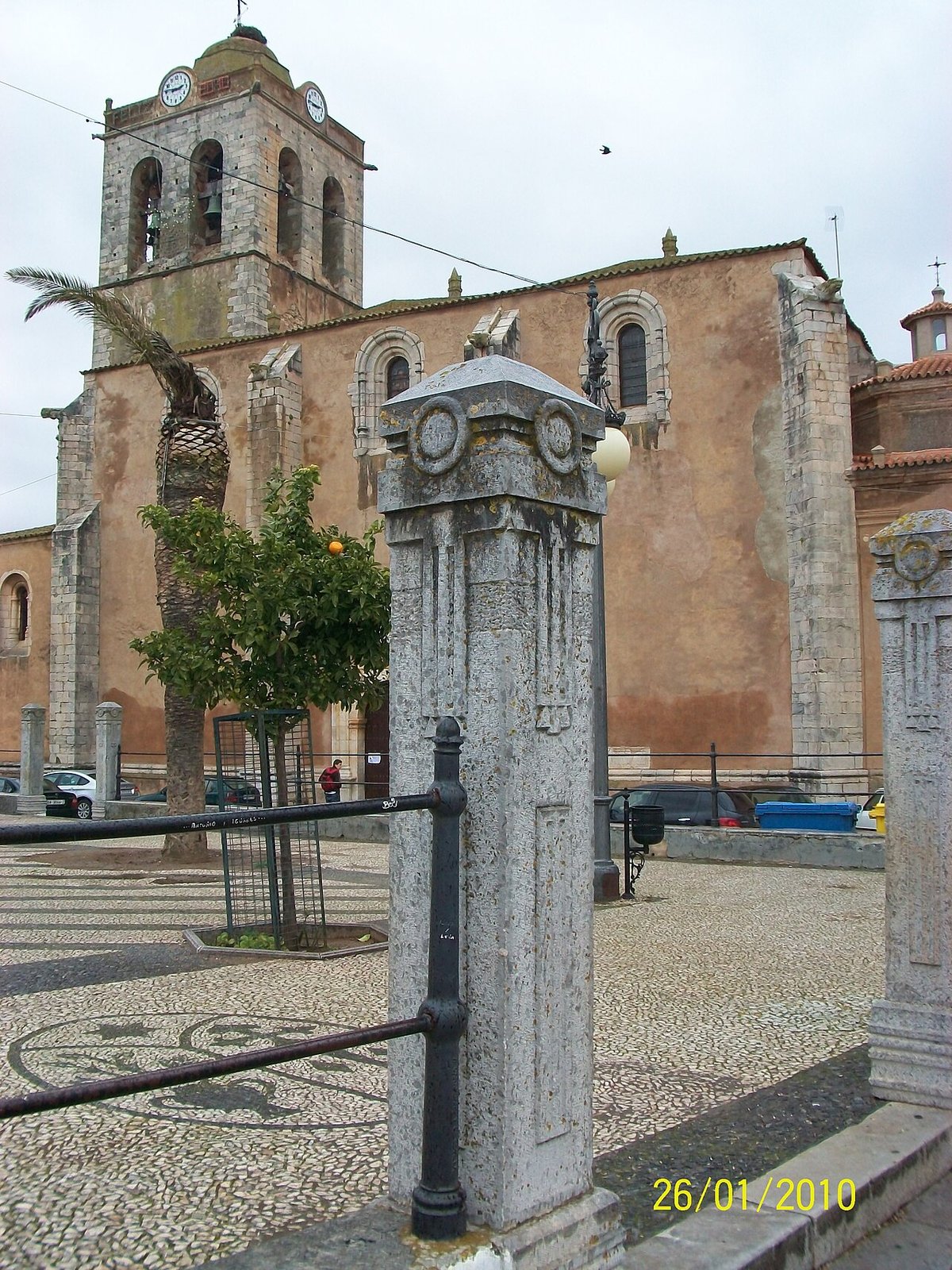
The church of Nuestra Señora de Gracia anchors the main square. Its stone has darkened with age, and its tower is a landmark you glimpse between rooftops. Inside, when the door is open, light falls on a baroque altarpiece. The gilding looks different at noon than it does in the late afternoon; sometimes it gleams, other times it seems almost smoky.
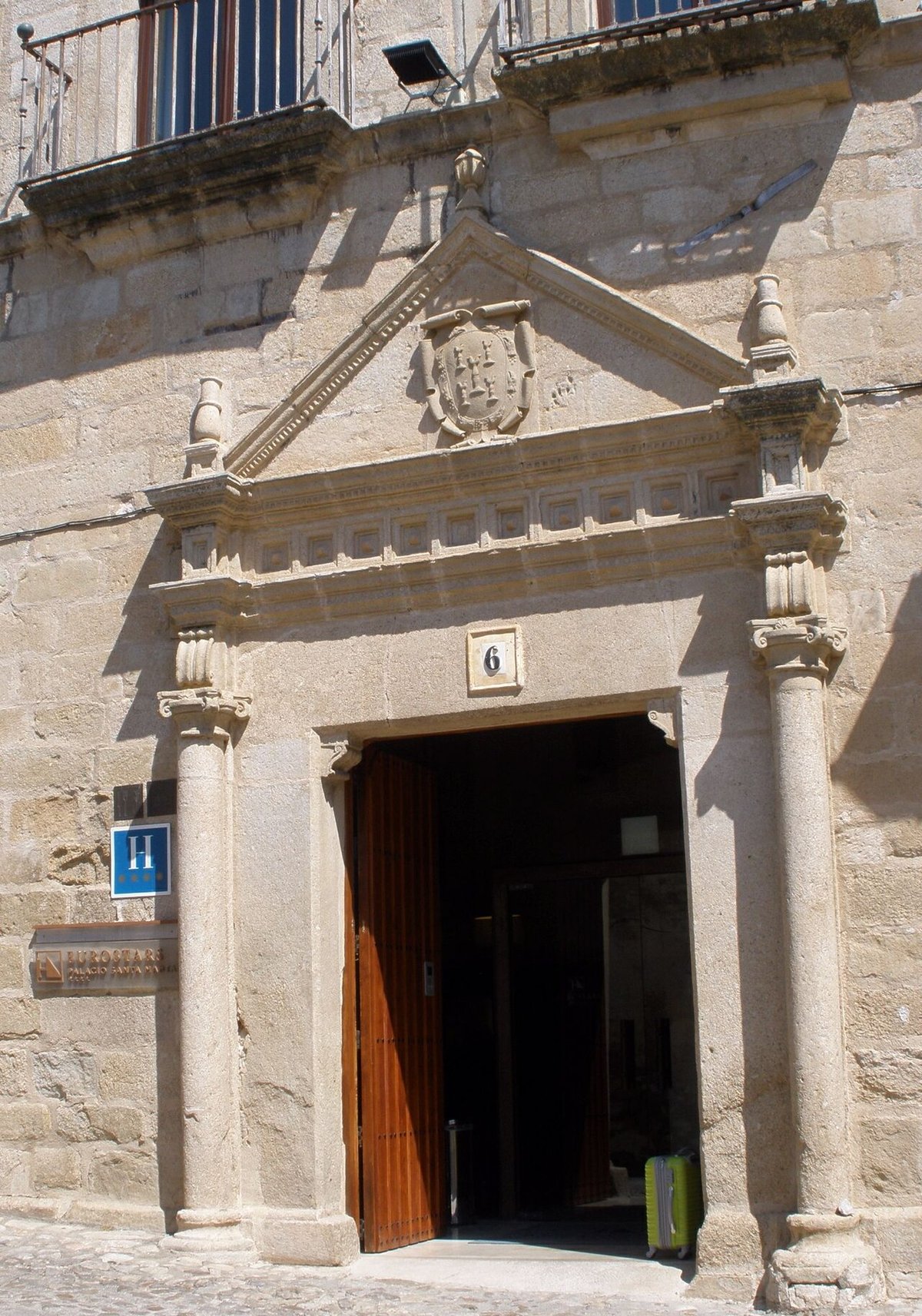
Look closer at the walls and you’ll find worn gravestones and family crests. They speak of a time when this was a more prominent town in the district of Mérida. Local conversation still holds onto another name: Juan Meléndez Valdés, an Enlightenment poet born here. His presence is felt more in casual mentions than in grand monuments.
The walk to where the water may be
Take any track leading out from the last houses. It will wind through olive groves and vineyards until it reaches the Laguna de la Parroquia. Do not expect a postcard lake. This is a seasonal wetland. In a good year, it holds a broad sheet of water where birds rest. In a dry summer, it’s a basin of cracked earth and hardy grasses.
The walk is flat and open. There is no shade. Bring water, and avoid the central hours of day from June through August. The silence out here is immense; you hear your own footsteps, the rustle of a hare in dry brush. Go in spring if you want to see water. Go in autumn to feel the vast, exposed sky of the llanura.
When the town fills with voices
September marks a change. Families return, closed houses reopen. The fiestas for the Virgen del Valle turn the focus to the streets. Temporary stalls appear, and conversations everywhere circle back to the pepper harvest—comparing sizes, yields, flavours. It is a local pride that is tactile and specific.
As evening cools the air, people bring chairs out onto the pavement. They sit in doorways, talking as night falls. This is not staged tradition; it’s simply how life is lived here when the heat breaks. The sound shifts from daytime work to murmured conversation under a deepening blue sky.
A practical rhythm
Ribera del Fresno is connected by road to Mérida and Almendralejo. Coming by car is simple. Once here, park near the centre and continue on foot; you can cross the entire town in fifteen minutes.
If you visit in summer, structure your day around the sun. Be active early or late. The hours between noon and four are for retreat, not exploration. September provides a better balance: harvest activity in the fields, a lively social pulse in town, and temperatures that are less severe.
The light in Tierra de Barros has a particular quality in autumn, clear and golden. It falls on white walls and red peppers with equal intensity, drawing a sharp line between shadow and sun. That light tells you more about this place than any brochure could.