Full Article
about Solana de los Barros
A farming town on the Guadajira plain, known for its vineyards and olive groves.
Hide article Read full article
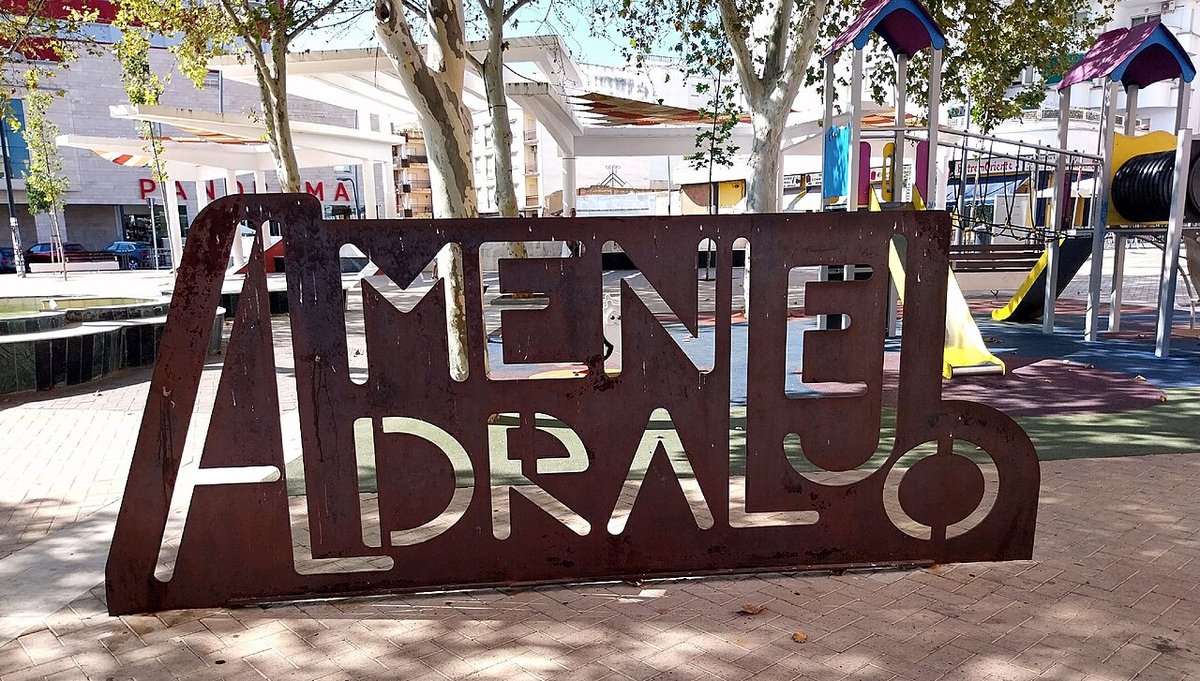
If you arrive in Solana de los Barros, park near the Plaza Mayor or in one of the surrounding streets. Around midday there is a little shade, and from there everything is within easy walking distance. The village is small. A relaxed circuit of the centre does not take long.
Solana sits in the comarca of Tierra de Barros, an agricultural area of Extremadura known for vineyards and open countryside. What you find here is not a concentration of headline monuments but a mix of parish records, scattered remains and fields stretching out around the built-up area. For some travellers that is precisely the point.
Stone walls and distant empires
The church of Santa María Magdalena dominates the village skyline. Thick walls and a square tower give it a defensive look, more solid than decorative. From the outside it can seem almost like a single block of stone rising above the surrounding houses.
Inside there are no grand artistic surprises. The most frequently mentioned piece is a 16th-century baptismal font, considered the oldest surviving element in the building. The parish registers hold some of the earliest records of the modern settlement. Among those entries are references to enslaved people, something that was relatively common in this part of Extremadura for centuries. Local archives document several cases linked to major landowners of the time. It is a reminder that rural history here includes chapters that are often overlooked.
Beyond the urban centre, about two kilometres away, there are references to Roman remains. Ancient rural villas once stood in places known as Los Castillejos and Panes Perdidos. They are not signposted and what survives are scattered foundations among cultivated fields. There is no formal visitor infrastructure. Ask around in the village and people will quickly point you in the right direction.
La Pijotilla is also frequently mentioned. This is an important prehistoric site in Tierra de Barros, though part of it remains unexcavated. On the ground you mostly see gentle rises and open farmland. The visible traces are limited, so it helps to arrive with some idea of what once existed here. Without that context, it can look like little more than countryside.
Cooking by the pot
Food in Solana de los Barros follows the logic of the land and the seasons. Dishes are based on the pot and slow heat rather than elaborate presentation. Caldereta de cordero, a lamb stew typical of Extremadura, usually appears on Sundays or at family gatherings.
Spoon dishes are common, especially those built around cardoon, chickpeas and meat. Migas, made from stale bread fried with garlic and torreznos, also feature regularly. None of this is unusual in the area, but it reflects a way of cooking shaped by agriculture and long days outdoors.
In winter a hot gazpacho is still prepared, very different from the chilled tomato soup more widely known outside Spain. Here it is made with bread, tomato, paprika and a strong broth. It is hearty and filling. Meals are typically accompanied by wine from Tierra de Barros. Vineyards surround the village, so the natural choice is to drink what is produced locally.
Festivals and a changing population
The calendar in Solana de los Barros is marked by a handful of religious and agricultural celebrations. San Isidro, in mid-May, brings tractors and romerías into the surrounding countryside. A romería is a rural pilgrimage or outdoor gathering linked to a saint’s day, often combining devotion with shared food and music.
In July the fiestas of Santa María Magdalena take place. At that time of year people who live elsewhere often return to the village. The population briefly swells as families reconnect and the streets become busier than usual.
Other dates include Santa Rita and the Virgen de la Soledad, celebrations more closely tied to hermitages and the countryside. The festivities last only as long as they need to: a couple of days of music, fires on the open ground and little else. Afterwards the village settles back into its normal rhythm.
Old census records show sharp rises and falls in population over time. Like many villages in the comarca, Solana has seen residents leave to work elsewhere. Many people are employed outside the village or in agricultural jobs and return home at the end of the day. Recent growth is most visible on the outskirts, in areas that were once olive groves or vineyards.
When to come, and what to expect
Autumn or a mild winter are the most comfortable times to visit. The countryside of Tierra de Barros is easier to appreciate then, and the heat is less intense. In August the sun is strong and there is very little shade.
Comfortable footwear is advisable. Several streets still have uneven cobblestones, which can be awkward underfoot.
Anyone searching for major monuments may find this an understated stop. Solana de los Barros offers fragments rather than spectacle: a solid parish church, archival traces of complex social histories, faint Roman foundations in the fields and a prehistoric site that requires imagination. The rest is open land.
For those interested in the rural history of Extremadura, it is worth pausing here for a while. For others, the centre can be seen quickly before continuing the route through Tierra de Barros.