Full Article
about Villafranca de los Barros
Music City; major industrial and wine-producing center with a rich heritage of historic buildings.
Hide article Read full article
A place you notice first by smell
Tourism in Villafranca de los Barros often begins with the nose. Arrive during the grape harvest and there is a sweet, slightly sticky scent of must in the air. Not the bottled kind from a delicatessen, but the real thing, the kind that stains your hands and lingers as you walk through the streets. It sets the tone quickly. This is Tierra de Barros, a region where vineyards shape daily life more than any map suggests.
The surroundings make that clear. Vines and olive groves stretch out from the town towards the horizon, tied to a landscape of clay-rich soil, the “barro” that gives the area its name. That soil holds moisture well and has guided farming here for generations. Wine is not just an economic activity, it is a reference point in conversation, in local identity, and in the rhythm of the year.
From settlement to villa under the Order of Santiago
Villafranca’s past has a slightly unexpected turn. During the Andalusi period there appears to have been a small settlement here known as Moncovil, according to various studies of the area. Over time, control passed to the Order of Santiago, a military and religious order that held significant influence in parts of Spain.
In the 14th century, Don Fadrique de Castilla, who served as Grand Master of the Order, granted the settlement the status of villa. It sounds formal, but it can be understood more simply. An agricultural territory grows, more land is cultivated, the population increases, and at some point it is recognised as a fully established town.
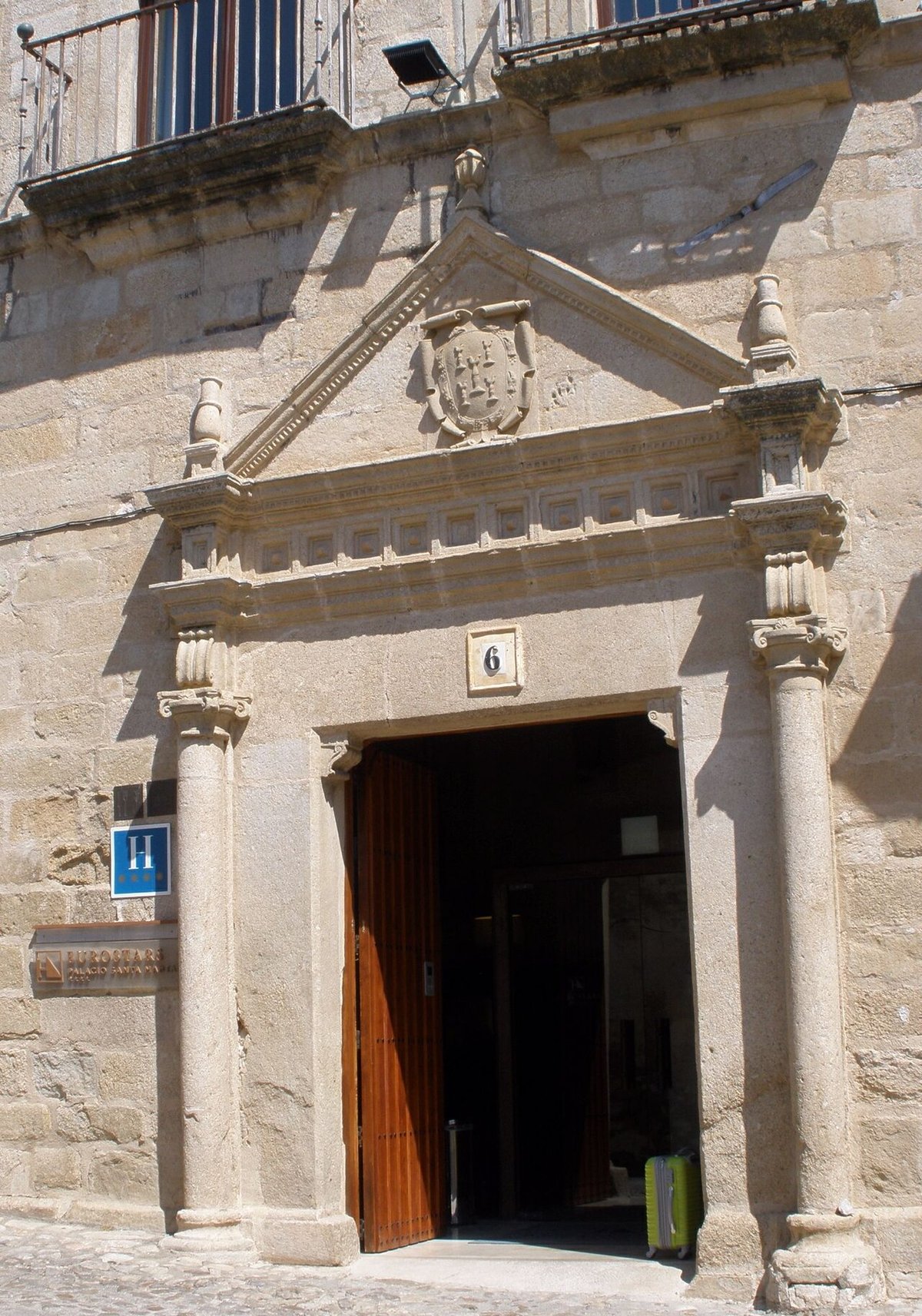
Clues to that past still remain in the old quarter. On older façades, if you take the time to look, there are carved crosses of Santiago and scallop shells, symbols associated with the order and with pilgrimage. They are easy to miss, but they quietly point to who held authority here centuries ago.
A church that blends styles
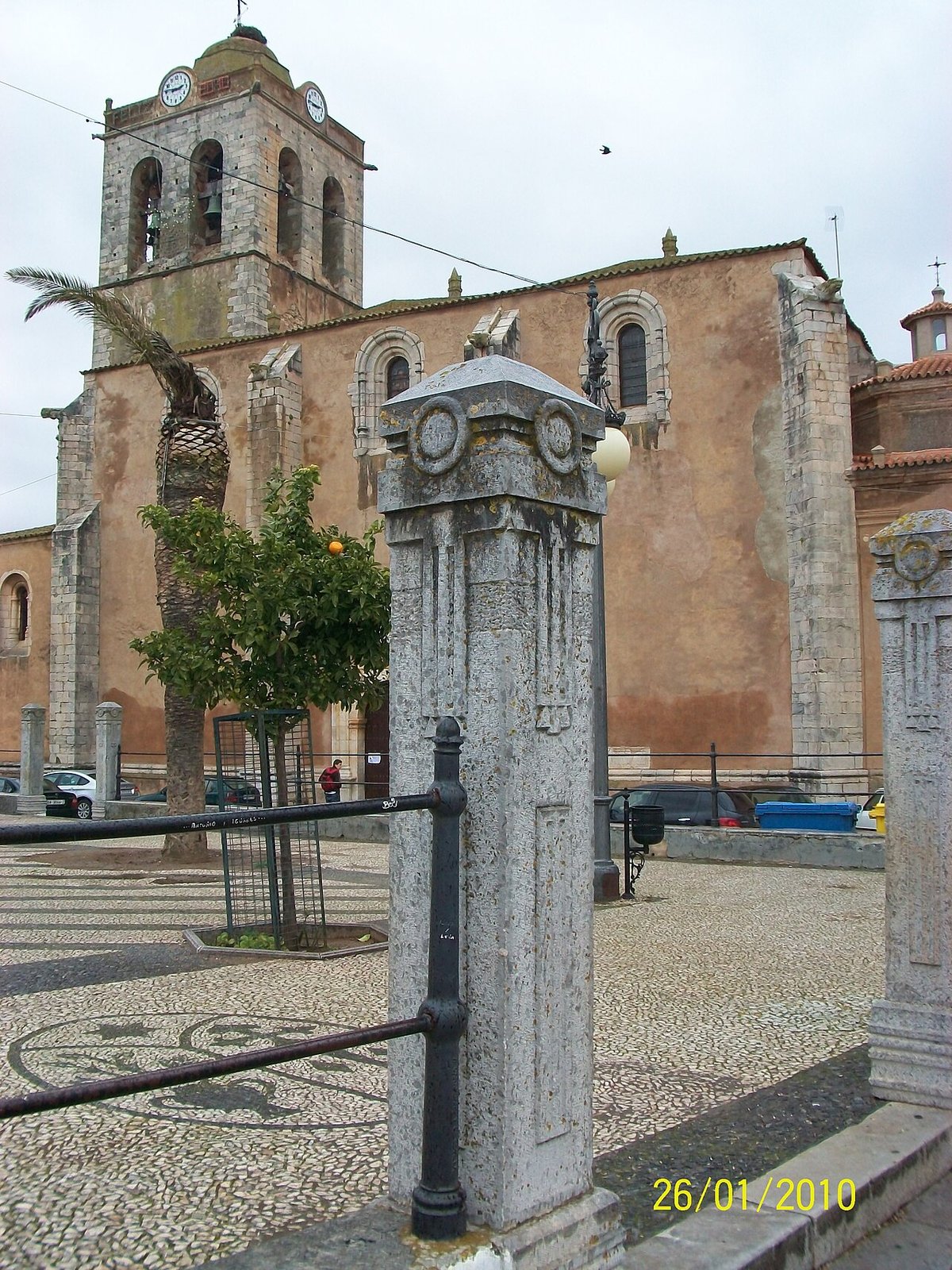
The Iglesia de Santa María del Valle does not fit neatly into a single architectural style. Construction began in the 16th century with Gothic elements, and later additions introduced Renaissance features. The result feels like a building that grew over time, shaped by changing tastes and possibilities.
On its façade stands a figure of Santiago as a pilgrim, looking out over the square. Up close, the expression suggests the fatigue of a long journey. Whether intentional or not, it aligns well with the imagery of pilgrimage routes associated with the saint.
Nearby is the Santuario de Nuestra Señora de la Coronada, a place closely tied to local life. The original building dates back earlier, although later renovations altered its appearance considerably.
This area becomes particularly lively during the grape harvest festivities at the end of summer. Among the traditions is a character known as the Coronelo, who acts as a kind of master of ceremonies. The figure has been revived from older celebrations and is now part of the festival ritual, linking present-day events with earlier customs.
Where the landscape revolves around wine
Seen from the outskirts, whether from the road or along paths between vineyards, Villafranca makes sense at a glance. Everything points back to agriculture, especially wine. The wines produced here fall under the Tierra de Barros designation, and although they are less widely known than those from other Spanish regions, they have been gaining attention beyond Extremadura.
During the harvest, traditional scenes still appear. Some celebrations recreate the stomping of grapes in large containers, recalling how wine was made before mechanisation. There is also mention of a tool called the campana de la quea, associated with older winemaking practices. It is not something encountered every day, but it remains part of the local wine-making imagination.
These customs, whether actively practised or remembered, give a sense of continuity. They connect modern production with methods that shaped the region over time.
Hearty food shaped by the land
Local cooking follows the same logic as the landscape: filling dishes designed for people working outdoors.
Migas extremeñas are a good example. They are made with whatever is available, often chorizo, panceta, sometimes fried peppers or grapes when in season. The recipe began as a way to use stale bread, but when prepared well it becomes something more, cooked slowly in a large pan and shared.
Another staple is caldereta de cordero, a lamb stew commonly prepared for gatherings and celebrations. It is the kind of dish that calls for bread straight away, as the sauce is not something left behind on the plate.
Then there is sheep’s cheese made from merino milk. It is not mild. A small piece is enough to convey the strength of flavour and the landscape it comes from.
A quieter place of memory
At the entrance to the cemetery stands a monument dedicated to victims of Francoist repression, with hundreds of names engraved. It was erected relatively recently and does not tend to draw crowds.
Even so, it holds significance for many local residents as a place of remembrance. It is a reminder that the history of a town is not only found in its central squares or main landmarks. Sometimes the places that explain it best are more subdued, yet no less important.