Full Article
about Aljucén
Small Roman-founded village on the Vía de la Plata, ringed by countryside near the Cornalvo Natural Park.
Hide article Read full article
A short detour from Mérida
Tourism in Aljucén tends to be brief, especially if arriving from Mérida. The village sits around 12 km away, linked by a simple road that makes the journey quick and direct. Parking is usually easy enough near the centre, although space tightens on festival days. From there, everything can be covered on foot without effort.
The layout is easy to grasp at a glance. Streets run straight, slopes are minimal, and most places are within two or three minutes of each other. It is the kind of place where orientation comes naturally after a short walk.
The village at a glance
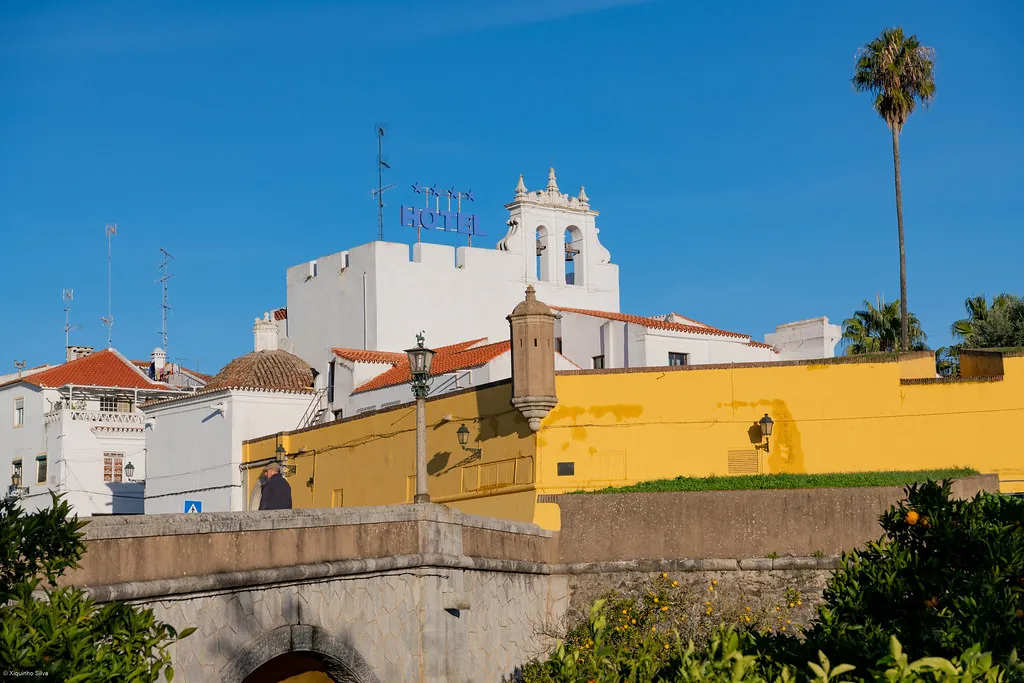
At the centre stands the church of San Bartolomé. It is a restrained building, without elaborate decoration. The bell tower rises above the surrounding rooftops and can be spotted from several points, making it a useful landmark when moving around.
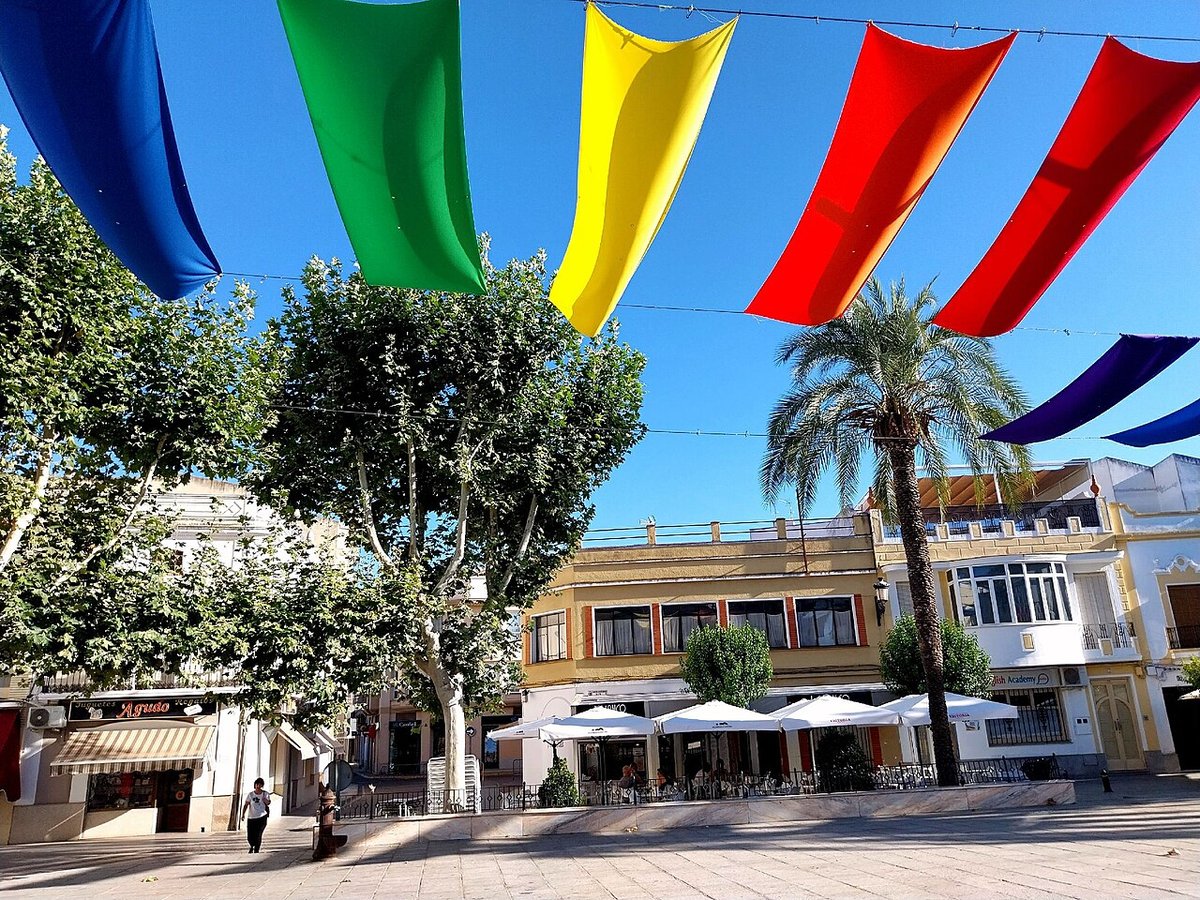
Beyond that, the townscape matches expectations for a settlement of this size. White houses line the streets, generally one or two storeys high. Windows are often covered with iron grilles, and some older wooden doors are still in place, holding on after years of use. Glimpses into open patios reveal everyday life continuing quietly, with washing hung out to dry, tools stacked to one side, and the occasional garage left open.
There are no large monuments or especially striking streets. The identity of the place is rooted in agriculture, and that is evident in both its appearance and rhythm.
The surrounding fields and irrigation land
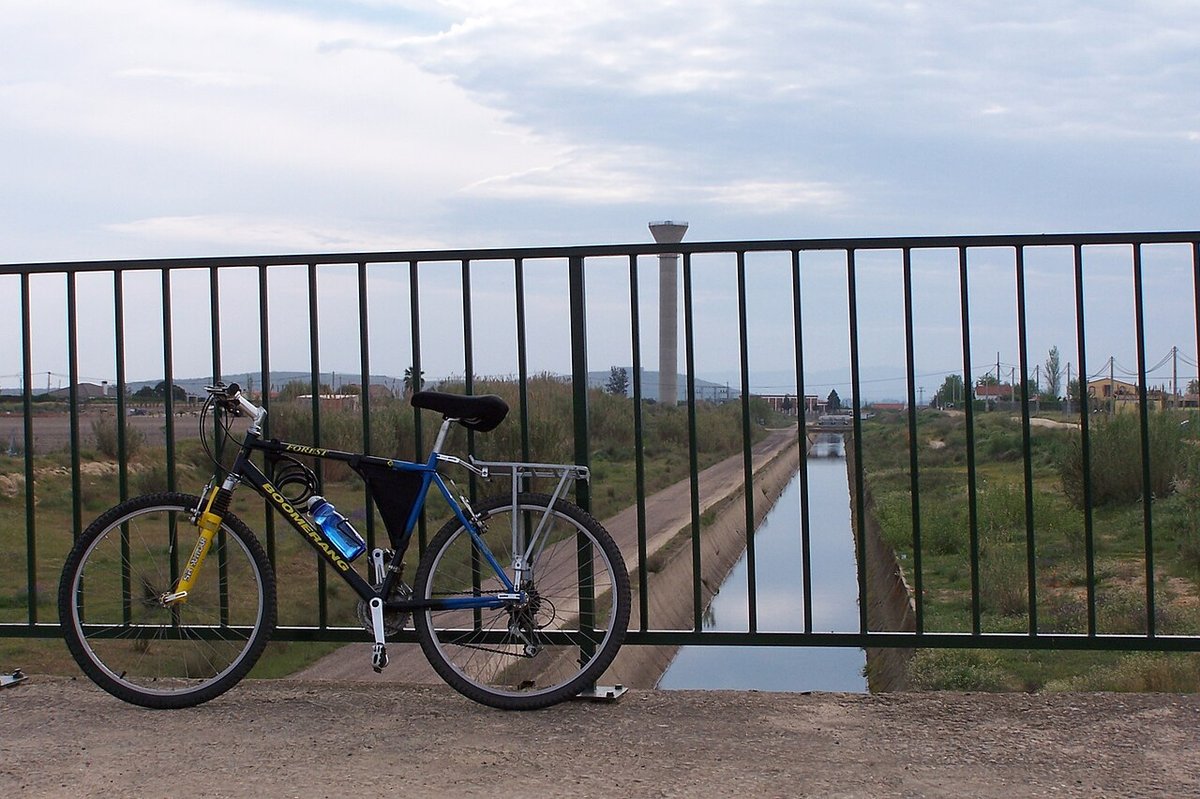
Step beyond the built-up area and the landscape changes immediately. The vegas of the Guadiana spread out across flat terrain, with wide plots and irrigation channels running through the fields. These fertile plains shape much of the local economy and scenery.
The main crops are tomato, maize and rice. Depending on the time of year, the fields may look entirely different. Some are freshly flooded, reflecting the sky in shallow water. Others show machinery at work, while some lie dry, waiting for the next cycle. The changes are gradual but noticeable across the seasons.
Birdlife is more active at certain times of day, especially early in the morning or towards evening. Along the ditches and field edges, movement increases as birds gather near the water.
Agricultural tracks cut through the area, allowing for walking or cycling between the plots. They are long, straight and exposed, with little shade along the way. In summer, the heat becomes a factor, so early morning or late afternoon is the more comfortable time to explore.
Food and daily rhythm
Local cooking follows what the land provides. Tomatoes appear when in season, alongside lamb and straightforward dishes such as migas or caldereta. These are typical preparations in rural Extremadura, based on simple ingredients and traditional methods.
In homes and during celebrations, traditional sweets also make an appearance. Perrunillas and pestiños are among the most common, part of a broader repertoire of homemade baking tied to specific times of year or family gatherings.
Agriculture remains the backbone of daily life. During the working season, tractors move in and out of the village, and it is common to see people heading to or returning from nearby fields. The pace of activity often follows the demands of the crops rather than a fixed timetable.
Festive moments
The main celebrations are linked to San Bartolomé, usually towards the end of August. A procession takes place, and there is a noticeable increase in activity in the central streets during those days.
In May, decorated crosses appear in various parts of the village for several days. These displays form part of a wider tradition seen in different areas of Spain, where floral arrangements and symbolic decorations mark the season.
Outside of these occasions, the calendar tends to align closely with agricultural work. Periods of greater intensity in the fields often shape the overall rhythm of the village more than formal events.
A practical note before you go
Aljucén does not require much time to see. For those travelling from Mérida, it works well as a short stop either before or after visiting the city. A brief walk through the streets, a look towards the vegas, and then continuing the journey fits naturally into a wider itinerary.
One detail worth keeping in mind is the lack of shade, especially beyond the centre. In warmer weather, bringing water is a sensible precaution, as the open landscape offers little relief from the sun.