Full Article
about Calamonte
A municipality right next to Mérida, full of life; known for its chestnut tradition and its closeness to the regional capital.
Ocultar artículo Leer artículo completo
The supermarket cashier switches to Google Translate when he clocks the confused expression. "¿Jamón? Ham?" he offers, pointing to the packet. This is Calamonte: population 6,000, English speakers roughly six, and the nearest souvenir shop fifteen kilometres away in Mérida.
Flat Land, Straight Talk
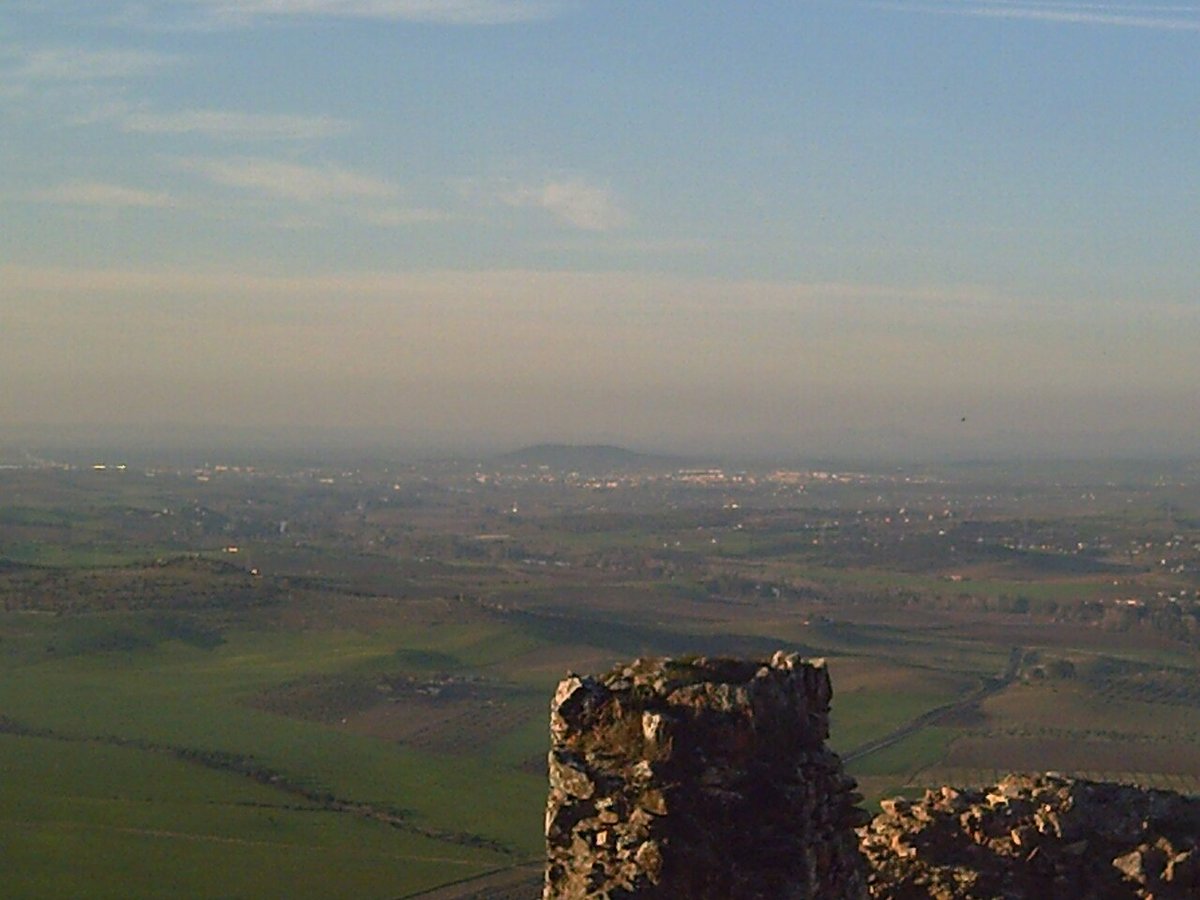
Extremadura's agricultural belt doesn't do gentle introductions. The landscape around Calamonte arrives fully formed: ruler-straight roads, wheat fields that stretch until they meet sky, and the occasional stone farmhouse breaking the horizon. At 240 metres above sea level, the village sits on a plain so level that locals claim they can watch their dogs run away for three days. The joke wears thin during summer when temperatures nudge 40°C, but it captures the geography perfectly.
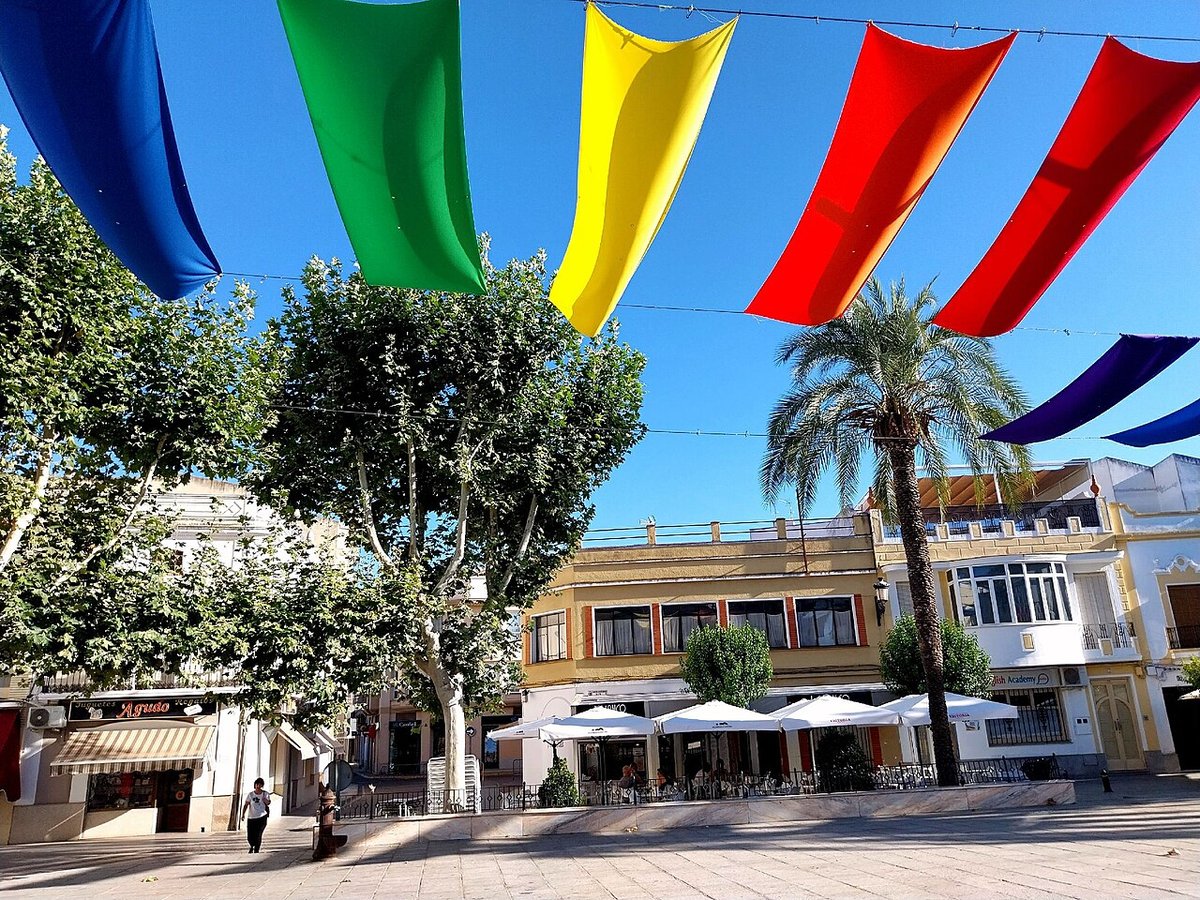
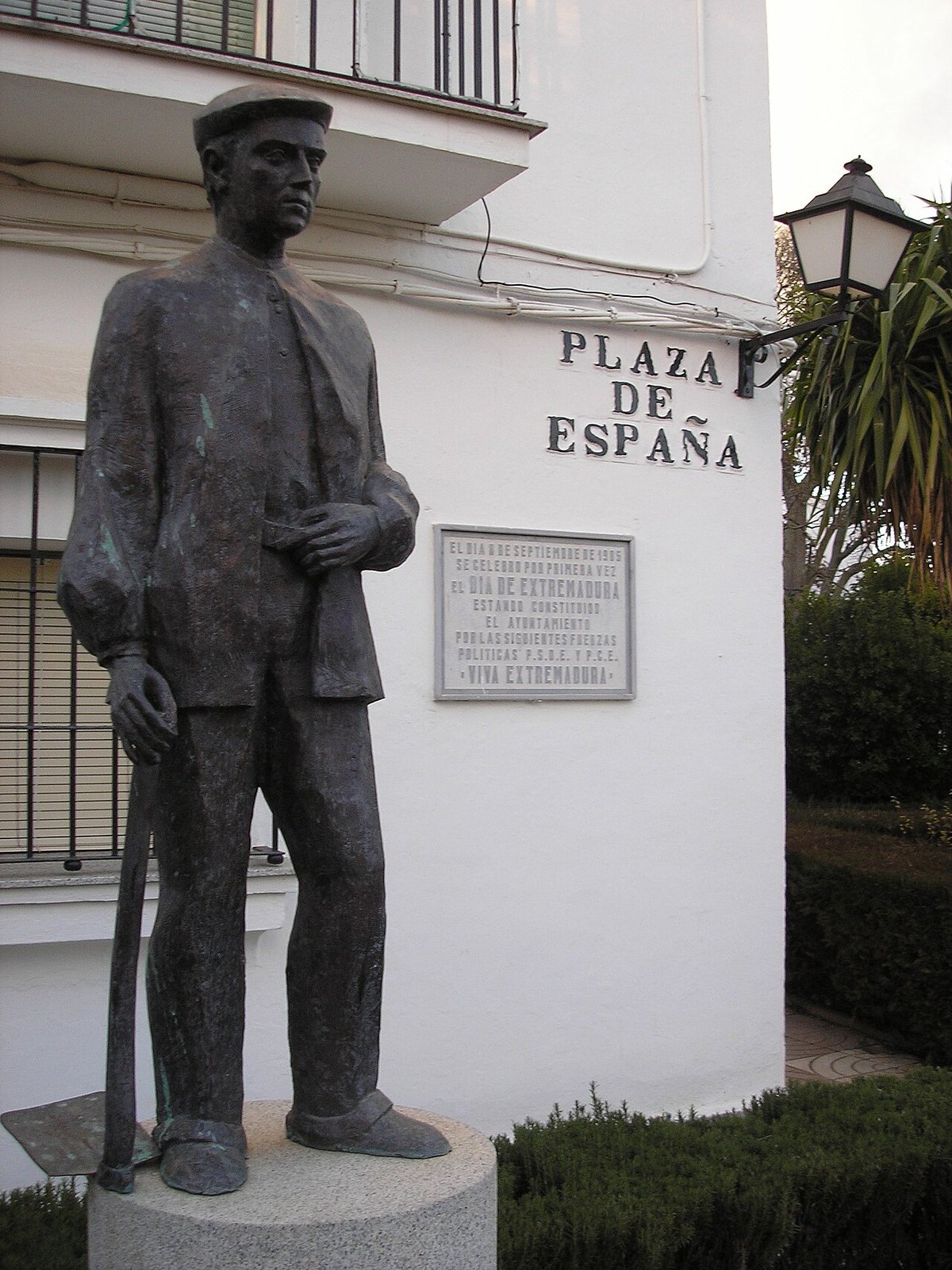
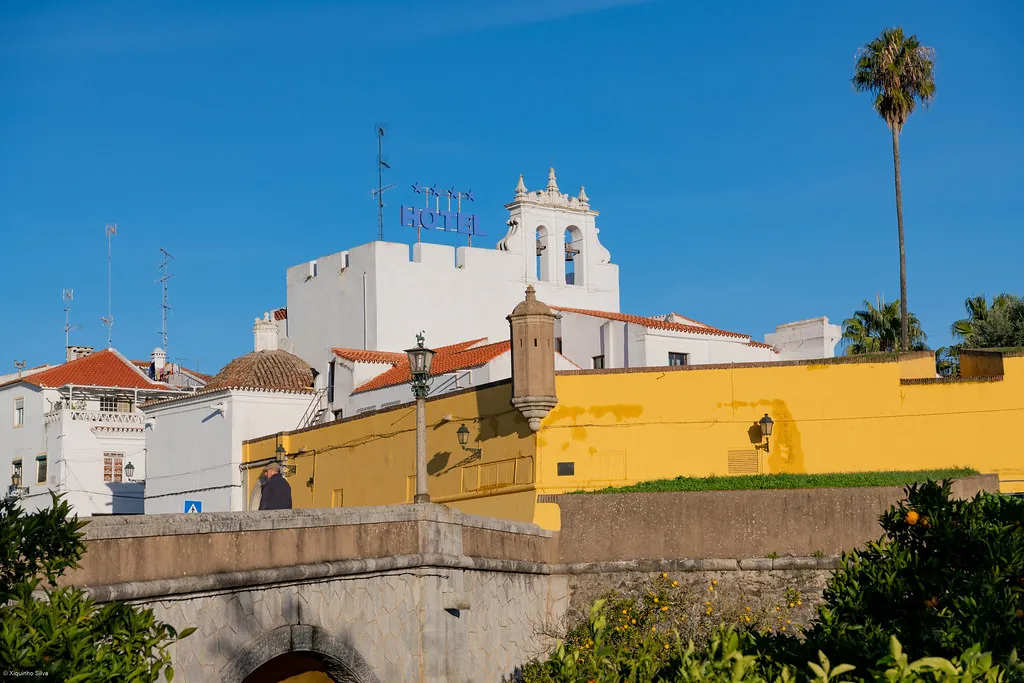
The village layout follows Spanish practicality rather than tourist aesthetics. Streets form a loose grid around Plaza de España, where the town hall occupies a functional 1960s building that British eyes might mistake for a former NatWest. There's no medieval quarter to get lost in, no castle ruins to photograph. Instead, you'll find butchers selling cuts of pork that would give British health inspectors nightmares, and bars where farmers discuss tomato prices over cañas at eleven in the morning.
Working Village, Working Appetite
Food here operates on agricultural logic. Breakfast happens early, second breakfast arrives around eleven, lunch stretches from two until four, and dinner starts when British children are already in bed. Bar San Jose serves miggas—fried breadcrumbs with chorizo—that could fuel a combine harvester. At Cafetería La Fuente, the €3.50 menú del día includes wine strong enough to strip paint. Vegetarians should pack emergency snacks; the local definition of vegetarian often includes jamón because "it's not really meat, is it?"
The surrounding fields dictate the menu. Visit during November and you'll encounter matanza season, when families gather to transform pigs into enough chorizo to last the year. Spring brings fresh cheese from local flocks, while autumn offers wild mushrooms from the nearby cork oak forests. None of this appears on chalkboard menus because nobody's cooking for visitors. They're feeding neighbours who've been up since five milking goats.
Mérida's Quiet Neighbour
Fifteen kilometres separate Calamonte from Extremadura's capital, but they feel like different planets. Mérida's Roman theatre draws coach parties from Seville and Madrid; Calamonte's Iglesia de Nuestra Señora de la Asunción opens for Sunday mass and the occasional funeral. The church's architecture tells a familiar Spanish story: Roman foundations, Visigothic rebuild, medieval additions, nineteenth-century touch-ups when someone won the lottery.
The practical move involves basing yourself here and commuting to Mérida's ruins. Parking in the Roman city costs €2.50 per hour and involves circling for spaces. Calamonte offers free parking everywhere, accommodation at half the price, and bars where a beer costs €1.20 instead of €3. The trade-off? You'll need wheels. Buses run roughly whenever the driver feels like it, and taxis require twenty-four hours' notice.
Walking Where Nobody Walks
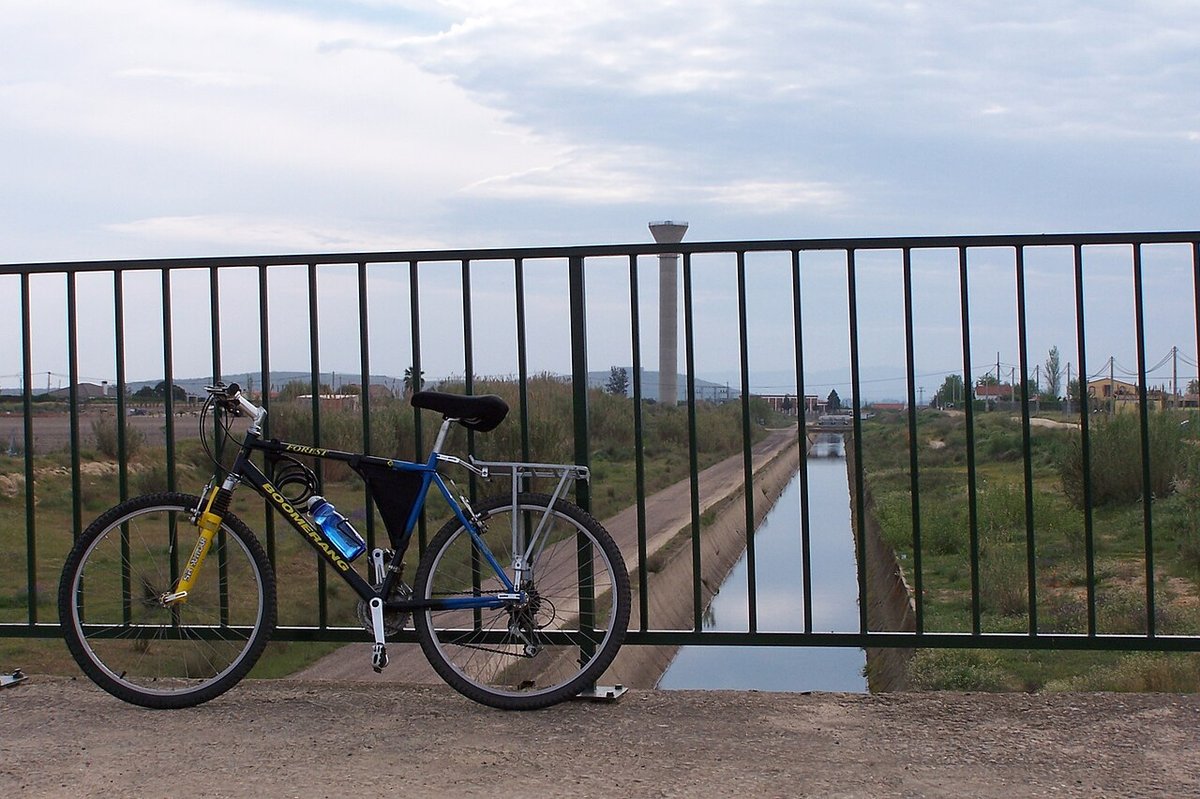
The countryside surrounding Calamonte operates on its own timetable. Farmers use the tracks between fields, creating an unofficial network perfect for walking or cycling. Start early—summer dawn breaks before seven—or wait until evening shadows stretch across the wheat. The terrain suits anyone who can handle a gentle incline; this is cycling for people who prefer cake to Lycra.
Bring Ordnance Survey levels of preparation because facilities don't exist. No tea rooms, no pub lunches, definitely no public loos. Pack water, sun cream, and enough snacks to survive getting lost. Phone signal vanishes in the valleys, and the only sounds are your breathing and the occasional tractor. Walk three kilometres south and you'll hit the Guadiana River, where herons fish among the reeds and locals swim illegally because official beaches require driving.
When to Arrive, When to Leave
Spring arrives late and leaves early. March brings wildflowers transforming the fields into a yellow-purple carpet. By May the heat's building, and June turns everything the colour of digestive biscuits. Autumn offers the sweet spot: September's harvest activity, October's comfortable walking weather, November's mushroom hunting. Winter brings proper cold—night temperatures drop to freezing—and the occasional dramatic storm that turns dirt tracks into mud wrestling arenas.
Avoid August if you value sanity. The village empties as locals flee to the coast, leaving shuttered houses and a single bar open for the few stubborn souls who remain. Midday walking becomes a survival exercise, and even the dogs seek shade beneath parked cars.
The Reality Check
Calamonte won't change your life. You won't discover yourself walking through wheat fields, and nobody's opening a yoga retreat anytime soon. What you get is Spain before tourism, where old men play dominoes in bars that smell of coffee and cigarettes, where supermarkets close for three hours every afternoon, where the English speaker you're desperately seeking turns out to be a fourteen-year-old girl visiting her grandparents.
Book accommodation in Mérida if you need hotel standards. Calamonte offers two rental flats and a house belonging to someone's aunt. Restaurants observe Spanish timing: lunch finishes at four, dinner starts at nine, and turning up at seven means eating crisps. The village works perfectly as a base for exploring Extremadura's Roman sites, but three days here reveals everything except the inside of locals' houses.
Drive down the EX-209 as the sun sets across the plains, and Calamonte's lights appear like a ship on a dark sea. Pull into Plaza de España, order a beer at the first bar you find, and listen to conversations you don't understand about crops you can't identify. This is Spain doing what Spain did before Brits arrived with phrasebooks and expectations. Whether that's enough depends entirely on what you're looking for.