Full Article
about Cordobilla de Lácara
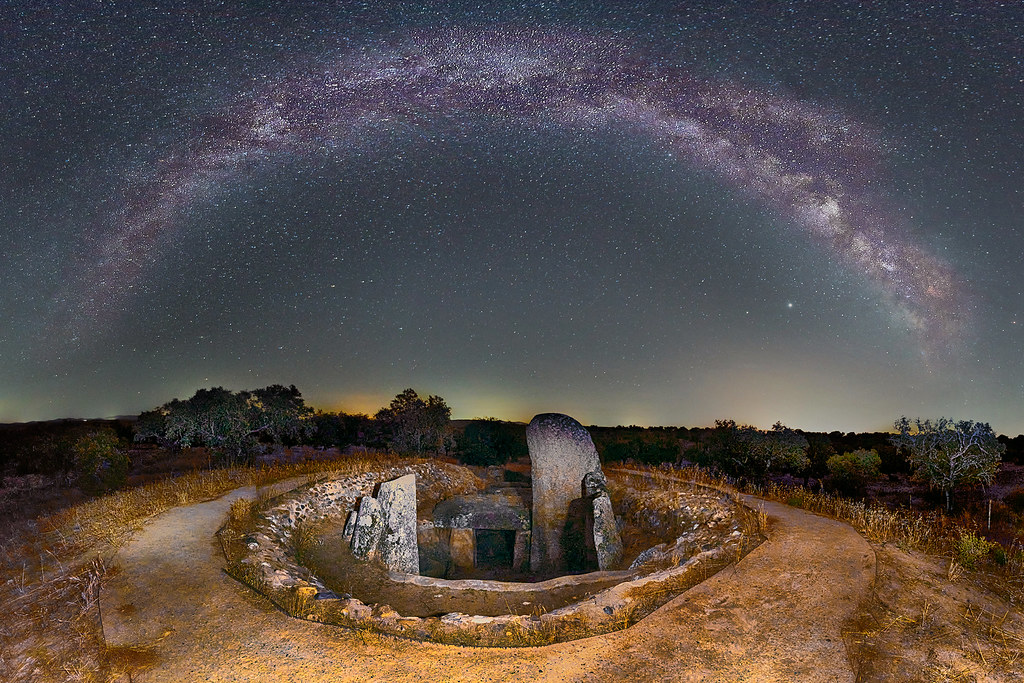
Set amid pasture and scrubland; home to one of the peninsula’s most important dolmens.
Hide article Read full article
At five in the afternoon, in the fields around Cordobilla de Lácara, the light slips in sideways between scattered holm oaks and stubble from harvested cereals. The air smells of warm earth. Hardly a car passes along the nearby road. The silence only breaks when a magpie lifts off from a post.
This village of around 815 people is closely tied to the land. Gentle hills, dry farming and patches of dehesa shape the landscape. Mérida sits relatively close by, so many arrive after exploring the Roman remains and look for somewhere quieter to slow down.
White streets and morning sounds
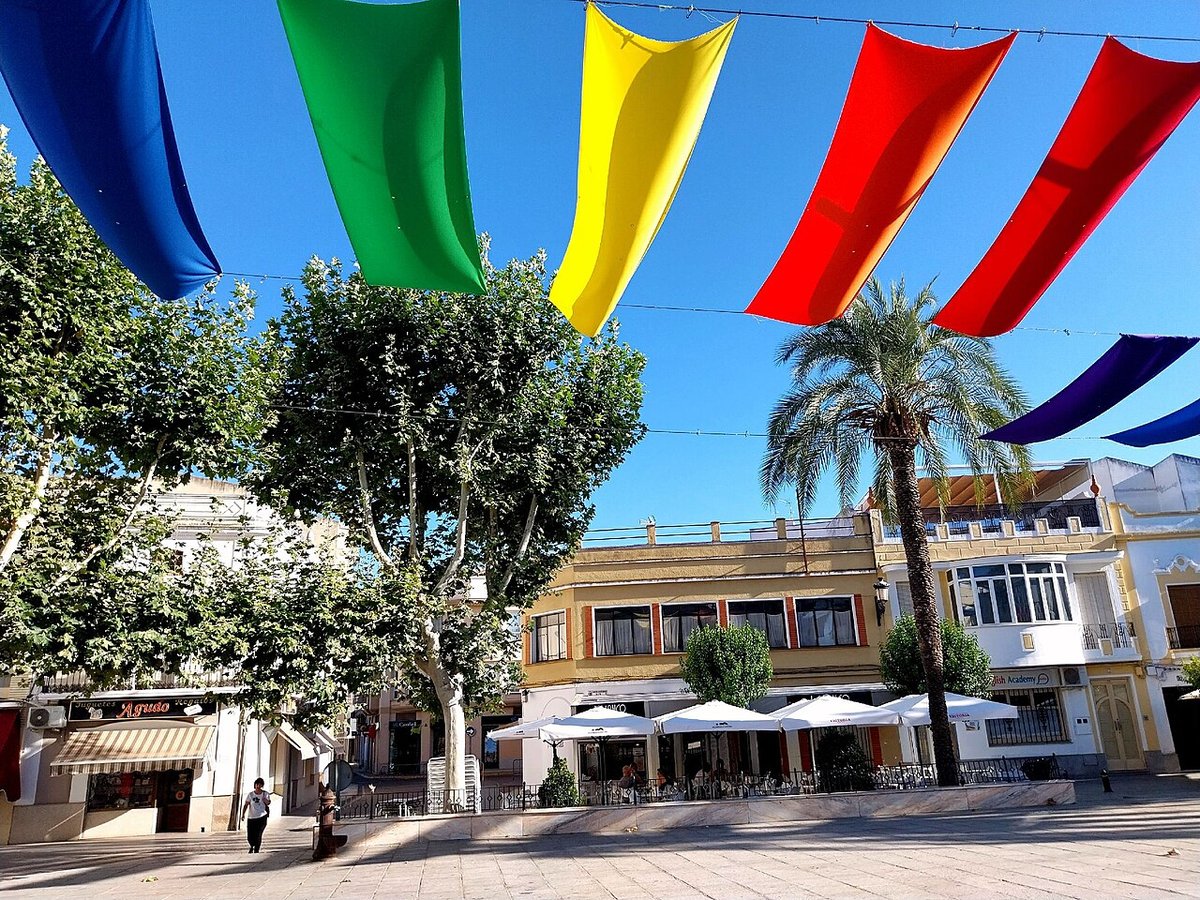
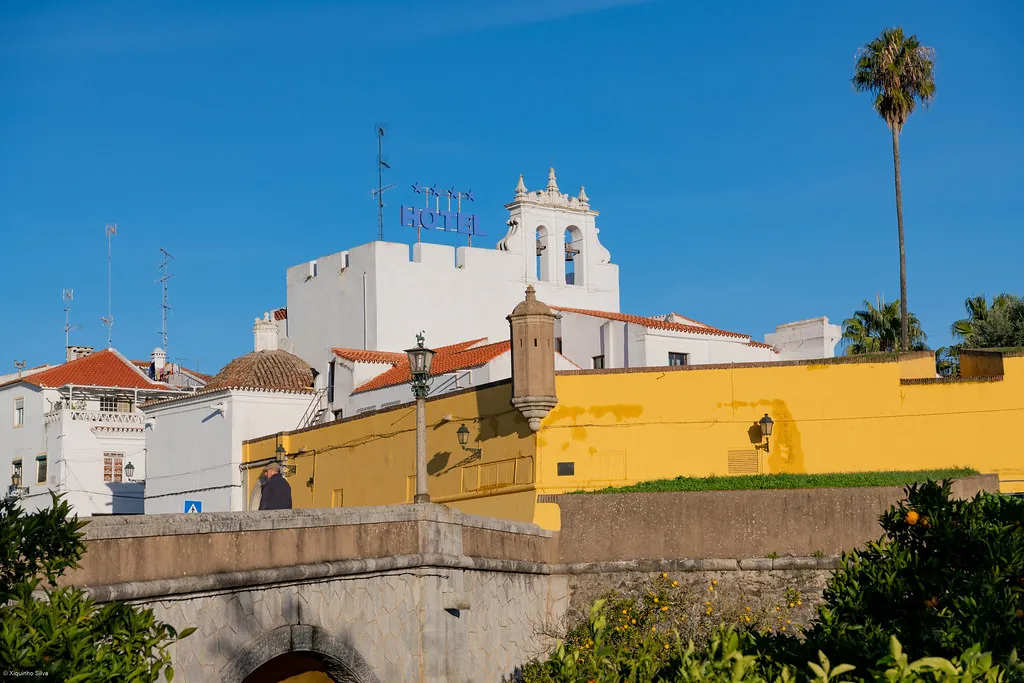
The village centre is small. Short streets, some with a slight incline, where whitewashed façades reflect the light with an almost silvery tone when the sun is high. Many houses still have wide gateways and interior courtyards that are only just hinted at from the street.
The main square is usually calm, especially in the morning. At that hour, the sound of a shutter being raised carries easily, along with footsteps echoing across the paving. It does not take long to walk through the centre. In half an hour, you’ve seen it.
Tracks through dehesa and farmland
Leave the village and the landscape opens up almost immediately. Dirt tracks wind between agricultural plots and small areas of dehesa, where holm oaks stand spaced apart.
In spring, grass covers the ground and small flowers appear along the edges of the tracks. In summer, dry yellow tones dominate, and fine dust lifts into the air as you walk.
These are simple paths, with no tourist signposting. Farmers and locals use them to move between plots of land. For a walk, it is enough to follow one for a while and then retrace your steps.
The middle of the day in summer is best avoided. The sun falls directly overhead and there is very little shade. Early morning or late afternoon changes everything; the light is lower, the heat less dense.
A direct cuisine
Cooking here remains closely linked to what is raised or grown nearby. Pork from the dehesa, cured sausages prepared slowly, and hearty stews that have been made in homes for generations.
Migas appear often at family gatherings or on special days. Thick stews are also common, the kind that simmer slowly and fill the kitchen with the smell of paprika and garlic. It’s not a complicated cuisine. It’s direct and substantial.
When to walk
Getting up early reveals a different landscape. At dawn, some mornings bring a low mist over the fields. The sun takes time to break through, and for a few minutes everything settles into soft pinks and greys.
By late afternoon, the opposite happens. The shadows of the holm oaks stretch across the pale earth, and the gentle contours of the land become more visible. It’s the best time to be out in the surrounding countryside.
Midday light, by contrast, is harsh. For anyone with a camera, or simply an interest in observing the landscape carefully, it is better to wait.
The Mérida contrast
Mérida lies a short drive away. That proximity means many people combine both places in a single day: a morning among Roman theatres and museums, followed by an afternoon in a much quieter setting.
The contrast is immediate. Mérida brings traffic and constant movement. Here, the dominant sound returns to the wind moving through the holm oaks, or the occasional tractor heading back at dusk.
Those arriving in search of major landmarks may not stay long. But for anyone looking to pause, the village keeps a slower rhythm that still defines many rural parts of Extremadura. Come on a weekday if you can; weekends are quieter still, but everything feels more closed.