Full Article
about Don Álvaro
Located on the Guadiana River near Mérida; a second-home and leisure spot with attractive riverside scenery.
Hide article Read full article
The Sign That Makes You Doubt Your GPS
The approach sets a small trap. After kilometres of straight road cutting through olive groves, just when it feels like the sat nav has got it wrong, a stone sign appears with gold lettering: Don Álvaro. It almost sounds made up. The name has a slightly improvised feel to it, as if someone once shrugged and settled on it at the last minute.
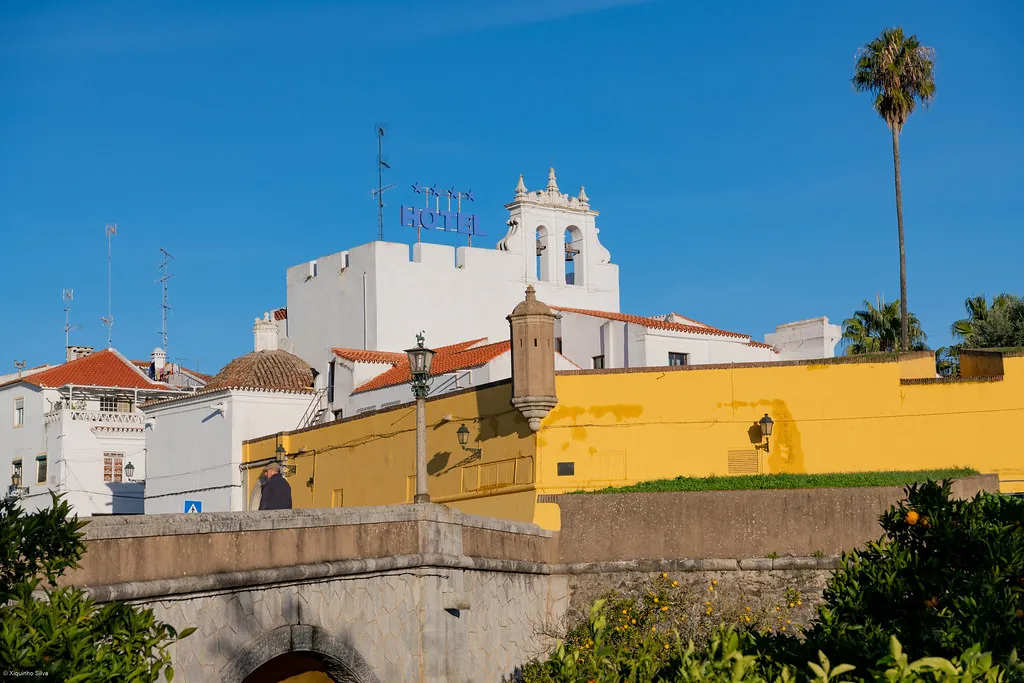
And yet there it is. A small municipality in Tierra de Mérida – Vegas Bajas, home to just over eight hundred people. Whitewashed houses line the streets, their walls holding firm against the harsh Extremadura summer, and the quiet is so complete you notice the sound of your own engine when you park.
Looking up tourism in Don Álvaro raises a fair question straight away: is it worth stopping, or better to carry on towards Badajoz? The answer depends on what you expect, but this is the kind of place best understood without overthinking it.
A Village That Never Felt the Need to Grow
Don Álvaro feels as if its layout was decided centuries ago and nobody has been in a rush to change it since. Streets are narrow and twist back on themselves in a way that feels more accidental than planned. There is a small park with tiled benches and a kiosk that sometimes seems more decorative than functional.
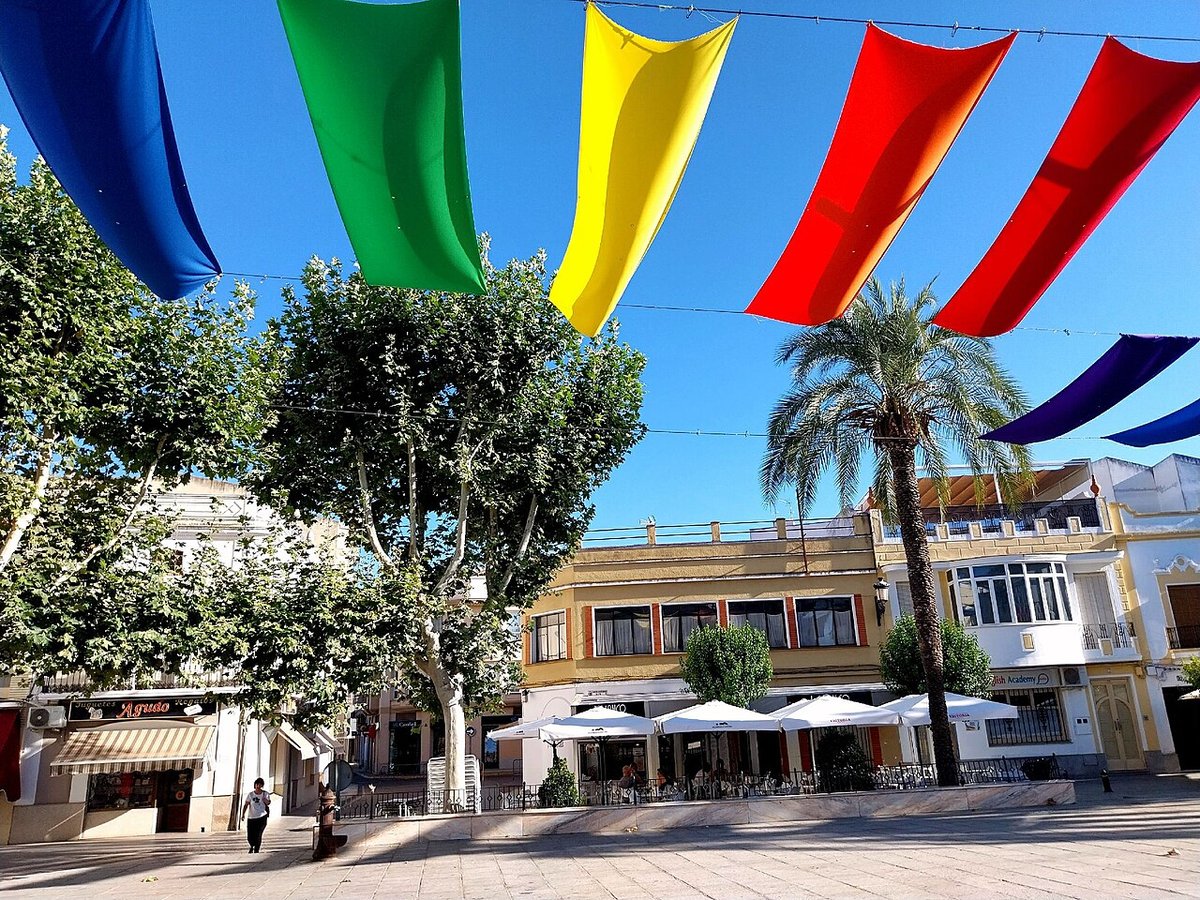
The main square is rarely empty. There is usually someone sitting there, often older residents, dressed for home rather than for show, talking at an unhurried pace. Visitors are noticed, though not in an obvious way. In places like this, people quickly distinguish between someone passing through and someone with roots going back generations.
At the centre of it all stands the church of Santa María Magdalena. It rises slightly above the surrounding houses, its stone darkened by years of sun. Like many churches in the area, it reflects different periods and alterations layered over time. The tower leans just enough to catch the eye.
If the door is open, which is often the case, the interior carries a familiar scent: incense, old wood, the dampness of thick walls. There are no audio guides or long explanatory panels. Sometimes a local person keeps an eye on things, making sure everything stays as it should, and that is about it.
San Blas and a Story with Nuance
The ermita de San Blas is another of the places that comes up whenever Don Álvaro is mentioned. It is often described as “Templar”, though the story is more complex than that. The building is generally dated to the 13th century, and at some point it became linked to the Order of Santiago, which ended up controlling much of this territory after the Christian reconquest.
Architecturally, it is straightforward. A pointed arch marks the entrance, the walls are thick, and the windows are small. It looks built to last rather than to impress. Inside, there are elements similar to rural parish churches in the region, along with later additions that hint at how it has been adapted over time.
One practical detail matters: it is not always open. As in many villages, access often depends on a particular person who holds the key. If you find it closed, the usual approach is simply to ask around in the square. Someone will almost always know who to speak to or when it might be opened.
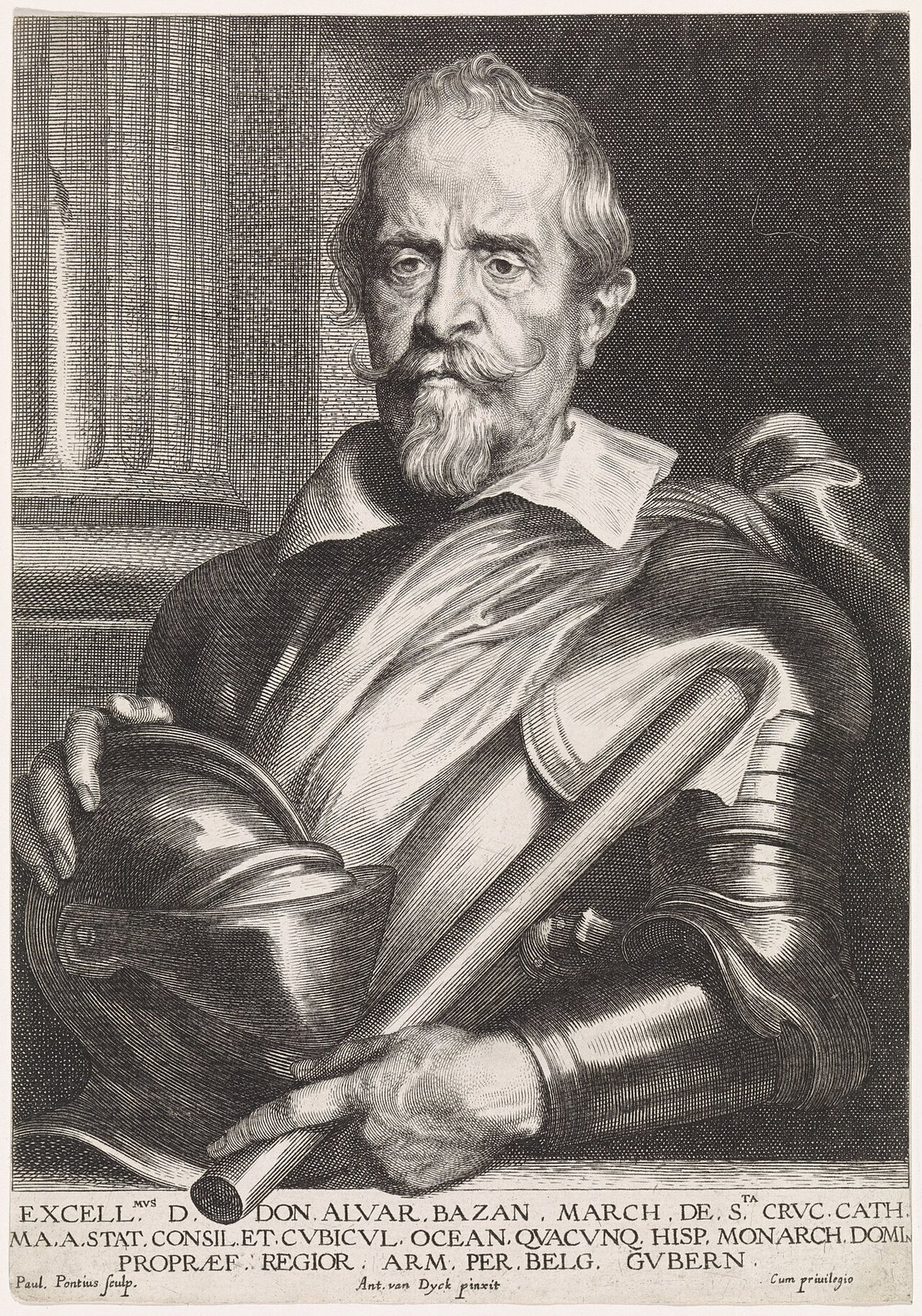
There is also a historical detail tied to the name of the village itself. Don Álvaro takes its name from Don Álvaro de Luna, a powerful figure in 15th-century Castile. That does not mean he spent much time here. It is more likely the result of administrative decisions of the era, land being assigned, documents signed, and a name fixed in place for centuries.
Midday Slows Everything Down
By midday, the pace shifts noticeably. Shutters come down, dogs retreat into the shade, and the square grows quieter. Life gathers instead around the bar, which becomes the main point of activity.
Expect simplicity. You order a wine or a beer and something small appears alongside it: olives, a slice of tortilla if there happens to be some, or another straightforward tapa. There is no long menu and no sense of experimentation.
The television is usually on, often louder than it would be in a living room, though few seem to pay it much attention. Conversation carries on regardless.
Outside, if the heat allows, a small terrace faces the church. A handful of tables, slow conversation, and just enough passing traffic to remind you the road is still nearby. Somewhere at a junction in the village, a set of traffic lights often blinks amber, less a strict controller than part of the everyday scenery.
A small piece of advice fits here: it is best to go with what is available. Asking for too many alternatives tends to draw curious looks, and understandably so.
Walking the Edge of the Village
As the sun begins to drop, Don Álvaro shifts again. The walls lose their heat and it becomes easier to walk. A full loop around the village does not take long, perhaps three quarters of an hour if you take your time.
Beyond the last houses, olive groves stretch out, along with agricultural tracks leading away from the centre. Some are marked as local routes, though in reality they remain traditional country paths. If it has rained, it is worth wearing shoes you do not mind getting muddy.
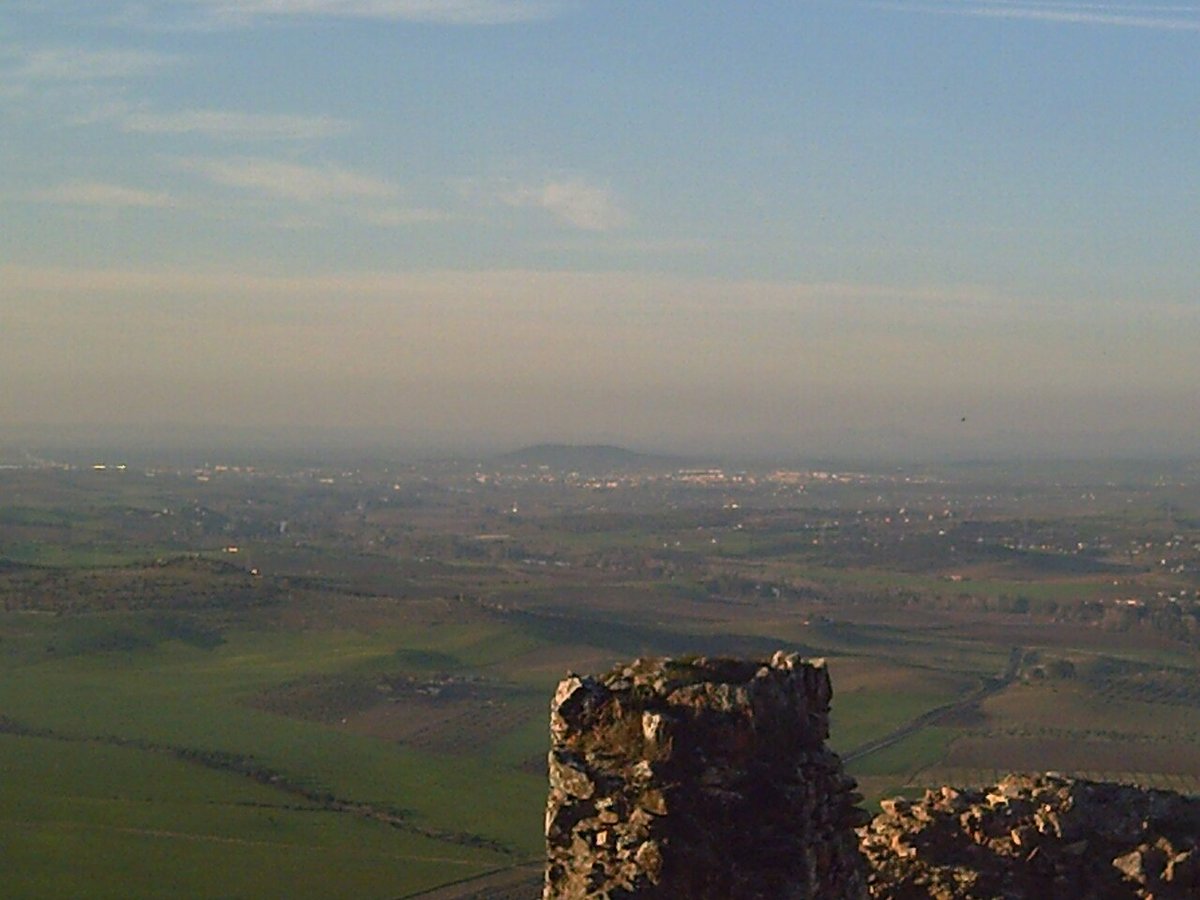
From these paths, the outline of the village becomes clear: low white houses, the church tower rising above them, and the open sky of the Vegas Bajas spreading out in every direction. It is the kind of view that explains the place better than any description.
There is no rush here, no long list of things to tick off. Don Álvaro does not try to impress or compete. It simply exists at its own pace, somewhere between the road you arrived on and the one that will take you away again. Whether you stop or continue on, at least you will know what you passed.