Full Article
about La Nava de Santiago
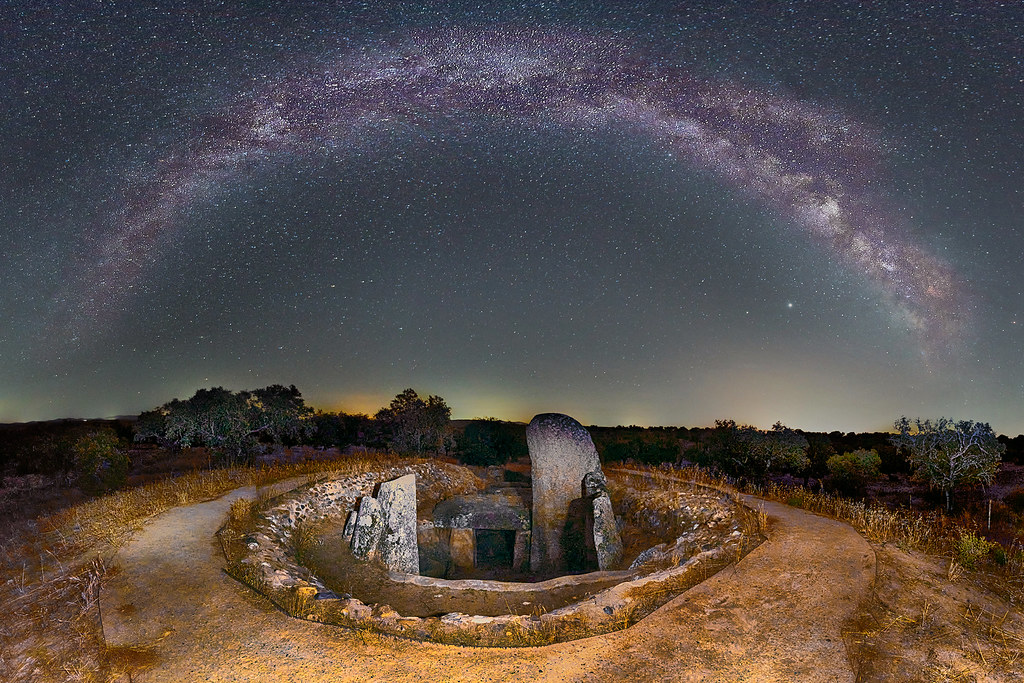
Municipality surrounded by pastureland and dolmens; noted for the nearby Dolmen de Lácara and its livestock tradition.
Hide article Read full article
A village that slows the pace
There are places you stop at almost by accident. You pull over because they are on the way, step out of the car “just for a minute”, and end up wandering around longer than planned. La Nava de Santiago has something of that effect. It is a small village of just over 900 residents in the comarca of Tierra de Mérida – Vegas Bajas, where daily life still revolves around the countryside, the main square and unhurried conversations.
It does not usually feature on standard tourist routes. That is part of the point. La Nava de Santiago works best for those who are curious about how villages in this part of Extremadura really function, beyond the headlines and major monuments.
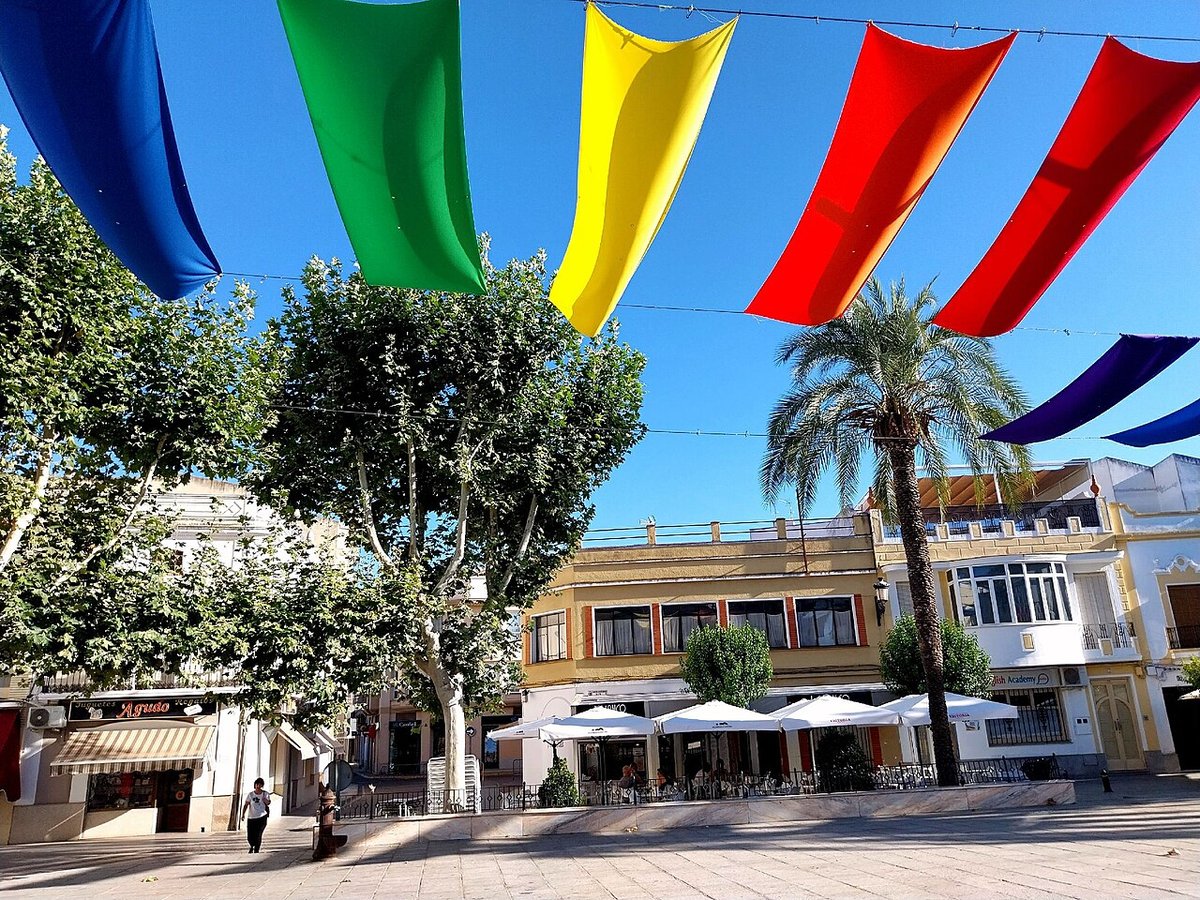
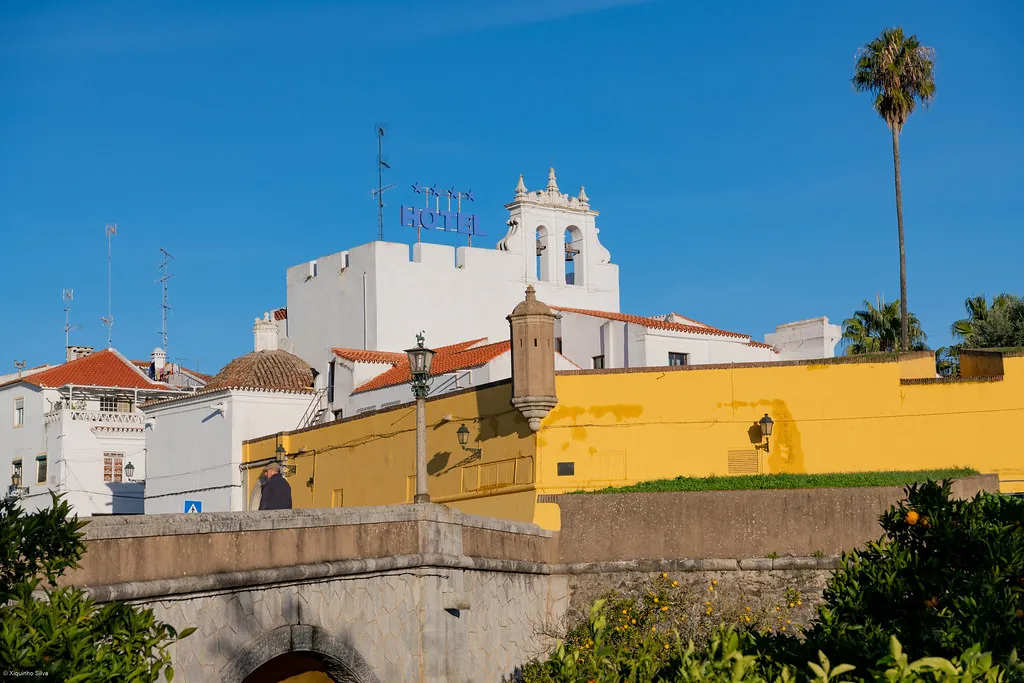
The rhythm here is different. Whitewashed houses line the streets, many with simple courtyards, alongside a handful of more recent buildings that do their job without fuss. The everyday scene is straightforward: neighbours coming and going, cars parked in the shade, and fields stretching out around the village. The seasons are marked more clearly by the state of the crops than by any date on the calendar.
The parish church and everyday details
In a village of this size, the main reference point is clear: the parish church of Santiago Apóstol. Its construction began centuries ago and, like many churches in the area, it has been altered over time. The bell tower stands out and is visible from different points in the centre, making it easy to orient yourself as you walk.
Around it, the familiar streets unfold. White façades are often finished with darker base panels to protect the walls, and simple wrought-iron balconies overlook the road. This is not a place of grand monuments or major landmarks. The interest lies in the ordinary details: an old wooden door, a courtyard filled with plant pots, a bench that seems permanently occupied by someone discussing how the harvest is shaping up.
A walk through the centre does not require a plan. It is more about observing than ticking off sights. The scale is small, the distances short, and the atmosphere shaped by everyday routines rather than tourism.
Open countryside on the doorstep
Step beyond the built-up area and agricultural tracks quickly take over. La Nava de Santiago is surrounded mainly by farmland, much of it devoted to cereal crops. As a result, the landscape shifts noticeably throughout the year.
In spring, the fields are green and full of life. By early summer, the wheat turns a deep gold and spreads across the horizon. Later come the stubble fields, and the land looks barer again. These changes define the view more than any architectural feature.
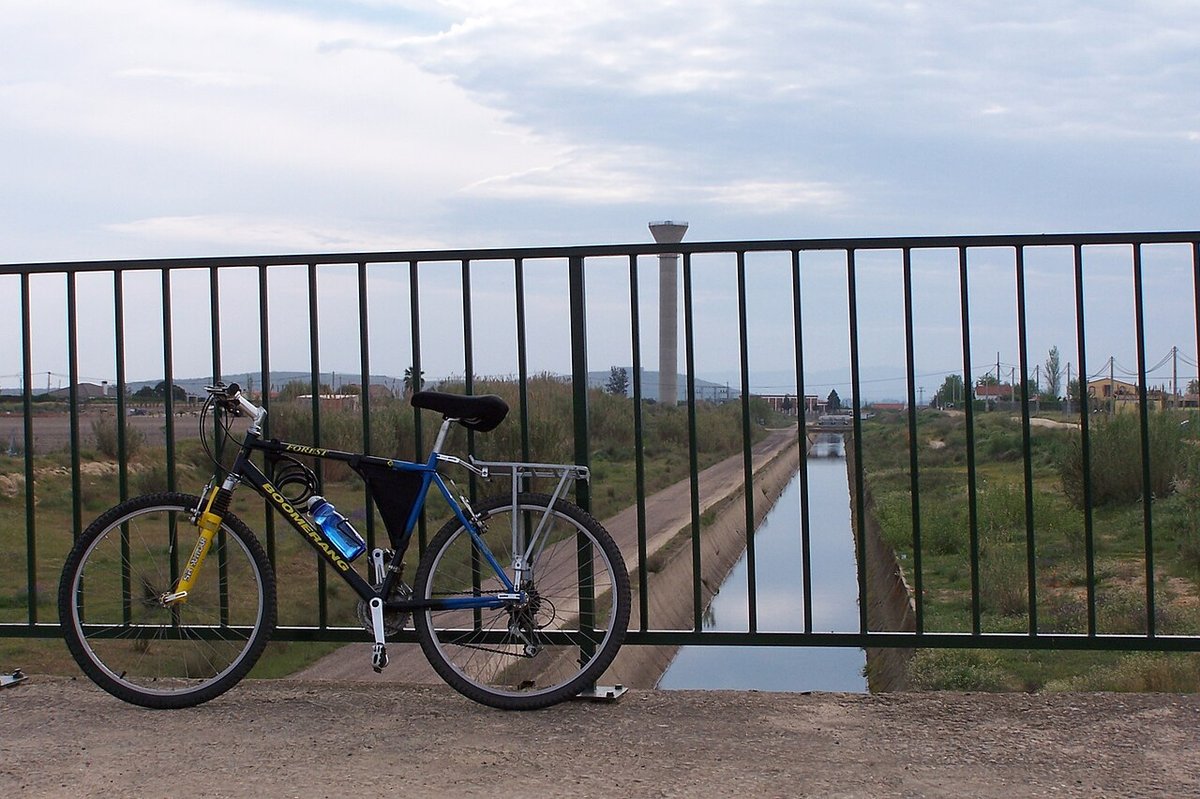
Scattered holm oaks appear here and there, along with small patches of dehesa, the traditional Iberian landscape of open pasture with trees spaced across it. In these areas, it is not unusual to spot birds such as partridges or a kestrel overhead. The surroundings are practical rather than curated. There are no marked hiking routes or prepared viewpoints. These are working paths used for farming that also lend themselves to a walk or a bike ride if you feel like moving without too much planning.
The appeal lies in the openness and the sense of space. It is countryside shaped by agriculture, not by visitor facilities, and it shows.
Straightforward cooking from the land
Food in La Nava de Santiago follows the logic of its setting. The cooking is simple and substantial, built around livestock and traditional slaughtering practices that remain part of rural life in Extremadura. Cured sausages and other embutidos are common, as are sheep’s cheeses still produced in a fairly traditional way across the comarca.
Stews also feature strongly. These are the kind of dishes that combine meat, potatoes and peppers, left to simmer slowly. The result is filling and familiar rather than decorative. This is not intricate cuisine; it is the sort of food prepared in local homes for generations, shaped by what the land provides and by the need for solid meals after work in the fields.
Eating here means following local habits. The emphasis is on flavour and substance, not presentation.
When the village picks up the tempo
For much of the year, La Nava de Santiago moves at an even pace. There are moments, however, when the atmosphere shifts. The most notable are the festivities dedicated to Santiago Apóstol, traditionally held in summer. Religious events are combined with open-air dances and activities in the main square, bringing more movement and noise than usual.
August also tends to be livelier. People with family ties to the village return, and the streets fill up in the evenings far more than at other times of year. The change is noticeable but temporary. Once the celebrations pass and visitors leave, daily life settles back into its usual rhythm.
These periods offer a glimpse of how strongly local identity remains tied to tradition and shared gatherings. Even so, the scale stays modest, in keeping with the size of the community.
When to pass through
Spring and autumn are generally the most comfortable seasons for walking along rural tracks without the intensity of summer heat. This part of the province of Badajoz can be very hot in July, something anyone who has spent time here in mid-summer will recognise. That said, summer is also when the village has a little more activity, particularly around the festivities.
La Nava de Santiago is not a destination most travellers would set out for from a great distance. Its appeal lies elsewhere. If you are in Mérida or exploring the Vegas Bajas area and feel like seeing a village that continues to operate in its own way, it is worth stopping. A quiet stroll, a look around, then back on the road. Sometimes that is enough.