Full Article
about La Zarza
Set on the slopes of the Sierra de las Peñas, known for its rock art and shoemaking tradition.
Hide article Read full article
The smell of migas extremeñas drifts through La Zarza from early morning. By eight o’clock, yesterday’s bread is already being crumbled over a wooden table with a dry, papery sound. Garlic sizzles in hot oil, torreznos crackle in the pan, and thin threads of smoke rise from low chimneys. The scent slips through doorways and settles at street corners. It is the smell of a village that takes its breakfast seriously and without hurry.
In March, a soft golden light spreads across the wheat fields that encircle the village. From the access road, La Zarza looks compact, its whitewashed houses gathered close together in the middle of gently rolling green. At the centre stands the church of San Martín, its reddish brick bell tower rising above the rooftops. At certain times of day, especially towards evening, the bells echo off the white façades and linger in the square for a few seconds before fading.
The Time of the Muleteers
Along Calle Carrera, arcades provide welcome shade once the sun begins to press down. The stone columns have a muted sheen left by years of use and passing hands. For a long time this street was a thoroughfare for arrieros, muleteers who travelled between nearby villages with donkeys loaded with goods.
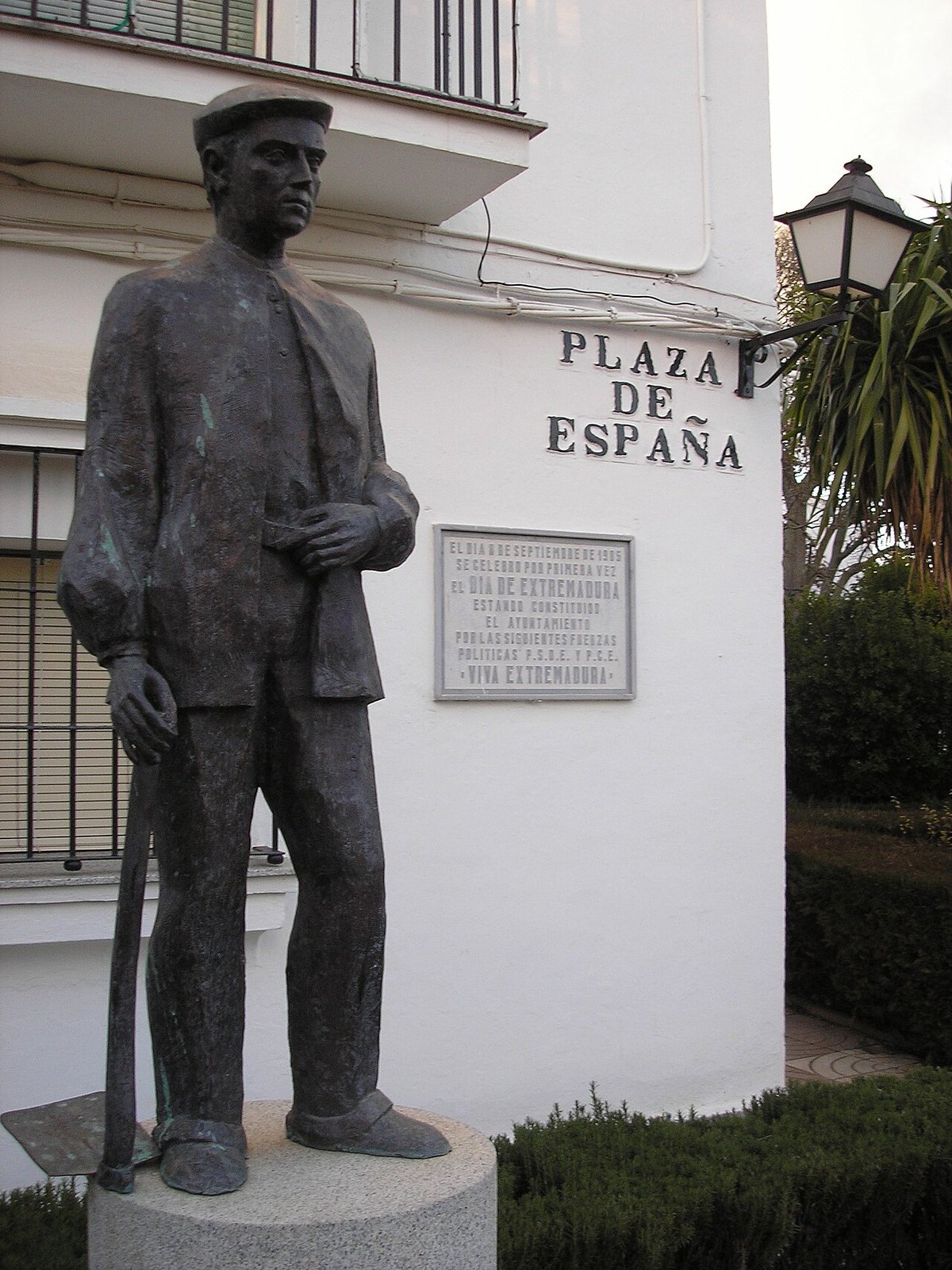
There is a small reminder of that trade in the village: a figure representing a muleteer with his animal, facing the road. Older residents still recount stories of those slow journeys along dirt tracks, when transport depended on patience and strong animals.
In late spring La Zarza usually celebrates a festival dedicated to the donkey and the muleteer tradition. The village fills with decorated animals, children riding carefully and conversations that begin with memories of grandparents and old routes. It feels less like a staged historical reenactment and more like neighbours gathering around a shared past.
Cheese, Sweets and Home Cooking
In some houses, sheep’s cheese is still made in a straightforward way, using milk from nearby flocks. The cheeses are matured in cool pantries that smell faintly of damp and wood. When asked about them, they might appear wrapped in paper or kept inside an old plastic container. They are not always for sale; often they are simply for family use.
It is also common to find tortas de queso brought from nearby villages. These soft, creamy cheeses are opened carefully and eaten with toasted bread. In kitchens in the upper part of the village, when they are gently warmed, the aroma fills the whole room.
In the flatter neighbourhood, homemade sweets have traditionally been prepared for special dates, especially around the feast of San Martín in November. Mantecados, roscas and small buns come out of domestic ovens while the autumn cold begins to settle outside. The night before the celebration is often spent with ovens on and trays moving in and out, the warmth of the kitchen contrasting with the chill in the street.
Paths Through Dehesa and Hills
Behind the cemetery, one of the paths leads into the dehesa, the characteristic landscape of Extremadura where scattered holm oaks grow over pasture. The track runs between encinas, with low grass and pale stones underfoot. In spring the air carries the scent of thyme and rosemary. In the distance, cowbells can sometimes be heard, and a group of pigs may move slowly between the trees.
It is wise to carry water, as there are no fountains for a considerable stretch. Further down, closer to the fertile lowland known as the vega, a few old stone basins appear. Traditionally they were used for watering livestock or washing clothes.
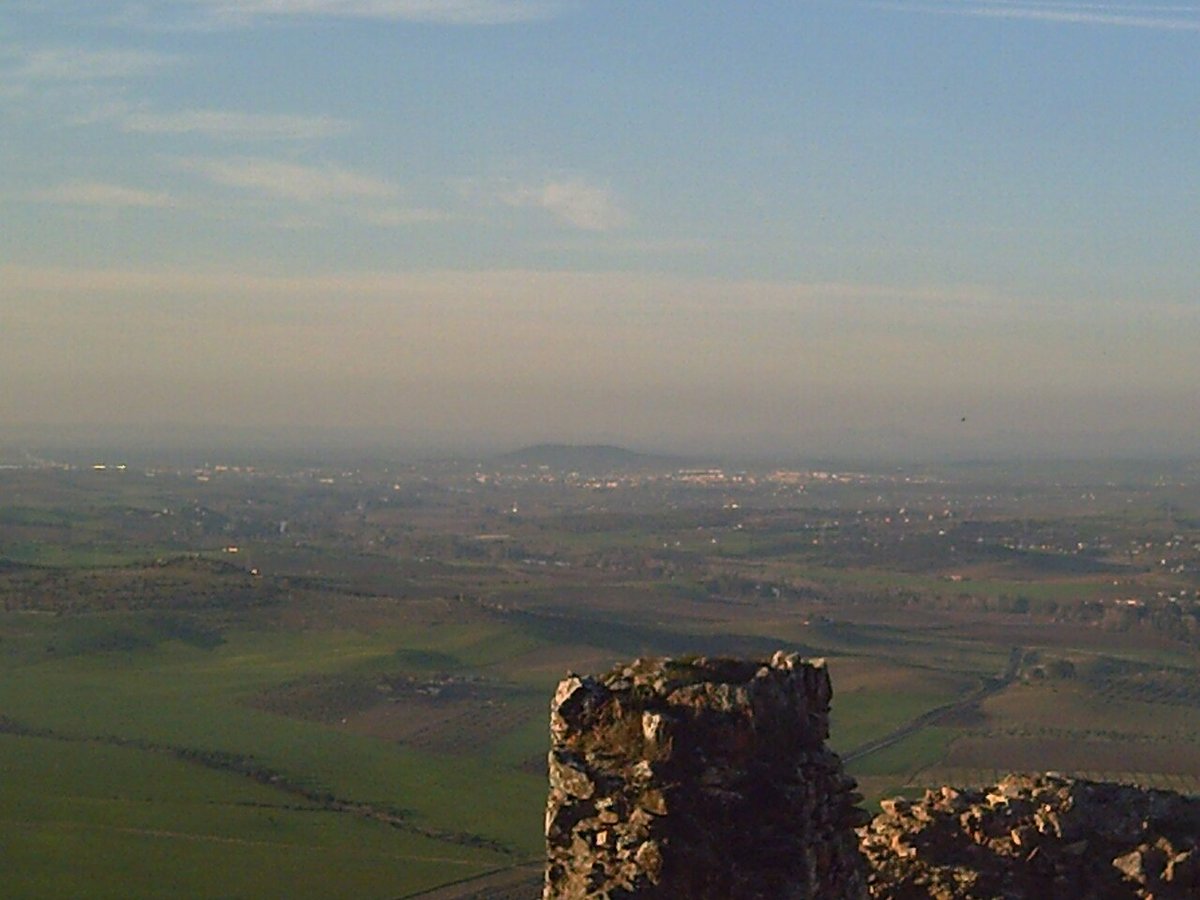
Towards the Sierra del Calvario, the path becomes steeper. The climb is not long but includes sections of loose stone. From the top, La Zarza appears compact, almost circular, surrounded by cereal fields that shift in colour as the day progresses: green at dawn, golden under the midday sun, darker as evening approaches.
On some weekends, groups of young people sit on the rocks at the summit, talking as the sun drops. The view draws them up there, and the village below seems both close and self-contained.
Winter Blessings and a Summer Pilgrimage
In January, around the feast of San Antón, animals gather in the main square. San Antón, or Saint Anthony Abbot, is traditionally associated with the protection of animals. Dogs, cats, a horse, even hens in wooden crates may be brought along. Neighbours come for the blessing, yet the atmosphere is more social than solemn. Conversations stretch out, children run about and dogs sniff each other while waiting their turn.
Summer brings the romería of Nuestra Señora de las Nieves. A romería is a traditional pilgrimage, usually combining devotion with a day spent outdoors. In La Zarza it climbs up to the hill of the Calderita. On that day, cars appear along tracks where normally only the wind moves through the rockrose bushes. The image of the Virgin remains in her hermitage on the hill and later returns in procession, accompanied by singing and sprigs of basil. Older residents recall that in the past the pilgrimage was linked to prayers for rain for the fields.
When to Go
March and April are often good months for walking in the surrounding countryside. The fields are green and the air is still light. Evenings grow longer and the village keeps its unhurried rhythm.
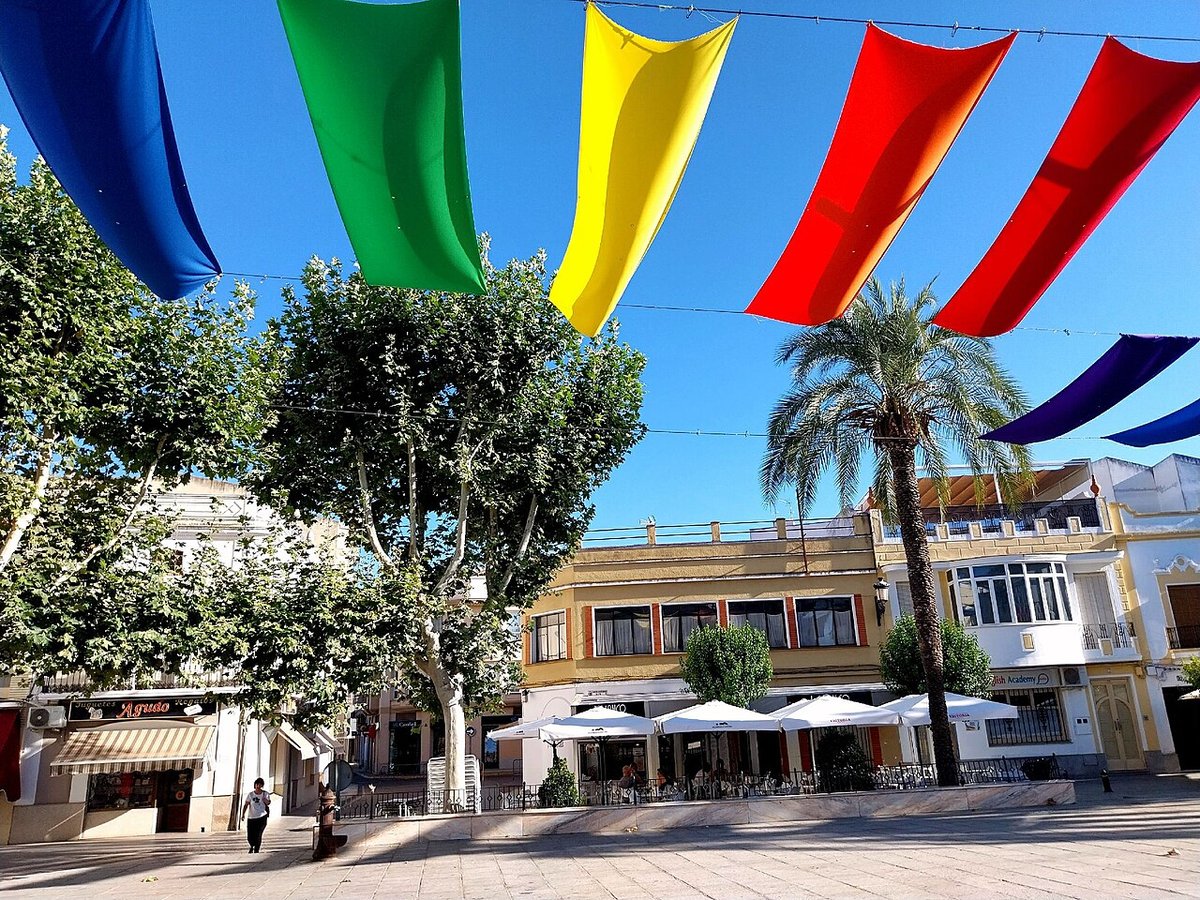
August tells a different story. Dry heat settles over the white streets, and during the day shade can be hard to find beyond the arcades or a cool doorway left open. At night, the atmosphere becomes livelier. People arrive from Mérida and other nearby places, and the streets fill with conversation that carries on into the warm darkness.
La Zarza does not revolve around grand monuments or headline attractions. Its pace is marked instead by bells in the late afternoon, bread being broken into crumbs at dawn, and paths that wind quietly through fields and oak trees. For those willing to slow down, the village reveals itself in smells, small rituals and the steady rhythm of rural life in Extremadura.