Full Article
about Mérida
Capital of Extremadura and a World Heritage site; ancient capital of Lusitania with Spain’s most important Roman archaeological complex.
Hide article Read full article
Mérida: una colonia romana en la llanura extremeña
El teatro romano de Mérida se llena cada verano. No es una ruina decorativa. Explica por qué la ciudad está aquí. Augusto fundó Augusta Emerita en el 25 a.C. como asentamiento para veteranos de las guerras cántabras. El teatro, el anfiteatro y el circo formaban parte del plan urbano original. La Mérida actual, más grande y con otro nombre, sigue girando en torno a esos mismos ejes.
Un trazado que perdura
Mérida no creció de forma orgánica. Fue una ciudad planeada. Los ingenieros romanos trazaron una cuadrícula cuyo cardo maximus coincide en gran parte con la actual calle Santa Eulalia. Eligieron el lugar con precisión: un vado del Guadiana que controlaba el paso entre la meseta y el sur peninsular.
El puente romano sigue cumpliendo su función dos mil años después. Junto a él, el moderno puente de Lusitania demuestra que la ciudad resuelve sus conexiones en el mismo punto estratégico.
El acueducto de los Milagros, con su alternancia de sillares y ladrillo rojo, traía agua desde el embalse de Proserpina. Su perfil sigue definiendo el paisaje urbano. El conjunto arqueológico es tan extenso que la UNESCO lo declaró Patrimonio de la Humanidad en 1993. No es un monumento aislado, sino una red de espacios —teatro, anfiteatro, circo, templos, viviendas— aún legible dentro de la trama actual.
Lo que cuenta un museo
El Museo Nacional de Arte Romano, obra de Rafael Moneo, ayuda a entender ese contexto. No es solo una colección de piezas. Explica la vida cotidiana en una colonia de la Lusitania romana. Sus salas albergan miles de objetos hallados en excavaciones locales: esculturas, inscripciones, mosaicos.
En la planta baja se conserva un tramo de calzada romana vinculada a la Vía de la Plata. No fue una recreación. Apareció durante las obras y se integró en el recorrido del museo.
Mosaicos como los de la Casa del Mitreo muestran la influencia del Mediterráneo oriental en la ciudad. Esa mezcla de cultos y estilos ayuda a entender por qué visigodos y después gobernantes musulmanes reutilizaron las estructuras existentes, en lugar de construir otra ciudad.
El templo de Diana ejemplifica esa continuidad. En el siglo XVI, una familia noble edificó su palacio dentro del perímetro del templo romano, integrando sus columnas. Lo que se ve hoy es esa superposición: arquitectura romana dentro de una residencia renacentista.
El río como constante
El Guadiana marca el ritmo de la ciudad. Desde el puente romano se entiende la elección del lugar: un cruce natural para rutas comerciales y militares. En época islámica se construyó la alcazaba junto al río, reaprovechando materiales anteriores. En su patio se conservan aljibes para asegurar el agua en caso de asedio.
La ribera concentra restos hidráulicos y arqueológicos. En un paseo corto se ven tramos de muralla, molinos históricos y los dos acueductos principales. Caminar por aquí da una visión más clara del conjunto. El centro histórico no se comprende sin este corredor fluvial.
Teatro y tradición
El Festival Internacional de Teatro Clásico se celebra desde hace décadas en el propio teatro romano. Representar tragedias y comedias en el mismo espacio original forma parte de la identidad cultural local. Al anochecer, con las luces sobre el escenario, el edificio recupera parte de su función primaria.
La cocina local tiene el carácter sobrio de Extremadura. Platos como las migas, hechas con pan duro frito en grasa y acompañadas de productos de la matanza o a veces de fruta, proceden de la tradición rural. Los quesos de oveja de la zona, incluida la torta del Casar, reflejan siglos de pastoreo trashumante y aprovechamiento del terreno.
Cómo moverse
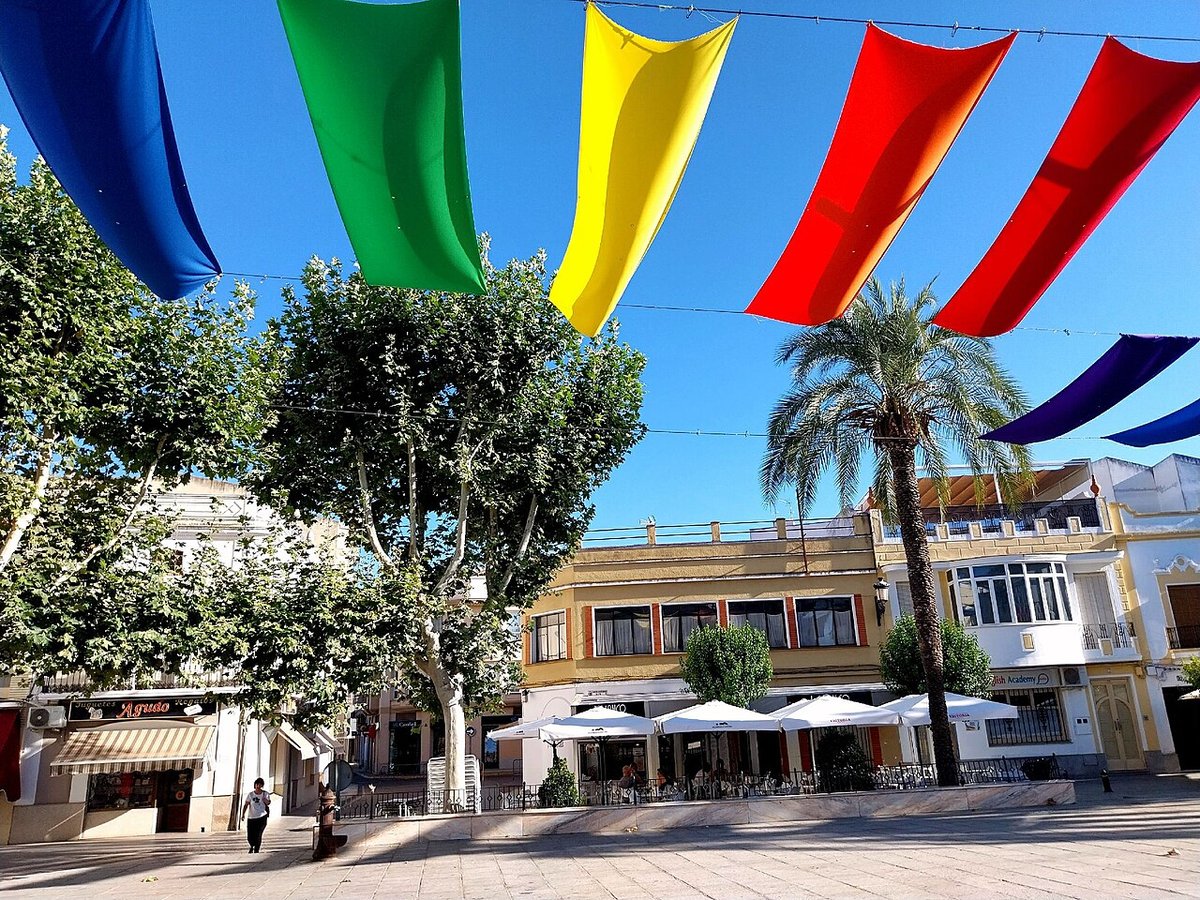
El centro histórico es bastante llano y las distancias son cortas. Un paseo de dos horas permite conectar el teatro, el anfiteatro, el templo de Diana, el museo y varias plazas del casco antiguo. El circo romano queda algo más apartado, pero sigue dentro de la ciudad y se puede llegar a pie sin gran dificultad.
La estación de tren está a unos quince minutos caminando del centro. Los autobuses urbanos también conectan con los yacimientos más alejados.