Full Article
about Montijo
Head town of the Vegas Bajas region; farming and service town with manor houses and cultural activity.
Ocultar artículo Leer artículo completo
The mudéjar tower of San Pedro Apóstol catches the morning light at an angle that makes the brickwork glow copper-red. It's half past nine on a Tuesday, and the plaza below is already busy with farmers discussing pepper prices over cortados while their boots still carry the red earth of the vegas. This is Montijo's daily rhythm—agriculture first, everything else second.
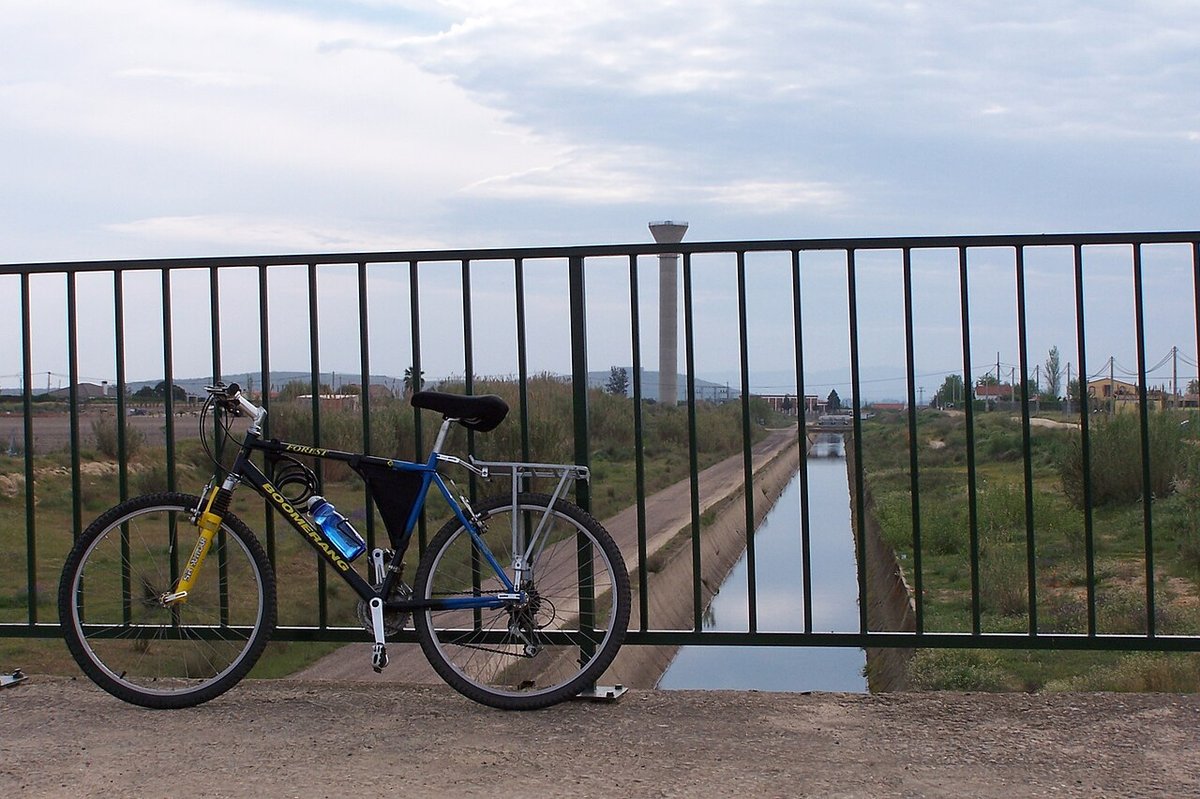
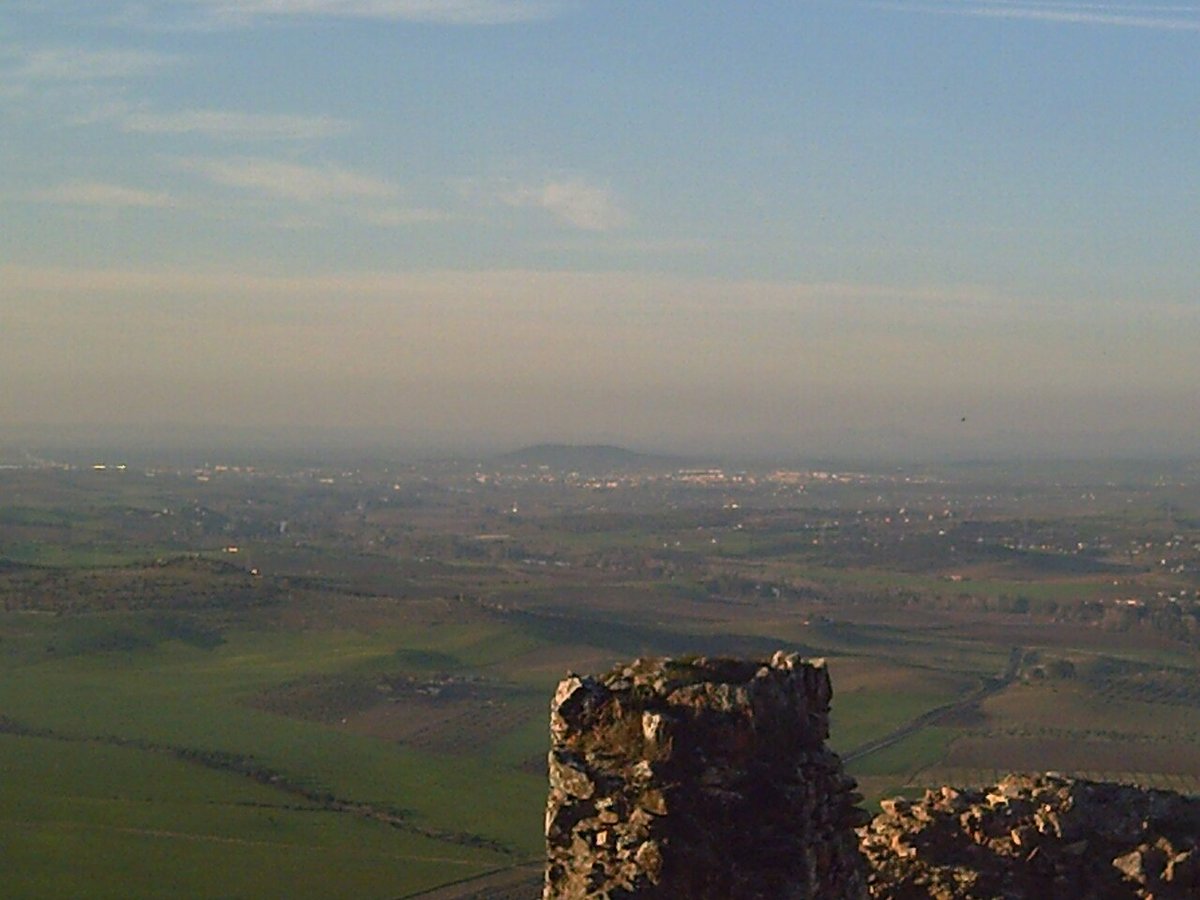
At 201 metres above sea level, the town sits squarely in the Vegas Bajas del Guadiana, a flat agricultural expanse that stretches towards the Portuguese border. The Guadiana River meanders somewhere beyond the horizon, but its presence is felt everywhere in the irrigation channels that carve geometric patterns through the fields. These acequias aren't decorative—they're working infrastructure, delivering water to the tomato and pepper crops that define the local economy.
The church tower, built in the fourteenth century when this was still frontier territory between Christian and Moorish Spain, remains the tallest structure for miles. Its distinctive brickwork pattern—alternating rows of stone and ceramic—speaks to a time when builders used whatever materials the land provided. Inside, the baroque altarpieces gleam with gold leaf that's been restored so many times the artisans have lost count. The effect is more atmospheric than spectacular; this isn't a cathedral that demands reverence so much as a parish church that has simply endured.
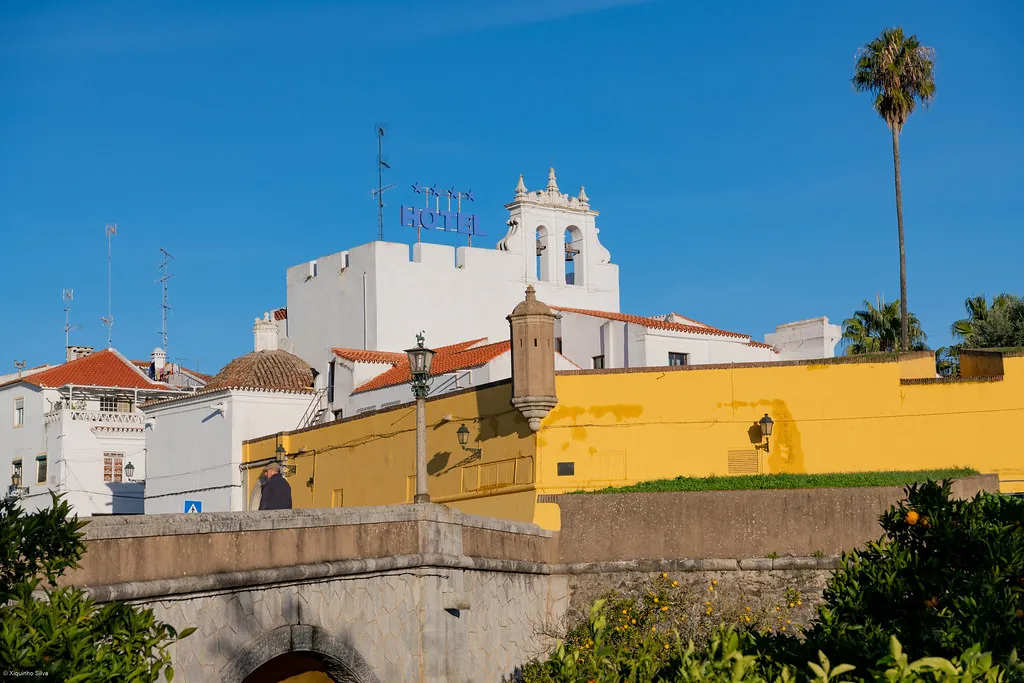
Wandering away from the centre, the streets grow narrower and the whitewash gives way to exposed stone. Here, the casonas—grand houses from the nineteenth century when agricultural wealth flowed more freely—stand shoulder-to-shoulder with modern builds. Some retain their original wooden balconies, others have been retrofitted with aluminium frames that speak to practical rather than aesthetic concerns. It's this mix of periods and priorities that gives Montijo its character; nobody's trying too hard to create a heritage experience.
The agricultural reality becomes unavoidable as you reach the town's edge. The fields start immediately—no gradual transition, no suburban buffer. In April, the tomato seedlings stand in neat rows, their plastic protectors glinting like armour. By September, these same fields will be a riot of red fruit, and the air will carry the sharp-sweet smell of harvest. The local cooperative, visible from the main road, processes millions of kilos annually, most destined for European supermarkets where the label will simply read "Product of Spain."
Cycling the farm tracks reveals the scale of this operation. The lanes, graded gravel running dead straight for kilometres, connect fields to processing plants to distribution centres. Bring water—lots of it—and sunscreen. The Extremaduran plain offers no mercy in summer; temperatures regularly touch forty degrees, and shade is theoretical rather than actual. Spring and autumn provide kinder conditions, though autumn can bring the occasional dramatic storm that turns these same tracks to mud thick enough to swallow bicycle tyres whole.
The food reflects this agricultural abundance, though not always in ways British visitors might expect. Yes, you'll find excellent tomatoes—served simply with local olive oil and a pinch of salt that brings out flavours supermarket varieties never achieved. But the heart of local cuisine lies in the dishes designed to fuel field workers. Migas—fried breadcrumbs with garlic and pork—appears on every menu, a hearty plate that makes more sense when you've spent the morning cycling between irrigation channels. The vegetable stews, thick with chickpeas and whatever's in season, provide the same functional nourishment.
Perrunillas, the local shortbread biscuits, offer sweetness without sophistication. Made with pork lard rather than butter (this is pig country too), they're crumbly, rich, and utterly addictive. The best come from the bakery on Calle de la Cruz, where Doña Mercedes has been making them the same way since 1978. She'll wrap them in white paper, no ribbon, no branding—just biscuits that taste of someone's childhood.
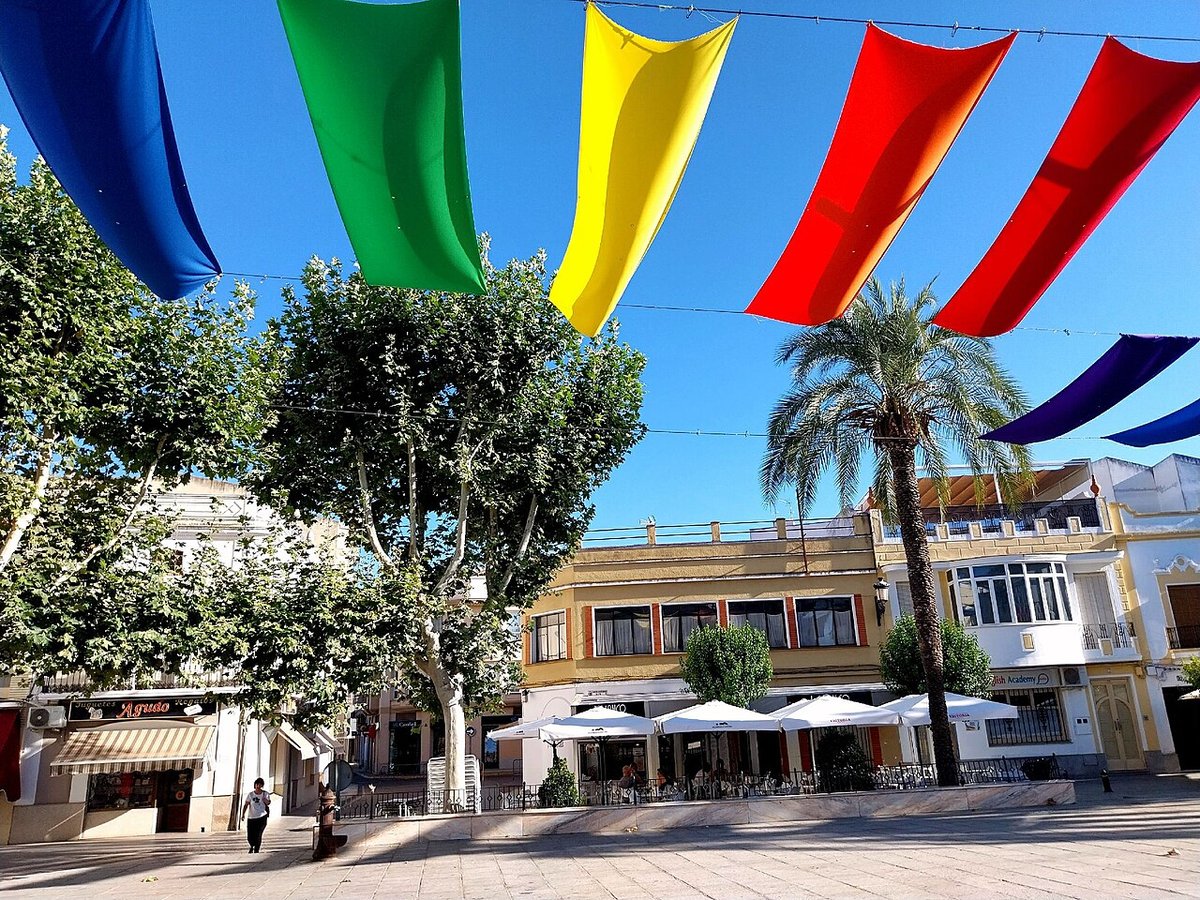
September brings the fiestas de la Virgen de Barbaño, when the town's population seems to double overnight. The patron saint's small hermitage, normally a quiet spot on the outskirts, becomes the focal point for processions that wind through streets decorated with paper flowers and bunting. The religious observance is serious—this isn't tourism, it's devotion—but the accompanying street parties spill into the early hours. Book accommodation early if you plan to visit during these weeks; the limited hotel stock fills quickly with returning locals rather than international visitors.
The Cruces de Mayo in May offers a more intimate experience. Neighbours compete to create the most elaborate floral crosses, decorating their streets with intricate designs made entirely of flowers. The competition is fierce but friendly, and visitors are welcome to vote for their favourites. It's during these festivals that Montijo's community spirit becomes most visible—everyone knows everyone, and newcomers are greeted with the polite curiosity reserved for rare occurrences.
Getting here requires either a hire car or patience with public transport. The train station at nearby Mérida, 25 kilometres distant, connects to Madrid and Seville, but buses to Montijo run only four times daily. Driving from Badajoz airport takes forty minutes across empty roads where you're more likely to encounter agricultural machinery than other tourists. The nearest beach lies over an hour away at the Alqueva reservoir—large enough to have tides but definitively inland.
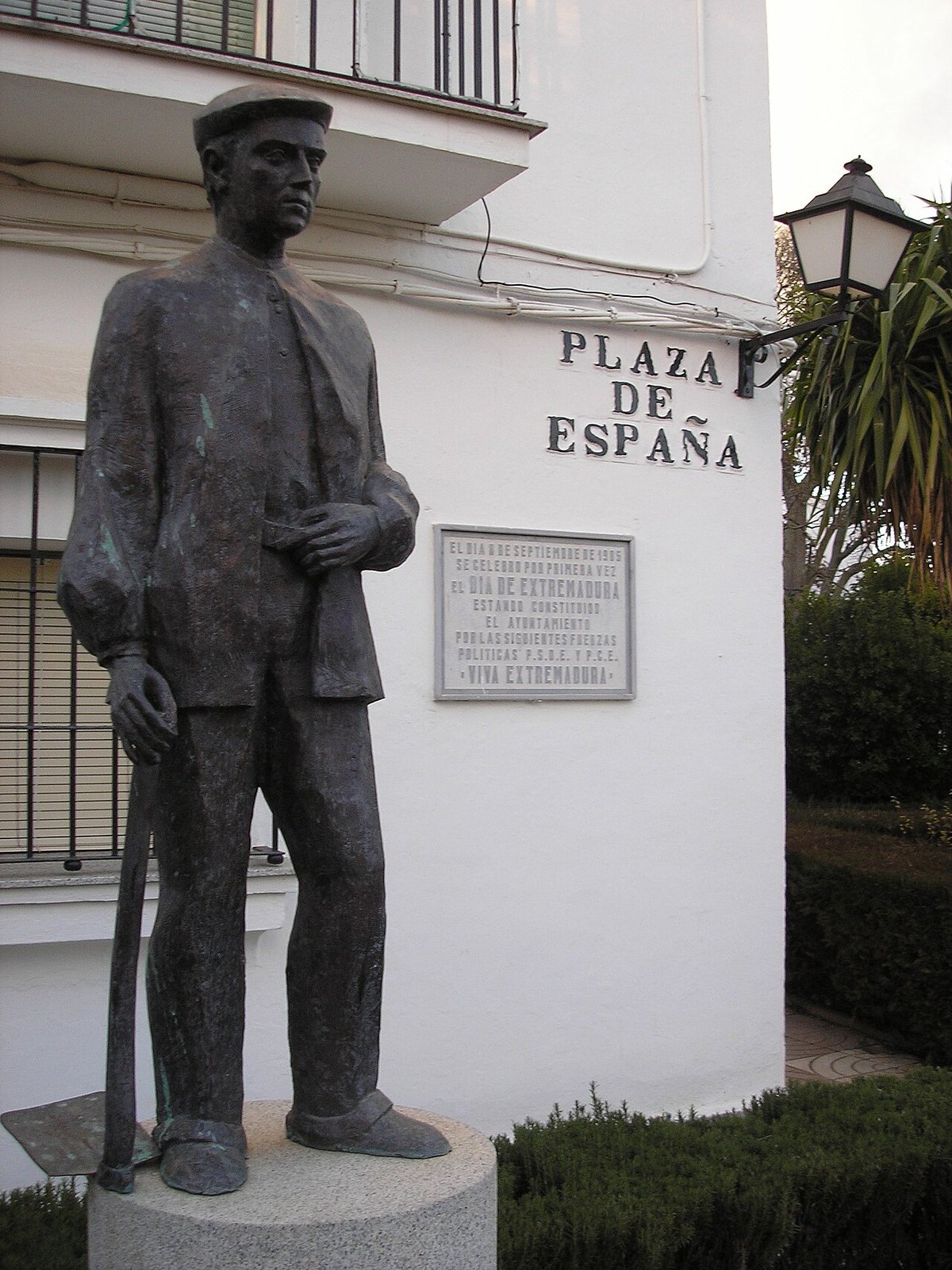
This relative isolation shapes everything about Montijo. Prices haven't been inflated by tourism; a three-course lunch with wine still costs under fifteen euros. The Saturday market sells work clothes and vegetables rather than souvenirs. Evenings revolve around the bars at Plaza de España, where elderly men play cards while their wives gossip on adjacent tables. Visitors are welcome but not essential—this town would function perfectly well without tourism, which paradoxically makes it more rather than less appealing.
Stay longer than a couple of hours and patterns emerge. The bread delivery at seven-thirty sharp. The way shopkeepers pause conversations to greet regular customers by name. How the town's single set of traffic lights seems permanently set to flashing amber—suggesting traffic volumes that don't warrant the expense of proper sequencing. These aren't curated experiences; they're simply life continuing, indifferent to whether anyone's watching.
Montijo won't change your life. It doesn't offer the dramatic vistas or Instagram moments that fuel modern travel. What it provides instead is authenticity without pretension—a working agricultural town where the fifteenth-century church shares skyline space with grain silos, where dinner might be the best tomato you've ever tasted served by someone who grew it, and where the greatest luxury is simply being somewhere that tourism hasn't yet reinvented.