Full Article
about Oliva de Mérida
A town rooted in olive-growing and archaeology, noted for the Palacete site and its surrounding hills.
Ocultar artículo Leer artículo completo
The church bell strikes noon, and Oliva de Mérida pauses. Shop shutters roll down. The single café empties. Even the village dogs seem to understand that nothing much will happen until the heat loosens its grip at half past four. This is not the Spain of glossy brochures—there are no flamenco shows, no rooftop bars, no souvenir stands. Instead, 1,674 souls share their grid of whitewashed streets with perhaps ten times that many olive trees, and the silence is so complete you can hear fruit dropping onto the red earth.
At 332 m above sea level the village sits just high enough to catch a breeze off the Guadiana plain, yet low enough for summer to feel like a furnace. Spring and autumn are the sensible seasons to come; winter nights drop to 3 °C, perfect for the log-fired stews locals live on, while August afternoons can touch 42 °C, sending everyone indoors to siesta through the scent of woodsmoke and olive sap.
A church, a square, and a thousand greetings
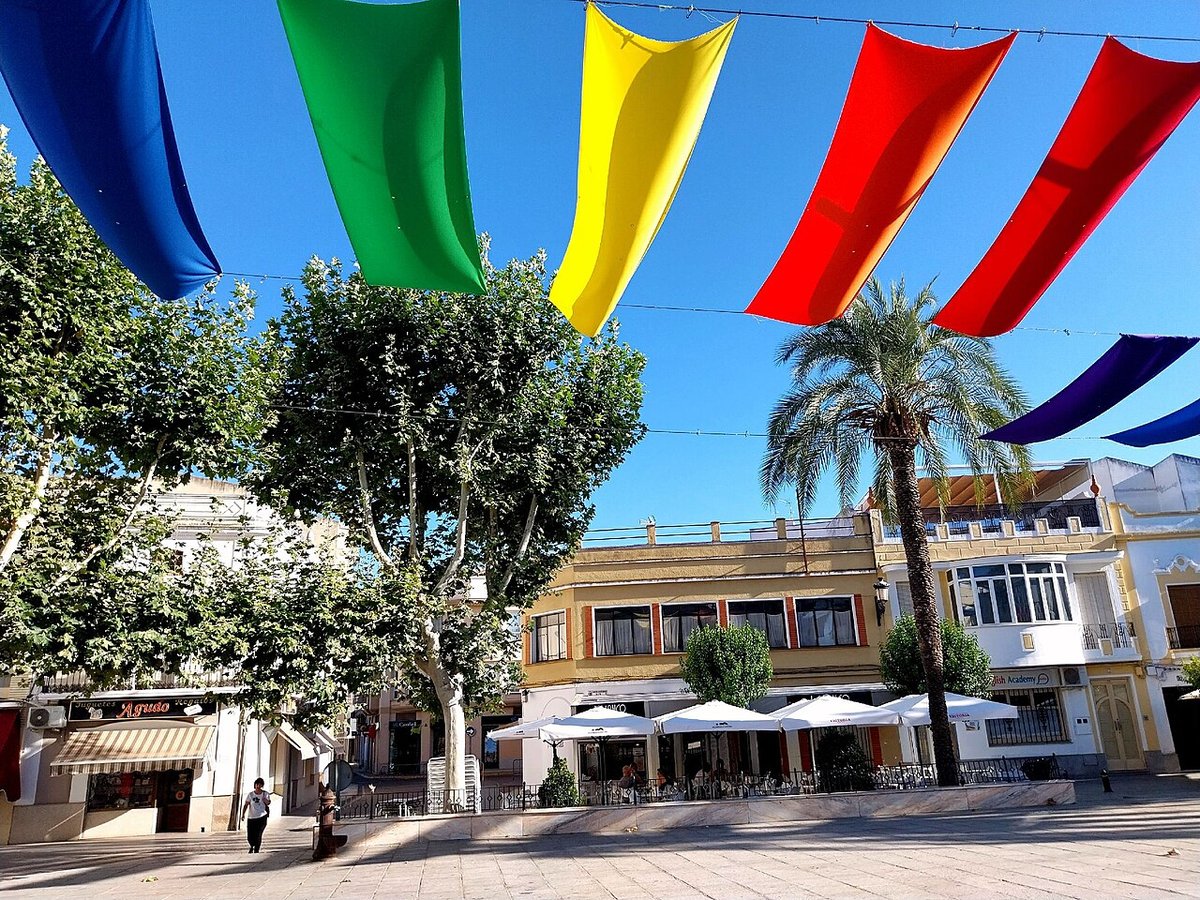
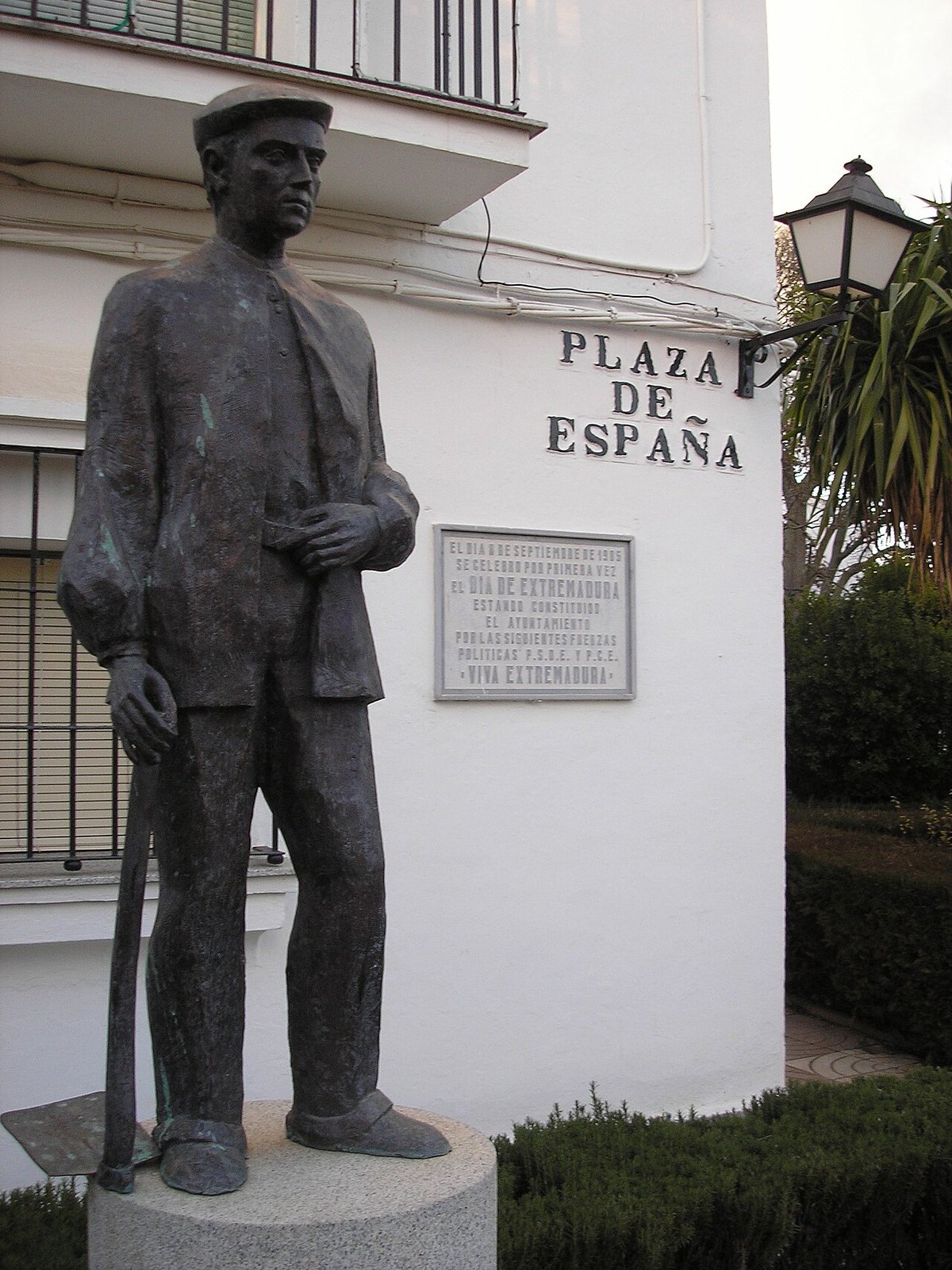
The centre of gravity is the Plaza de España, a rectangle of packed earth and uneven flagstones shaded by a single huge eucalyptus. On one side stands the Iglesia de Nuestra Señora de la Oliva, a modest medieval parish enlarged whenever the olive harvest was good. Its tower is square, its walls are thick, and its doorway is kept unlocked because, as the sacristan will tell you, “the key was lost in 1973 and nobody saw the need to replace it.” Inside, the air smells of beeswax and old linen; a Romanesque font survives from the original building, now used as a planter for plastic dahlias.
Radiating from the square are four streets—Calle Real, Calle Nueva, Calle Sevilla, Calle de la Cruz—each barely two cars wide. Houses are low, roofs of curved terracotta tiles project like eyebrows, and every third doorway reveals a glimpse of interior patio where geraniums compete with washing lines for space. People greet strangers with the polite form “usted” and will happily direct you to “the other church” (there isn’t one) just to keep the conversation going.
Oil, pork, and whatever the garden offers
Food here is not restaurant theatre; it is what you get if someone invites you in. Breakfast might be tostada scraped with raw garlic and tomato, drowned in the local arbequina oil so peppery it makes you cough. Lunch at Bar Central—there is only one bar—could be a plate of migas: breadcrumbs fried in chorizo fat, scattered with grapes and scraps of pork cheek. Dinner, if you are lucky, is cordero a la caldereta, lamb simmered with bay and pimentón until the meat slips from the bone. Vegetarians should lower expectations: even the green beans come with bits of jamón. A three-course menú del día costs €11 and includes a half-bottle of house wine that tastes better than it should.
Those keen to cook can buy oil straight from the cooperative on the industrial estate south of town. Bring your own bottle; they will fill it for €4 a litre from a stainless-steel vat labelled simply “noviembre”. The olives were shaken from the same trees you walked past on the way in.
Tracks that peter out among the oaks
Walkers arrive expecting signed trails and find instead a maze of farm tracks. One useful route starts opposite the cemetery and follows a sunken lane west for 4 km to the abandoned molino de Gargáligos, a stone water-mill swallowed by brambles. Another heads east toward the sierra de San Pedro, climbing gently through dehesa where Iberian pigs graze among holm oaks. Bootprints are rare; bootprints belonging to someone other than the local vet are rarer. Carry water—there are no fountains—and download an offline map; phone signal vanishes in every valley.
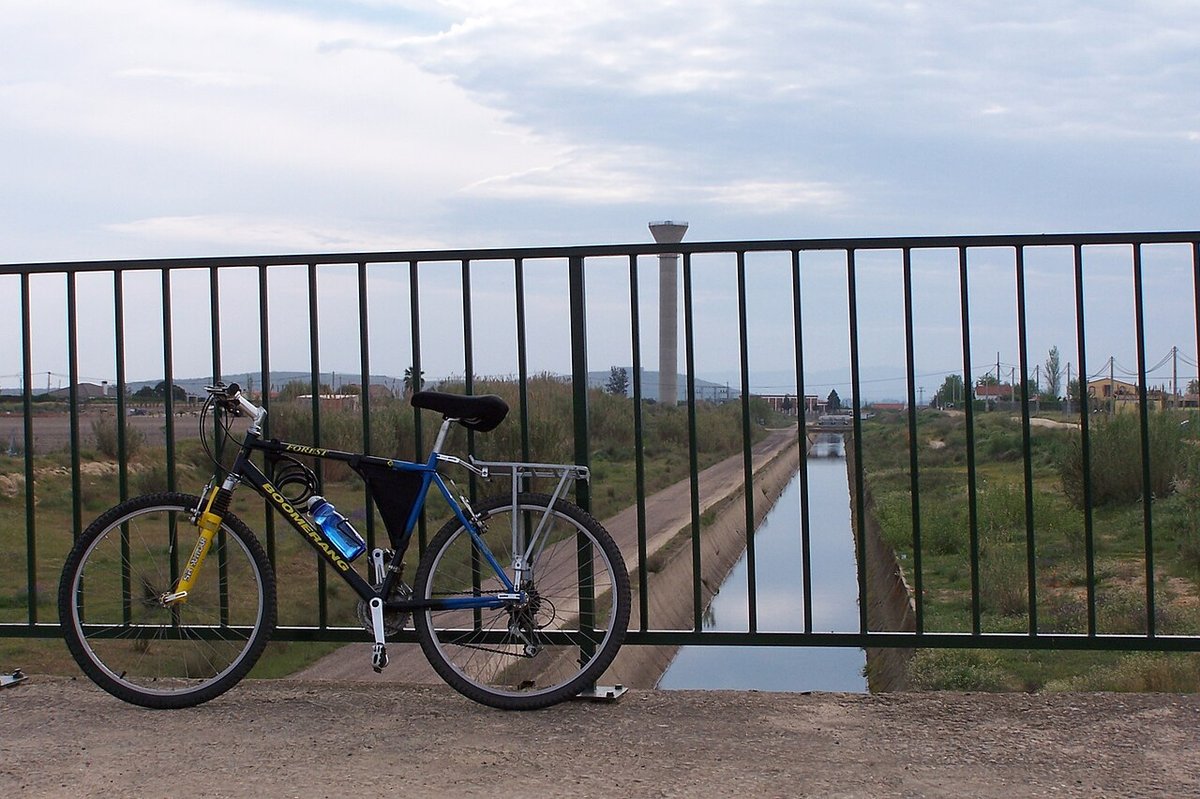
Cyclists fare better: the EX-390 passes the village and offers 30 km of rolling tarmac almost free of lorries. Gently rising from Oliva toward Mérida, the road threads olive groves that flick from silver to sage depending on the wind. A steady 15 km/h earns you encounters with hoopoes, red-legged partridges, and the occasional shepherd on a moped who will wave you down to ask whether it is true that English people put milk in tea.
When the village remembers it has visitors
August changes everything. The fiestas patronales honour Nuestra Señora de la Oliva with a procession that leaves the church at high noon, ensuring even the Virgin has to sweat. Brass bands play pasodobles out of tune, teenage girls wear dresses made from the same polka-dot fabric, and the night ends with a foam party in the polideportivo—essentially a plastic-lined bullring filled with soapy water and €1 bottles of beer. Accommodation does not exist; the nearest beds are in Mérida, 28 km away, so most visitors kip on relatives’ sofas or in cars parked under the eucalyptus.
In September the mood shifts to the vendimia. Pick-up trucks groan under crates of grapes bound for the cooperative at nearby La Garrovilla. If you ask nicely you can join the harvest for a morning; payment is lunch and as much young wine as you can carry in a plastic bottle. By November the focus moves to olives: mechanical rakes shake the branches, nets ripple across the ground, and the air fills with the cough of two-stroke engines and the green scent of crushed leaves. These are the best weeks to understand the place—everyone is busy, everyone is filthy, and no one minds a stranger lending a hand.
Getting here, staying sane, leaving again
Oliva de Mérida has no railway, no hotel, and no cash machine. From the UK, fly to Madrid or Lisbon, hire a car, and reckon on two-and-a-half hours of empty motorway followed by twenty minutes of country road. The last petrol is at the A-5 services outside Mérida; the village garage closed in 2011 and now sells garden furniture.
The single guest flat, advertised on a hand-written card in Bar Central, offers two rooms, a kettle, and a bathroom where the hot tap runs cold in July. It costs €35 a night, cash only, and the owner insists on showing you family photo albums before she hands over the key. Most visitors base themselves in Mérida instead—doubles from €55, plus another €30 for a taxi back after dinner because Spanish rural buses stop running at 20:00.
Bring sunscreen and a fleece in the same rucksack; Extremadura can gift you both 30 °C heat and a frost warning within 24 hours. Bring patience too: lunch appears when it appears, the bar shuts if Antonio’s granddaughter has a school play, and the village’s only internet connection is a 3G mast that wobbles whenever the north wind blows. That, rather than any monument, is the real reason to come. Oliva de Mérida does not perform for tourists; it simply continues, season after season, while the olive trees slowly outlive the people who planted them.