Full Article
about Puebla de la Calzada
Town of the Vegas Bajas, merged with Montijo; strong cultural and agricultural activity with a tradition in fruit trees.
Ocultar artículo Leer artículo completo
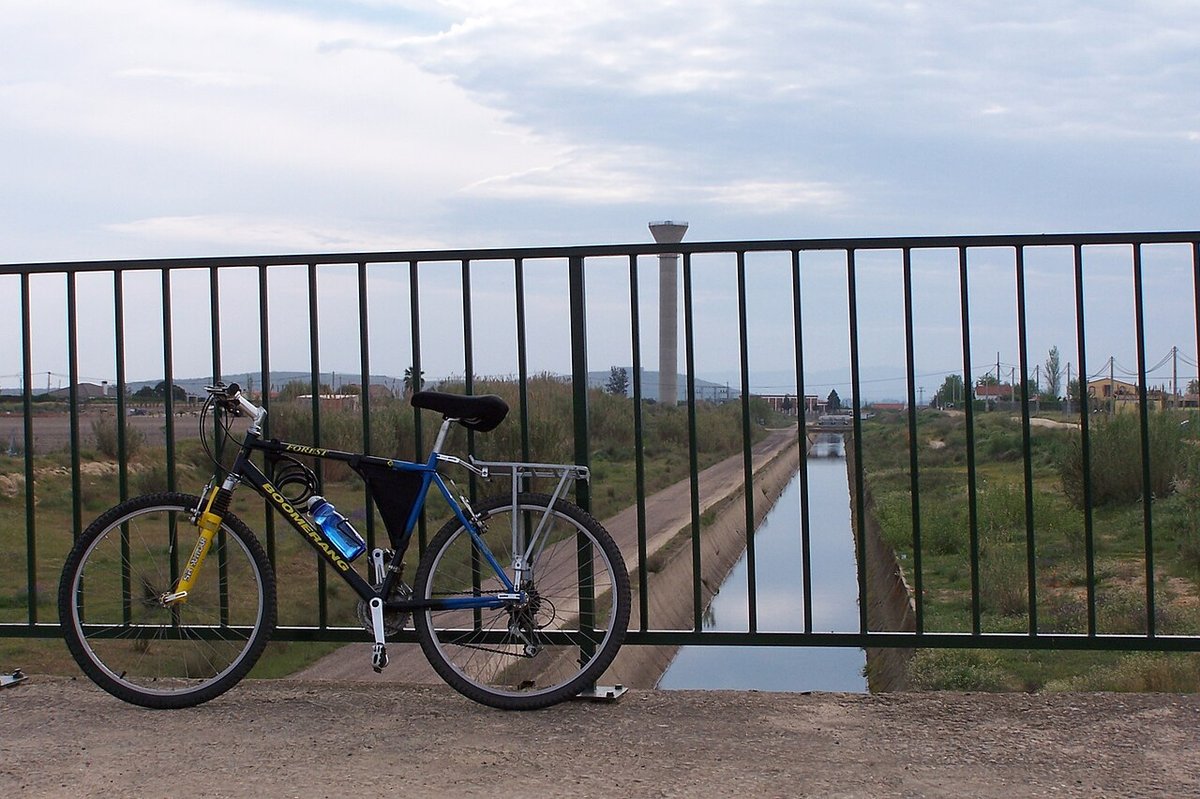
The tractor moves at walking pace along the irrigation channel, its driver checking the water flow with the concentration of a cardiac surgeon. It's 7:30am in late May and already 22 degrees. This is Puebla de la Calzada's morning rush hour – one vehicle, one man, and the business of getting water to tomato plants before the Extremaduran sun climbs higher.
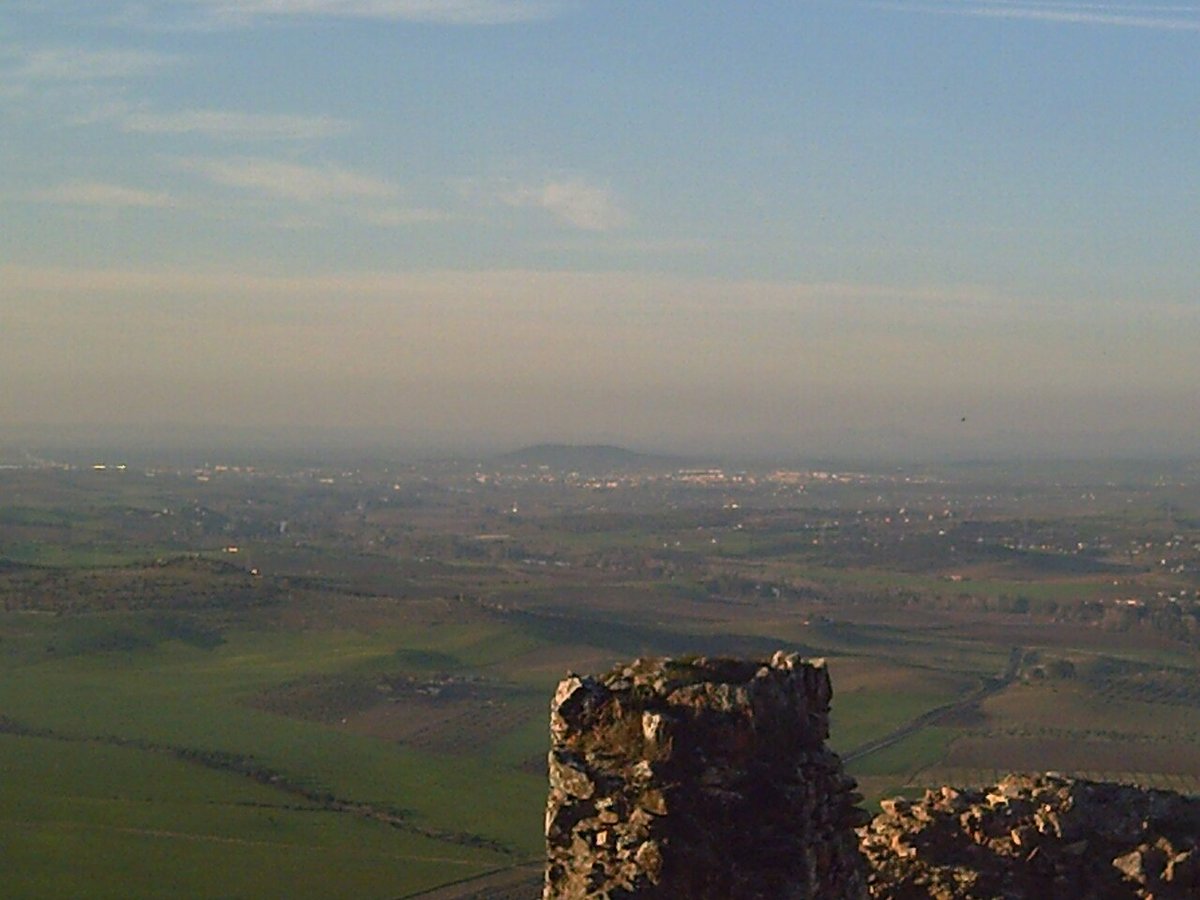
At 191 metres above sea level, this isn't a mountain village in the traditional sense. Yet the flatness here feels almost vertiginous. Stand at the edge of town and the horizon stretches so wide you can watch weather systems approach like slow-moving armies. The only elevation comes from the church tower of San Sebastián, which at three storeys high still manages to dominate everything around it.
Where the Wheat Meets the Sky
The name means 'town of the causeway' – a nod to the Roman road that once passed through, connecting Mérida to the Portuguese border. Those ancient travellers would recognise the landscape today: a patchwork of wheat fields, olive groves and market gardens that shifts colour with the seasons. April brings fluorescent green wheat. July turns everything gold. October's ploughed earth reveals the deep red soil that gives local tomatoes their intensity.
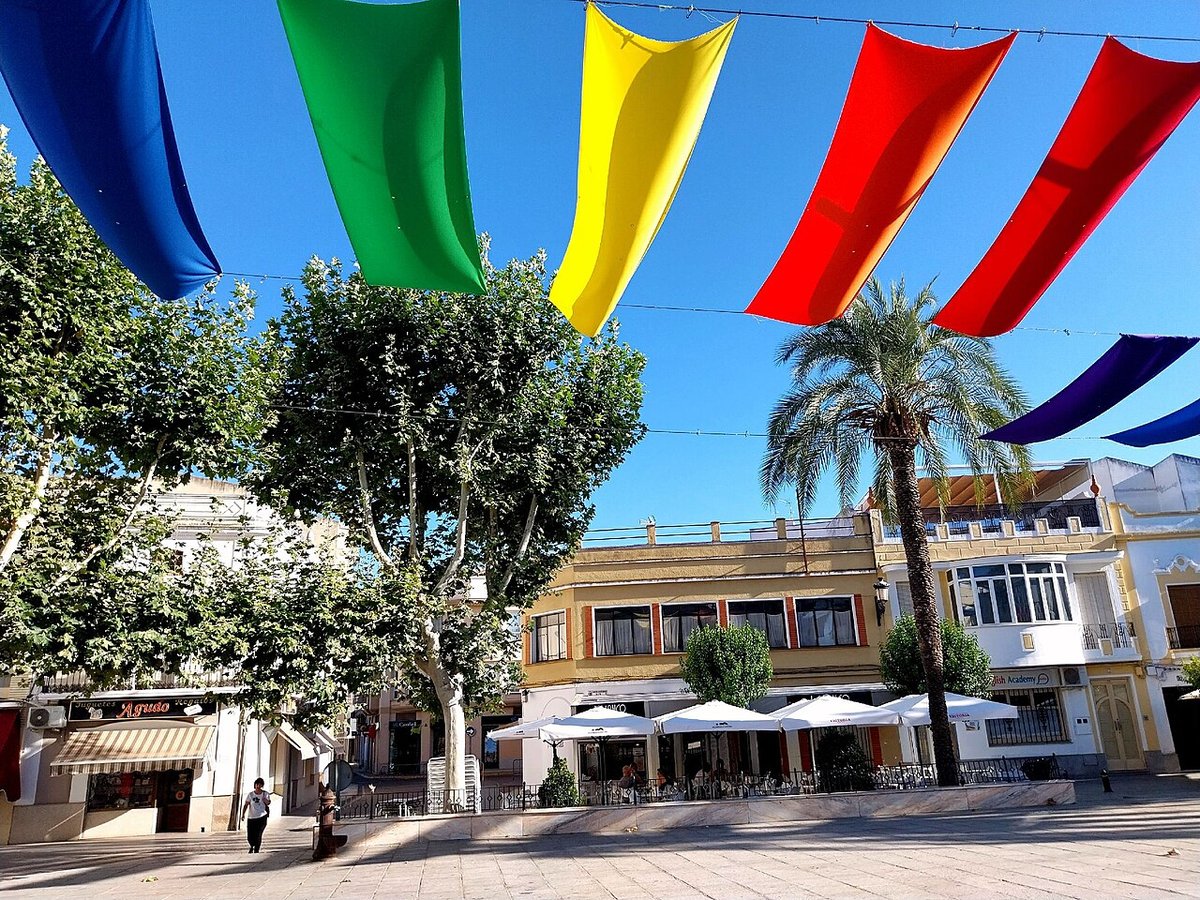
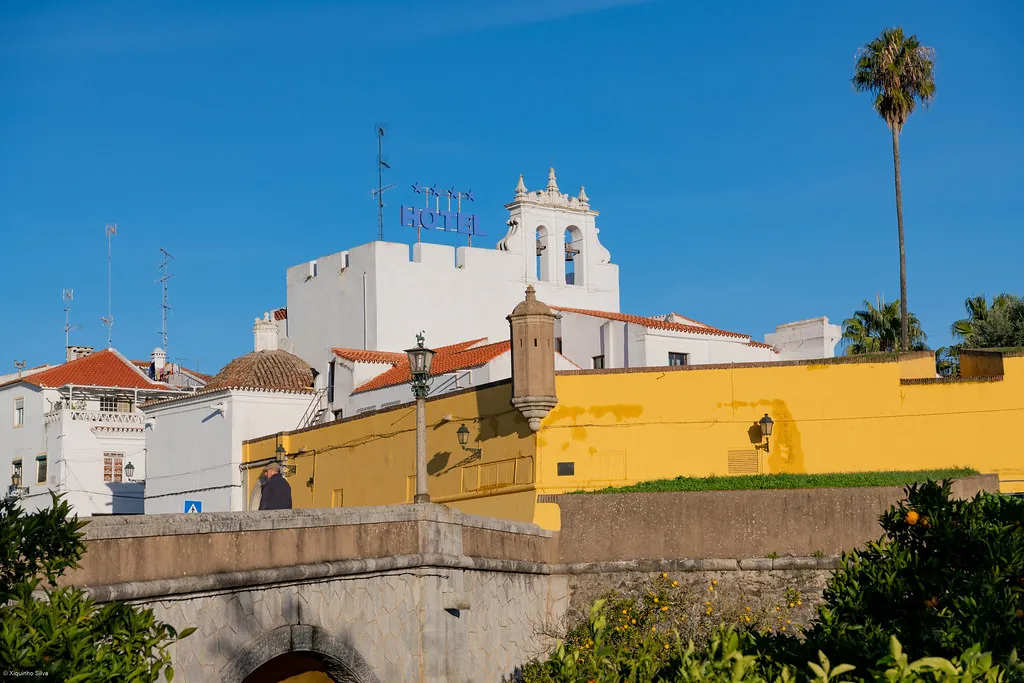
British visitors expecting Andalusian whitewashed drama might find the architecture underwhelming. Houses are one or two storeys, painted in practical ochres and pale blues. Shutters stay closed against the afternoon heat. There's no medieval quarter or castle ruins – just a working town where the most photogenic feature is often a neatly stacked pile of irrigation pipes outside a farm supply shop.
The church of San Sebastián anchors the town square, its bell tower visible from anywhere within a five-minute walk. Inside, the temperature drops ten degrees. The building spans six centuries: 14th-century foundations, 16th-century Gothic arches, 18th-century baroque altar, and 20th-century ceiling fans that clatter overhead like elderly helicopters. Sunday mass at 11am still draws a decent crowd, though these days it's as much social club as spiritual obligation.
The Three-Hour Rule
Here's what the tourist websites won't tell you: Puebla de la Calzada operates on a three-hour cycle. Arrive at 10am and you'll see shop shutters rolling up, elderly men shuffling to the bar for cortados, delivery vans unloading boxes of bread and beer. By 1pm, the place is humming. Come back at 5pm and it's a ghost town – everyone indoors for lunch and siesta. The streets don't wake up again until 7pm, when the temperature drops and the evening paseo begins.
This rhythm catches out plenty of visitors who rock up at 3pm expecting lunch. The restaurants shut. The bars might serve you a toasted sandwich if you're lucky, but they'll make it clear you're disrupting their workflow. Plan accordingly. Eat at 2pm or after 8:30pm. The sweet spot for coffee and people-watching is 11am, when the town's social life plays out over bitter espresso and polite arguments about football.
Food here doesn't mess about. Order the cordero a la caldereta (lamb stew) and you get lamb. Lots of it. Swimming in rich gravy with potatoes that taste like they were dug up that morning. The migas – fried breadcrumbs with garlic, peppers and chorizo – arrive in portions that would feed a Roman legion. Vegetarians can request escalivada (roasted aubergine and peppers) but expect puzzled looks. This is meat country, where salad is considered rabbit food and vegetables exist primarily to flavour stews.
Walking the Grid
The agricultural plains that surround Puebla de la Calzada are criss-crossed with a grid of dirt tracks originally built for irrigation maintenance. These make perfect walking routes – flat, well-marked and offering that intoxicating sense of space that British countryside rarely provides. Pick any track heading west and within fifteen minutes the town shrinks to a smudge on the horizon, leaving you alone with skylarks and the occasional irrigation pump chugging away like a distant diesel generator.
Spring brings the best walking weather: 18-22 degrees, wild asparagus growing along the track edges, and the heady smell of orange blossom drifting over from the huertas (market gardens). Autumn works too, though the sun stays strong until late October. Summer walking is for masochists – temperatures hit 40 degrees by noon and shade is theoretical. Winter can be surprisingly sharp; morning frost isn't unknown and the wind whips across the plains with nothing to stop it until Portugal.
Bring proper walking shoes. The tracks are sandy but strewn with agricultural debris – irrigation tubes, bits of machinery, the occasional desiccated snake skin. A hat is non-negotiable nine months of year. Water too; there are no pubs or cafés once you leave town. The circular route to the abandoned cortijo (farmhouse) 3km west takes about 90 minutes and delivers you back in time for lunch, assuming you started early enough.
When the Fiesta Starts
San Sebastián in January transforms the town. The morning starts with a sung mass that even atheists attend for the choir alone – six local women whose harmonies could make stones weep. Then comes the procession: the saint's statue carried through streets carpeted with rosemary branches, followed by a brass band playing marches that haven't changed since Franco's day. By 2pm everyone's drunk. Not rowdy drunk – Spanish family drunk, where grandparents dance with toddlers and teenage boys suddenly discover they can flirt after all.
August's feria is bigger, louder and hotter. The main road closes for three days of fairground rides that look like they last saw a safety inspection during the peseta era. Food stalls serve grilled sardines and paper cones of roasted almonds. The music starts at midnight and continues until the police decide enough is enough, usually around 5am. Book accommodation early – the town's one hotel fills up with returning emigrants from Barcelona and Madrid, all here to prove they haven't forgotten their roots despite decades of city living.
The Honest Assessment
Puebla de la Calzada won't change your life. It's not dramatic enough for that. What it offers instead is a glimpse of rural Spain that tourism hasn't sanitised – a place where the baker still remembers your order after two days, where teenagers help elderly neighbours carry shopping, where the evening entertainment is sitting outside the Bar Central watching tractors cruise past like low-riders.
Come here as part of a wider Extremadura trip. Base yourself in Mérida (20 minutes drive) or Badajoz (15 minutes) and spend half a day walking the vega tracks, eating proper country food, and remembering what Spanish towns were like before souvenir shops and craft beer bars. Stay longer only if you're writing a novel, recovering from a divorce, or have a serious interest in irrigation techniques.
The nearest airport is Seville, two hours drive on excellent motorways. Car hire is essential – public transport exists but runs on Spanish time, which bears no relation to published timetables. Bring cash; many places look at foreign bank cards like you're offering them Bitcoin. And learn at least three Spanish phrases. Nobody here speaks English, but they'll appreciate the attempt and reward it with advice on which track has the best wild asparagus.
Just remember the three-hour rule. Ignore it and you'll find yourself hungry, thirsty and alone on streets that feel post-apocalyptic. Respect it and you'll slot right into the rhythm of a town that measures time not in minutes but in seasons, water levels and the slow arc of the sun across that enormous sky.