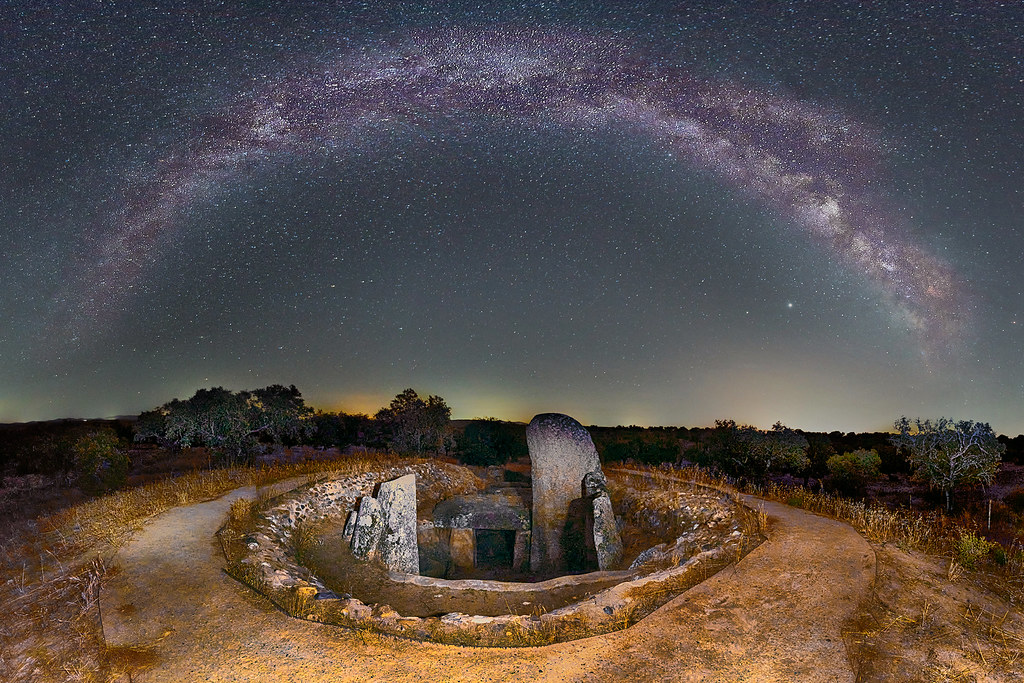
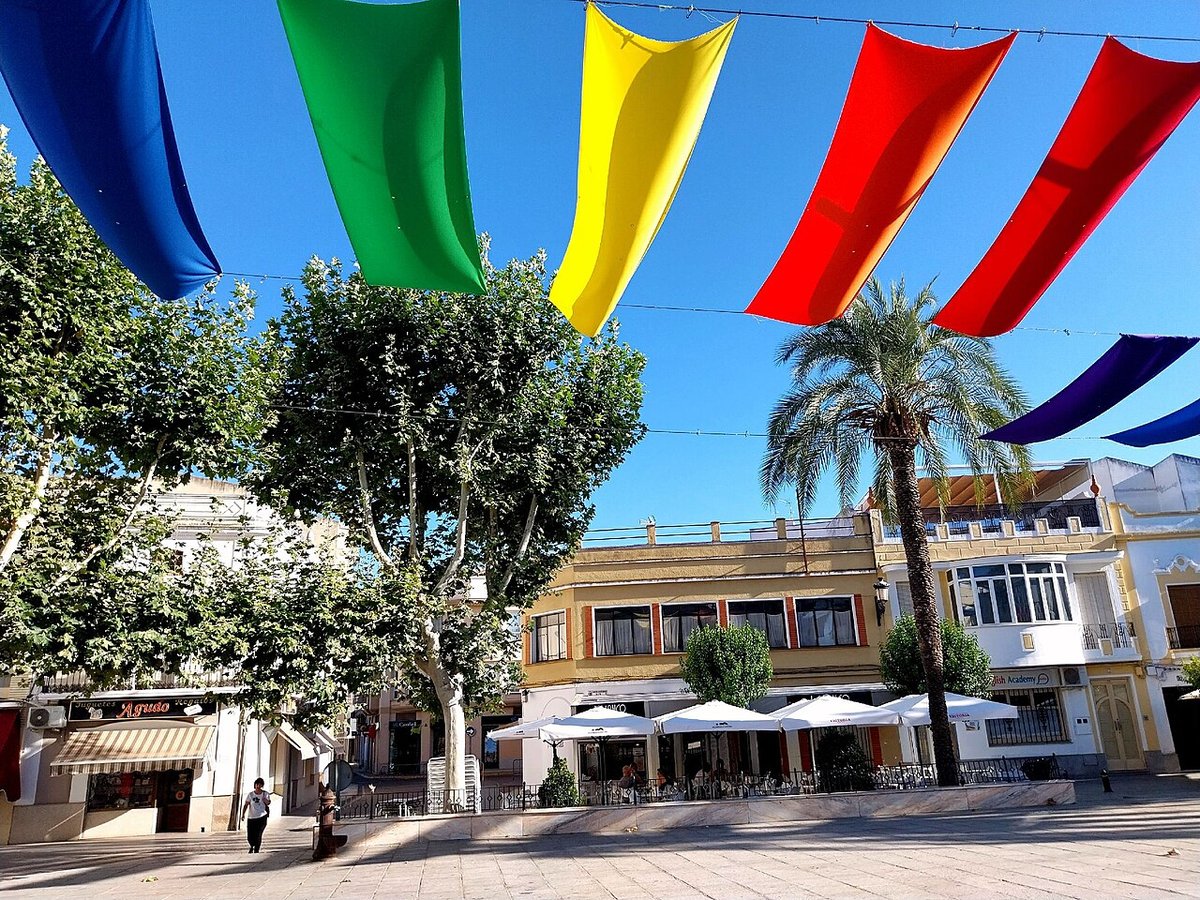
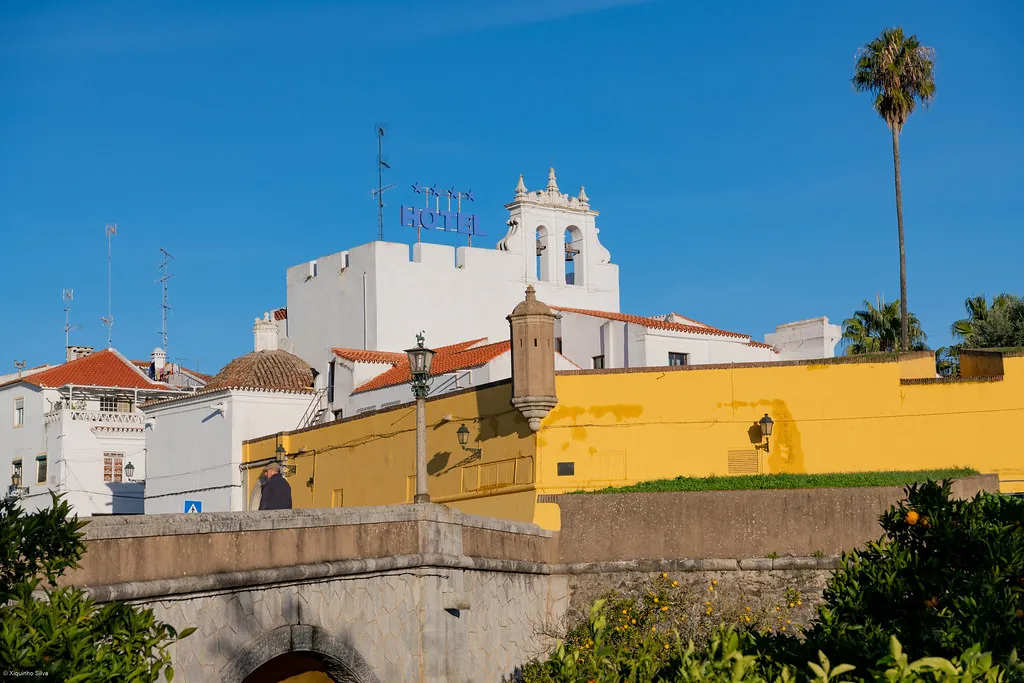
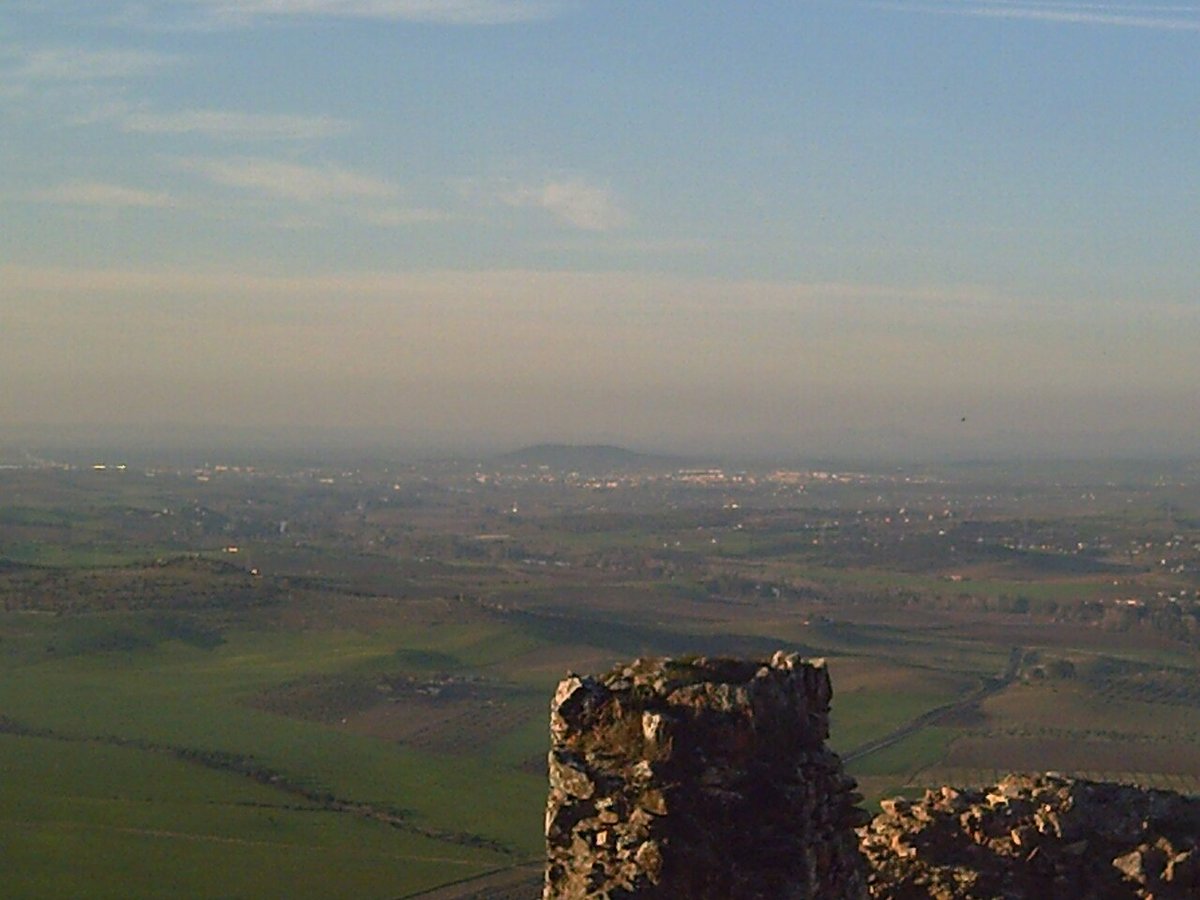
Vista aérea de Puebla de Obando
Instituto Geográfico Nacional · CC-BY 4.0 scne.es
Extremadura · Meadows & Conquerors

Puebla de Obando

The bakery opens at seven, but the village has been awake since six. Tractors rumble past carrying sprigs of holm oak for the pig farms, their head...

1,809 inhabitants · INE 2025
378m Altitude

Why Visit

Mountain Church of San Ildefonso Hiking in the Sierra de San Pedro

Best Time to Visit

autumn

September Fair (September) septiembre

Things to See & Do
in Puebla de Obando

Heritage

  • Church of San Ildefonso
  • setting of the Sierra de San Pedro

Activities

  • Hiking in the Sierra de San Pedro
  • Mushroom picking
  • Mountain biking

Festivals
& & Traditions

Fecha septiembre

Feria de Septiembre (septiembre), San Ildefonso (enero)

Las fiestas locales son el momento perfecto para vivir la autenticidad de Puebla de Obando.

Full Article
about Puebla de Obando

Located at the mountain pass between Badajoz and Cáceres; a landscape of cork oaks and chestnuts ideal for hiking.

Ocultar artículo Leer artículo completo

The bakery opens at seven, but the village has been awake since six. Tractors rumble past carrying sprigs of holm oak for the pig farms, their headlights catching the stone arch that marks the entrance to Puebla de Obando. By eight, the bollo de leche – soft milk buns the size of cricket balls – are already cooling on the counter of Collado Cebrino. Buy two: one for now, one for the glovebox. You'll want it later when everything closes for siesta.

A Single Street and What Lives On It

Puebla de Obando stretches barely a kilometre along the EX-390. There is no plaza mayor, no tourist office, no souvenir shop selling fridge magnets shaped like bulls. What you get instead is a working village of 1,800 people, 378 metres above sea level, where the loudest sound is often grain being poured into metal hoppers. Stone houses have their original wooden doors, paint peeling in satisfying strips the colour of paprika and sun-bleached indigo. Washing hangs from first-floor balconies; someone has tied a rope between two wrought-iron brackets and clipped on a pair of overalls still dusty from the fields.

The 16th-century bridge at the southern end is worth the extra three-minute walk. Five uneven arches cross the Jerte river, wide enough for a single car but traffic is rare. Stand in the middle and you can see cormorants drying their wings on the limestone blocks downstream. In April the water smells of mint and wet slate; by August it's a string of green pools shrinking daily under 38-degree heat.

Church, Cheese and the Art of Doing Nothing

The Iglesia de Nuestra Señora de la Asunción sits halfway along the street, its brick tower repaired so many times it resembles a patchwork quilt. The door is usually unlocked. Inside, the air drops five degrees and carries a faint whiff of beeswax. Gold leaf on the altar has been rubbed thin by centuries of fingertips seeking luck. There is no explanatory panel in four languages, no QR code. Light a candle if you wish; leave fifty cents in the box.

Back outside, turn left into Calle de la Constitución and look for Bar Emilio. Plastic chairs on the pavement, television muttering in the corner, menu chalked on a board. Order a caña and a ración of Torta del Casar, the local sheep's cheese that arrives in its own wooden dish, lid caramelised like crème brûlée. The trick is to slice the top off, scoop the molten centre onto warm bread, then add a stripe of local honey. It tastes like the love-child of Brie and Welsh rarebit, only stronger. Price: €4.50, bread included. They close at four unless it's raining, in which case they might shut at three.

Walking the Dehesa Without Getting Lost

North of the village the road dissolves into unsurfaced tracks that enter the dehesa – the open woodland of holm and cork oak that defines Extremadura. Public footpaths are marked by stone cairns rather than signposts; pick up a free map at the bakery, though it's more diagram than ordinance survey. A gentle circuit of 7 km takes you past pig enclosures, an abandoned stone hut and finally to the granite outcrop called Cerro de la Horca, where the view opens onto wheat fields the colour of digestive biscuits. Allow two hours, carry water April to October, and start early: shade is theoretical once the sun climbs above the canopy.

In winter the landscape greens overnight after rain, and the temperature can drop to 3 °C – pack a fleece even if Seville hit 22 °C at breakfast. Night frosts crisp the track edges; wild asparagus shoots appear between January and March, gathered by locals who won't reveal their spots.

When the Village Turns Up the Volume

August changes everything. The fiestas patronales honour the Virgin of the Assumption with three nights of live music on a portable stage in the street. Population doubles as emigrants return from Madrid and Barcelona. Houses that seemed semi-derelict suddenly sprout fairy lights and folding tables groaning with ham. A foam machine turns the school playground into a disco for seven-year-olds; adults dance chambao until the generator cuts out at 3 a.m. If you crave sleep, book a room in Zafra twenty minutes away – every local balcony becomes a front-row seat.

Carnival in February is quieter: children in supermarket-costume processions, elders wearing sashes that read "Reina de la Tercera Edad". Semana Santa involves a single procession, candles in jam jars, no marching bands. The drum echoing off stone walls is haunting enough without amplification.

Practicalities No One Prints on Leaflets

Petrol: none. The nearest station is 18 km south in Jerez de los Caballeros – fill up before you arrive. Cash: essential. The bakery's card reader was bought in 2003 and dislikes foreign chips; Bar Emilio prefers notes. Parking is free anywhere with white lines; avoid the loading bay outside the agricultural co-op before 11 a.m. – lorries block the street while collecting feed sacks.

Opening hours are more suggestion than rule. Lunch runs 1.30–3.30; evening food appears 8–10, but only if the owner feels like it. Phone ahead (+34 924 570 013) if you're banking on dinner; if nobody answers, assume the bar is closed and buy emergency crisps from the grocer opposite the church.

Accommodation within the village amounts to one three-room guesthouse above the old telephone exchange. Rooms are clean, Wi-Fi patchy, price €35 including coffee and the aforementioned bollo. Otherwise stay in Zafra or Mérida and day-trip. Public transport is a Tuesday-only bus to Badajoz that leaves at dawn and returns at dusk – essentially useless for visitors.

Worth the Detour? Honest Verdict

Puebla de Obando will never compete with Cáceres' walled city or the Roman theatre at Mérida. It offers instead a twenty-minute slice of unfiltered rural Spain: smell of oak-smoked ham drifting from a private curing shed, old men comparing tractor brands over brandy at ten in the morning, a church bell that still marks the hours because the village council can't agree on a digital replacement. Come for the cheese, walk the dehesa, photograph the bridge, then leave before the siesta shutters clatter down. Two hours is plenty; half a day if you linger over a second beer. Accept the village on its own terms and you'll carry away a sense of calm no cathedral city can sell you. Expect souvenir stalls or bilingual menus and you'll drive away hungry, wondering what all the fuss was about.

Key Facts

Region
Extremadura
District
Tierra de Mérida - Vegas Bajas
INE Code
06107
Coast
No
Mountain
Yes
Season
autumn

Livability & Services

Key data for living or remote work

2024
ConnectivityFiber + 5G
HealthcareHealth center
EducationElementary school
Housing~5€/m² rent · Affordable
January Climate8°C avg
Sources: INE, CNMC, Ministry of Health, AEMET

Planning Your Visit?

Discover more villages in the Tierra de Mérida - Vegas Bajas.

View full region →

More villages in Tierra de Mérida - Vegas Bajas

Traveler Reviews