Full Article
about San Pedro de Mérida
Municipality near Mérida and the Cornalvo Natural Park; a quiet place with access to nature.
Hide article Read full article
San Pedro de Mérida: cuando el desvío es el destino
Te diré una cosa. A veces, lo mejor de un viaje no es el lugar al que ibas, sino la carretera secundaria que tomaste por aburrimiento. San Pedro de Mérida es esa carretera convertida en pueblo. Está tan pegado a Mérida que casi se siente su sombra, pero en cuanto aparcas el coche, cambia la película. El ruido de ciudad se apaga y lo único que queda es el runrún de un pueblo de 800 habitantes en la Vegas Bajas.
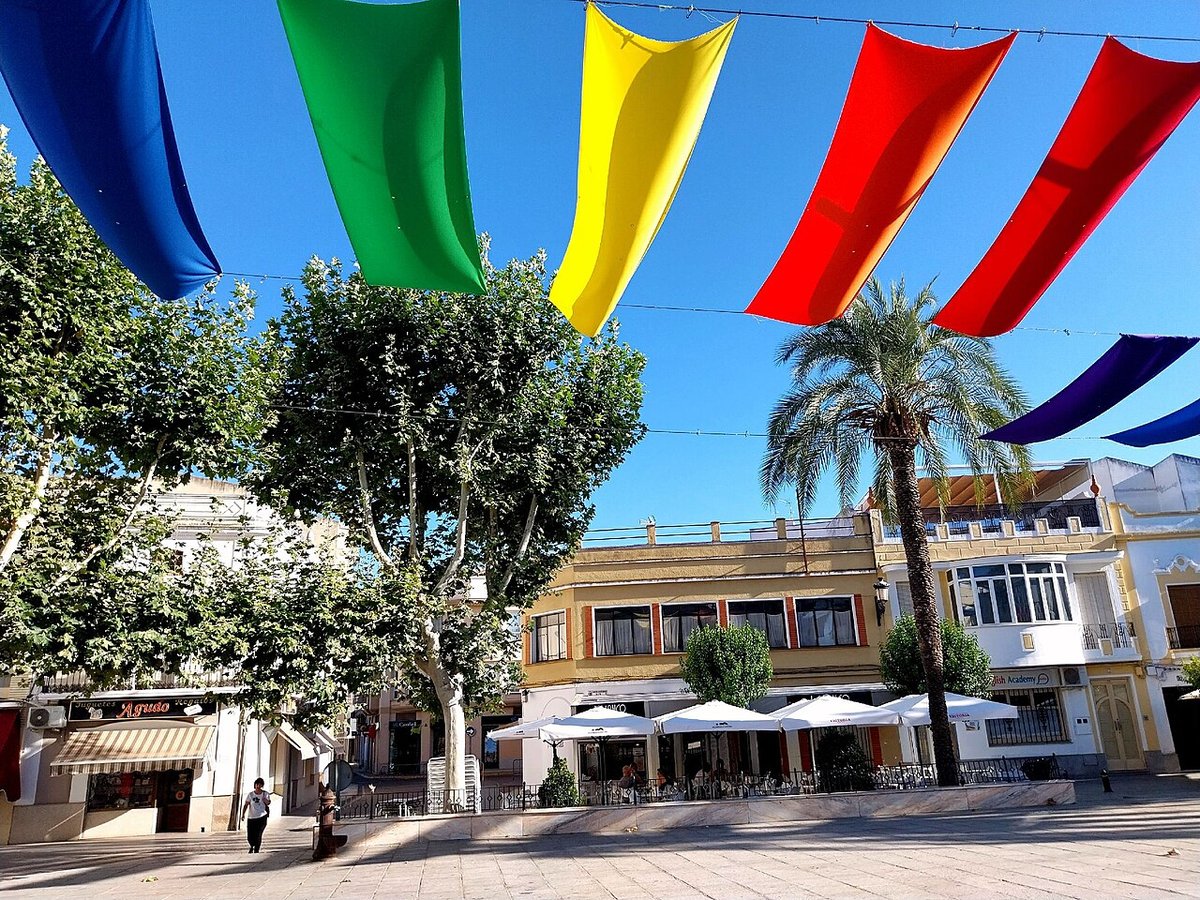
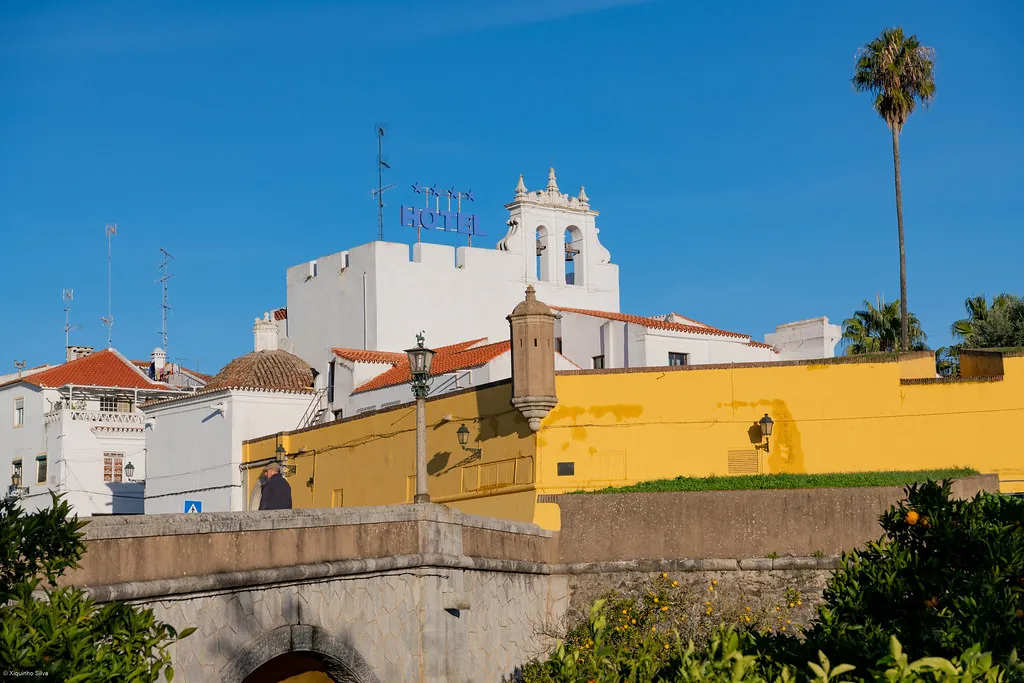
No vengas buscando una postal perfecta. Aquí las fachadas están lavadas por el sol, no para los turistas. Se nota que la gente vive aquí, no que lo decoran para ti. El atractivo está en eso, en ver cómo funciona un sitio donde el mayor evento del día puede ser la llegada del pan.
Un pueblo con la iglesia de fondo
Si algo domina la vista, es la torre de la iglesia de San Pedro Apóstol. No es una catedral, ni lo pretende. Es más bien como un faro terrestre; siempre está ahí cuando levantas la vista, marcando el centro de todo. Las calles se organizan a su alrededor con una lógica simple: casas bajas, blancas muchas de ellas, con rejas en las ventanas y puertas que han visto pasar décadas.
Caminar sin rumbo tiene su recompensa. A veces, una puerta entreabierta te regala un vistazo a un patio lleno de tiestos, con una parra dando sombra y ese frescor que se agradece cuando el termómetro sube. La arquitectura no te va a sorprender, pero tampoco es ese su trabajo.
El campo empieza donde acaba el asfalto
En cinco minutos a pie pasas de estar en la plaza a estar entre encinas y rastrojos. Los caminos son tierra compactada por tractores y algún coche. No hay carteles explicativos ni rutas señalizadas con colores. Es el tipo de paisaje que invita a seguir recto hasta que te apetezca dar la vuelta.
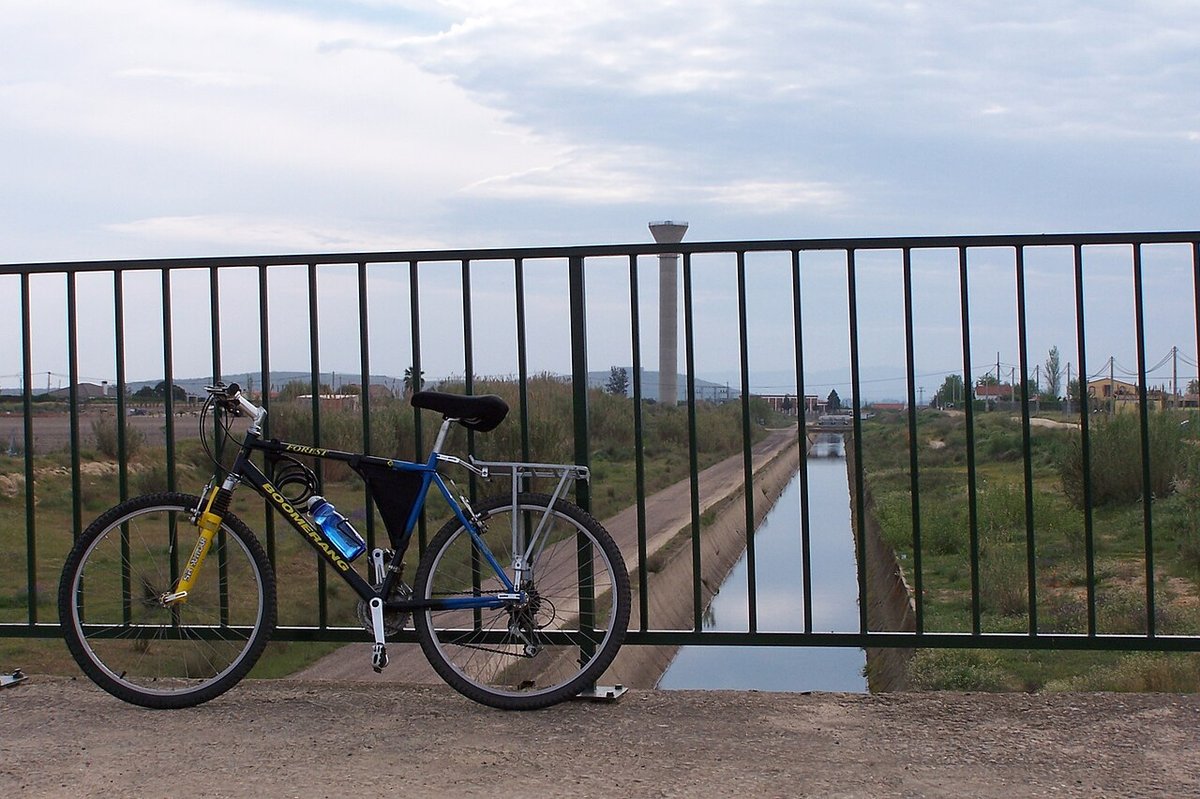
Las cigüeñas son vecinas más aquí; las ves en los tejados o picoteando en los campos cercanos. Si tienes suerte y un día despejado, algún milano cruzará el cielo. El río Guadiana pasa cerca y es como un respiro verde en medio del secarral; los lugareños bajan allí a pasear o a sentarse un rato.
Comer como se ha comido siempre
La comida aquí no tiene truco. Es la de siempre: productos del cerdo ibérico, embutidos curados y platos contundentes para aguantar jornadas largas. Cuando refresca, aparecen las migas en las mesas, normalmente acompañadas de lo que haya a mano: chorizo, panceta, pimientos…
Los quesos y vinos son los de la región, sin florituras. Saben a lo que tienen que saber. Y si necesitas un contraste brutal, Mérida está a un salto en coche. En quince minutos cambias el silencio por un anfiteatro romano. La diferencia no puede ser mayor.
Fiestas para quien está dentro
Las celebraciones son locales, de las de verdad. A finales de junio sacan al patrón en procesión y se arma algo parecido a una verbena. En agosto vuelven los que se fueron y las calles ganan vida por las noches. No esperes grandes espectáculos; son más bien reuniones largas con música de fondo.
Y cuando llega el frío, aún se celebra la matanza en muchas casas. Ya no es una cuestión de supervivencia, sino más bien una tradición familiar, una excusa para juntarse y hacer las cosas como se han hecho siempre.
Cómo llegar y cuándo hacerlo
Llegar es sencillo: desde Mérida tomas la carretera comarcal y enseguida estás allí. Desde Badajoz también se tira poco. La mejor época para andar por los alrededores es primavera u otoño. El verano extremeño pega duro al mediodía, así que toca madrugar o salir cuando ya baja el sol.
San Pedro no te va a dejar boquiabierto. Funciona mejor como pausa, como ese sitio donde paras dos horas, caminas sin prisa y ves cómo transcurre un día cualquiera en esta esquina de Extremadura. Su valor está precisamente en eso, en no pretender ser nada más