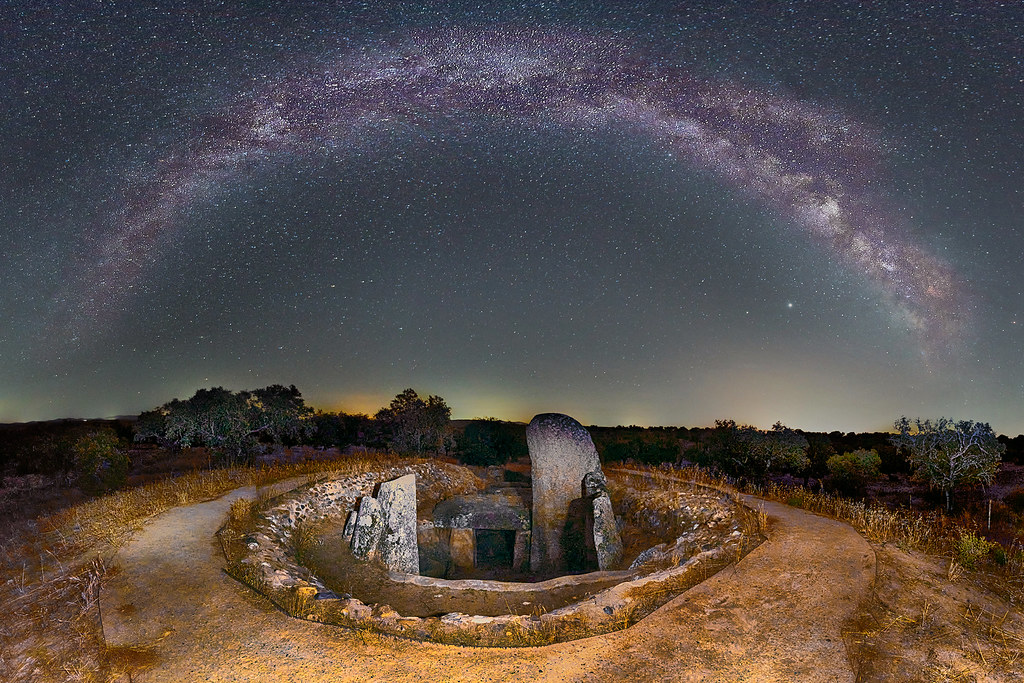
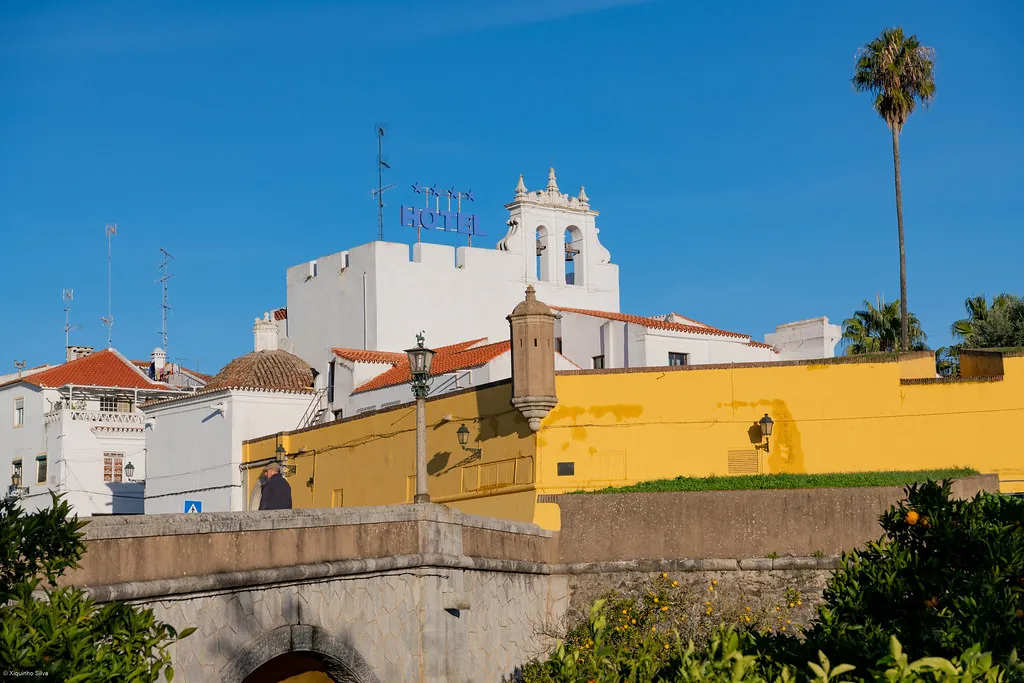
Vista aérea de Torremayor
Instituto Geográfico Nacional · CC-BY 4.0 scne.es
Extremadura · Meadows & Conquerors

Torremayor

The church bell strikes eleven and the main street empties. Not from fear or ceremony, but because that's what happens in Torremayor when the day r...

992 inhabitants · INE 2025
192m Altitude

Why Visit

Church of Santiago Apóstol Walks along the vega

Best Time to Visit

summer

Santiago Festival (July) julio

Things to See & Do
in Torremayor

Heritage

  • Church of Santiago Apóstol
  • House of the Count

Activities

  • Walks along the vega
  • Fishing
  • Patron saint festivals

Festivals
& & Traditions

Fecha julio

Fiestas de Santiago (julio)

Las fiestas locales son el momento perfecto para vivir la autenticidad de Torremayor.

Full Article
about Torremayor

Located in the Vegas Bajas near the Guadiana; a quiet village with farming roots.

Ocultar artículo Leer artículo completo

The church bell strikes eleven and the main street empties. Not from fear or ceremony, but because that's what happens in Torremayor when the day reaches its midpoint. Farmers return to their fields, grandmothers retreat indoors, and the only movement comes from swifts diving between terracotta roofs. At 192 metres above sea level, this Extremaduran village doesn't climb mountains—it stretches across them, spreading its white-washed houses across a gentle ridge that overlooks the Guadiana valley's agricultural quilt.

The Architecture of Everyday Life

There's no ticket office, no audioguide, no gift shop. Torremayor's attractions refuse to announce themselves. The parish church squats at the village centre like it has for four centuries, its walls incorporating Roman stones, Moorish bricks, and 19th-century plasterwork in accidental layers. Inside, the air carries incense and furniture polish, the scent of continuous use rather than curated preservation. Local women still arrive at 6 pm to change the altar flowers, chatting in the doorway about whose grandson is studying in Mérida, whose olives are ready for harvesting.

The surrounding streets reveal Extremadura's domestic architecture in its purest form. Houses wear their lime wash like fresh paint, though look closer and you'll see the patches where winter rains have created abstract patterns down the walls. Wrought-iron grilles guard windows filled with geraniums, while interior courtyards—visible through open doorways—contain fig trees and the obligatory rusty bicycle. These aren't restored show homes. Laundry hangs across balconies, television sounds drift through open windows, and somewhere a radio plays flamenco mixed with static.

Walk five minutes in any direction and the village dissolves into countryside. Agricultural tracks disappear between dehesas of cork and holm oaks, where black Iberian pigs root for acorns. This is working landscape, not wilderness. Farmers in battered Land Cruisers wave as they pass, recognising the difference between locals and visitors by footwear alone. The walking isn't challenging—this is gentle, rolling country—but the rewards come in details: a ruined stone hut perfect for midday shade, a stream where cattle drink, the sudden appearance of a booted eagle circling overhead.

The Calendar Dictates the Kitchen

Food here follows agricultural rhythms with military precision. Visit during November's matanza and you'll encounter families transforming pigs into next year's sustenance. The process isn't pretty, but it's honest, and the resulting jamón, chorizo and morcilla appear in every kitchen. Local bars serve migas—fried breadcrumbs with garlic and pork—accompanied by rough red wine that costs €1.50 a glass. The gazpacho arrives thick and orange, nothing like its Andalusian cousin, topped with hard-boiled egg and chunks of ham.

Summer brings tomatoes that actually taste of sunshine, served simply with local olive oil and salt. Winter means hearty stews of wild boar, hunted in the surrounding hills and simmered with bay leaves from village gardens. There's no Michelin star dining, but ask at the Bar Central what's cooking and you'll eat whatever the family prepared for themselves that morning. Possibly migas. Possibly a rabbit stew. Possibly nothing if the cook's daughter is in hospital having her first baby.

When the Village Remembers It's Spanish

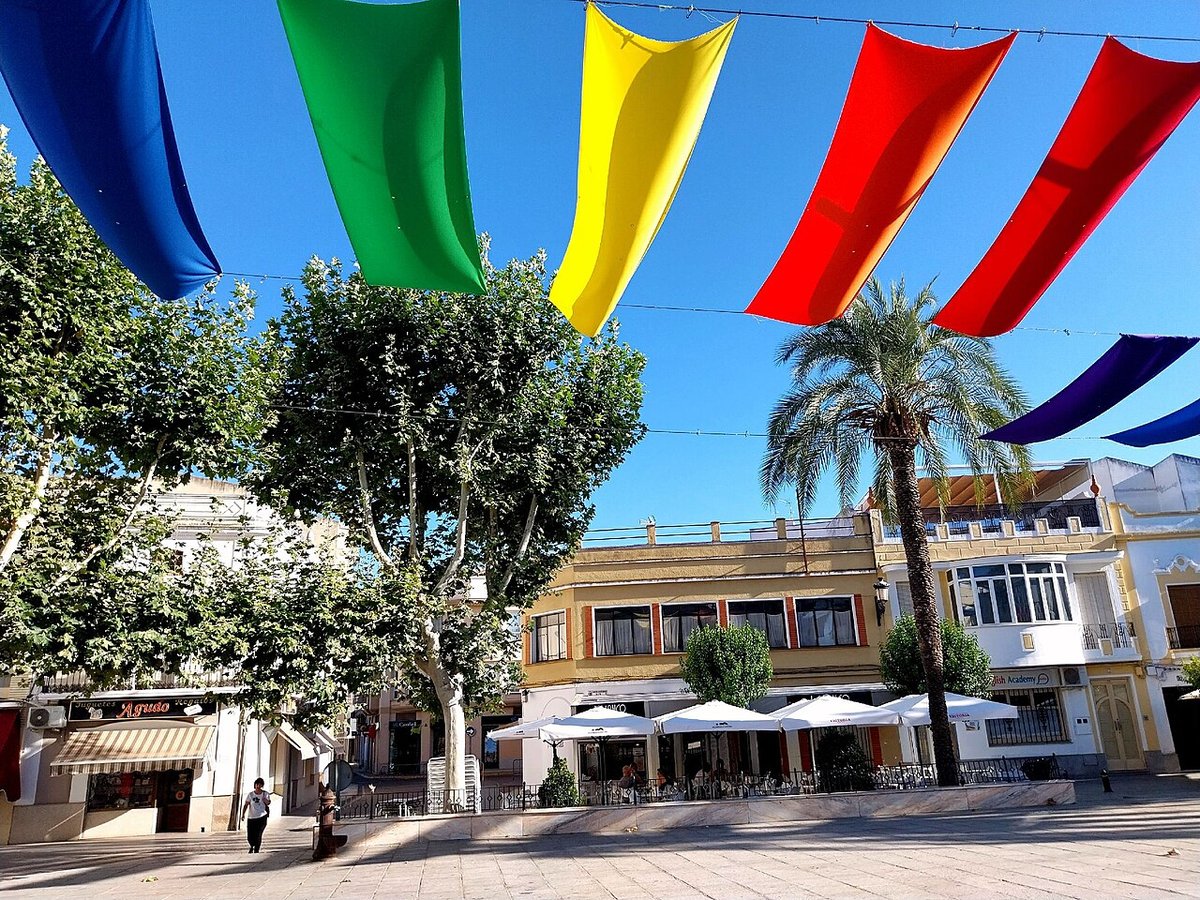
August transforms Torremayor completely. The population triples as former residents return from Madrid, Barcelona, even London. Suddenly every balcony sprouts flags, fairy lights appear strung across streets, and the plaza fills with generations dancing until dawn. The fiesta patronale isn't organised for tourists—it's organised despite them. Processions weave through streets too narrow for the purpose, brass bands play with more enthusiasm than accuracy, and grandmothers who haven't left their houses since Easter emerge to criticise the younger generation's dancing.

Semana Santa provides quieter drama. The village's three processions involve perhaps fifty people total, carrying statues that date from periods when Torremayor had more money than sense. What they lack in grandeur they compensate for in intimacy. You'll stand three feet from hooded penitents, smell the beeswax candles, hear the shuffle of feet on cobblestones. When the procession pauses outside houses, elderly women emerge in black, crossing themselves with practised efficiency.

September's harvest festival celebrates something Britain forgot: the connection between community and agriculture. Locals bring produce for judging—enormous pumpkins, perfect peppers, honey that tastes of specific wildflowers. The agricultural cooperative displays tractors that cost more than most houses, while children compete to create animals from cereal boxes. It's agricultural show meets village fete, with added Spanish bureaucracy and considerably more wine.

Practicalities for the Unprepared

Getting here requires acceptance that you're leaving England's transport expectations behind. The nearest airport is Badajoz, served twice weekly from Madrid. More realistic is flying to Seville or Lisbon, hiring a car, and driving two hours through landscapes that make Norfolk appear mountainous. Trains reach Mérida, 45 minutes away, but then you're relying on Spanish rural bus services that operate on principles unfathomable to Northern European minds. Tuesday and Friday. Usually. Unless it's fiesta. Or hunting season. Or the driver's mother is ill.

Accommodation means staying in Badajoz or Mérida and visiting for the day. Torremayor contains no hotels, no guesthouses, no Airbnb. This isn't deliberate exclusivity—there simply isn't demand. The village contains one bar, one shop, and a pharmacy that opens three mornings weekly. Plan accordingly.

Weather dictates everything. Summer temperatures reach 45°C, making midday exploration actively dangerous. Winter brings Atlantic rains that transform agricultural tracks into mud that would shame Glastonbury. Spring and autumn provide the sweet spot: warm days, cool nights, and countryside that shifts from brown to green to gold. April's wildflowers carpet the dehesas, while October's harvest creates golden evenings that photographers dream about.

The Honest Truth

Torremayor won't change your life. You won't discover yourself, find God, or post photographs that make Instagram explode. What you'll find is a place where modern Spain continues traditional rhythms, where community means something beyond neighbourhood WhatsApp groups, where lunch remains the day's central event. Some visitors find this boring. Others find it revolutionary.

The village asks only one thing: arrive without preconceptions about what constitutes attraction. The church isn't spectacular, the food isn't innovative, the landscape isn't dramatic. But spend an evening watching old men play cards in the plaza, their wives knitting while exchanging village gossip, and you might understand why some people choose to measure life in seasons rather than salary increments. Torremayor offers no epiphanies. It offers something increasingly precious: a place where nobody's trying to sell you anything, including happiness.

Key Facts

Region
Extremadura
District
Tierra de Mérida - Vegas Bajas
INE Code
06132
Coast
No
Mountain
No
Season
summer

Livability & Services

Key data for living or remote work

2024
ConnectivityFiber + 5G
TransportTrain nearby
HealthcareHealth center
EducationElementary school
Housing~5€/m² rent · Affordable
CoastBeach nearby
Sources: INE, CNMC, Ministry of Health, AEMET

Planning Your Visit?

Discover more villages in the Tierra de Mérida - Vegas Bajas.

View full region →

More villages in Tierra de Mérida - Vegas Bajas

Traveler Reviews