Colonu.JPG
Extremadura · Meadows & Conquerors

Valdelacalzada

The combine harvester blocks the main street. Not because anyone's protesting – it's simply moving between fields, and the road's the most direct r...

2,743 inhabitants · INE 2025
186m Altitude

Why Visit

Church of the Sagrada Familia Blossom Route (spring)

Best Time to Visit

spring

Valdelacalzada in Bloom (March) marzo

Things to See & Do
in Valdelacalzada

Heritage

  • Church of the Sagrada Familia
  • fruit-tree fields

Activities

  • Blossom Route (spring)
  • hiking among fruit trees
  • photography

Festivals
& & Traditions

Fecha marzo

Valdelacalzada en Flor (marzo), Feria de Octubre (octubre)

Las fiestas locales son el momento perfecto para vivir la autenticidad de Valdelacalzada.

Full Article
about Valdelacalzada

Settlement known for its fruit-tree blossom; spectacular spring landscape

Ocultar artículo Leer artículo completo

The combine harvester blocks the main street. Not because anyone's protesting – it's simply moving between fields, and the road's the most direct route. This is Valdelacalzada, where farming machinery has right of way and the day's rhythm follows the agricultural calendar rather than any tourist schedule.

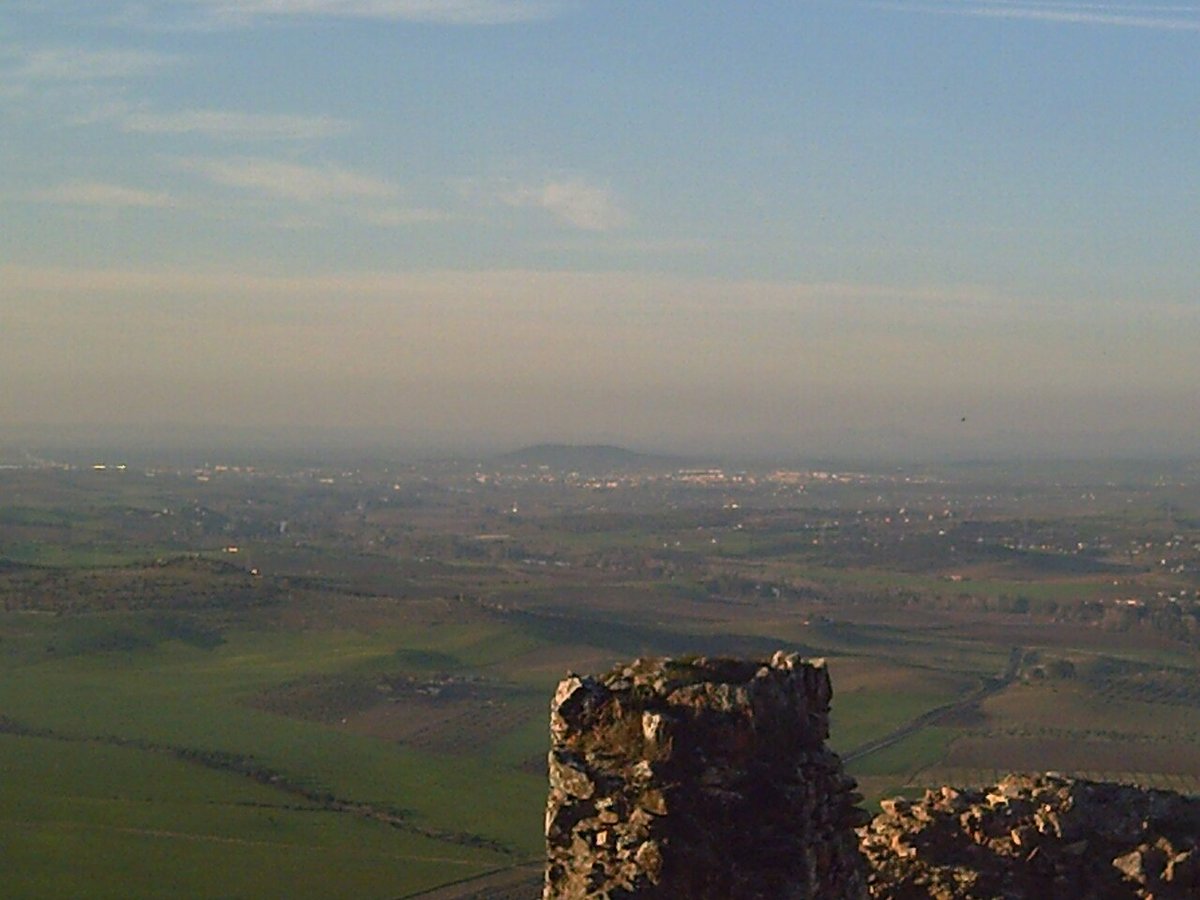
This small Extremaduran village, home to fewer than 5,000 souls, sits in the Vegas Bajas del Guadiana – the fertile lowlands where Spain grows much of its produce. The landscape shifts from emerald green to golden brown within weeks, depending on whether tomatoes, peppers or cereals occupy the surrounding fields. It's agricultural theatre on an epic scale, visible from any point in town.

The Church Bell and the Tractor Engine

San Juan Bautista church rises above the low whitewashed houses, its modest tower providing the only vertical punctuation in an otherwise horizontal landscape. Inside, the atmosphere speaks more of lived-in parish than art gallery. Devotional candles flicker beneath statues that have watched over generations of farmers, their wax pooling evidence of continued devotion rather than museum-piece preservation.

The streets fan out from the church plaza in a grid that makes navigation blessedly simple. Houses stand single-storey, their walls painted in whites and ochres that reflect rather than absorb the fierce summer heat. Wrought-iron grilles cover windows, not for security but for tradition – their curling patterns casting shadows that shift throughout the day, providing natural timekeeping for residents who still organise life by sunlight rather than smartphone notifications.

Walking these streets reveals details missed at driving speed: the way front doors stand open during cooler hours, allowing glimpses into tiled entryways where families gather around lunch tables. The municipal swimming pool sits empty nine months of the year, its water a luxury reserved for August's infernal temperatures. Even the village bar, El Mirador, keeps irregular hours during planting and harvest seasons – the proprietor's priorities lie with his fields, not foreign visitors.

What Grows Around, Goes Around

The real Valdelacalzada exists beyond the last houses, where irrigation channels slice through alluvial soil. These waterways, fed by the Guadiana River, transform potentially arid land into one of Spain's most productive agricultural zones. Visiting during growing season means sharing roads with tractors hauling produce to processing plants, their trailers dripping irrigation water that evaporates almost instantly on hot asphalt.

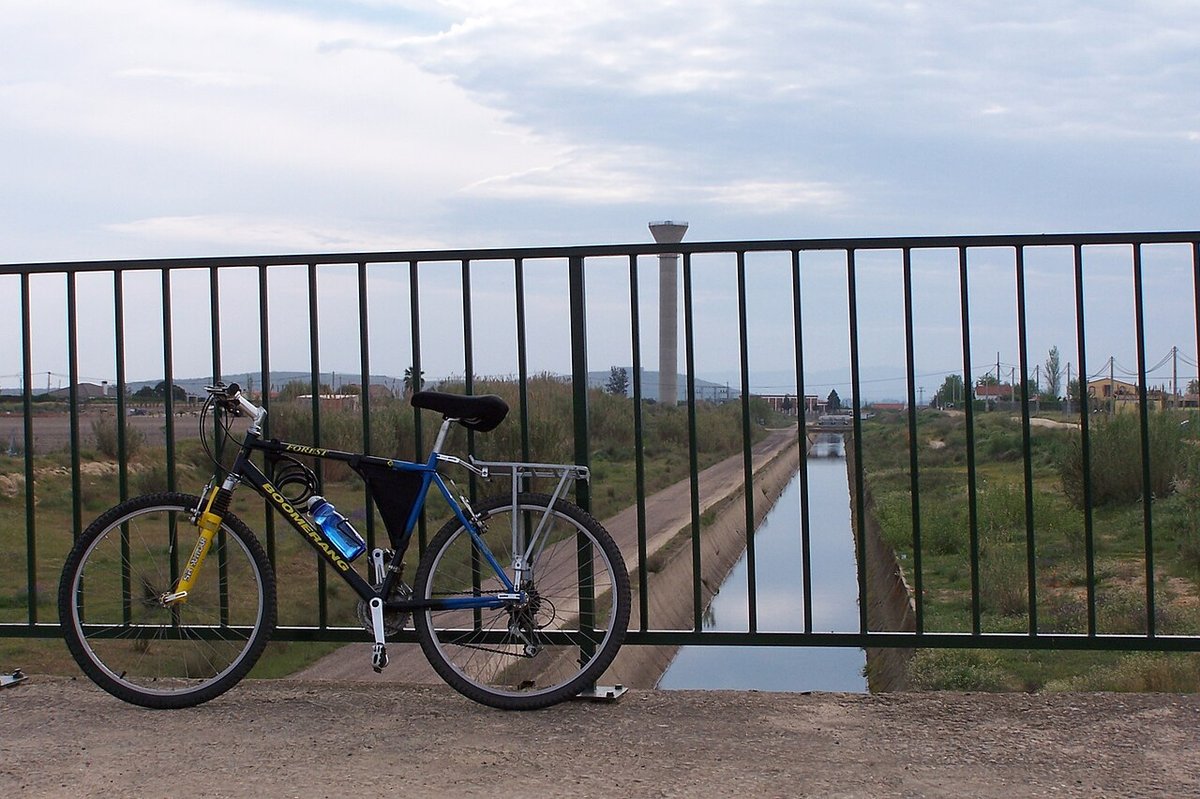
Cycling the flat farm tracks provides access to this working landscape. The EX-209 road towards Guadiana City offers 15 kilometres of almost level riding through tomato plantations and olive groves, with virtually no traffic beyond the occasional agricultural vehicle. Morning rides reward with cooler temperatures and the sight of sprinkler systems creating temporary rainbows across fields. Late afternoon brings golden light that photographers prize, though summer visitors should note that this means temperatures still hovering around 35°C at 7 pm.

The village's agricultural identity manifests most clearly at mealtimes. Local restaurants – essentially extensions of family kitchens – serve what's available rather than what's expected. Gazpacho appears when tomatoes flood the market, its price dropping to reflect seasonal abundance. Migas, the peasant dish of fried breadcrumbs, transforms yesterday's stale bread into today's substantial meal. Pork features heavily, utilising animals raised in local conditions that would make British animal welfare campaigners wince. The concept of vegetarian options remains largely theoretical; asking for them prompts confusion rather than accommodation.

When the Village Celebrates

June's San Juan Bautista fiestas transform agricultural machinery into parade floats. Tractors receive ceremonial washes, their drivers attaching plastic flowers to radiators that normally overheat during harvest. The religious procession weaves through streets barely wide enough for modern farm equipment, creating surreal tableaux where devotion meets diesel engines.

August ferias bring returned emigrants – those who left for Madrid or Barcelona when agriculture mechanised – back to family homes. Their German-registered cars and bilingual children create temporary cosmopolitanism in what's essentially a large village. Temporary fairground rides occupy the football pitch, their generators competing with village bands playing until dawn. Accommodation becomes impossible to find without family connections; Hostal Velasco's dozen rooms book months ahead.

Semana Santa provides more authentic experience. The small scale means participants remain recognisable neighbours rather than anonymous penitents. Children who played in the procession route that morning carry candles that evening, learning community identity through ritual repetition. British visitors expecting Seville-style spectacle will be disappointed; those interested in how religious tradition anchors agricultural communities will find textbook examples.

Practical Realities for British Travellers

Access requires commitment. The nearest airport at Badajoz receives exactly two daily flights from Madrid – hardly convenient for UK connections. Most visitors fly to Lisbon or Seville, facing 90-minute drives across landscapes that make Norfolk feel mountainous. Car hire is essential; public transport involves buses that run when agricultural schedules permit, not tourist timetables.

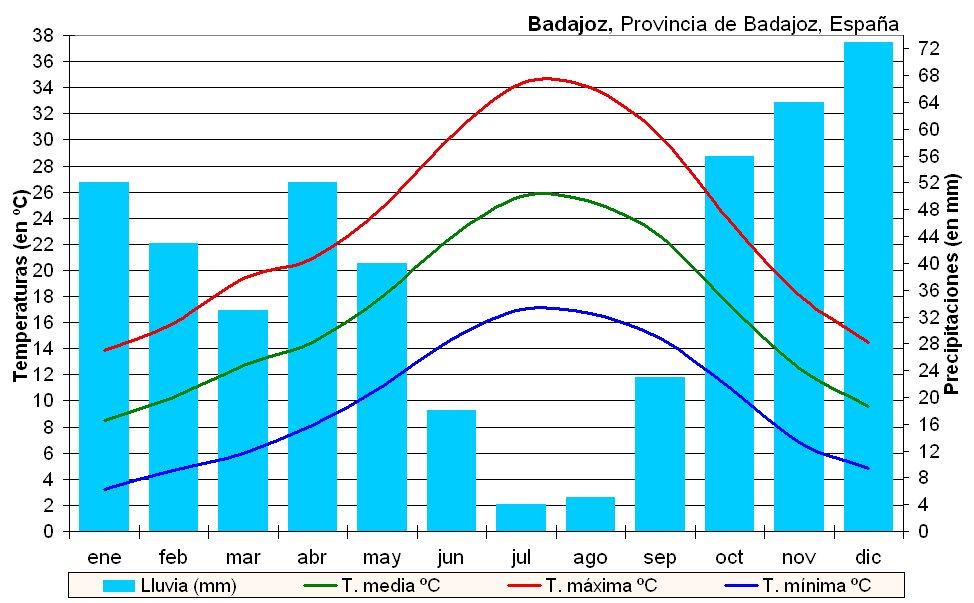
Winter visits reveal why southern Spain empties northwards. January temperatures might reach 15°C, but the Atlantic weather systems that bring rain transform agricultural tracks into mud that would shame Somerset levels. Summer presents the opposite extreme – 45°C isn't uncommon, making midday exploration physically dangerous. Spring and autumn provide the only sensible windows, though even May can see temperatures hitting 30°C.

Accommodation options remain limited beyond the functional Hostal Velasco. The village lacks the converted manor houses or boutique hotels that pepper more marketed destinations. What exists serves travelling salespeople and agricultural contractors rather than tourists seeking "authentic Spain". Rooms are clean, air-conditioned and cheap – expect to pay €45-60 nightly – but luxury extends no further than adequate WiFi and parking.

The Honest Assessment

Valdelacalzada offers no Instagram moments or bucket-list experiences. It provides instead the increasingly rare opportunity to witness agricultural Spain continuing centuries-old patterns adapted for modern markets. The village makes no concessions to tourism beyond basic services; visitors arrive as observers rather than consumers.

This honesty proves both attraction and limitation. Those seeking monuments or museums should continue to Mérida, twenty minutes distant, where Roman ruins satisfy cultural cravings. But travellers interested in understanding how Europe's food reaches plates will find Valdelacalzada's fields, factories and family restaurants more illuminating than any interpretive centre.

Come with realistic expectations and appropriate timing. Bring Spanish language – English speakers remain thin on the ground. Accept that your visit interests locals less than their daily concerns. Understand that this is working country, not leisure landscape, and you'll witness Spain that tourism hasn't transformed into performance.

The combine harvester will still block the street. But you'll know why, and perhaps appreciate that some things matter more than traffic flow.

Key Facts

Region
Extremadura
District
Tierra de Mérida - Vegas Bajas
INE Code
06901
Coast
No
Mountain
No
Season
spring

Livability & Services

Key data for living or remote work

2024
ConnectivityFiber + 5G
TransportTrain nearby
HealthcareHealth center
EducationHigh school & elementary
Housing~6€/m² rent · Affordable
CoastBeach nearby
Sources: INE, CNMC, Ministry of Health, AEMET

Planning Your Visit?

Discover more villages in the Tierra de Mérida - Vegas Bajas.

View full region →

More villages in Tierra de Mérida - Vegas Bajas

Traveler Reviews