Full Article
about Villagonzalo
On the banks of the Guadiana; known for its church and proximity to Mérida.
Hide article Read full article
Villagonzalo, or the art of doing nothing in particular
You know those afternoons where the biggest plan is to sit on a chair and watch the light change? Villagonzalo is that, but as a village. It’s not that nothing happens here—it’s just that what happens is the stuff of everyday life, not a tourist itinerary. This place, in the flatlands of Tierra de Mérida, doesn't try to be anything it's not. It’s a working village, and that’s its whole personality.
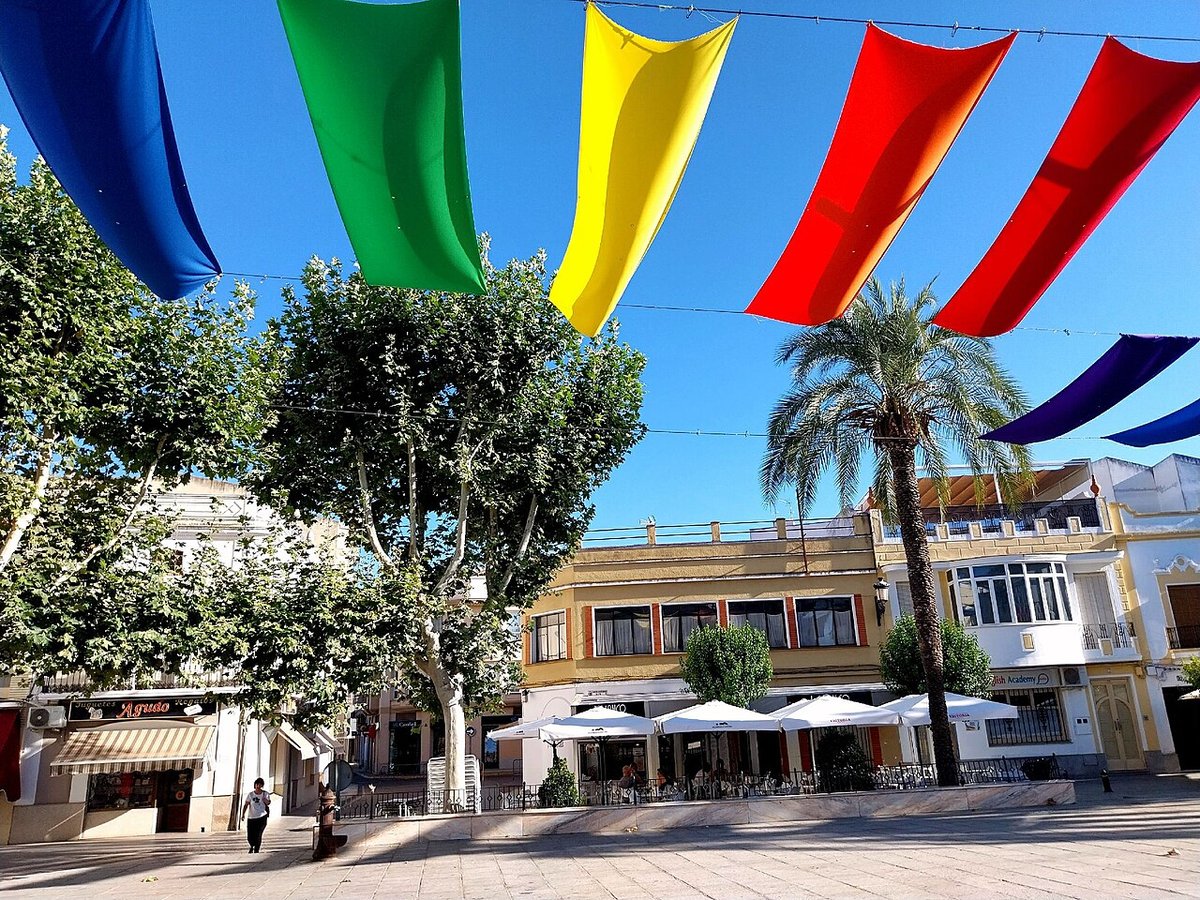
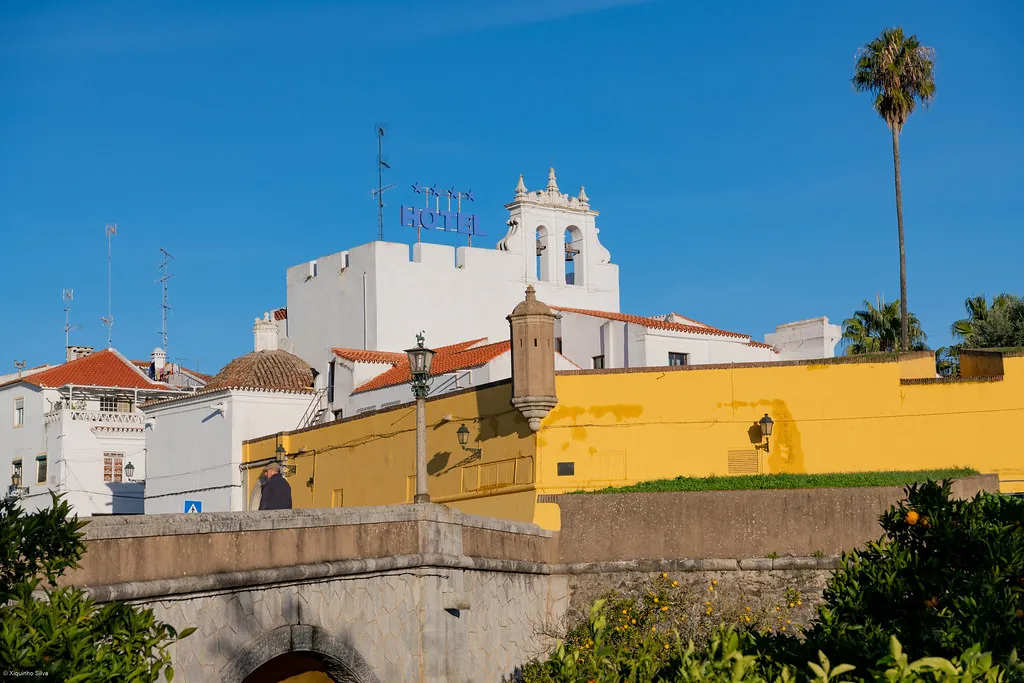
Just over twelve hundred people live here. You can walk from one end to the other in about ten minutes, long enough to notice two things: the overwhelming quiet, and the sheer amount of sky. The streets are a grid of low, whitewashed houses with those classic curved tiles. It feels orderly, like a neighbourhood designed by someone who valued shade and simplicity.
The only building that breaks the horizontal line is the parish church of San Bartolomé. It’s from the 16th century, they say, though it’s been patched up over time. It won’t take your breath away. It’s more like the village anchor: solid, unpretentious, and exactly where you’d expect everyone to meet.
Life is outside
The real monument here is the landscape. Villagonzalo sits in the middle of an immense plain of cereals and dehesa. In summer it looks like a toasted carpet; in winter it’s all sharp greens. The horizon is so flat and far away it feels like you could see Portugal if you squinted.
This isn't hiking country with waymarked trails. It's walking country. You just pick a dirt track between two fields and go. The old livestock paths, called vías pecuarias, are still there, used more by tractors than by sheep these days. They're your best bet for a ramble.
Bring binoculars if you have them. The birdlife is casual but spectacular. Storks nest on every available pole or rooftop—they're basically locals with wings. In spring, you'll hear hoopoes doing their thing, and if you're lucky, spot a flash of turquoise from a bee-eater on a wire. It's not a safari; it's just what happens when you stop and look.
A calendar built around food and saints
The rhythm here is set by two things: the church calendar and the pantry.
The big summer party is for San Bartolomé, the patron saint. Think plastic chairs in the plaza, music from a local band, and everyone out until late because it's too hot to sleep anyway. It's for them, not for you, but you're welcome to pull up a chair.
Then there's autumn, which smells like paprika and oak smoke. The matanza, the traditional pig slaughter, still happens in many homes. It's a family affair—a few days of hard work turning into chorizos, morcillas, and lomo. It's not a show; it's logistics followed by a very good lunch.
The food here doesn't need fancy descriptions. It's Iberian pork from pigs that ate acorns nearby, strong goat cheeses that taste of the terrain, and honest wines from the Ribera del Guadiana area. You eat what the land produces.
How to visit (and why you might want to)
Let's be clear: Villagonzalo isn't a destination. It's a detour.
It works best as a slow pause on your way to or from Mérida (it's about 35 minutes southeast by car). Don't come looking for museums or guided tours. Come looking for an hour of absolute silence broken only by bird calls, or for the specific pleasure of seeing endless fields turn gold at sunset.
My advice? Time your drive for late afternoon. Park near the church, walk out on any track heading west until the village looks small behind you. Then just stand there for a bit. That vast Extremaduran sky does something to your sense of scale—makes your worries feel smaller somehow.
Then get back in your car and go have dinner in Mérida like nothing happened. That’s Villagonzalo’s magic trick: it gives you a moment of pure nada, then lets you go on with your day feeling slightly lighter