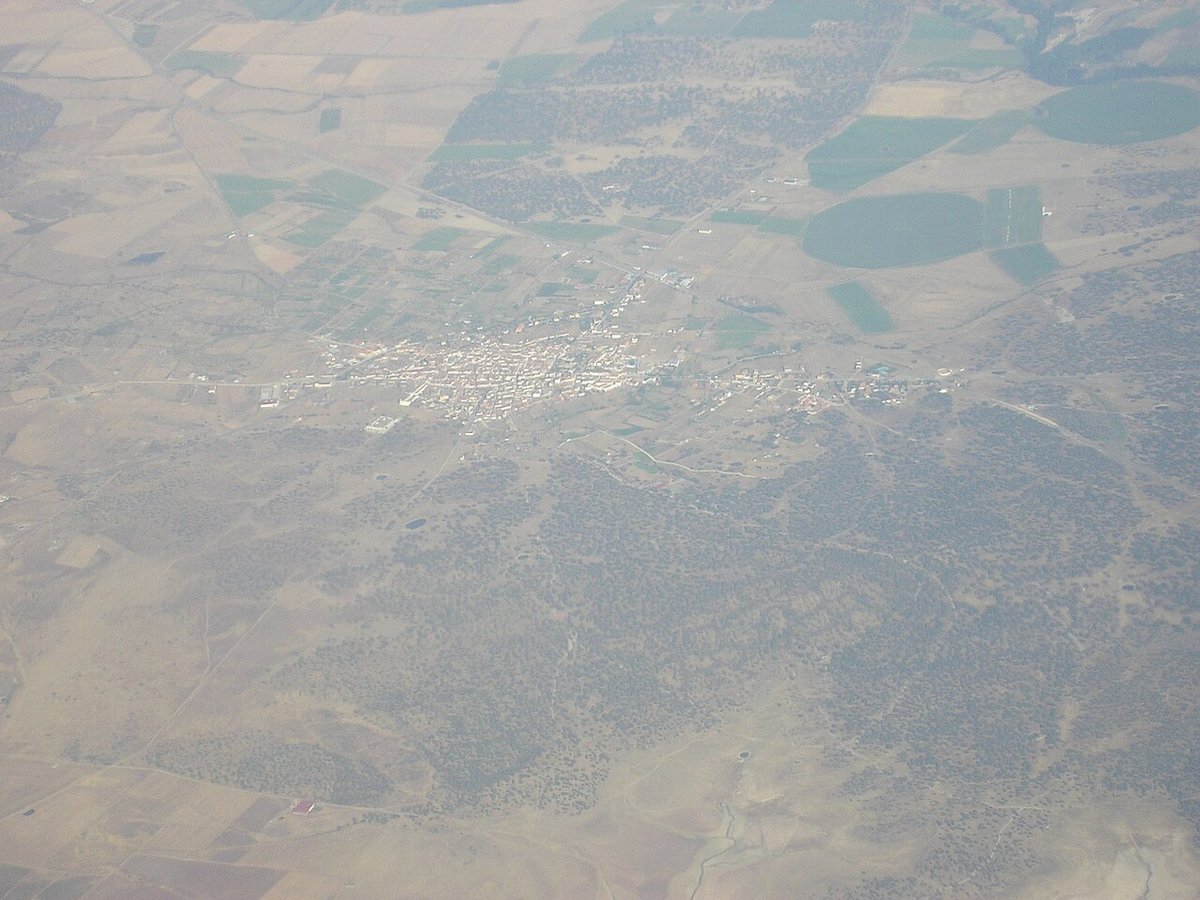
Vista aérea de Aceituna
Instituto Geográfico Nacional · CC-BY 4.0 scne.es
Extremadura · Meadows & Conquerors

Aceituna

The church bell strikes noon and nobody hurries. Not the two men sharing a bench outside the only bar, not the woman watering geraniums behind a wr...

569 inhabitants · INE 2025
472m Altitude

Why Visit

Church of Santa Marina Hiking through the dehesa

Best Time to Visit

summer

San Sebastián Festival (January) julio

Things to See & Do
in Aceituna

Heritage

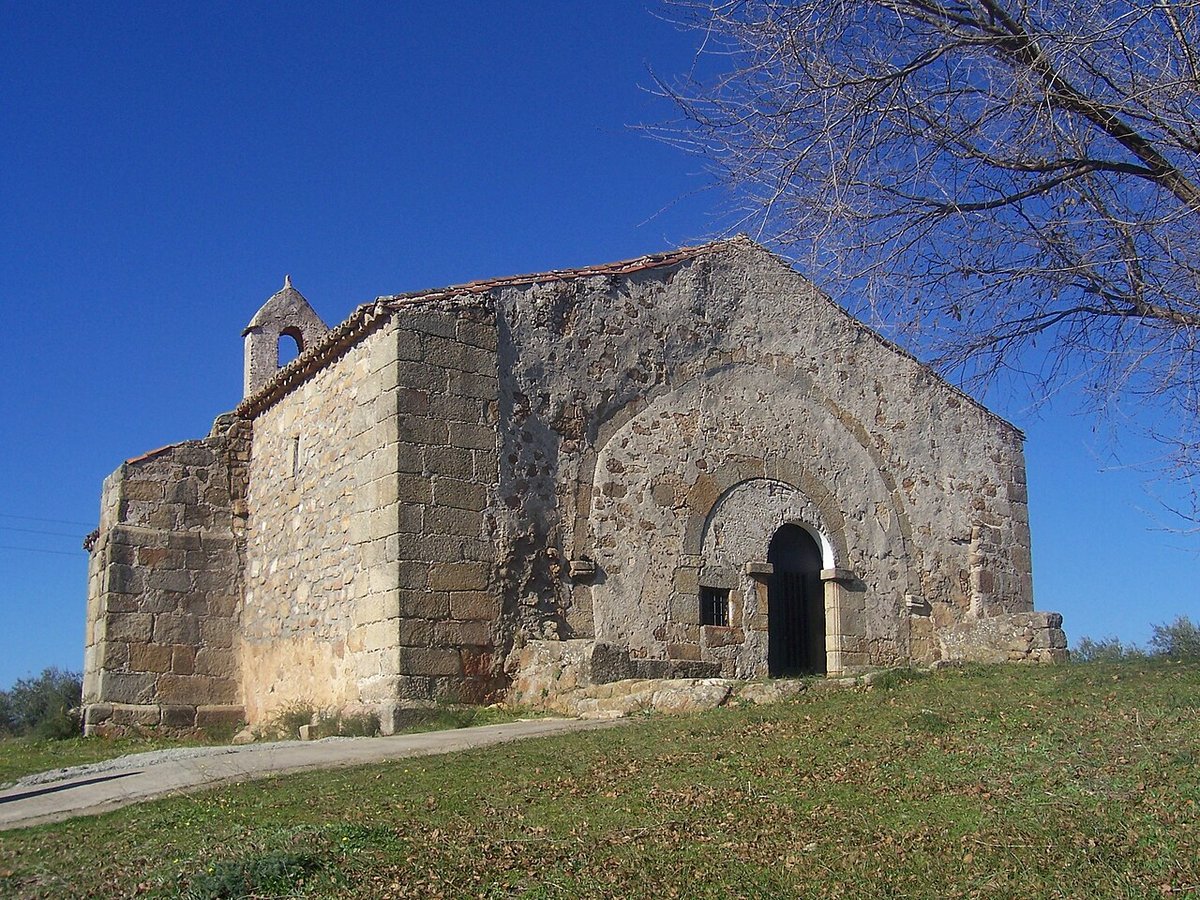
  • Church of Santa Marina
  • Statue of the Drummer

Activities

  • Hiking through the dehesa
  • fishing in nearby reservoirs

Festivals
& & Traditions

Fecha julio

Fiestas de San Sebastián (enero), Fiestas de Santa Marina (julio)

Las fiestas locales son el momento perfecto para vivir la autenticidad de Aceituna.

Full Article
about Aceituna

Quiet farming and livestock village known for its tamborilero statue and traditional fiestas.

Ocultar artículo Leer artículo completo

The church bell strikes noon and nobody hurries. Not the two men sharing a bench outside the only bar, not the woman watering geraniums behind a wrought-iron gate, and certainly not the black Iberian pigs dozing under cork oaks beyond the last houses. Aceituna keeps Extremadura's strict timetable: rise early, rest at midday, finish when the shadows lengthen. Try to rush it and the village simply waits you out.

At 472 metres above sea level, Aceituna sits where the Sierra de Tresjara softens into rolling dehesa, that uniquely Spanish mosaic of grass, holm oak and cork oak that looks wild but has been husbanded for centuries. The altitude lifts the village above the worst summer heat of the Guadiana basin, though July and August afternoons still hit 38°C and send sensible people indoors until five. In winter the thermometer can dip below freezing; frost silver-plates the church roof while smoke drifts from chimneys built long before anyone heard of insulation standards.

The name means "olive" yet vineyards and pig fattening pastures now outweigh the groves. Walk the short main street and you'll still find olives, but in bottles on windowsills rather than on trees. locals buy their oil from cooperatives in neighbouring Montehermoso, preferring to devote their own land to acorns for the prized jamón ibérico. The shift happened gradually; ask in the shop and they'll tell you olives simply don't pay the rates that ham commands in Madrid delicatessens.

Stone, Whitewash and the Smell of Oak Smoke

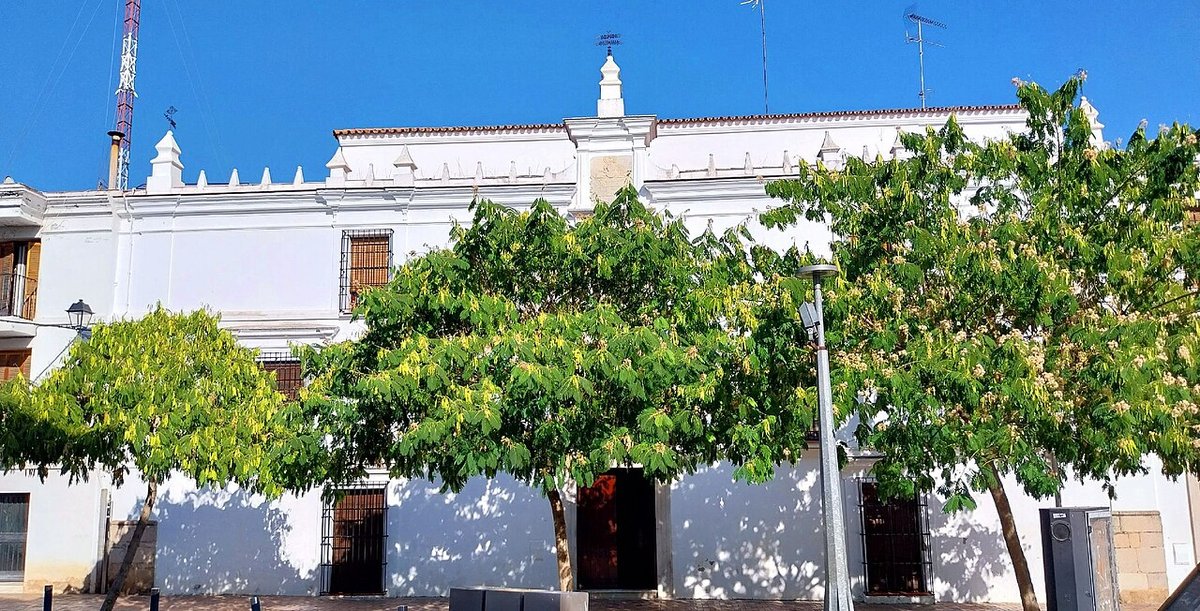
Aceituna's houses grew piecemeal, and it shows. Granite footings give way to adobe, then brick, then concrete block, each generation adding what it could afford. Whitewash unifies the jumble, applied thick enough to round off corners and blur join lines. The effect is softer than the postcard-perfect villages of Andalucía – here the walls breathe, stain, crack, are patched again. Look up and you'll see satellite dishes bolted beside 19th-century timber balconies, the village negotiating with the 21st century on its own terms.

The Iglesia Parroquial de San Juan Bautista dominates the small plaza without trying. Built between the 16th and 18th centuries, it wears its additions openly: a Gothic base, Baroque tower, cement-render buttress added after some long-forgotten earthquake. The oak doors stand open at service times; slip inside and the temperature drops ten degrees. Gold leaf flickers on a side altar, but the real treasure is the silence – thick, honey-coloured, broken only by swallows nesting in the eaves.

Behind the church a lane narrows to shoulder width. Here the town's Moorish past surfaces in the layout: irregular plots, sharp turns designed to break the wind and provide shade. Many gateways hide patios where families eat in summer, pots of basil and mint scenting the air. Peer through an open door at dusk and you'll catch glimpses of these outdoor rooms: plastic tables, radio playing, someone lifting laundry from the line while dinner grills over vine prunings.

Walking Through Someone's Larder

Leave the last houses and you're immediately in the dehesa. This isn't wilderness; it's a farm that happens to look like a park. The holm oaks are spaced so grass grows between them, providing both shade for livestock and acorns for fattening. Pigs wander under licence, their bells clanking softly. Stick to the marked paths – the Camino Natural de la Dehesa loops five kilometres back to the village – and no one minds. Stray onto a private drove and a farmer will appear faster than you can explain your Ordnance Survey skills.

Spring brings colour that would make a Cotswold garden jealous: magenta cistus, yellow broom, purple orchids splashed across limestone outcrops. Temperatures hover around 20°C, perfect for the 45-minute stroll to the abandoned Cortijo del Cura, where swallowtail butterflies now occupy the wine cellar. Autumn is equally gentle, the oaks turning olive-bronze while mushrooms push through leaf litter. Both seasons attract birders hoping for hoopoes, short-toed eagles and the elusive black-shouldered kite.

Summer walking demands discipline. Start at seven, finish by eleven, carry two litres of water per person. Even then the heat shimmers off the white track, cicadas drill into your skull and shade is theoretical. Locals switch to night hikes during fiesta week, setting off at nine p.m. with head-torches, returning under starlight that hasn't been dimmed by street lighting since the last power cut.

Eating What the Land Will Spare

Aceituna never developed a restaurant scene; people cook. The single bar serves coffee, beer and basic tapas – tortilla, chorizo, cheese from the cooperative in Casar de Palomero. Order a cerveza and you'll get a free plate of chanfaina, rice flecked with pork liver that tastes better than it sounds. For anything fancier you drive to Plasencia thirty-five minutes away, which rather misses the point.

Self-caterers should shop early. The mini-market opens 9–1, closes for siesta, then reluctantly from 5–8. Bread arrives at ten; by eleven the crusty loaves are gone. On Fridays a van from the coast parks by the plaza selling hake and prawns kept on ice since six that morning – buy quickly, they sell out within the hour. Olive oil comes in unlabelled bottles that once held San Miguel beer; the shopkeeper fills them from a 50-litre drum, charges €6 for a litre that would cost £12 in Borough Market.

If you're invited to a matanza in January, say yes. Families still slaughter one pig each winter, turning every gram into hams, shoulders, sausages and blood pudding sweetened with onions. The work starts at dawn with a shot of orujo to steady nerves; by lunchtime cauldrons bubble outside garages, children run about with blood-spattered plastic boots and everyone tastes the first morcilla straight from the pan. Vegetarians have been known to make exceptions.

When the Village Lets its Hair Down

Fiestas here remain resolutely local. The August feria includes a foam party in the polideportivo that empties the reservoir and a procession where the Virgin is carried for precisely 400 metres because that's how far the bearers can manage before needing another beer. Fireworks echo off the granite ridge at midnight; dogs howl, babies cry, nobody complains because they were babies once.

Easter is quieter but stranger. On Maundy Thursday the town divides into two brotherhoods who spend the night singing ancient coplas in an antiphonal call-and-response that predates the Reformation. The songs tell the Passion story in sixteenth-century Spanish; even locals admit they understand one word in three, but the melody carries meaning enough. Visitors are welcome to stand at the back, provided they don't applaud – this isn't a performance, it's a duty.

November's matanza day doubles as a food festival. Stalls line the street offering tastings of salchichón, lomo and fatty chorizo that melts on contact with toast. Buy a kilo mixed selection (around €22) and they'll vac-pack it for the journey home, though customs at Bristol may look askance at a suitcase that smells like a delicatessen.

Getting There, Getting Sorted

Aceituna sits 36 km west of Plasencia on the EX-390. The road is good but winding; allow 40 minutes. From Madrid it's three hours on the A-5, then scenic backroads through valleys where black vultures circle overhead. Public transport exists in theory – one bus on Tuesday and Thursday – but car rental is essential unless you fancy a very long walk from the nearest railway at Plasencia.

Accommodation means self-catering. Three cottages in the village take guests, charging €70–90 per night for two people. Expect stone floors, wood-burning stoves, Wi-Fi that works when the wind blows the right direction and ceilings low enough for six-footers to develop a stoop. Bring slippers; Spanish houses are designed for heat retention, not insulation, and January mornings bite.

Sunday closure is absolute. Fill the tank on Saturday, stock up on milk and loo roll, plan a day of hiking or accept that lunch will be crisps and warm cola from the vending machine outside the town hall. Mobile signal drops inside the thicker walls; step into the street if you need to check email. The pharmacy keeps emergency hours posted on the door; for anything serious Plasencia hospital has A&E.

Stay a night or two, not a week. Aceituna works best as a pause between the cities – a place to remember what silence sounds like, to walk through someone's larder and taste pork that never saw a supermarket. Come expecting theme-park Spain and you'll leave within the hour. Arrive happy to slow down and the village might just let you in on its secret: time here is measured in seasons, not in seconds, and nobody's in charge except the oak trees.

Key Facts

Region
Extremadura
District
Trasierra - Tierras de Granadilla
INE Code
10005
Coast
No
Mountain
No
Season
summer

Livability & Services

Key data for living or remote work

2024
ConnectivityFiber + 5G
HealthcareHospital 25 km away
EducationElementary school
Housing~5€/m² rent · Affordable
Sources: INE, CNMC, Ministry of Health, AEMET

Planning Your Visit?

Discover more villages in the Trasierra - Tierras de Granadilla.

View full region →

More villages in Trasierra - Tierras de Granadilla

Traveler Reviews