Full Article
about Mohedas de Granadilla
Agricultural town with an olive-growing tradition in the north of the province
Hide article Read full article
Mohedas de Granadilla: cuando el GPS se queda sin cosas que decir
Llegar a Mohedas de Granadilla tiene ese punto de “¿y ahora qué?” que a mí me gusta. Apagas el coche y lo primero que notas no es un cartel bonito, ni una oficina de turismo, sino el silencio. De esos que no son incómodos, sino que simplemente están ahí, como el fondo de pantalla del pueblo. Es la sensación clara de haber salido del circuito.
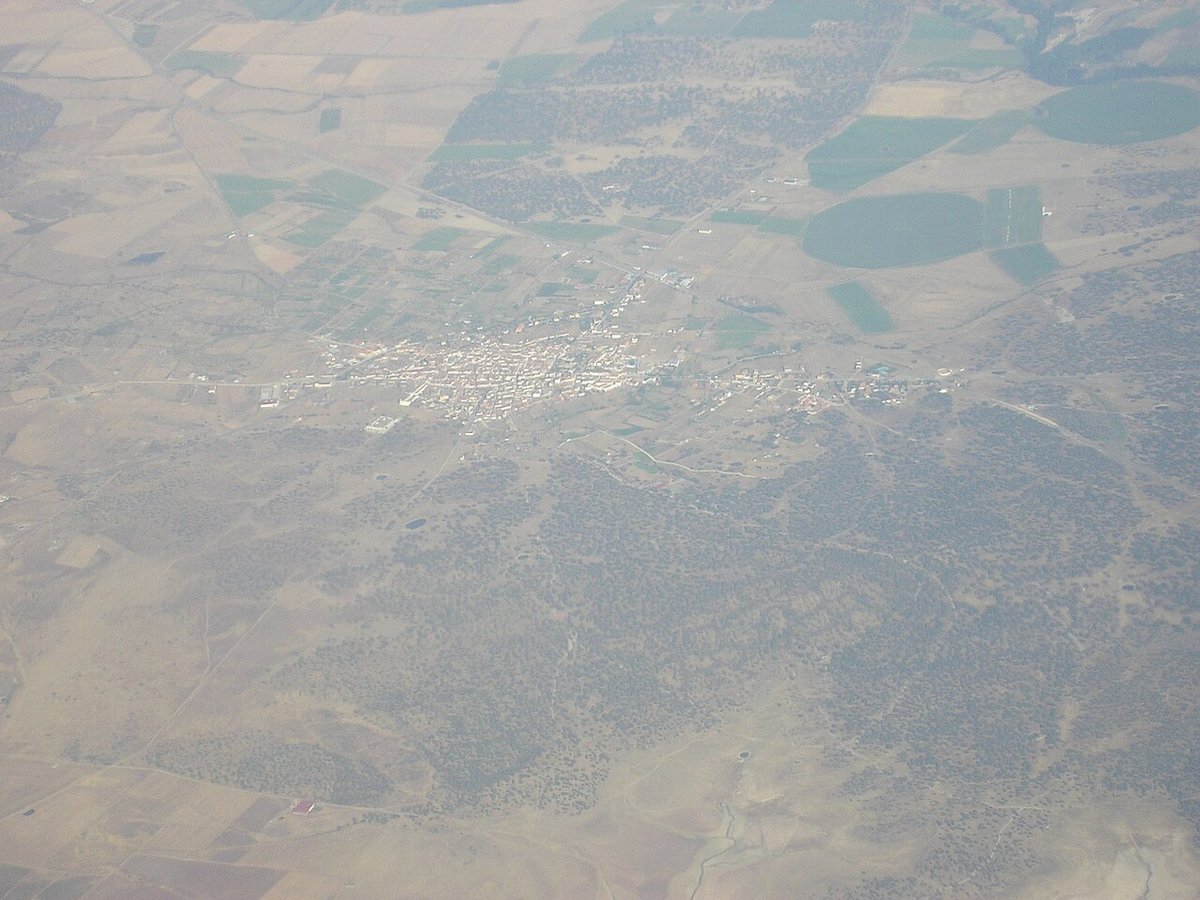
El pueblo está en la Trasierra - Tierras de Granadilla, al norte de Cáceres. A unos 450 metros, pero la altura no es lo que importa; lo que marca el carácter es el terreno. Encinares abiertos, pastos, y esos muros bajos de piedra que parecen dibujados a mano alzada. Las pistas salen del casco urbano como si alguien las hubiera tirado por ahí, sin mucho plan. Eso es Mohedas: un lugar donde lo urbano termina sin avisar y empieza el campo.
Un paseo sin guión (porque no hace falta)
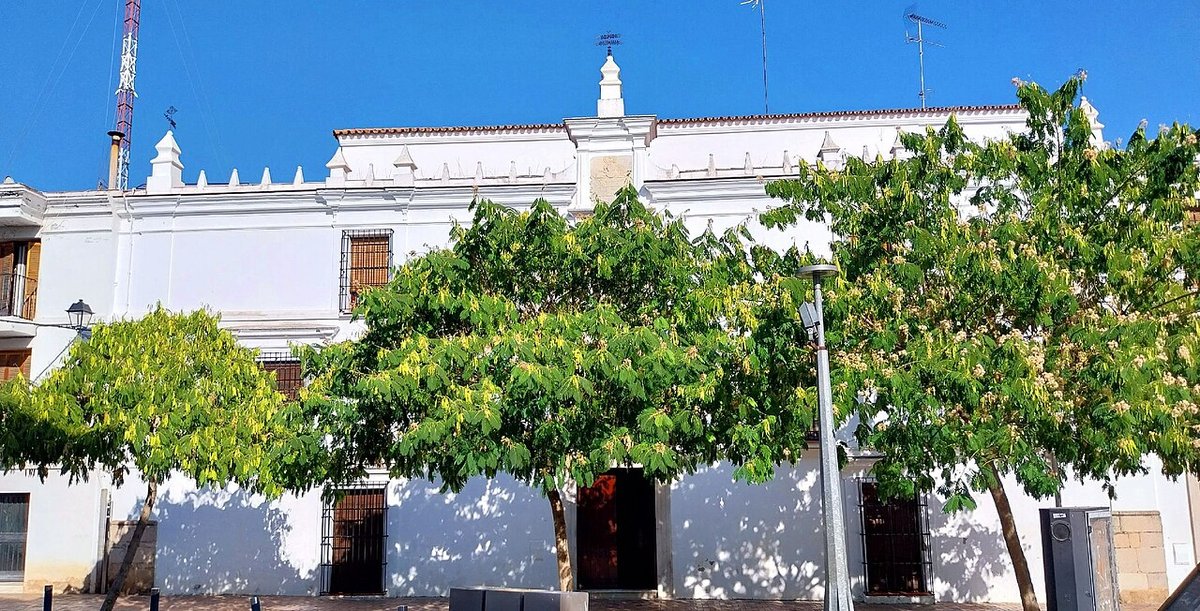
El núcleo es pequeño y funcional. Calles estrechas, casas bajas de piedra o enfoscadas, alguna construcción más nueva mezclada. No hay un “centro histórico” delineado ni placitas preparadas para la foto. Es un pueblo vivo, no decorado.
La iglesia parroquial sobresale un poco entre los tejados y sirve de referencia. Si está abierta, échale un vistazo. No esperes una catedral; es más bien el tipo de sitio donde se nota que la gente va a misa los domingos. Tiene esa utilidad cotidiana que le quita cualquier pompa.
La gracia está en caminar sin rumbo fijo. En cinco minutos puedes pasar de estar entre casas a tener solo campo alrededor. La frontera es difusa, como si el pueblo respirara por ahí.
Por donde pisar fuera del asfalto
El paisaje es el típico de esta Extremadura: encinas desperdigadas, dehesa, algún cercado para el ganado. Para moverte, lo mejor son las pistas y veredas que salen en todas direcciones.
Aquí no hay señales de GR o paneles informativos relucientes. Son caminos de trabajo, para llevar las ovejas o llegar a una finca. Si te pierdes (difícil con vistas tan abiertas), preguntar a quien veas sigue siendo más fiable que el móvil.
Para ver fauna, sobre todo aves, es un lugar honesto. No es un hide preparado para fotógrafos, pero al ser terreno tan despejado se ven con facilidad buitres, milanos y cigüeñas según la época. Con unos prismáticos básicos le sacas jugo.
La bici de montaña va bien por estos caminos, pero ojo con la época del año. En invierno algunos tramos pueden estar embarrados hasta las cejas, y en verano levantas una polvareda que se ve desde el pueblo.
Comer como en casa (de tu abuela extremeña)
La comida por aquí va a lo sustancial. No busques presentaciones en lías ni espumas; se come como se ha hecho siempre: platos contundentes, cocinados despacio, con producto local.
Es ese tipo de menú donde los embutidos y los quesos son los protagonistas indiscutibles del primer acto, y un guiso serio hace de plato fuerte. Las raciones suelen ser generosas, del estilo “esto no lo acabáis”. No es una experiencia gastronómica; es sentarse a una mesa familiar un domingo.
El ritmo del año: fiestas y costumbres
El calendario lo marcan unos pocos eventos clave. En verano están las fiestas patronales principales. Es cuando el pueblo revive: vuelven los que se fueron a trabajar fuera y las calles tienen un bullicio que el resto del año no existe.
La Semana Santa se vive con procesiones modestas pero sentidas. Son tradiciones que se repiten porque siempre se han hecho así, no por folclore.
Y luego está la matanza tradicional del cerdo en los meses fríos. Ya no es algo masivo como antes, pero en algunas casas o reuniones familiares se mantiene viva la tradición. Es uno de esos hilos que aún conectan el presente con la memoria rural más antigua del lugar.
Cómo llegar (y sobre todo, por qué)
Mohedas está a unos 90 km al norte de Cáceres capital. Se va por la N-630 hacia Plasencia y luego se tira hacia la zona de Trasierra - Tierras de Granadilla.
La carretera es tranquila, con ese paisaje extenso y cielos grandes tan típicos. Venir aquí no tiene sentido si buscas llenar una lista de monumentos vistos. Tiene sentido si te apetece un día –o un fin de semana– donde lo planeado sea precisamente no planear nada. Donde pasear sin prisa, observar cómo cambia la luz sobre las encinas, y dejar que sea el propio ritmo del sitio el que marque los tiempos. Es ese tipo de lugar discreto que se recuerda después, no por una postal concreta, sino por la sensación general de haber estado en otro ritmo. Sabes a lo que me refiero