Full Article
about Oliva de Plasencia
Near the ruins of Cáparra; quiet village with a palace
Hide article Read full article
A small village between valley and mountains
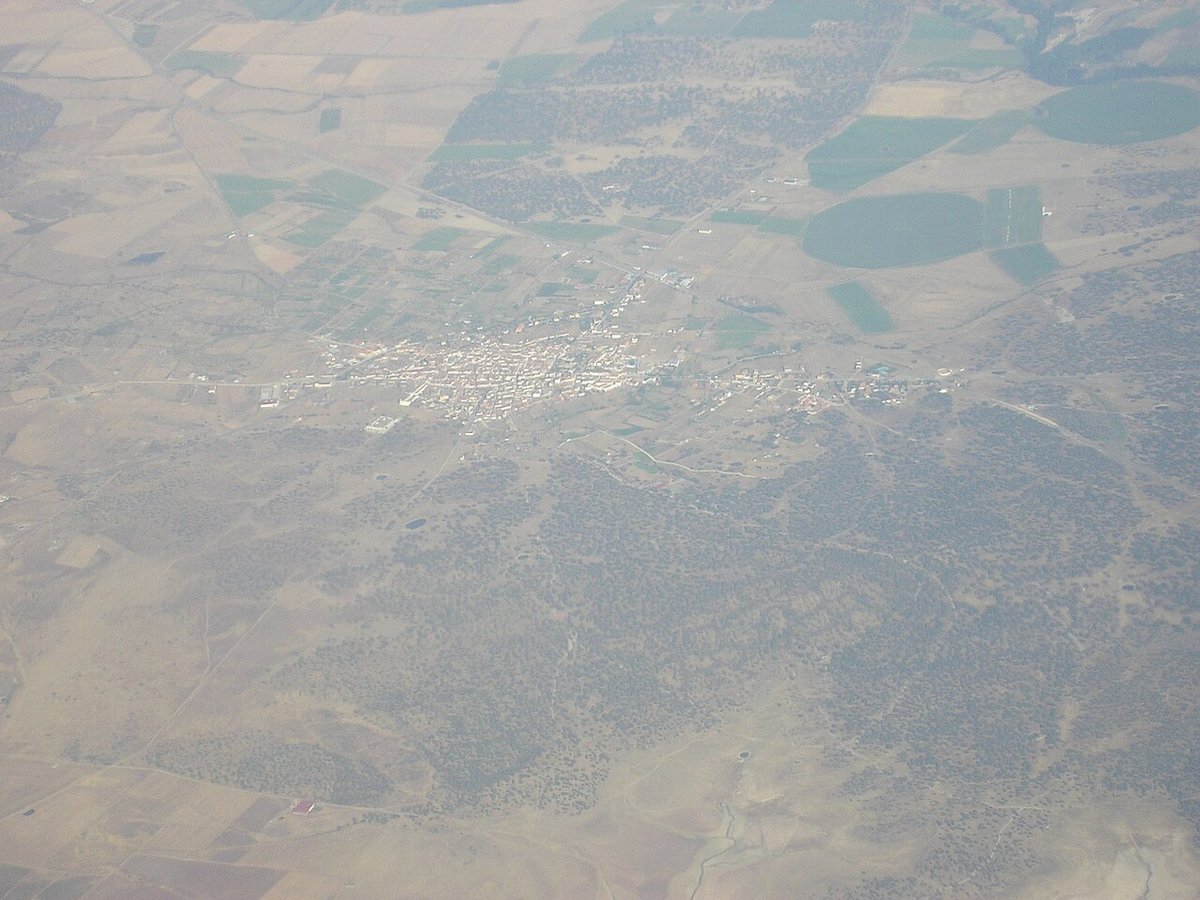
Oliva de Plasencia sits in the Trasierra – Tierras de Granadilla area, in the north of the province of Cáceres. It lies in a transitional strip of land between the Alagón valley and the first ranges of the Sistema Central. This position shapes both its landscape and its way of life.
Tourism here does not revolve around major landmarks. Instead, the interest lies in understanding how a small village in the Extremaduran dehesa functions. With around 290 inhabitants, Oliva de Plasencia still reflects a clearly recognisable rural structure. There are agricultural plots, scattered olive groves and livestock linked to the encinar, the oak-based pastureland typical of this region.
The village developed within a territory historically connected to Plasencia, a nearby city that organised much of this area after its foundation in the 12th century. Many surrounding settlements began as small agricultural communities dependent on that larger centre. Oliva de Plasencia still retains that character today: short streets, houses of one or two storeys, and daily life closely tied to the countryside.
Built form and surrounding landscape
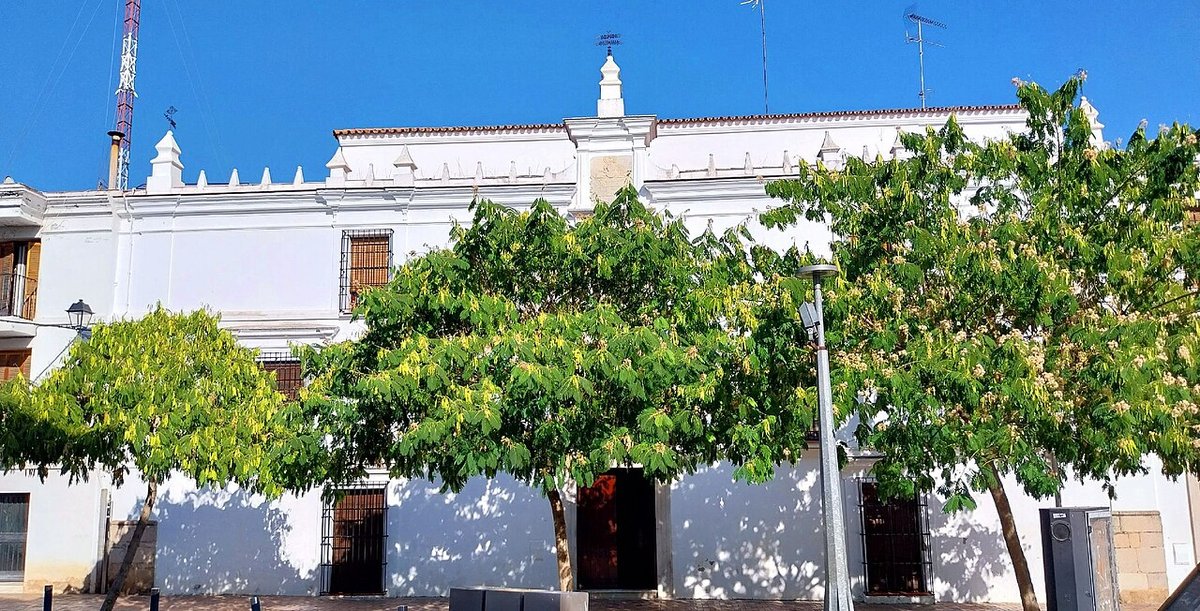
The architecture follows patterns seen across northern Cáceres. Houses are built with masonry, with granite doorways and tiled roofs. There are no standout monumental buildings, yet the village has a consistent visual identity that reflects its history and materials.
The parish church occupies the most prominent point within the village. As in many places in this part of Extremadura, it has been altered over time, combining older sections with later additions. Its importance lies less in its size and more in how it structures the settlement. The main streets gather around it, making it a central reference point in both layout and daily life.
Beyond the built-up area, the landscape changes quickly. Just a short distance from the village centre, dehesas of holm oak spread out. This traditional land-use system combines pasture, trees and livestock farming. The appearance of the land shifts with the seasons. In spring, the fields turn a vivid green, while towards the end of summer the tones become dry and muted.
This contrast is part of what defines the area. The village does not stand apart from its surroundings but blends into a working landscape shaped by agriculture and grazing over generations.
Walking through the dehesa
The surroundings of Oliva de Plasencia are best explored slowly. Agricultural tracks and older paths between estates create a network that can be followed on foot. Many of these routes link the village with others in the comarca or lead to dispersed livestock farms.
The dehesa itself offers a clear view of how this landscape works. Holm oaks are spaced out across open ground, allowing pasture to grow beneath them. Fenced areas often hold grazing animals, reinforcing the sense that this is a productive environment rather than a purely scenic one.
Seasonal changes are easy to notice. In spring, flowering shrubs such as jaras, a type of Mediterranean rockrose, bring noticeable variation to the fields. In autumn, acorns cover the ground and agricultural activity intensifies. These cycles shape both the land and the routines of those who live here.
Birdlife is another feature of the area. Birds of prey are relatively common in this kind of environment. With some patience, it is possible to spot kites, storks or vultures circling above the oak trees. There are no designated viewing points or facilities, so encounters tend to be informal and depend on timing and observation.
Rural traditions and everyday life
The festive calendar follows the usual pattern found in small villages in the region. Patron saint celebrations are typically held in summer, when many residents who live elsewhere return for a few days. These gatherings reinforce ties between those who remain and those who have moved away.
Beyond these occasions, everyday practices linked to rural life continue to shape the community. One of the most notable is the matanza del cerdo, the traditional pig slaughter that takes place in winter. It remains an important reference point for many families. From this process come cured meats and preserved foods that form a key part of local cooking.
The gastronomy of the area reflects the resources of the countryside. Iberian pork is central, alongside goat’s cheese and substantial stews designed for people working outdoors. Dishes such as migas, a preparation based on breadcrumbs, are especially associated with the colder months.
Food here is not separate from the landscape. It is directly tied to livestock, seasonal rhythms and long-standing domestic practices that continue to be passed down.
Getting there and when to go
Oliva de Plasencia is located close to the motorway connecting Cáceres and Plasencia. Access usually involves turning off onto local roads for the final stretch. The journey itself reflects the transition from larger routes into quieter rural surroundings.
It is not a destination that requires an extended stay. The village can be explored in a short amount of time, after which the main appeal lies in walking the surrounding paths and observing the dehesa.
Spring and autumn are generally the most comfortable times to visit. During these seasons, the countryside is more active and temperatures are better suited to walking. The landscape shows more variation, whether through fresh vegetation or the changes linked to the agricultural calendar.
Oliva de Plasencia offers a way to understand a specific rural environment rather than a collection of sights. Its interest lies in the relationship between settlement, land and tradition, all still visible in a setting that has changed gradually rather than dramatically.