Full Article
about Palomero
Mountain village with views and olive groves.
Hide article Read full article
Early in the day, before the sun clears the holm oaks, tourism in Palomero begins in near silence. The streets still hold the dampness of the night. There is a faint scent of fresh earth and spent firewood. Footsteps sound louder than expected on the uneven ground, interrupted now and then by a door opening or a shutter lifting.
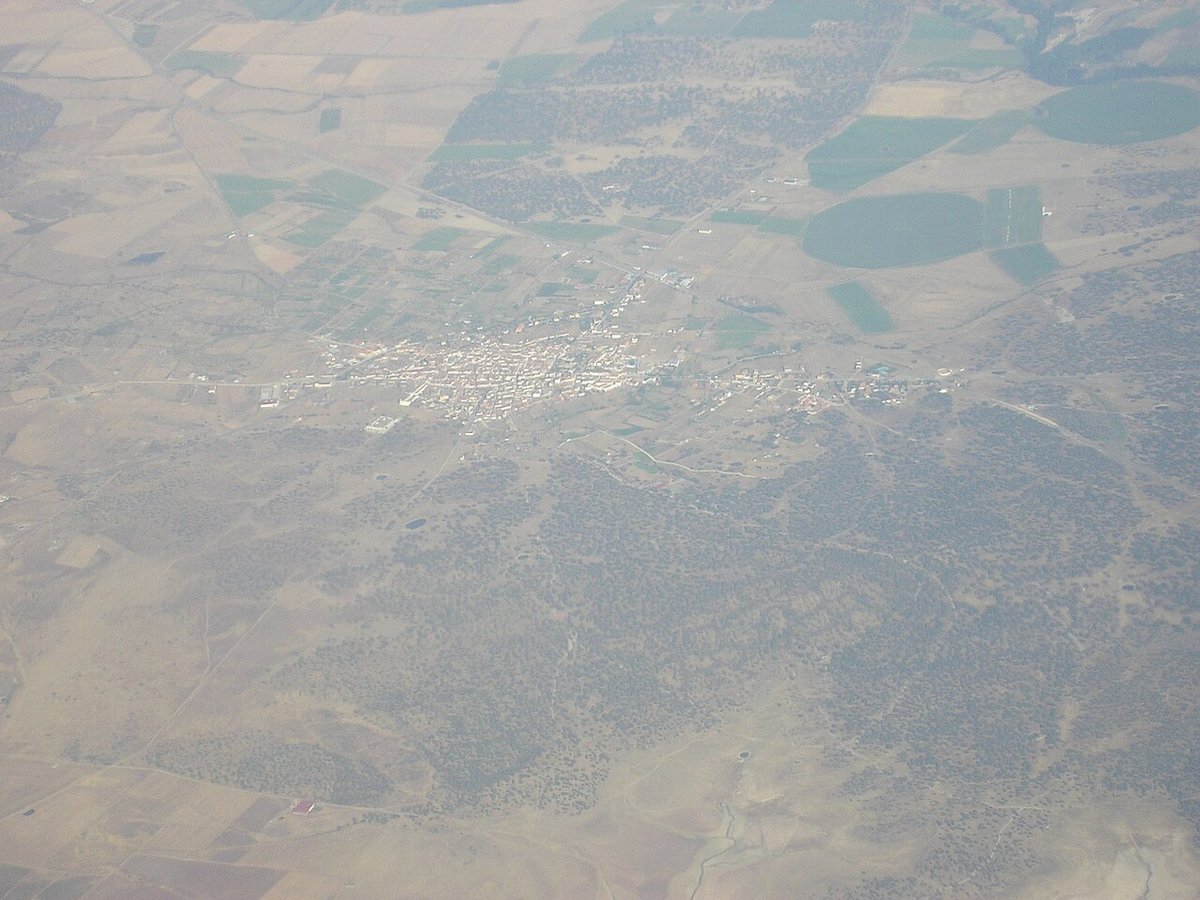
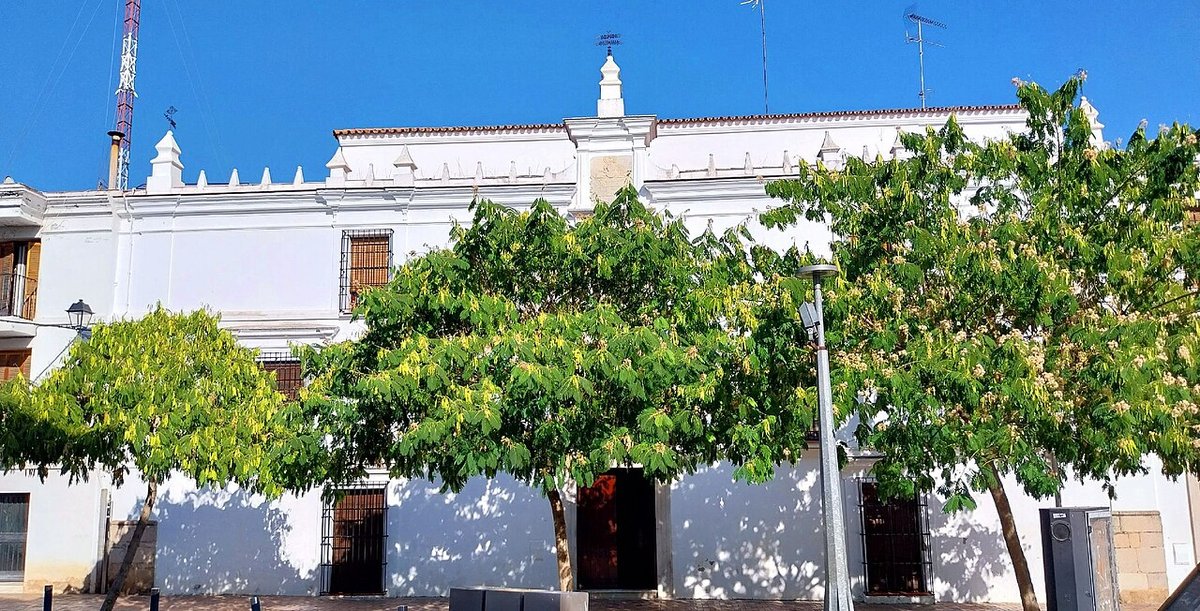
Palomero is a small municipality in the comarca of Trasierra‑Tierras de Granadilla, in the north of Cáceres province. The population sits at around five hundred. Distances are short and almost everything can be covered on foot. What stands out is not a single landmark but the overall feel: dark stone walls, old iron grilles, and flowerpots peeking over interior patios.
The square and the parish church
The main square is easy to find by sound alone. Water runs from two stone fountains, and several granite benches show the wear of time. By mid-morning, neighbours tend to gather here, chatting or simply sitting in the sun.
A few steps away stands the parish church of the Asunción de Nuestra Señora. Its façade is restrained, in ochre tones that shift with the afternoon light. Inside, there are religious pieces that, according to local accounts, date back centuries. The bell still marks the rhythm of the day. Its clear tone carries across a place where background noise is almost absent.
Short streets and old fountains
The streets of Palomero do not follow a straight plan. They bend, rise slightly, then dip again. Many end in small squares or open onto patios where vines and geraniums come into view.
One of the usual stops is the Fuente del Tío Antón. It is built from sandstone and fitted with a dark iron spout. For years, this was one of the places where residents collected water in clay jugs. The Fuente Nueva, restored some time ago, sits in another corner of the village. In summer, the shade that gathers around it is welcome.
A walk without a fixed route is often enough. The village is small, and paths tend to lead back towards the square or the church sooner or later.
Paths out to the dehesa
Rural tracks begin almost as soon as the built-up area ends. Some are dirt roads, others little more than footpaths between stone walls. Holm oaks and low scrub line the way.
The dehesa spreads around Palomero. This is a traditional landscape of open woodland, with trees spaced out so that light reaches the ground. Storks or kites sometimes circle overhead. Closer to the ground, livestock can be heard, even when it remains out of sight.
Early morning or late afternoon are the most comfortable times to walk, especially when temperatures rise. In summer, the sun falls hard on these open hills, and continuous shade is scarce.
Seasonal food and local customs
Cooking in Palomero remains closely tied to what is produced nearby. At certain times of year, cheese is still made in a family setting. Everyday dishes reflect the same simplicity: migas, stews prepared with Iberian pork, or salads where roasted pepper plays a central role.
The atmosphere shifts during the season of the matanza, the traditional slaughter and curing of pork. For a few days, the village fills with the smell of smoke, paprika and meat being preserved. These moments stay closely linked to households and family life.
The main festivities usually take place around the Asunción in summer. There are processions, music in the square and gatherings that continue into the night. In winter, near January, a custom of blessing animals is kept in the square. It is a curious scene in a place where small flocks and animal pens are still part of daily life.
Carnival also returns each year, though in a simple form. Costumes are often made at home, songs are improvised, and small groups move through the streets.
When to come and how to get there
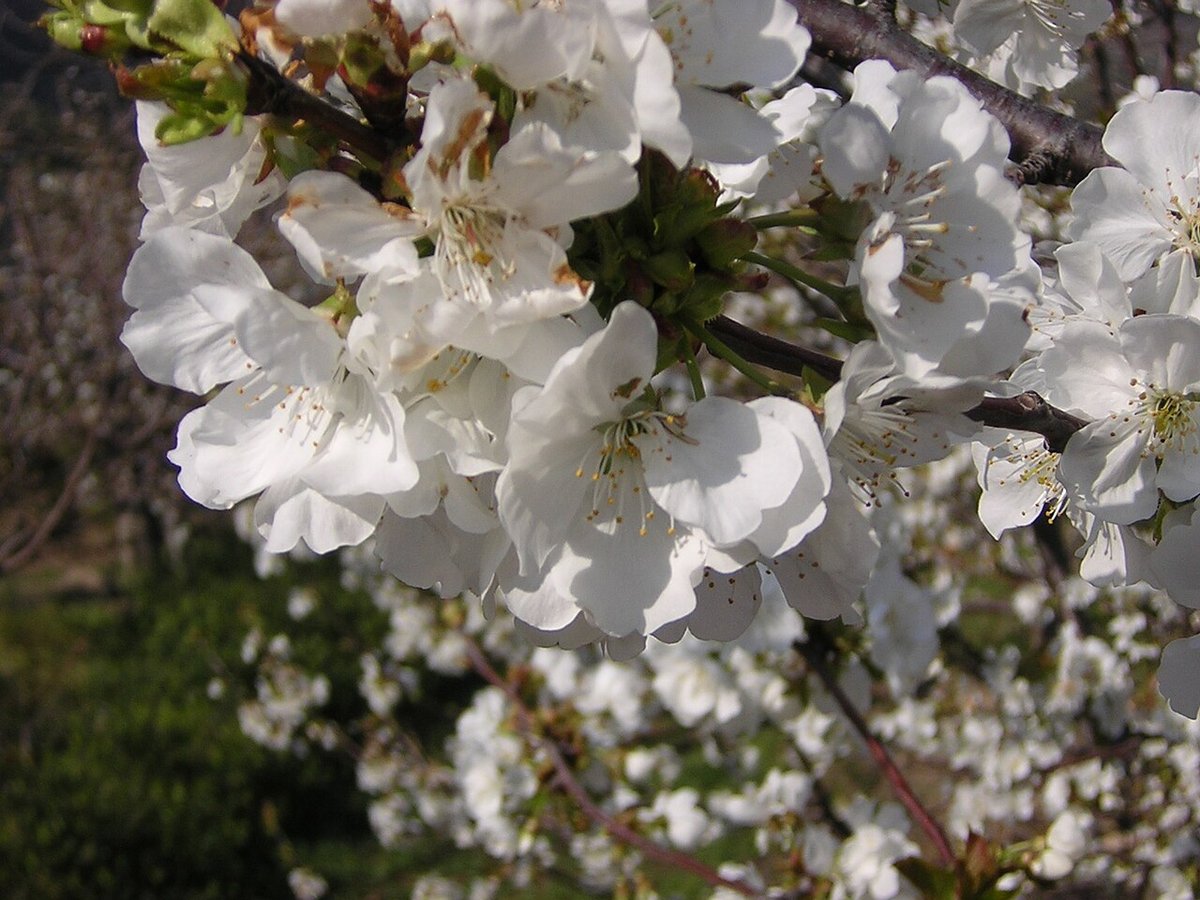
Spring and autumn tend to be the most pleasant seasons for walking in the surrounding countryside. The landscape changes quickly, green and full of flowers at first, then turning more golden as the season advances. In summer, early starts make a difference, as the heat becomes noticeable in the exposed streets from midday onwards.
Palomero is reached via regional roads from the north of Cáceres. The final stretch runs between dehesas and small plots of land. Livestock sometimes appears along the roadside, so a calm pace suits the approach.
On arrival, it makes sense to leave the car near the centre and continue on foot. In a place like this, the pace is set by the village itself, and it is usually slow.