Full Article
about Conquista de la Sierra
Home of the Pizarro family with remains of their palace; small town with conquistador history
Hide article Read full article
Conquista de la Sierra: el pueblo que no te llama
Conquista de la Sierra es como ese amigo tranquilo que nunca sube fotos a redes sociales. No lo buscas, aparece. Suele pasar cuando conduces sin prisa por los caminos secundarios de la comarca de Trujillo, entre dehesas y rocas de granito, y de repente ves un grupo de casas bajas apiñadas en una ladera. No está en las listas de los diez pueblos más bonitos. Aquí nadie te vende una postal.
Unos 190 vecinos dan vida al lugar. Sabes que has llegado a un sitio así cuando el único sonido constante es el de tus propios pasos.
Un paseo corto, sin sorpresas (ni falta que hace)
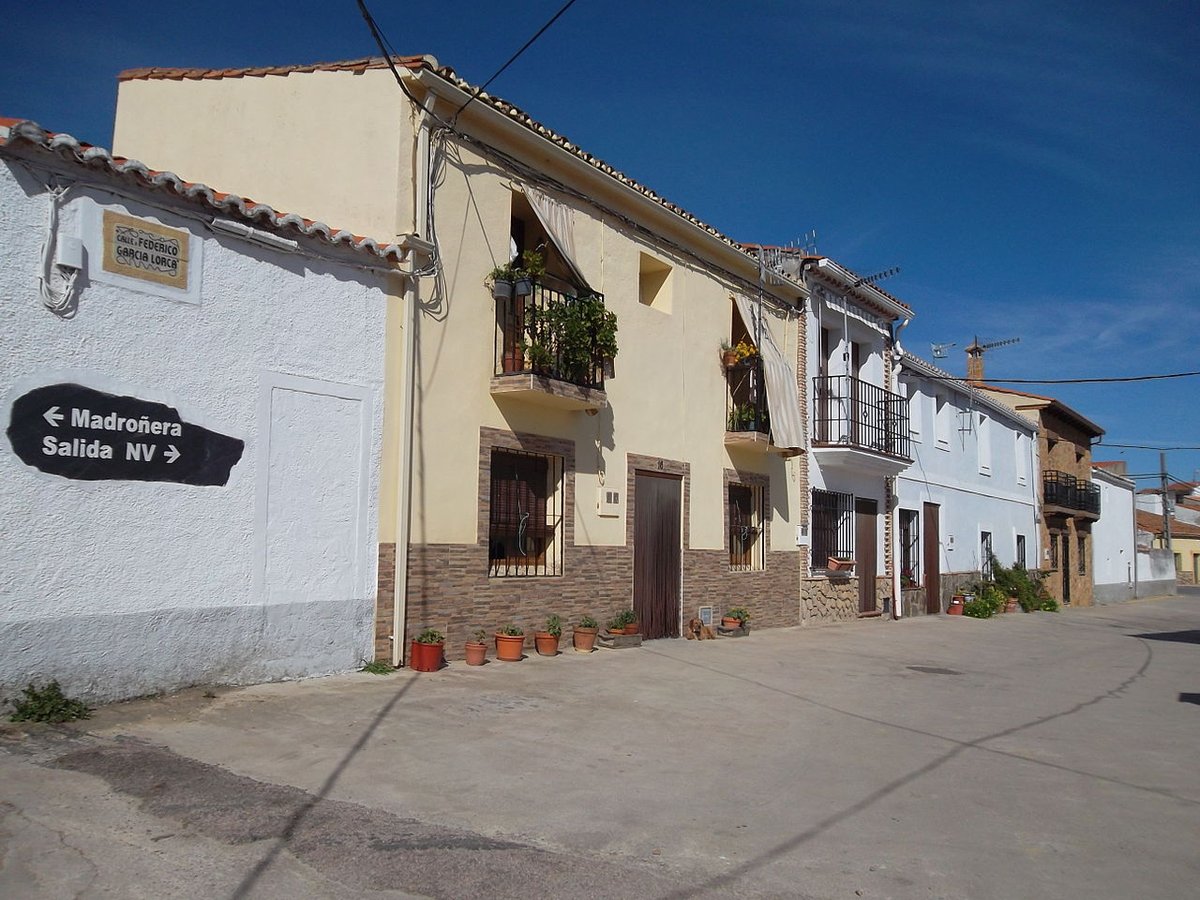
El pueblo es pequeño. Lo recorres entero en veinte minutos si no te entretienes. Calles cortas, algunas con cuesta, casas de piedra y teja árabe que han visto pasar muchos veranos. En el centro está la iglesia de Nuestra Señora del Rosario, con su plaza adoquinada. No es un monumento espectacular; es el lugar donde se juntan unas cuantas sillas al atardecer cuando el calor lo permite.
Lo interesante está en los detalles que no se esfuerzan por llamar tu atención: una reja vieja oxidándose con dignidad, un muro de granito donde las piedras ya no están del todo rectas, el huerto familiar detrás de una cancela medio abierta. Nada grita “fotogénico”. Todo parece estar ahí simplemente porque siempre ha estado.
La dehesa empieza donde acaba el asfalto
Aquí no hay un sendero señalizado con paneles informativos. La naturaleza funciona a la manera antigua: en cuanto pasas la última casa, te encuentras con una vereda de tierra. Son caminos para tractores y vecinos, abiertos a quien quiera seguirlos.
El paisaje es el que esperas en esta parte de Extremadura: encinas desperdigadas, grandes bolos graníticos que parecen colocados por un gigante perezoso, y alguna charca temporal si ha llovido. Es ese tipo de campo donde puedes andar una hora sin rumbo fijo, cruzarte con un rebaño de ovejas y que el pastor te salude con la cabeza. La gracia está precisamente en eso: en perderse sin llegar a perderse del todo.
Comer como en casa (porque literalmente lo es)
No vengas buscando carta ni fusión. La cocina aquí sigue una lógica clara: lo que hay cerca, en su momento. Cerdo ibérico, aceite de oliva local, guisos que huelen a leña. Son platos que se hacen en las casas para el día a día; si coincides con alguna celebración del pueblo o encuentras algún lugar sencillo que sirva comida, esa será la versión más cercana a lo tradicional.
Los dulces típicos suelen aparecer en fechas señaladas, hechos en casa. Es la despensa extremeña sin adornos.
El ritmo lo marcan las fiestas (y el silencio entre ellas)
La vida gira alrededor del calendario local. Los días grandes son los de la patrona, Nuestra Señora del Rosario, y algún otro festejo veraniego donde se nota que han vuelto familias y hay más niños correteando por las calles. Son momentos sencillos, una procesión por las calles principales, música en la plaza… luego todo vuelve a la calma habitual.
En un pueblo tan pequeño, estos eventos no son un espectáculo turístico; son la columna vertebral del año para quien vive aquí.
Cómo ir y no sentir que has "visitado" algo
Está a un corto trayecto en coche desde Trujillo. Mi recomendación es hacerlo al revés: ven primero aquí. Date ese paseo lento por el pueblo, sal a la vereda unos minutos a ver el horizonte abierto desde alguna loma baja y respira ese aire quieto. Luego ya te vas a Trujillo, con sus palacios y su bullicio histórico.
Conquista de la Sierra no es un destino. Es una pausa. No te va a cambiar la vida ni te vas a llevar una anécdota épica. Pero durante un rato, caminarás por un sitio donde nada parece estar esperando a ser descubierto. Y eso, hoy en día, ya es bastante raro