Full Article
about Herguijuela
Quiet village at the foot of the Sierra de los Lagares with rural charm
Ocultar artículo Leer artículo completo
The church bell strikes noon, and something unusual happens. The two men outside Bar Carolina pause mid-sentence. A woman carrying shopping bags stops walking. For thirty seconds, the entire village holds its breath. This isn't performance art—it's Herguijuela's daily reminder that you're now operating on mountain time, 1,200 feet above sea level in Extremadura's dehesa country.
The Village That Forgot to Modernise
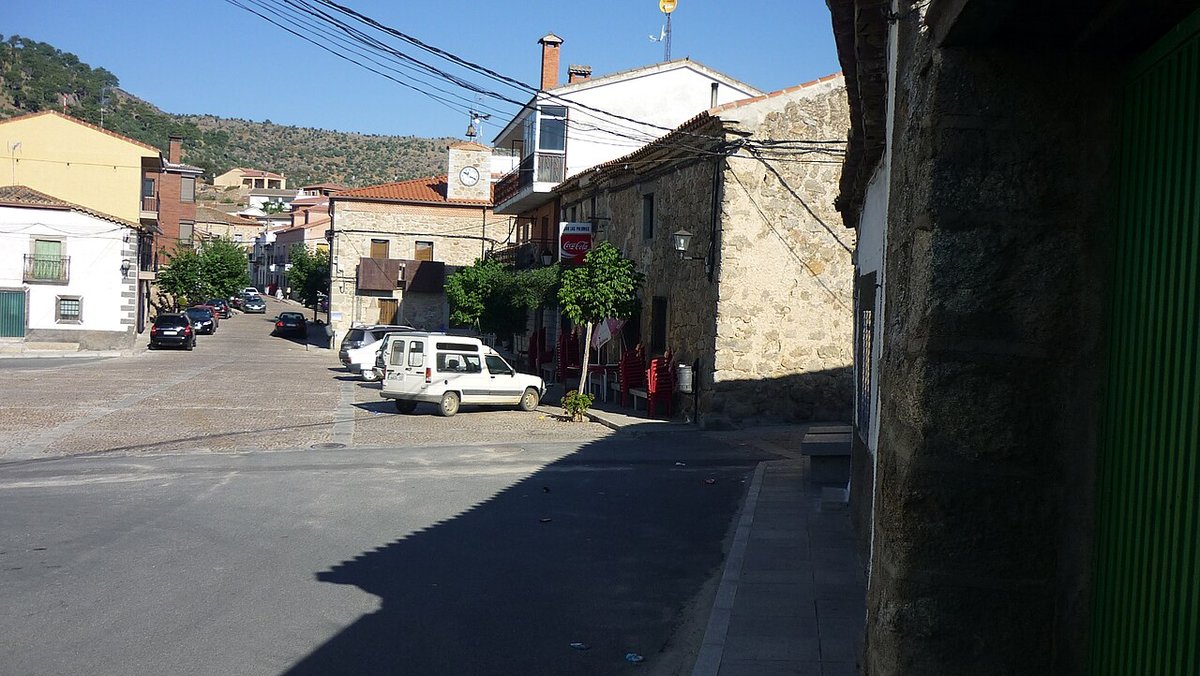
Two hundred and forty-seven residents. One grocery shop with an ATM that works when it feels like it. A bar that opens at seven, closes at three, then reopens at seven—unless Ángel's granddaughter has a football match. Herguijuela isn't hiding from the 21st century; it simply negotiated different terms.
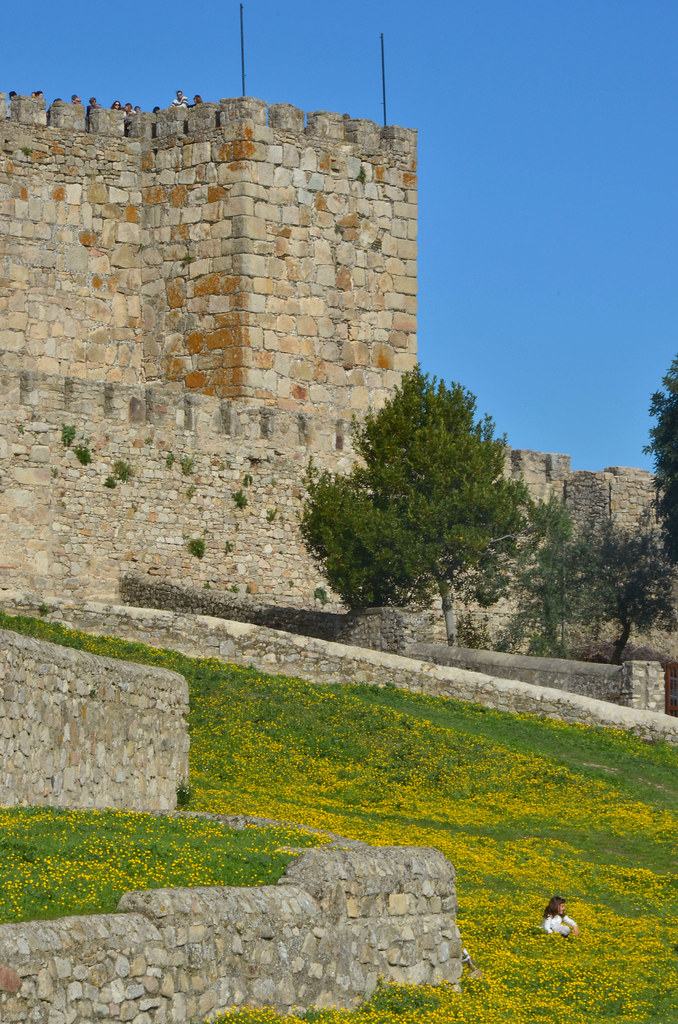
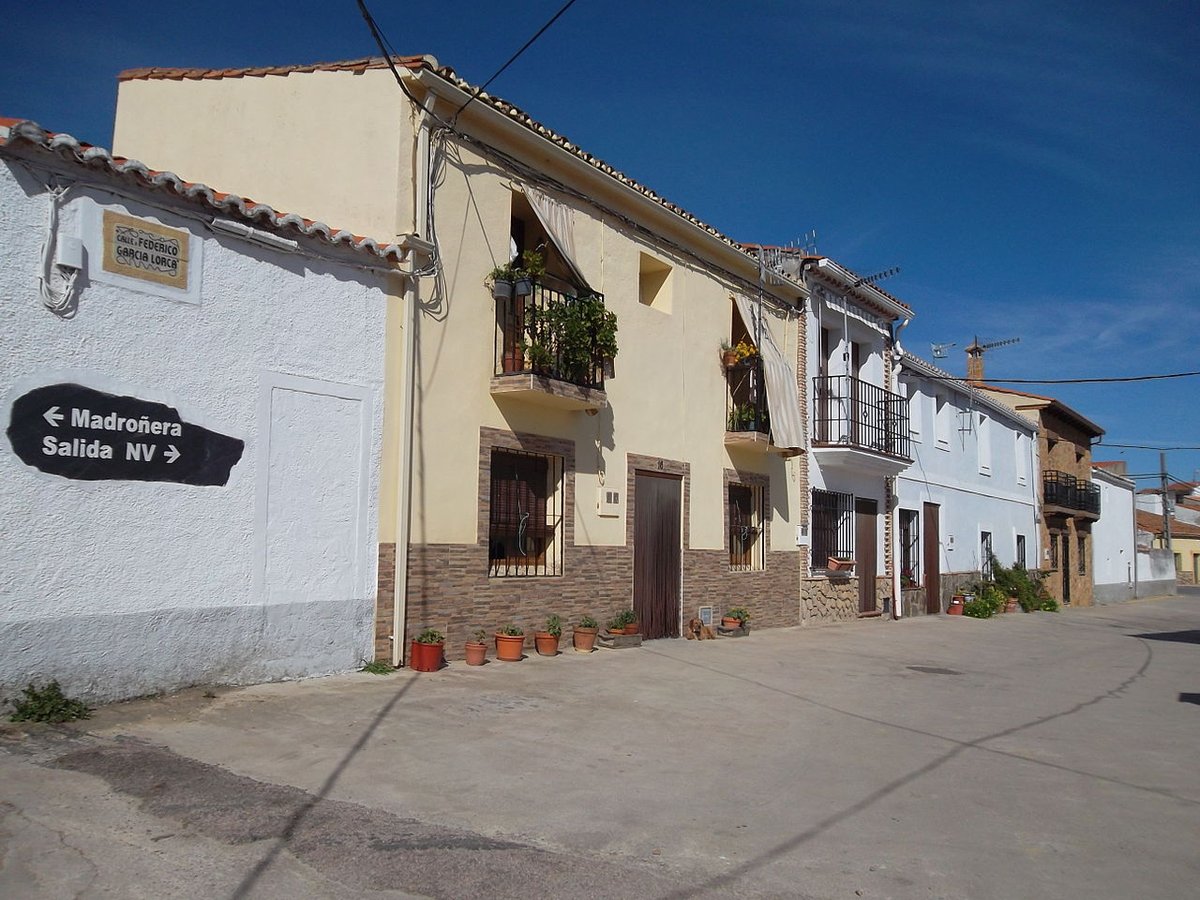
The streets follow medieval sheep paths, narrow enough that you can touch both walls with outstretched arms. Houses built from local granite and adobe have learned the art of temperature control—cool in summer, warm in winter—without ever installing air conditioning. Satellite dishes cling to walls like metallic barnacles, the only obvious concession to modernity.
Walk uphill past the church (always unlocked, though the priest only appears on Sundays) and you'll reach the cemetery. The views stretch forty kilometres across rolling dehesa, ancient cork oak forests where black Iberian pigs root for acorns. On clear days, you can see the Sierra de Gredos, snow-capped even when Herguijuela bakes in summer heat.
Walking Through Four Seasons in One Day
Morning fog hugs the valley until ten. By eleven, temperatures climb through the teens. Afternoon brings fierce sun—factor thirty essential even in October. Evening arrives with a chill that sends locals inside for jackets, despite midday heat. This isn't British weather being fickle; it's mountain climate doing what mountain climate does.
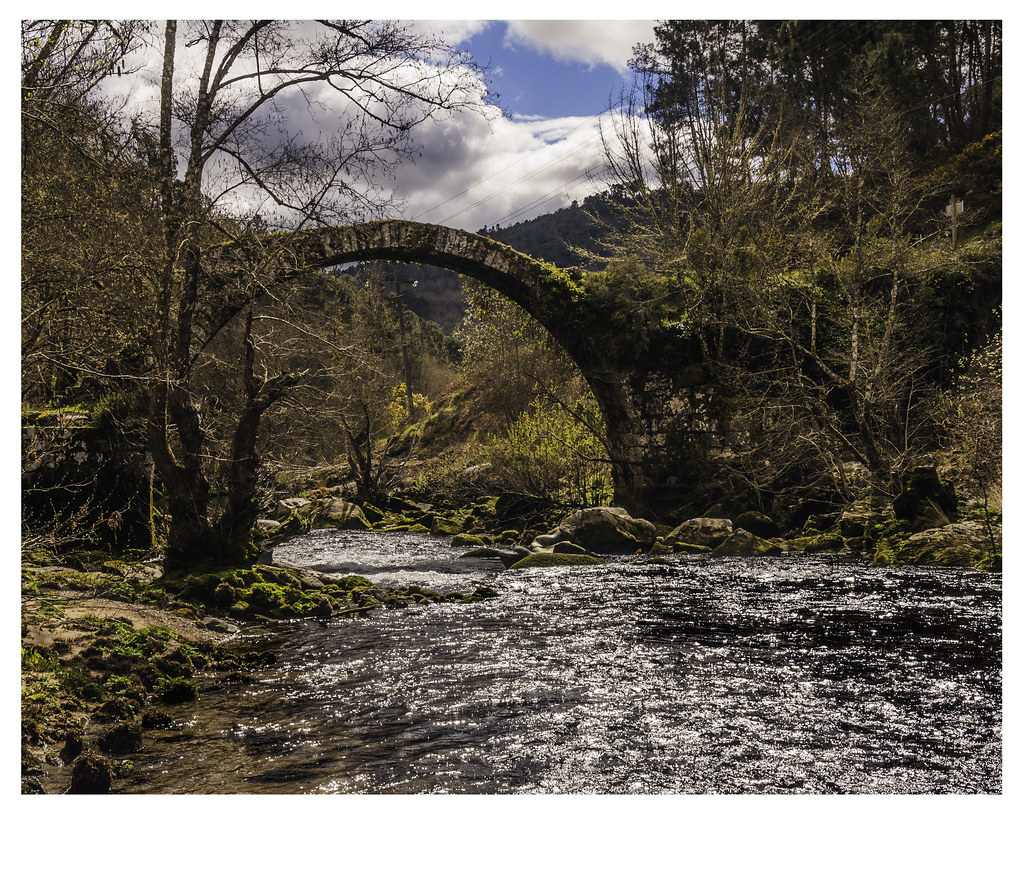
The signed path to the Roman bridge at Río Alcollarín starts opposite the olive cooperative. Three kilometres of rough stone track drop 300 metres through holm oak forest. Winter walkers might spot cranes feeding in the meadows—bring binoculars, but don't expect hides or information boards. This is birdwatching for people who appreciate patience over facilities.
Summer hiking requires different tactics. Start at six, finish by eleven. The circular route through the dehesa to abandoned cortijo El Carrascalejo measures eight kilometres but feels longer under July sun. Take two litres of water per person—streams run dry from June to September. Spring brings wild asparagus and thyme; locals forage with the dedication of Borough Market shoppers hunting organic kale.
What Passes for Entertainment
Bar Carolina serves coffee at €1.20, beer at €1.50. The price hasn't changed since 2019. Inside, hunting trophies share wall space with a signed photo of Real Madrid's 1998 Champions League squad. Thursday night means cards—mus, the Basque game that reached Extremadura through migrant workers. Visitors can watch, possibly play, definitely lose money to men who've been practising since primary school.
The grocery shop doubles as gossip central. Opening hours vary according to:
- Maria José's hospital appointments
- Whether her grandson has football training
- The temperature (she closes early when it hits 38°C)
Buy local cheese here—queso de la Serena, made from merino sheep milk, softer and creamier than Manchego. €12 per kilo, wrapped in waxed paper. The chorizo comes from a farm six kilometres away; the label features a mobile number that actually gets answered.
San Bartolomé festival transforms the village on 24-25 August. One sound system, one paella pan three metres wide, one night where sleeping becomes optional. British visitors sometimes find the 3am finish challenging; Spanish families simply bring the children. The square accommodates 400 people, roughly double the village's permanent population.
Practical Reality Checks
No petrol station exists between here and Trujillo, twenty-five minutes drive away. Fill up before arriving. The nearest supermarket of any size sits in the same direction—Herguijuela's grocery stocks basics, not choice. Sunday everything closes; Monday nearly everything does. Self-catering becomes essential rather than optional.
Mobile signal operates on mountain rules. Vodafone works near the church, EE functions by the bar, nothing works inside stone houses. The two rental properties advertise Wi-Fi; speeds barely manage WhatsApp voice calls. Consider this a feature, not a bug.
Summer heat breaks thermometers. Forty degrees isn't unusual in July-August. Accommodation lacks air conditioning—thick walls and tiny windows served previous generations perfectly. Visit May-June or September-October instead. Winter brings sharp frosts but rarely snow; the village sits just low enough to avoid regular whiteouts, just high enough for spectacular morning mists.
Eating and Drinking (When Places Are Open)
Bar Carolina serves food, sometimes. The menu depends on what Pilar bought that morning. Migas—fried breadcrumbs with pork belly—appears most days. Presa ibérica, the shoulder cut that melts at medium-rare, costs €9 including chips. Vegetarians face limited choices; vegans should self-cater or drive to Trujillo.
The local wine cooperative produces Rufeta, a rosé that tastes like strawberries and sunshine. Eleven percent alcohol means lunch doesn't necessarily finish your afternoon. Buy bottles at the cooperative door—ring the bell, someone appears eventually. €3.50 per bottle, cash only.
For proper restaurants, Trujillo offers choices. Casa Pizarro serves modern takes on Extremaduran classics; Tierra de Barros keeps things traditional. Both require booking at weekends. The drive takes twenty-five minutes through dehesa landscape where fighting bulls graze alongside your route.
Herguijuela won't change your life. It might, however, reset your internal clock to a speed where lunch lasts two hours, conversations develop properly, and that strange noise at night turns out to be owl calls rather than drunk teenagers. Just remember to fill the car before arrival—and don't expect the ATM to work when you need it most.