Full Article
about Ibahernando
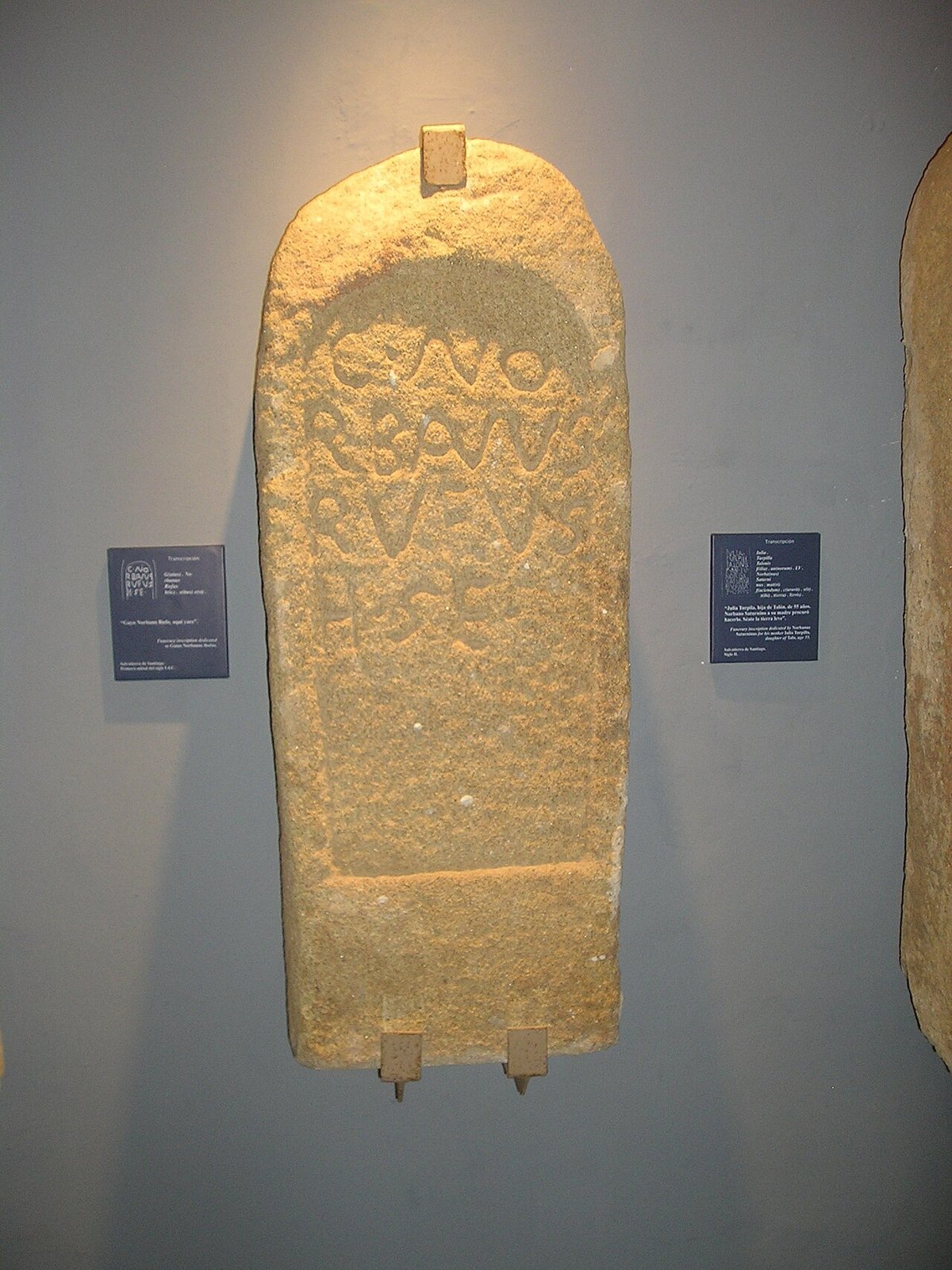
Cradle of historic lineages, its church holds an intriguing granite stela.
Hide article Read full article
A Slow Start in the Plaza
At ten in the morning, the main square of Ibahernando still holds the dampness of the night. Anyone arriving with plans for tourism in Ibahernando is met first by quiet. Stone houses line the square, light filters through tree branches, and the uneven sound of bicycle wheels rolls over the cobbles. Two neighbours talk unhurriedly on a bench. No one appears to be in a rush.
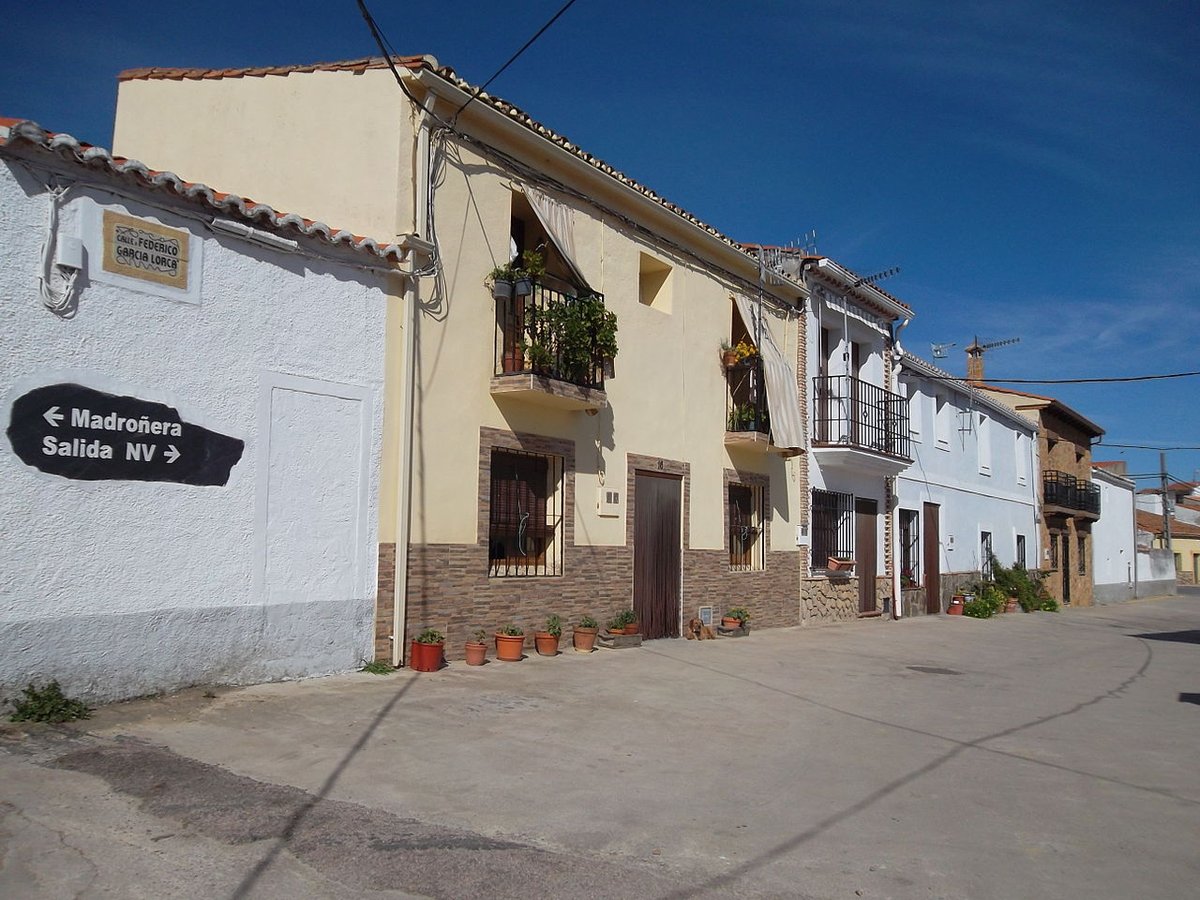
Ibahernando lies in the comarca of Trujillo, inland in the province of Cáceres. With a population of around five hundred, the pace is noticeably different from larger towns. Streets are short and often narrow, and many front doors open directly onto the road. Facades combine dark granite, whitewashed sections and roofs of old tiles. At roughly 540 metres above sea level, mornings tend to begin cool, even when the summer heat is already pressing down on the surrounding plains.
San Juan Bautista and the Life of the Square
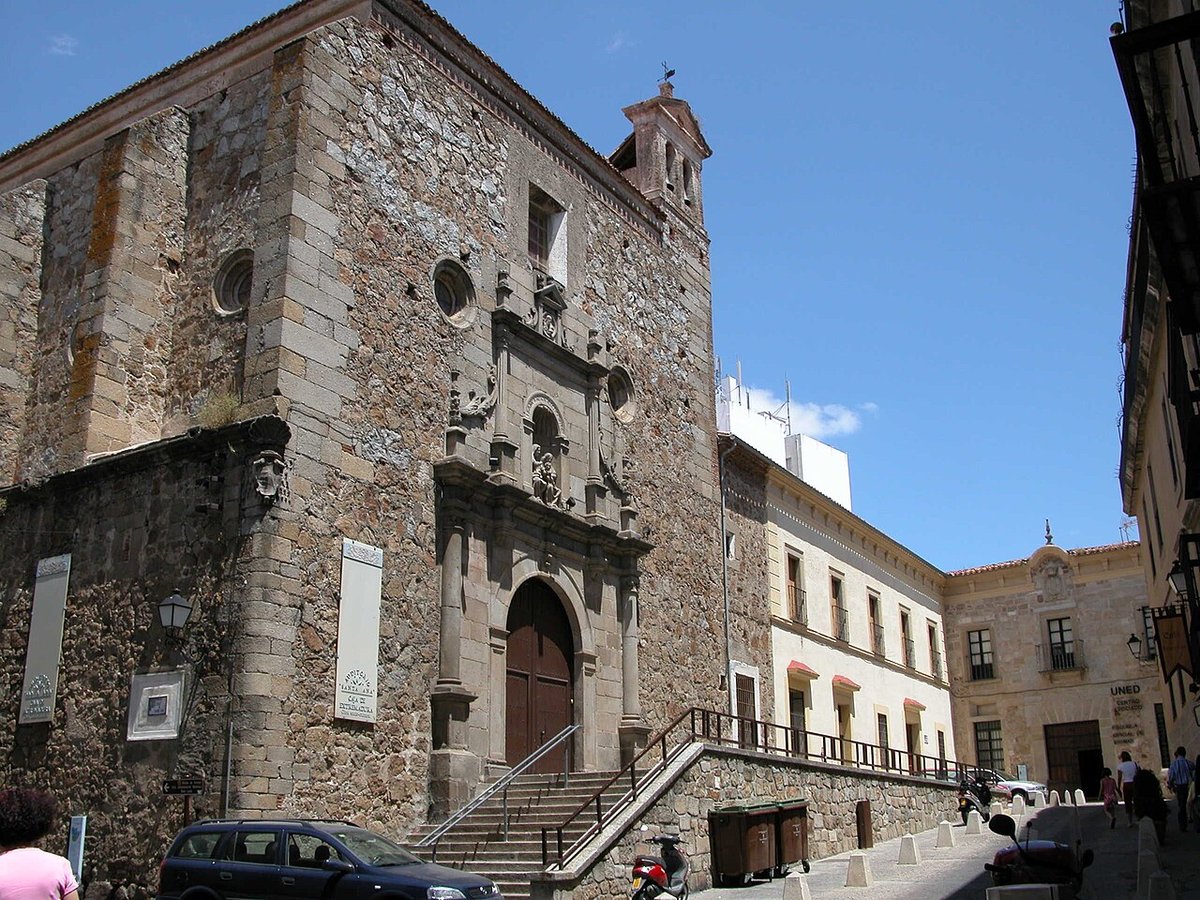
The parish church of San Juan Bautista dominates the plaza. According to local references, the current building dates from around the 16th century. Its tower can be recognised from several approaches to the village. Up close, the worn stone and uneven joints in the walls reveal centuries of repairs and adjustments.
The door is not always open. Anyone hoping to step inside should ask a neighbour or try at different times of day. In small villages, churches often open only when there is parish activity.
The square serves as the village meeting point. By mid-afternoon, more voices gather. Someone carries a chair outside their door, and children cross the open space from one side to the other. The atmosphere can shift noticeably between weekdays and weekends, when family members who live elsewhere return to visit.
Granite Streets and Inner Courtyards
A few steps away from the plaza, granite takes over. Thick walls and small windows reflect an architecture designed to keep out the heat. Wooden gates, darkened by time, stand directly on to the street. Now and then, a metal gate reveals an inner courtyard with potted plants, perhaps a vine, and hard-packed earth underfoot.
The village is small enough to explore without a map. It rewards a slow walk and attention to detail: worn door knockers, benches set against facades, cables stretched from house to house. In the early afternoon, when the sun stands almost vertically overhead, many streets fall into shade and the air turns unexpectedly cool.
Paths Through the Dehesa
Beyond the last houses, agricultural tracks lead into the surrounding dehesa. This traditional landscape of scattered holm oaks and cork oaks spreads out in open pasture. The appearance changes with the seasons. After rain, the fields turn intensely green. As summer advances, they shift towards yellow tones.
Not all the tracks are signposted. Those who enjoy walking are advised to check a mapping app or ask locally about common routes before setting out. Some paths reach small seasonal ponds. In spring, frogs can be heard there, and birds gather at the water’s edge.
During winter, cranes are relatively common in the wider comarca of Trujillo. They move between dehesas and open fields. At dawn and dusk, they are often heard before they are seen, their hoarse calls crossing the sky as they fly in flocks.
Home Cooking and Pork Traditions
In Ibahernando and the surrounding area, pork remains central to the kitchen. Cured sausages, morcillas, and marinated cuts form part of the usual pantry in many villages of this region. Hearty spoon dishes also feature strongly: thick stews, migas made from day-old bread, and recipes that change little from one generation to the next.
In autumn, once the countryside begins to stir after the first rains, wild mushrooms find their way into local cooking. They do not appear in the same quantity every year, so it makes sense to ask what is being prepared at that particular time.
Festivities Through the Year
Celebrations in Ibahernando follow the religious calendar and neighbourhood gatherings. San Juan Bautista, the village’s patron saint, is honoured at the end of June with processions and music in the streets. In February, San Blas takes on importance, with events linked to agricultural tradition.
Holy Week is marked in a sober manner, with short processions through the streets of the old centre. In summer, when many residents who live elsewhere return, open-air dances and evening gatherings fill squares and courtyards. People take advantage of the cooler night air.
When to Visit for a Gentler Pace
Spring and early autumn are generally the most comfortable times for walking in the surrounding countryside. In April and May, the landscape changes colour almost week by week. By September and October, the light softens and the heat eases.
In the height of summer, the central hours of the day can be intense. An early start is the best way to wander through the village streets or head out into the countryside. Later on, the square becomes the natural place to sit and watch the day wind down, as conversation resumes and the temperature begins to drop.
Ibahernando does not compete with larger destinations. Its appeal lies in everyday rhythms: a church tower visible from the edge of town, granite walls that hold the night’s coolness, fields that shift with the seasons. Time here stretches gently, measured by voices in the square and the sound of birds over the dehesa.