Full Article
about Monroy
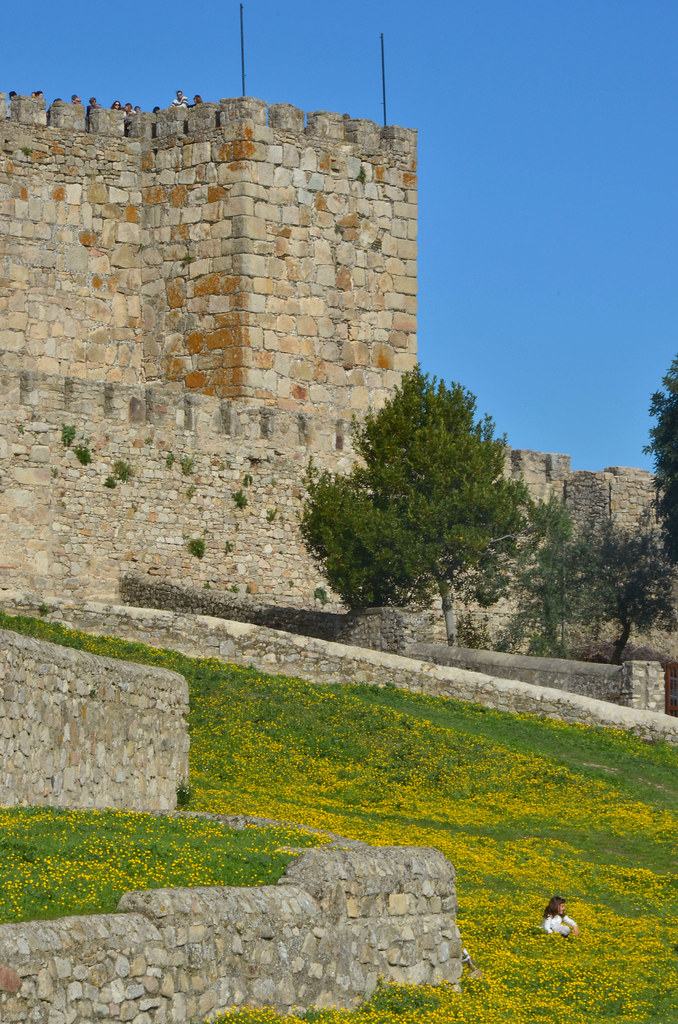
Known for its inhabited, imposing medieval castle and its Roman villa.
Hide article Read full article
Monroy en la penillanura
Monroy se encuentra en el centro de la comarca de Trujillo, sobre la penillanura cacereña. Es un terreno de ondulaciones suaves, donde el horizonte se abre sin obstáculos. El paisaje que lo define es la dehesa: encinas y alcornoques dispersos, con amplios claros de pasto entre ellos.
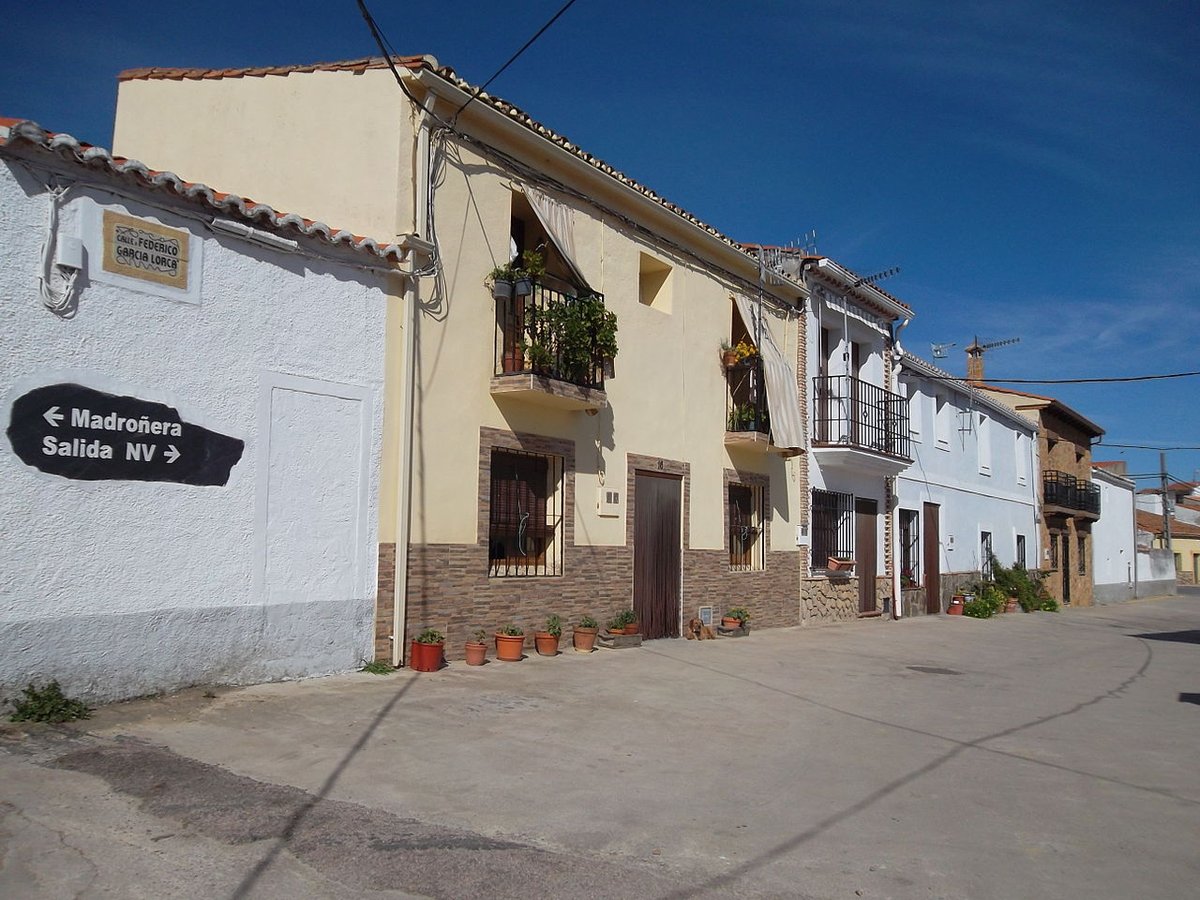
El pueblo tiene poco más de novecientos habitantes y conserva la traza compacta de los asentamientos medievales en esta zona. Se fundó en un ligero altozano, una elevación casi imperceptible en la llanura, pero suficiente para marcar el emplazamiento. Las calles son cortas y con pendiente leve, y las casas se agrupan en torno al núcleo original. En diez minutos se cruza de un extremo a otro.
La huella del señorío
La historia de Monroy está ligada a las disputas y reorganizaciones posteriores a la conquista cristiana del territorio. Durante siglos formó parte de un señorío, y eso se lee en sus construcciones.
En algunas fachadas hay escudos de piedra, indicios de propiedad y estatus pasado. También hay casas mayores que rompen la escala de las viviendas rurales más modestas. Su estilo es sobrio: una o dos plantas, muros encalados y portadas de granito. El esquema es habitual en la penillanura: zaguán de entrada que conduce a un patio interior. Este patio era un espacio práctico, usado para las labores diarias, guardar animales o herramientas sin necesidad de salir a la calle.
A las afueras se conservan restos de una fortificación vinculada al antiguo señorío. Lo que queda es fragmentario —muros y estructuras muy transformadas—, pero da una idea de que este lugar tuvo cierta importancia en la organización del territorio entre Cáceres y Trujillo.
La dehesa, paisaje y sustento
Alrededor del pueblo se extiende una dehesa muy representativa del centro de Extremadura. No es un medio salvaje o espeso; es un paisaje modelado durante siglos, gestionado para equilibrar árboles, pasto y ganado.
Las encinas se separan para que crezca la hierba y los animales se muevan con libertad. El resultado es un paisaje abierto y trabajado, donde el patrón de árboles dispersos y terreno de pastoreo es fruto del uso prolongado, no del azar.
Aquí se ha criado tradicionalmente ganado vacuno, ovino y cerdo ibérico. En otoño e invierno, cuando caen las bellotas, es habitual ver a los cerdos alimentándose bajo las encinas. Esta escena estacional explica mucho de la economía local y su dependencia de los ritmos de la tierra.
Entre los árboles, afloramientos de granito rompen la continuidad de la llanura. No forman sierras, sino agrupaciones de rocas redondeadas que emergen suavemente del terreno. Son formaciones típicas de esta parte de Cáceres. Con la luz baja de la tarde, alteran notablemente la apariencia del paisaje, añadiendo textura a un horizonte por lo demás muy amplio.
Por los alrededores
Los caminos rurales que parten de Monroy son aptos para caminar o ir en bicicleta. No hay cuestas pronunciadas, pero las distancias en la penillanura pueden engañar: lo que parece cerca puede convertirse en una caminata larga, sobre todo con sol fuerte.
Muchos de estos caminos atraviesan fincas en uso, por lo que conviene respetar portillas y lindes. La presencia de animales es constante y forma parte del funcionamiento normal de la dehesa.
La zona también es propicia para observar aves. Cigüeñas, milanos y diversas rapaces usan los espacios abiertos para cazar, aprovechando la visibilidad que da la llanura. En invierno, es frecuente ver grullas en los campos abiertos de la comarca, lo que añade un ritmo estacional al paisaje.
No hay miradores habilitados ni infraestructuras específicas. Basta con caminar a buen paso por las pistas para percibir el entorno; unos prismáticos resultan útiles para quien quiera fijarse en la avifauna.
Fiestas y vida cotidiana
El calendario local sigue vinculado a las tradiciones rurales. A finales de septiembre Monroy celebra sus fiestas patronales en honor a San Miguel. Los actos religiosos se mezclan con encuentros sociales que involucran a buena parte del vecindario.
En enero se observa San Antón, una fecha tradicionalmente asociada a los animales. En muchos pueblos de Extremadura esta celebración incluye hogueras y la bendición del ganado. La costumbre refleja lo central que han sido siempre los animales para la economía y la vida diaria.
En verano, sobre todo en agosto, suele concentrarse la actividad. Mucha gente que vive fuera regresa unos días, y el pueblo adopta un ritmo más animado durante ese periodo.
Cómo llegar y notas prácticas
Monroy está aproximadamente a medio camino entre Cáceres y Trujillo. Se suele acceder por la carretera EX‑208, tomando un desvío señalizado hacia el pueblo.
El clima es seco y los veranos pueden ser muy calurosos. Conviene tenerlo en cuenta al planificar el tiempo al aire libre, sobre todo si se va a caminar. Dentro del pueblo, los servicios son los propios de una localidad pequeña; si se pasa el día en la zona, es sensato planificar con antelación.
Monroy no ofrece espectáculo. Su carácter viene del equilibrio entre el asentamiento y el paisaje, de la continuidad de la vida rural y de la presencia tranquila de la historia en sus calles y alrededores.