Full Article
about Puerto de Santa Cruz
Small town at the foot of the sierra with a notable parish church
Hide article Read full article
A small place with a simple rhythm
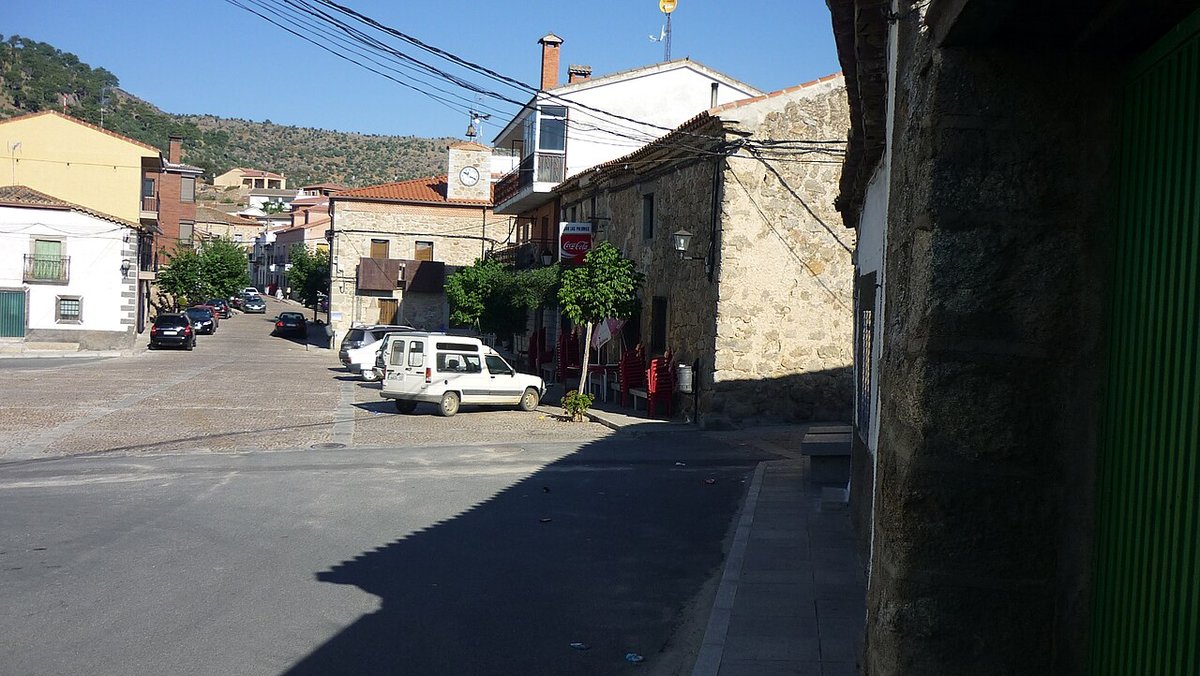
Tourism in Puerto de Santa Cruz is straightforward. You arrive, park near the main square, and within a short time you have a clear sense of the village. There is usually space to leave the car, as the population is small. In summer it can feel a little busier, though nothing overwhelming.
The village centre is compact. By mid-morning, most visitors will already have a good idea of its layout and atmosphere. This is not a place that demands long itineraries or careful planning. The visit is short and direct, shaped more by observation than by a list of sights.
Moving around the village
The square acts as the main reference point. Almost every street branches out from there, so there is no real need to move the car again once you have arrived.
The streets themselves are short and easy to walk. Some have a gentle incline and uneven ground. It is nothing particularly difficult, but comfortable shoes make a difference, especially if you plan to continue beyond the village towards the surrounding countryside.
Distances are minimal, and walking becomes the natural way to explore. There are no complex routes or hidden corners that require effort to find. Everything unfolds quickly.
Everyday life and the built landscape
At the centre stands the church of San Bartolomé. Its exterior is plain, without decorative excess. Inside, it remains equally restrained. The sacristy holds Baroque altarpieces and an old image of the Virgen del Rosario, which is typically brought out during the village festivities.
The church is not always open. Sometimes it follows religious schedules, and at other times access depends on whether someone locally has the key. This unpredictability forms part of the experience.
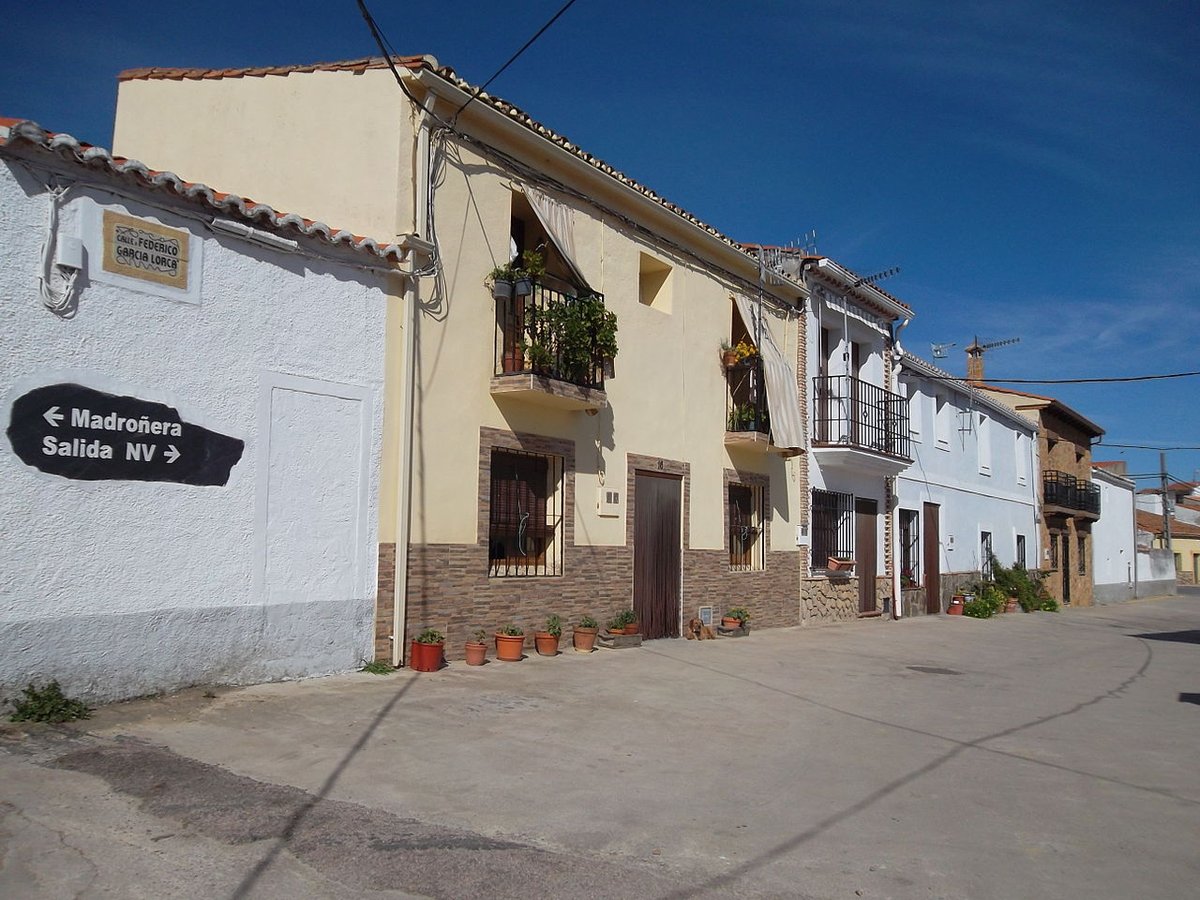
The main streets are Calle Mayor and Callejón. The houses are built from masonry, with some façades showing signs of wear. There are interior courtyards with wells and small vegetable plots. There are no polished restorations or explanatory signs to guide visitors.
What stands out instead is ordinary village life. Laundry hanging outside. People talking in doorways. A tractor parked near the fountain. Nothing is arranged for display, and nothing feels staged.
Walking out into the dehesa
As soon as you leave the built-up area, the landscape opens into agricultural plots and livestock farms. Cows and sheep are the most common animals.
The nearby dehesa, a traditional type of open woodland typical of Extremadura, is the most interesting part of the surroundings. Tall holm oaks dominate, with occasional cork oaks and scattered melojo oaks. The appearance of the land changes noticeably depending on the time of year.
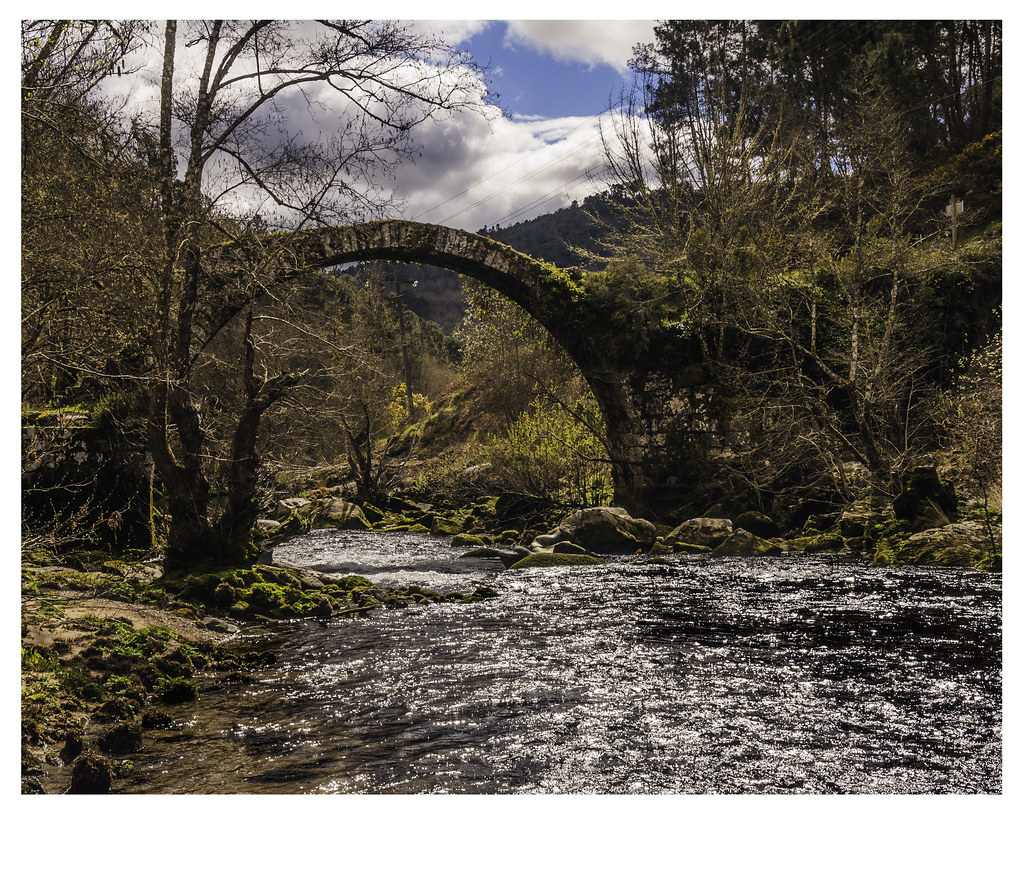
Several dirt tracks lead out from the village into the countryside. One of the most commonly used routes heads north. It is flat and easy to follow. Along the way, it passes near the remains of old water mills beside a stream. There are no information panels or explanations, only stones and partially collapsed walls.
Walking early in the day, especially in silence, makes it easier to spot griffon vultures circling high above. Other birds of prey can also be seen. It is advisable to stick to the paths and avoid entering private farmland.
The experience here is quiet and open-ended. There are no marked highlights, just a gradual transition from village to landscape.
Seasons and local rhythms
Spring and autumn are usually the most pleasant times to walk in this area. The countryside shows more colour, and the heat is less intense.
In summer, the sun is strong during the middle of the day. Visiting early in the morning or later in the afternoon is more comfortable during those months.
Winter brings a drier appearance to the landscape, though it often comes with clear days and wide skies. After heavy rain, some of the dirt tracks can become muddy, which may affect walking routes.
Local festivities typically take place in spring, with additional activities in summer. These are small-scale celebrations, mainly organised for residents rather than visitors.
Getting there and what to expect
Puerto de Santa Cruz is located in the comarca of Trujillo, a wider area centred on the historic town of Trujillo. It can be reached by road from there without much difficulty, although the final stretch follows narrower local roads.
This is not a destination for a multi-day stay. The village centre can be explored in under an hour, followed by a short walk into the surrounding countryside.
For those already travelling through the Trujillo area, it offers a brief pause and a glimpse of a very small village. For anyone looking for major monuments or a busy atmosphere, it makes more sense to continue elsewhere. Here, the visit is short, quiet and uncomplicated.